
The Zelenka cucumber is a unique hybrid that quickly gained popularity among gardeners due to its high productivity and excellent taste. It ripens early and requires minimal care. It is considered the best choice for both novice and experienced growers. Agronomic practices can help increase yields.
Introduction to the variety
Domestic breeders from the Aelita agricultural firm worked on developing the hybrid. V. G. Kachainik, G. V. Golovko, and M. N. Gulkin conducted all the necessary tests. The variety passed them successfully, after which it was approved for use in 2019.
- ✓ Resistance to short-term temperature drops down to +10°C without significant damage to growth and fruiting.
- ✓ High resistance to the main cucumber diseases, such as powdery mildew and downy mildew.
Characteristic features of the appearance of the plant and fruits
The plant is characterized by an indeterminate growth habit, so it produces fruit well on lateral shoots. It has good branching, with a small number of branches. They are covered with medium-sized, dark green leaves.
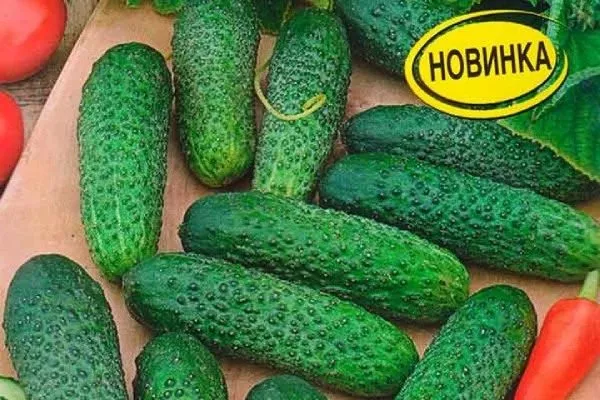
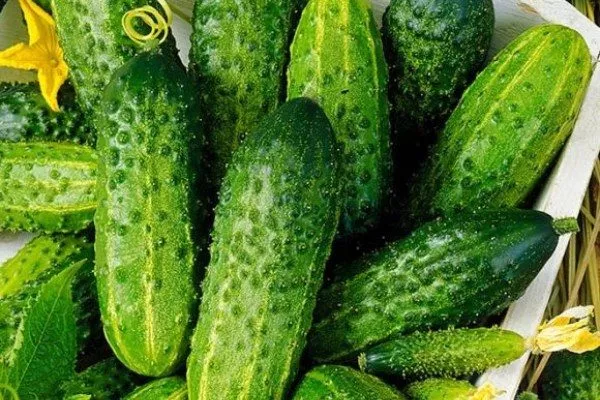
The vegetables have a cylindrical shape, reach 10-12 cm in length, and weigh from 70 to 90 g. They are green in color with short stripes, and the surface is medium-tuberous with white spines.
Purpose and taste
Cucumbers are versatile: they're suitable for both fresh eating and canning. They have excellent flavor: they're juicy, crisp, and have a pleasant cucumber flavor and aroma.
Growing and care
The plant prefers sunny sites with fertile, well-drained soil. The soil should be loose and rich in organic matter.
- ✓ The optimal soil temperature for seed germination should be no lower than +15°C, but no higher than +25°C, to avoid stress on plants.
- ✓ Soil pH should be between 6.0-6.8 to ensure optimal nutrient absorption.
Follow the recommendations:
- In the fall, before planting, add organic fertilizers (humus, compost) and dig up the area.
- Sow seeds directly into the soil or pre-germinate seedlings.
- Place the planting material into the soil when the threat of frost has passed and the soil has warmed up to +15-18°C.
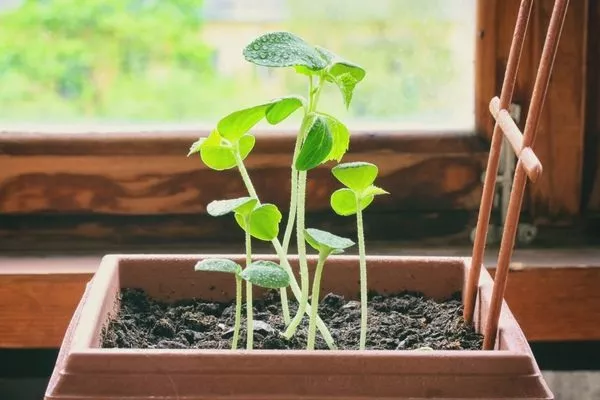
- Start growing seedlings 3-4 weeks before planting. Sow seeds in individual pots at a depth of 1-2 cm.
- The recommended planting pattern is 50-60 cm between plants in a row and 70-90 cm between rows.
- When transplanting seedlings into the ground, be careful not to damage the root system.
Follow simple care procedures:
- Watering. Cucumbers require regular watering, especially during flowering and fruiting. Watering should be even and generous to maintain constant soil moisture, but avoid waterlogging.
Water the plants in the morning or evening, avoiding contact with the leaves to prevent disease development. - Top dressing. Fertilize several times per season. Apply the first fertilizer two weeks after planting. Use complex mineral fertilizers or organic fertilizers, such as mullein infusion or herbal decoction.
During the period of active growth and fruiting, additionally fertilize the plants with potassium and phosphorus compounds.
- Weeding and loosening. Regularly remove weeds around the bushes to prevent them from competing for nutrients and moisture. Periodic loosening of the soil improves oxygen access to the roots and facilitates better penetration of water and fertilizer.
- Formation. To improve yield and ease maintenance, shape the bushes by pinching the tops of the main stem and side shoots. Ensure the cucumbers are evenly distributed across the plant.
- Protection from diseases and pests. Inspect the crop for signs of disease and pests. If necessary, use biological or chemical pesticides.
Preventive measures include crop rotation, removal of affected parts, and the use of plant-safe fungicides and insecticides.
Harvest cucumbers regularly as they ripen to encourage new fruit formation. Avoid damaging the plants when harvesting. The optimal size for harvesting is 10-12 cm, when the vegetables are still juicy and crisp.
.Reviews
Zelenka cucumbers offer a successful combination of abundant yield, excellent flavor, and resistance to adverse conditions. Their ease of cultivation and care make them a favorite among many gardeners. By choosing this hybrid for cultivation, you'll not only enjoy the experience but also be rewarded with high-quality vegetables.