
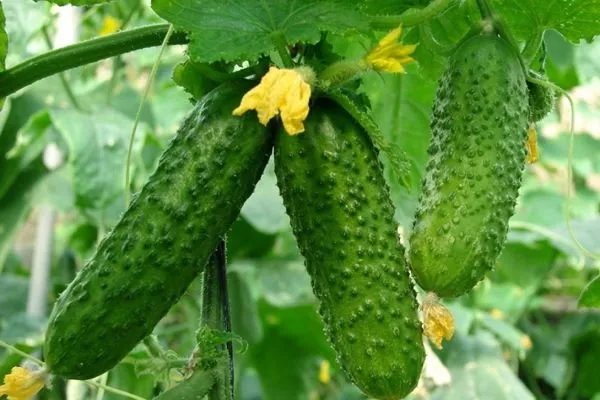
Cucumber Zakuson is a hybrid gherkin (read about the best gherkin varieties) Here) This versatile variety is ideal for creating all kinds of preserves. This variety combines excellent consumer characteristics with ease of care.
Who bred the Zakuson variety?
The Zakuson F1 gherkin is a product of Russian selection. The hybrid was developed by Agrofirm Aelita LLC. Zakuson was approved for cultivation in 2015.
Description of the variety
The Zakuson hybrid plant is indeterminate, with weak branching. The leaves are medium-sized and dark green. The flowering type is predominantly female, with 3-4 flowers per node.
- ✓ The hybrid exhibits increased resistance to temperature fluctuations, making it ideal for regions with unstable climates.
- ✓ It has a high regenerative capacity after damage such as hail or strong wind.
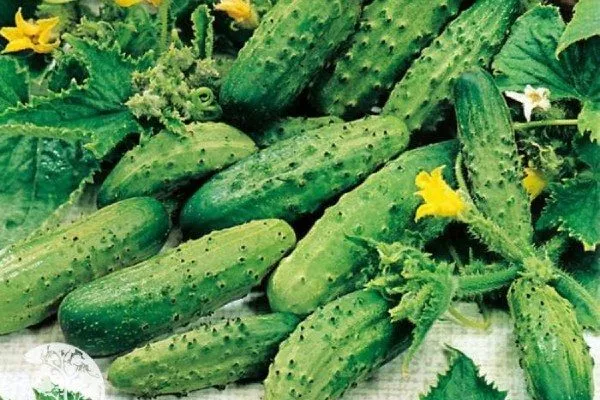
The fruits are cylindrical. They have green skin with long stripes, a finely ridged surface, and white spines. A ripe cucumber is 8-10 cm long. The average weight of a cucumber is 60-80 g.
Taste and purpose
The fruits have juicy, crisp flesh with no voids. The flavor is excellent, with absolutely no trace of bitterness.
Main characteristics
The Zakuson F1 cucumber is a bee-pollinated variety. This ultra-early-ripening hybrid takes 40-45 days from germination to ripening of the first fruits.
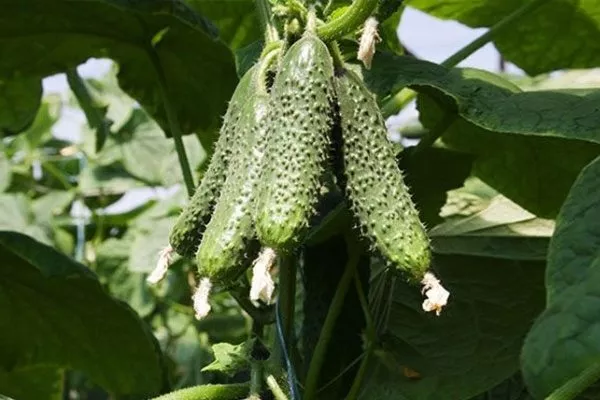
It grows well in any soil, both open and closed. A yield of 11-12 kg can be harvested from 1 square meter.
Pros and cons
It's no wonder that Zakuson gherkins attract the attention of gardeners and pickle lovers. This hybrid variety has many significant advantages, which are worth learning about in advance. Pros:
No shortcomings were found in these domestic gherkins.
Features of landing
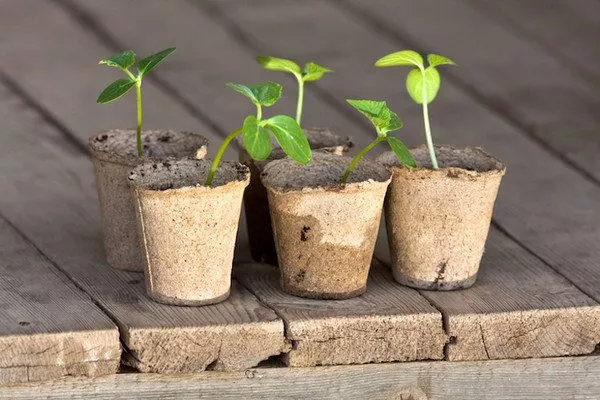
The Zakuson F1 hybrid can be grown in any soil type; it thrives both uncovered and under plastic film, in hotbeds and polycarbonate greenhouses. It can be planted by direct sowing of seeds or from seedlings. The latter are grown for about a month in regular or peat pots.
- ✓ The soil pH level should be strictly within 6.0-6.8 for optimal nutrient absorption.
- ✓ The organic matter content of the soil should be at least 3% to ensure sufficient water-holding capacity.
Landing features:
- The planting area should be warm, well-lit, and not exposed to drafts or strong winds.
- Medium loamy, permeable soils with neutral pH are considered optimal. They should be light and loose. River sand is added to clay soils, and wood ash to acidic soils.
- The plot is prepared in the fall, cleared of plant debris and dug over, adding organic matter, mineral fertilizers, and other components that improve the soil's properties.
- In spring, loosen the soil with a rake and dig holes for seeds or seedlings. Planting begins when the soil and air have warmed sufficiently. Gherkin Zakuson. As a general crop, it loves warmth, so there's no need to rush planting. The soil should be well warmed, at least to 15°C…18°C.
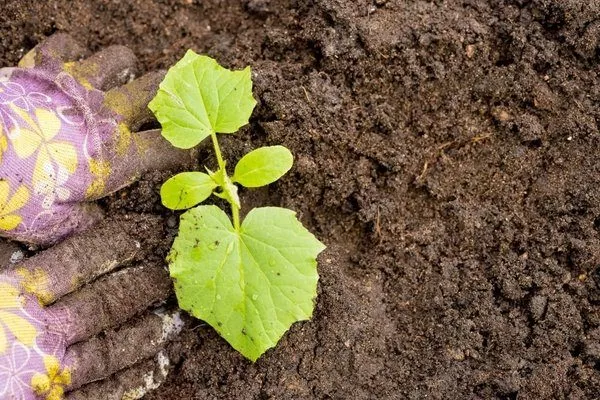
- Four to five plants are planted per square meter in open ground, and two to three bushes in a greenhouse. In greenhouses, plants must be tied to trellises and trained to produce only a single stem, with side shoots pinched at 2 or 3 leaves. The recommended planting pattern is 50 x 40 cm.
- The seedlings are covered with plastic film to provide protection from sudden frosts and cold snaps at night. The covering material also protects the seedlings from direct sunlight.
Caring for cucumbers
The Zakuson F1 hybrid requires standard care; the yield and commercial characteristics of the fruit directly depend on its quality.
Care features:
- Watering. Gherkins are watered regularly, every 2-3 days. The frequency of watering depends on weather conditions. During the fruiting period, gherkins are watered almost daily. Use warm water that has been left to stand for 2-3 days.
Water the cucumbers at the roots. The best time to irrigate is morning or evening. Water should be applied at the roots, avoiding contact with the leaves. If the weather is cool, water the cucumbers after the top layer of soil has dried out.
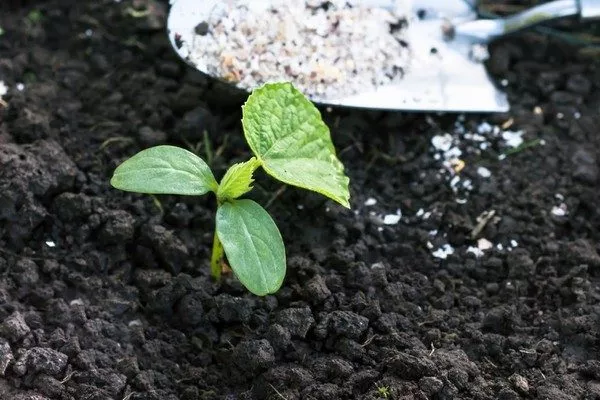
- Top dressing. To ensure long-lasting and abundant fruiting, the plant is fertilized several times during the growing season. Alternating organic and mineral fertilizers can be used, and special water-soluble complex fertilizers are also recommended.
- Loosening. After watering, it's recommended to loosen the soil, but not too deeply to avoid damaging the surface roots of plants. While loosening, weed and remove weeds. It's important to remove weeds promptly, as they not only absorb nutrients from the soil but can also attract insect pests.
- Garter. The plant's stems are regularly tied to trellises, which facilitates care and harvesting. The most convenient method of tying is to use a trellis.
- Mulching. To reduce the need for watering, loosening, and weeding, it's recommended to cover your garden beds with loose organic matter. Examples include sawdust, freshly cut grass, compost, peat, and so on.
Pest and disease control
The Zakuson F1 hybrid is fairly resistant to various diseases. However, if cultivation practices are severely violated, they can be affected by rot (white, gray, and root rot), powdery mildew, and other fungal diseases (read about symptoms and treatment). Here). Timely spraying with Ordan, Fitomycin, etc. helps prevent their appearance.
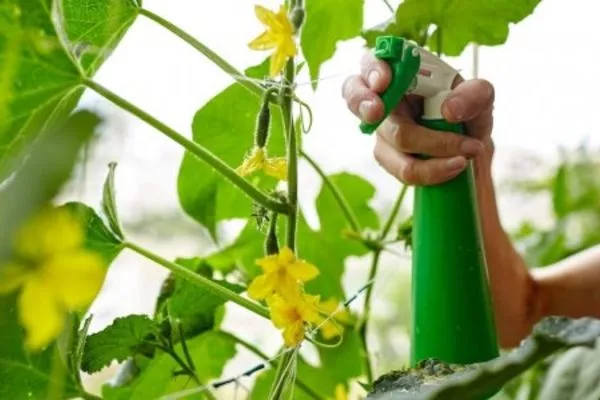
Preventative measures can help prevent the spread of diseases:
- adherence to crop rotation - do not plant cucumbers after melons;
- use of high-quality planting material, disinfected and hardened;
- planting in sufficiently warmed soil;
- compliance with agricultural cultivation techniques, preventive treatment with fungicidal and insecticidal preparations.
Harvesting
Gherkins can be harvested as early as 2-3 days after fruiting. Generally, it's recommended to pick small gherkins at the beginning of fruiting to relieve the roots. The best time to harvest is morning and evening, when the fruits are juiciest and most delicious. Store cucumbers in a cool, dark place, wrapped in cellophane.
Reviews
Zakuson gherkins are the ideal choice for those who enjoy home-canned food and pickled cucumbers. This promising hybrid possesses all the characteristics of an ideal cucumber, is versatile, and is suitable for a wide variety of tasks and conditions.