
"Zakusochny" is the name of a mid-early cucumber variety popular among Russian gardeners. It is prized for its undemanding nature, resistance to viral infections and adverse weather conditions, fruit production, and ideal fruit quality for canning. It is grown in open garden plots and greenhouses.
Introduction to the variety
This vegetable variety is renowned for its stress tolerance. It tolerates sudden temperature drops. It thrives in a variety of climates and adapts to changes. Its bushes are rarely affected by cladosporiosis. They have high yield potential.
Originators
The authorship belongs to domestic breeders:
- Maksimov S. V.;
- Klimenko N. N.;
- Baklanova O. V.;
- Chistyakova L. A.
In 2009, the Zakusochny cucumber was added to the Russian Federation State Register. It is recommended for private and commercial cultivation in the following regions of the country:
- Northern;
- North-West;
- Central;
- Volga-Vyatka;
- Central Black Earth Region;
- North Caucasian;
- Middle Volga;
- Lower Volga;
- Ural;
- West Siberian;
- East Siberian;
- Far Eastern.
External characteristics of the plant and cucumbers
Bushes of this variety are indeterminate. They have the following external characteristics:
- medium degree of branching;
- a powerful main stem of light green color, covered with fluff (requires pinching at the top and tying to a support);
- long shoots (up to 1.5 m);
- good foliage;
- Foliage: green, wrinkled, matte, medium-sized, with pointed, serrated edges.
- ✓ High resistance to sudden temperature changes, making the variety ideal for regions with unstable climates.
- ✓ Ability to adapt to different climatic conditions without loss of yield.
The plants exhibit a mixed flowering pattern. They produce male flowers and numerous female flowers. They require bees for pollination. Without the help of pollinating insects, fruiting does not occur. Each leaf axil produces 3-6 gherkins, gathered in a bunch (bouquet fruiting).
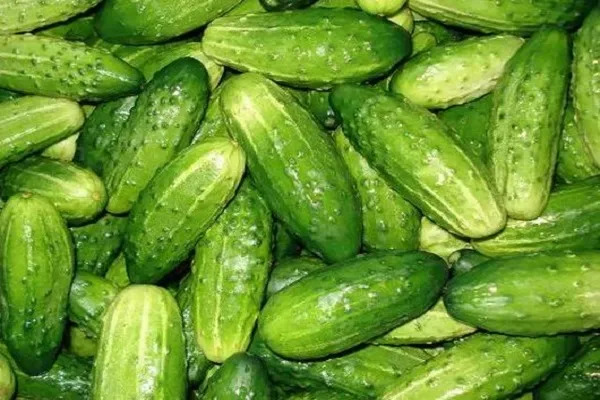
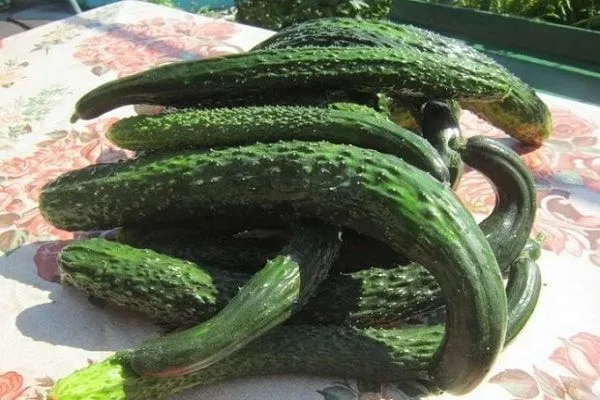
The fruits are distinguished by their small size and marketable appearance. Their characteristics are as follows:
- cylinder shape;
- weight - 90-110 g;
- length indicator - 8-10 cm;
- diameter - 3-4 cm;
- green skin with light stripes, covered with sparsely located large tubercles and black spiny pubescence;
- the skin is firm but not tough;
- The pulp is moderately fleshy, loose, juicy, crispy, and not prone to the formation of voids.
Taste and purpose
The fruits of the Zakusochny variety have excellent flavor. Their flesh is aromatic and juicy, pleasantly sweet with a refreshing note. It's never watery or bland, and it doesn't taste bitter. It has a wonderful crunch.
This variety is ideal for pickling and canning. When pickled, the cucumbers remain firm and retain their shape well, delighting the eater with a vibrant flavor and crunch. They are also eaten fresh and added to various dishes:
- summer salads with tomatoes and spicy herbs;
- vinaigrette;
- Olivier;
- okroshka;
- pickle soup;
- stew;
- sandwiches.
When ripe, the yield
The Zakusochny cucumber harvest matures in 42-45 days after germination. Gardeners harvest the first cucumbers in early July. They ripen uniformly and abundantly. Fruiting continues for a long time (July-August).
On average, 1 square meter of vegetable planting yields 5.2 kg. With enhanced agricultural practices and intensive fertilizer application, this figure increases significantly. The maximum yield is 20 kg per square meter. The fruits are shelf-stable and tolerate long-distance transportation well.
Timing and features of cultivation
This variety is suitable for cultivation in both open and protected ground. It is best grown vertically, secured to a trellis. Gardeners do this either by using seedlings or by direct sowing of seeds into the garden soil. The following timing is observed:
- April - sow seeds to obtain seedling bushes;
- end of May-beginning of June – transfer of seedlings to an open bed or greenhouse;
- second half of May – sowing seeds in unprotected soil (in regions with unstable weather, it is preferable to do this at the beginning of summer).
Select a suitable plot in your garden to grow the Zakusochny cucumber. It must meet the following requirements:
- be on the sunny side;
- be windless;
- with soil that retains moisture well, not too light, rich in humus, characterized by neutral acidity, loam or sandy loam.
- ✓ Soil pH should be between 6.0-7.0 for optimal nutrient absorption.
- ✓ The soil organic matter content should be at least 3% to ensure good structure and water holding capacity.
Prepare it for planting green pimply vegetables in the fall by following these steps:
- digging the soil to a depth of 30 cm;
- clearing of weeds and plant debris;
- adding compost (consumption rate: 8-16 kg per 1 sq. m);
- enrichment of soil with wood ash (consumption - 250 g per 1 sq. m).
Growing and transplanting seedlings
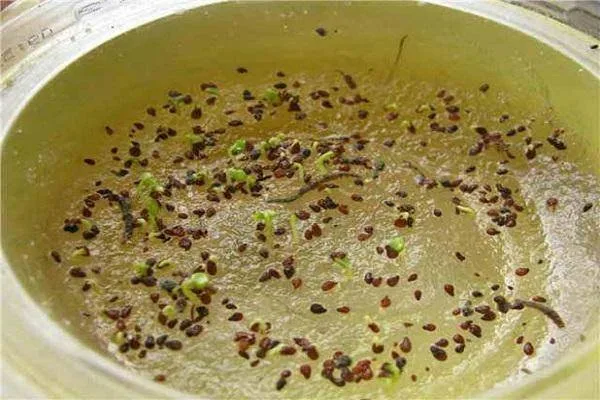
Sow the Zakusochny seeds for seedlings 30 days before you plan to transplant them to the garden. Use individual cups (or peat pots) and a general-purpose potting mix purchased at a flower shop to grow the seedlings. Plant the seeds to a depth of 1.5-2 cm.
Keep the seedlings warm (25°C), covering them with plastic wrap or a damp cloth. The location should be dry and dark. After 7 days, sprouts will appear. Transfer the container to a sunny windowsill. Reduce the room temperature to 15-19°C.
Plant seedlings in the garden under the following conditions:
- warm weather has set in;
- the threat of recurrent frosts has passed;
- the earth warmed up to +15°C.
Planting cucumber seeds in open ground
Don't sow varietal cucumber seeds outdoors until the second half of May. Wait until the garden soil warms up and the temperature reaches 15-16°C.
Make holes in the soil, following a 60 x 30 cm pattern. The planting hole should be up to 3 cm deep. Place two seeds in each hole. The weaker seedlings will need to be removed later. Place the seeds shallowly, up to 2 cm deep. Water the plantings and cover with plastic wrap to protect them from the cold and retain soil moisture.
Further care
Care for your Zakusochny vegetable variety properly to maintain healthy plants and produce a bountiful harvest of juicy, delicious fruit. Cucumber bushes require the following care:
- watering;
- application of fertilizers;
- loosening;
- weeding;
- garter to a support;
- formation of bushes.
Irrigation regime
To achieve maximum yield, provide favorable conditions for the plants in the garden:
- relative air humidity is 90-95%;
- soil moisture - 85-90%.
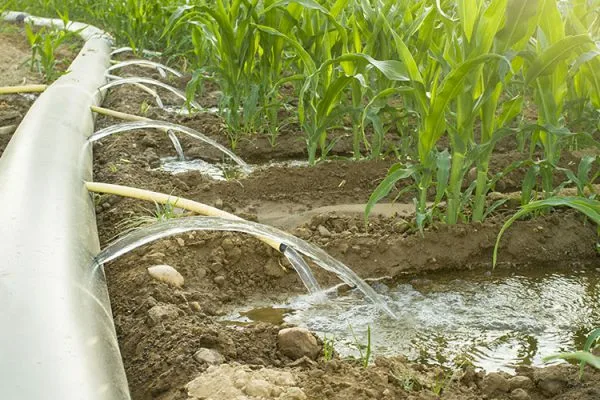
Water your cucumber plants regularly, preventing the soil from drying out. Water in the late afternoon. Use settled, sun-warmed water. To prevent root rot, water sparingly during the early stages of plant development. Water more generously during the fruiting season.
Follow the watering guidelines for cucumbers:
- twice a week, using 4-5 liters of water per 1 sq. m - the beginning of flowering;
- three times a week, using 8-12 liters per 1 sq. m. - the period of formation of fruit ovaries.
Loosening and weeding
Follow the rules for performing these mandatory care procedures:
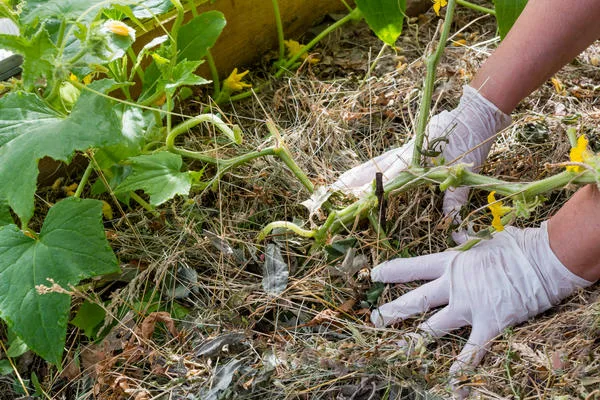
- Loosen the soil under the bushes after rain or watering to improve the air and moisture permeability of the soil;
- cultivate the soil carefully and shallowly (loosening depth - up to 5 cm) to avoid damaging the roots;
- do not allow a dense soil crust to form on the soil surface;
- combine loosening with weeding;
- Remove weeds as they grow, preventing them from interfering with the proper development of vegetable crops.
Formation of whips and tying
When growing this variety in a greenhouse, secure the cucumber vines to a trellis. In open ground, tall plants such as sunflowers or corn can be used as support.
You can also form the Zakusochny cucumber bushes, adhering to the standard scheme for bee-pollinated varieties:
- remove inflorescences, tendrils and lateral shoots up to 3-4 leaves;
- cut off the top above the 6th leaf;
- leave 4 ovaries on each shoot;
- Remove all diseased, deformed and damaged leaves.
Fertilizing
Vegetable crops require nutrients such as nitrogen, potassium, phosphorus, calcium, and boron for proper development and a good harvest. These nutrients are found in organic and mineral fertilizers. Combine fertilization with watering.
Use the following nutritional formulations:
- from organic ones, give preference to a solution of mullein (1:10), wood ash;
- From minerals, use ammonium sulfate (35 g per 10 l of water), superphosphate (30 g), potassium salt (15 g).
Diseases and pests
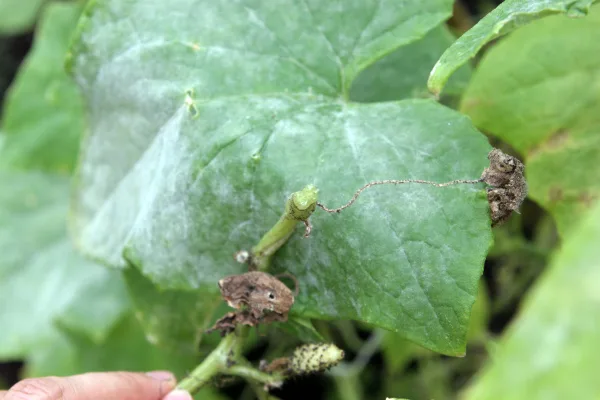
This variety exhibits good resistance to downy mildew and olive leaf spot. When grown in unfavorable conditions, its bushes are susceptible to the following diseases:
- fungal infections (anthracnose, ascochytosis, sclerotinia, root rot, powdery mildew, downy mildew and others);
- bacterial and viral diseases such as common or green mosaic, angular spot.
If agricultural practices are not followed, cucumber plantings are also at risk from pests:
- melon aphid;
- black flea;
- whitefly;
- spider mites and others.
Preventative measures will help you prevent Zakushochny bushes from becoming diseased and infested by parasites:
- harvest your crops on time;
- remove dried leaves;
- disinfect the pruning shears;
- use high-quality seeds, treat them before planting;
- carry out preventative spraying of the garden bed using biological preparations or folk remedies such as tobacco infusion, onion or garlic decoction;
- Control pests using insecticides.
Positive and negative qualities
The Zakusochny variety has won the hearts and trust of domestic gardeners thanks to its reliability and consistently high yields. It is also renowned for other positive characteristics:
The need for bees to pollinate the bushes is the only drawback of the crop.
Reviews of the Zakusochny cucumber
The Zakusochny cucumber is an early-ripening, high-yielding variety whose bushes are pollinated by bees. It is successfully cultivated in virtually all regions of the country, both outdoors and indoors. Its harvest is renowned for its marketable appearance and excellent consumer qualities. The tasty and crisp fruits are the best choice for canning for the winter.