
Vyuga F1 is a popular first-generation hybrid cucumber among domestic gardeners. It is adapted to farming in cool climates. areas with a shortened summer season (read about the best varieties for Siberia here)The hybrid is resistant to low temperatures and is not afraid of short-term frosts.
Variety information
Among the important qualities of Vyuga are its generous yield, excellent marketability, and excellent flavor. The variety boasts strong immunity and is rarely susceptible to cucumber diseases.
Originators
This hybrid was developed in St. Petersburg as a hardy, compact, and ultra-early variety with a relatively modest crown. This cucumber is suitable for both open ground and temporary plastic shelters.
External indicators
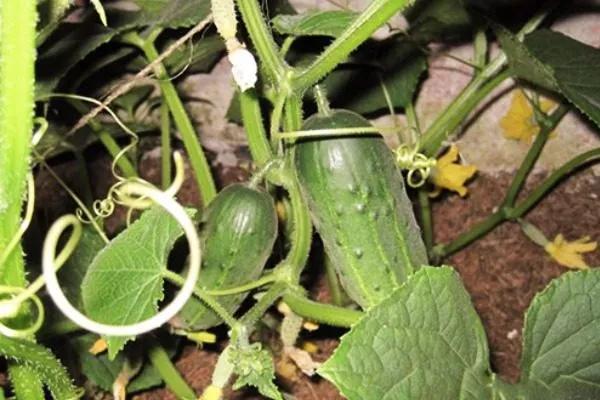
An indeterminate bush is characterized by weak branching. Lateral shoots develop slowly, so side shoots are removed infrequently.
This is a striking example of parthenocarpic plants, which produce only female buds, so the plants do not require pollination, even with the help of bees.
- ✓ Resistance to short-term frosts.
- ✓ Formation of ovaries in each leaf axil.
Please pay attention to the main varietal characteristics:
- leaves are medium-sized, green, slightly wrinkled and with characteristic pubescence;
- the buds are small, white-yellow, and formed in bunches;
- each bunch forms up to 5 ovaries;
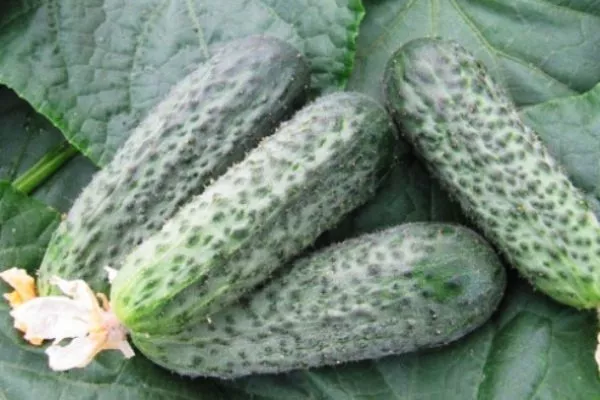
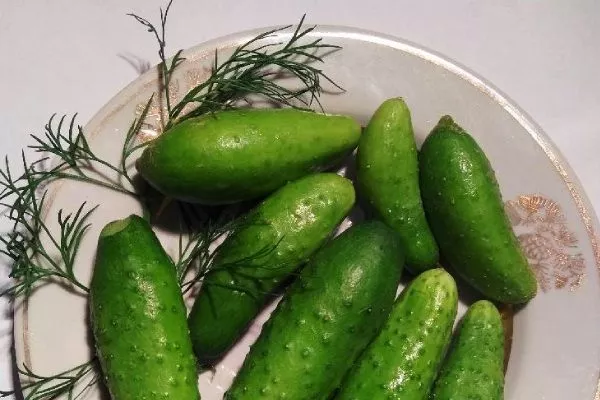
- The fruits grow to a maximum length of 8 cm, so Vyuga belongs to gherkins;
- cylindrical shape, slightly elongated;
- fruit weight 60-76 g;
- the skin is rich green with medium-length stripes of a lighter shade;
- on the surface there are rare tubercles with a small whitish pubescence in the form of thorns;
- the pulp is tender, juicy, and crisp.
Taste and purpose
The taste is not bitter, and the sweetness is moderate. A drawback is that the fruit may develop empty spaces. Cucumbers are versatile—they are good fresh, in salads, and in all types of preserves.
When it ripens, the yield
This is an early variety. Fruiting begins 38-40 days after the primary shoots appear. According to some reports, the fruit can be harvested as early as 35-37 days.
The yield is abundant: 15-16 kg of gherkins can be harvested from 1 square meter. When grown in open ground, 7-10 kg are harvested per square meter, and in greenhouses, 12-17 kg (subject to proper agricultural practices).
Positive and negative qualities
Among the variety's main advantages are its attractive appearance and pleasant taste. Its high productivity is unaffected by weather conditions, allowing cultivation even in the most unfavorable climates.
The peel's excellent properties and density ensure long-term storage without spoilage, and also allow for long-distance transportation of the harvest. Other advantages:
The variety has no drawbacks. It's important to strictly follow the cultivation recommendations, as germination and fertility directly depend on them.
How to grow it yourself?
This hybrid variety can be grown in a wide variety of conditions, including greenhouses, temporarily covered beds, and open garden beds. These cucumbers are suitable for both seedling and sowing methods.
Preparatory activities
Before you begin cultivating your garden beds, you need to choose the right location. Sunny areas protected from strong winds are ideal. Pay particular attention to the soil's acidity and fertility. The preparatory process is as follows:
- In autumn, clear the area of plant debris and dig in manure to a depth of 15 cm.
- In spring, loosen the soil so that it warms up faster and you can begin planting.
Vegetable growers note that when growing the Vyuga variety in the garden, it's best to cover the beds with a thick film after loosening them. This promotes rapid warming not only of the surface but also of the depths to maintain an optimal temperature.
Germination of seeds
The first thing to do is disinfect the seed with a potassium permanganate solution. If the variety is intended for outdoor cultivation, it should be hardened off first:
- immerse the seeds in hot water for 2-3 minutes;
- immediately transfer to cold water for the same time.
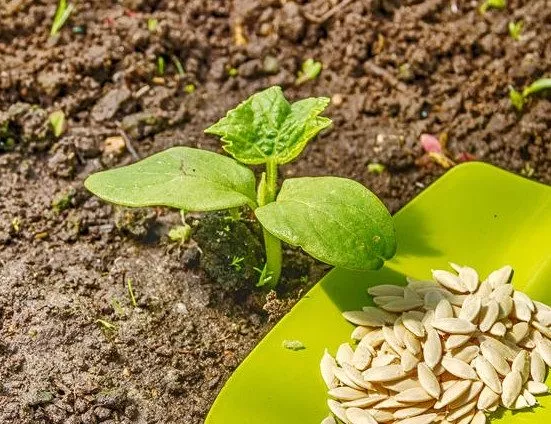
To germinate cucumber seeds, wrap them in cheesecloth and thoroughly moisten them. Place the damp cloth in a warm place and keep it there until the sprouts appear.
- ✓ Optimum soil temperature for seed germination: 26-28°C.
- ✓ Required seeding depth: 1.5-2 cm.
Planting seedlings
Sow the seeds in fertile soil using small peat pots. Plant them no more than 1.5-2 cm deep. Afterward, spray the surface with warm water using a spray bottle, and place the pots in a well-lit area with a temperature of -26-28°C (-80-82°F). Once sprouts appear, reduce the temperature to 22-23°C (72-73°F).
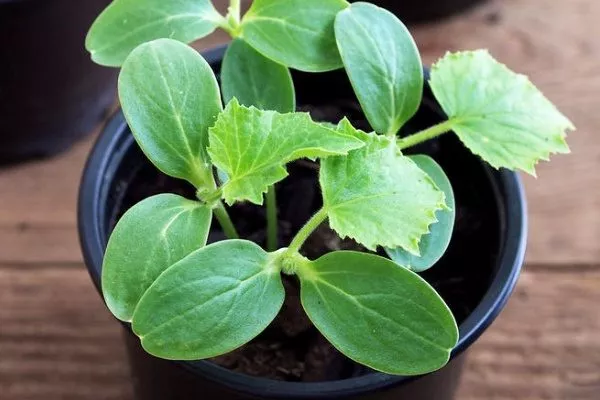
Transplant to a permanent location when the soil temperature is at least 14-16 degrees Celsius. To ensure cucumbers take root well, follow these steps:
- Dig holes 7-9 cm deep according to the pattern 50-60x70-80 cm.
- Place a small layer of rotted manure at the bottom of each hole or plant the seedlings in the standard way.
After transplanting, water the beds generously with warm water and cover the plantings with a thick film, which should not be removed until stable, favorable weather sets in.
Creating a warm bed – features
In cold regions, the optimal solution is to create a warm bed. Its total height should be 120-150 cm, with the hole being 45-55 cm deep.
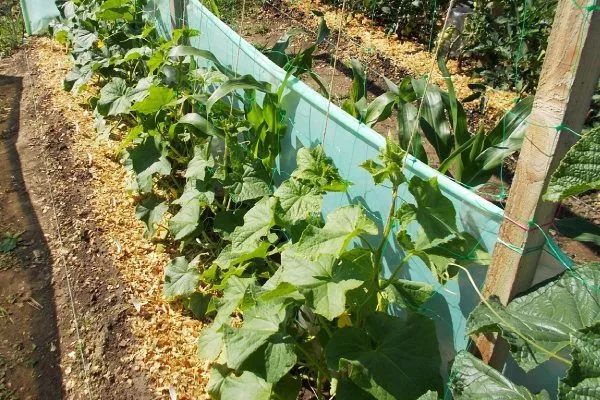
The bed consists of several layers:
- Place large, slowly decomposing plant debris on the bottom: thick branches, roots from uprooted tree stumps. You can also add paper and old cotton or woolen clothing.
- The next layer is cut paper, cardboard, and wood shavings.
- Next, add kitchen scraps: fruit or vegetable peelings, tops of cultivated plants, and crushed eggshells. You can also use small plant waste from the garden, such as fallen leaves, grass clippings, or weeds.
- Then form a compost layer.
- And add garden soil.
Care methods
Of course, agricultural practices play a key role in farming any crop. Cultivating the Vyuga f1 variety requires standard procedures: watering, weeding, and fertilizing cucumbers.
Watering
Cucumbers of this variety require regular and moderate watering. This is done with warm water heated by the sun. Typically, the water temperature should match the soil temperature in the beds.
Every 10-15 days after watering, it is recommended to weed the soil around the bushes to avoid the formation of a dense layer and to ensure the plant roots have access to the necessary amount of oxygen and moisture.
Top dressing
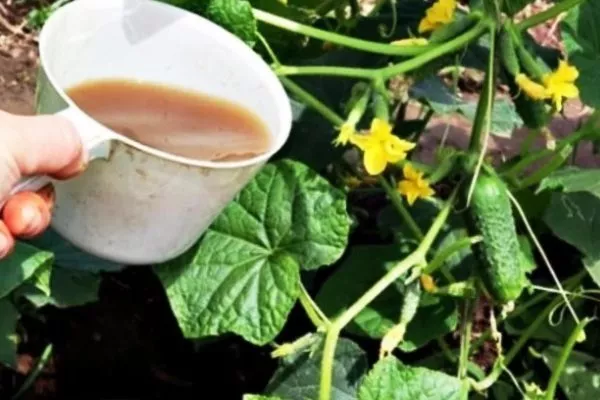
Since this variety is often grown in northern regions, cucumber beds require fertilizing, especially with superphosphate and potassium salt. These components increase the soil's nutritional value and promote healthy fruit development. Fertilize only in the evening.
Diseases and pests
Although hybrids are genetically protected from many fungal infections, if not properly cared for, they may develop the following problems:
- Root rot – This is a serious disease with clearly visible lesions. The first sign of its appearance is wilting of the foliage. If you notice this symptom, inspect the plant's root system. To do this, gently brush away the soil around the trunk and check its condition.
Another sign of the disease's progression is thinning of the stem and the appearance of small cracks. To combat root rot, buy Gamair, Alirin-B, or Previkur. - Cladosporiosis - A fungal disease that manifests itself as small, sometimes barely noticeable, ulcers on the fruit. Hybrids affected by this disease almost always experience reduced yields. The fungus itself develops slowly, but with uneven and excessive watering, it can quickly become active.
Strong winds also promote its spread. To combat Cladosporiosis, temporarily stop watering and, if possible, increase the temperature in the greenhouse or garden bed by covering the bushes with a covering material. This will help the soil dry out. Then treat the bed with Oxychom. - Wet rot – A rare but extremely dangerous disease. It occurs due to improper seed preparation before germination or sowing. Most often, the problem lies in damaged planting material. The fungus begins to develop immediately after the seed has germinated. However, it is impossible to detect soft rot in a bush until fruiting begins.
The disease manifests itself as small green spots that spread throughout the bush and develop into necroses. The stem darkens and wilts. To prevent the fungus, spray the beds with Hom or Previkur.
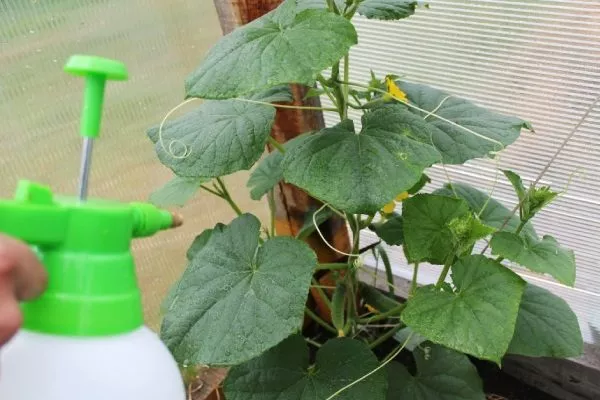
If preventative measures are followed, the variety will not become diseased. Follow these guidelines:
- Provide sufficient sun and stable warm temperatures.
- In cloudy summers, it is useful to spray the green mass with solutions of mineral fertilizers.
- Regularly and promptly moisten the soil in the trunk area, but at the same time, categorically do not allow liquid to stagnate around the roots.
- Follow crop rotation requirements: sow cucumbers in the same place no sooner than 4 years later.
- After harvesting and cleaning plants, disinfect greenhouses and structures with a formalin solution. Before planting, treat the walls, ceiling, floor, ground, and all structures containing tools with any antiseptic.
Harvesting and storage
Harvesting of Vyuga f1 vegetables begins 40 days after the first shoots emerge. It is recommended to harvest cucumbers every three or even two days to prevent the formed gherkins from interfering with the development of new ovaries.
It's best to store the harvest in cool rooms at temperatures between 3 and 5 degrees Celsius. For this purpose, use boxes with small holes to allow oxygen access for ventilation.
Reviews
The Vyuga cucumber is very popular among Russian gardeners due to its excellent gherkin flavor, low maintenance, and resistance to adverse conditions. This variety demonstrates excellent germination, and when using rooting stimulants, sprouts appear in 4-5 days.