
The Vyaznikovsky 37 cucumber is a true classic of Russian vegetable growing, deservedly popular among gardeners for many years. This variety is characterized by early ripening, good productivity, and low maintenance, making it an ideal choice even for beginners. Proper agricultural practices are essential for bountiful harvests.
Introduction to the variety
When choosing cucumbers, vegetable growers consider their resistance to adverse conditions and diseases, yield, and other qualities. Vyaznikovsky 37 is an excellent variety, producing high-quality early harvests. It possesses numerous characteristics for which it is prized.
Originators
It was developed by Russian breeders in the 19th century and became widespread in Vladimir and the Moscow region. It was officially approved for use in 1943.
External characteristics of bushes
The bush is medium-sized, with a main stem 100-160 cm long. The shoots are covered with large, non-wrinkled leaves, a rich green hue.
Fruit characteristics
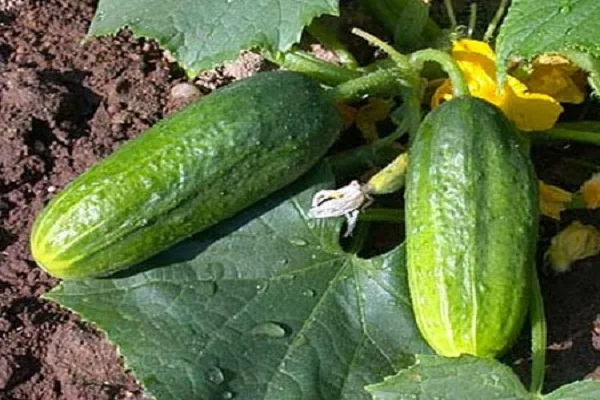
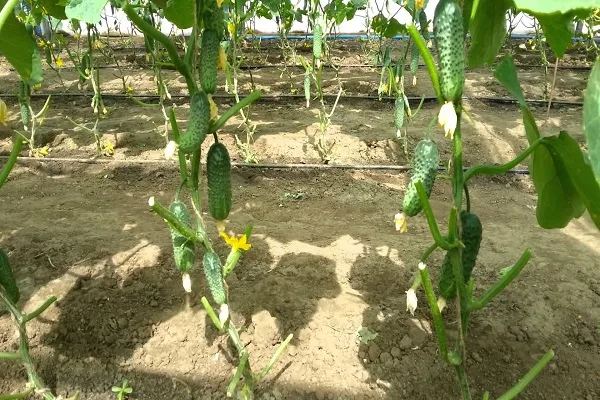
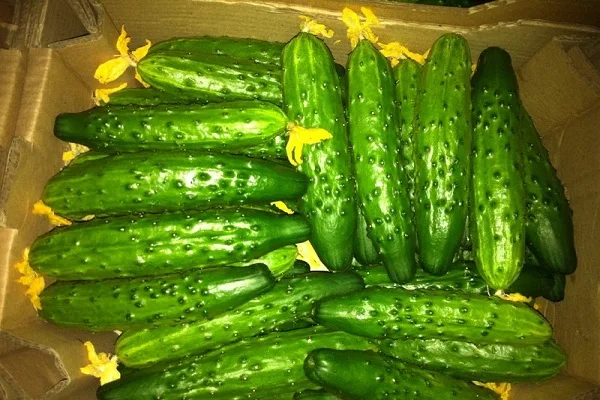
The cucumbers are elongated-ovoid, 10-14 cm long and 4-5 cm in diameter, weighing 100-140 g, and light green in color. The surface of the vegetables is finely tuberculate, with black spines.
Taste and purpose
The flesh is juicy, with an excellent flavor and aroma. These vegetables are suitable for fresh consumption, canning, and pickling.
Composition, benefits
Fruits contain many beneficial substances. They are rich in water (up to 95%), which helps maintain fluid balance in the body and has a diuretic effect. Vegetables contain vitamins C and K, as well as B vitamins, which support the immune system, promote wound healing, and improve metabolism.
It contains potassium, which is important for maintaining normal blood pressure and heart function. Magnesium and calcium help strengthen bones.
They are rich in antioxidants (flavonoids and tannins), which help protect cells from damage and may reduce the risk of chronic diseases. Furthermore, cucumbers are low in calories and contain fiber, which helps improve digestion and maintain normal blood sugar levels.
When it ripens and the yield
This is an early-ripening variety. Seeds are sown in early May, and plants are transplanted into open ground or a greenhouse in early June. The period from germination to fruit ripening is 40-55 days.
Regionalism
The crop easily adapts to changing weather conditions and tolerates temperature fluctuations. It is successfully cultivated in the north, northwest, and central parts of the country.
It grows in garden plots in the Volga-Vyatka and Middle Volga regions, and in the difficult conditions of the Urals, Western and Eastern Siberia.
Planting cucumbers
Gardeners plant the crop in open ground. Begin planting when the danger of frost has passed and the soil has warmed sufficiently. The optimal soil temperature for sowing seeds is 13-15°C. Lower temperatures can be harmful to the seeds; if they emerge, seedlings may fail to emerge.
- ✓ The optimal soil temperature for seed germination should be no lower than +13°C, but no higher than +15°C, to avoid the death of the embryo.
- ✓ To prevent diseases, it is necessary to ensure air circulation around the plants, avoiding dense plantings.
Rules
Depending on the sowing method, it's important to keep a few things in mind. Follow these recommendations:
- Direct sowing into garden beds begins in mid-May. You can sow earlier, but only if the air temperature is around 15°C and the soil has warmed to 10–12°C.
- The seedling method involves sowing seeds in mid-April to allow the seedlings to grow before planting them in their permanent location. This method allows for an early harvest 10-14 days and extends the fruiting period.
- Grow seedlings both on a windowsill and in a greenhouse. For indoor growing, use cups or peat pots. In this case, transplant using the soil-filled method to prevent root damage.
To speed up germination and increase seed resistance, use the following procedures:
- Soak the seeds for 50-60 minutes in warm water with a few drops of aloe vera juice to stimulate germination and disinfect. Keep the seeds at 20°C for 24 hours.
- To disinfect the seeds, place them for an hour in a garlic infusion (30 g per 100 ml of water) or in a slightly pink solution of potassium permanganate.
- To increase stress resistance, keep the seeds on the bottom shelf of the refrigerator in a damp cloth for 1-2 days.
Purchased seeds with a colored shell do not require additional processing before planting.
Seed and seedling method
The sowing process in prepared containers involves several steps. Follow these recommendations:
- Pour a layer of sawdust up to 2 cm thick onto the bottom of the containers.
- Prepare a mixture of equal parts humus and peat, adding 400 g of wood ash and 50 g of superphosphate per 10 liters of mixture.
- Fill the containers with soil mixture, leaving 2 cm to the top.
- Place the seeds (2 per cup) to a depth of 1 cm.
- Moisten the crops with warm water and cover with film to create greenhouse conditions.
Maintain the room temperature at +22…+26°C until germination.
After the seedlings appear, follow these steps:
- Reduce temperature to +20°C.
- Provide additional lighting to prevent seedlings from stretching (for example, using a fluorescent lamp).
- Add soil as the stem grows to encourage additional roots to form.
Do not over-water, maintaining moderate soil moisture.
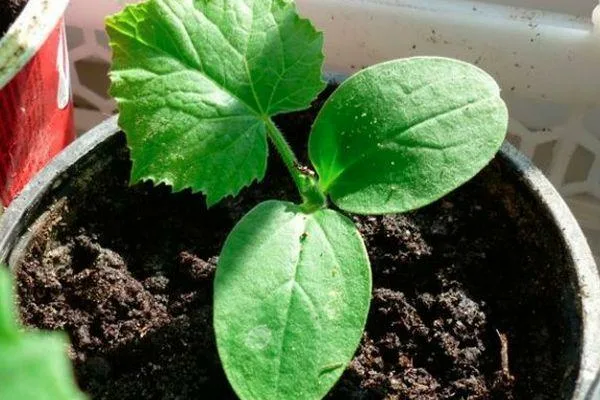
When transplanting seedlings, follow these rules:
- The seedlings should have about 4 true leaves.
- Transplant in the evening or in cloudy weather.
- Leave a distance of about 30 cm between holes, and up to 45-50 cm between rows.
- Plant the seedlings a little deeper in the soil than they were previously growing to encourage additional root growth.
- Water well and mulch the plantings (use hay, straw or chopped grass, mulch layer at least 3 cm).
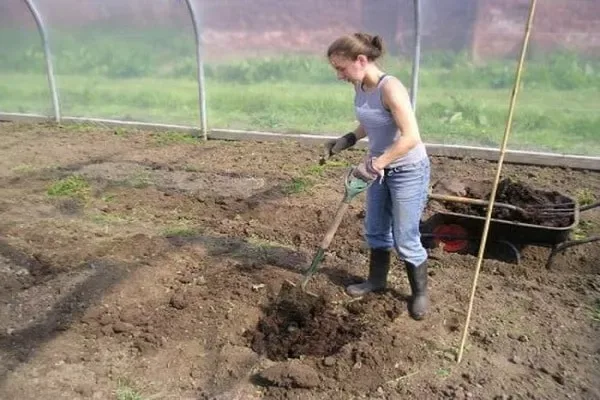
When direct sowing into beds, consider the following conditions:
- The place should be well lit.
- Prefer fertile, light, humus-rich soils. Add sand to heavy soil (about 5 kg per square meter).
- Cover the seeds with a layer of soil no more than 3 cm thick.
- The distance between plants is the same as with the seedling method.
- The best predecessors are tomatoes, potatoes or legumes.
- In the fall, add 10-20 kg of manure per 1 sq. m to the planting area.
Sowing should be carried out in early May, installing arches and covering with lutrasil for protection.
Growing and care
This variety is easy to care for and suitable for beginners in vegetable gardening. It can be grown either spread out or tied to a support. The cultivation techniques are standard, but it's important to keep in mind that this plant does not tolerate drought well, so regular watering is essential.
Watering
Keep the soil between rows slightly moist. Water the plants in the evening, avoiding contact with the leaves. During hot periods, water the plants both morning and evening, but avoid overwatering.
Top dressing
Start fertilizing after two true leaves appear. The first application should contain nitrogen: prepare a solution of 50 g of urea per 10 liters of water.
The next feeding focuses on providing the plant with phosphorus and potassium. To do this, prepare a nutrient mixture of superphosphate, potassium salt, and urea in a 4:2:1 ratio. Subsequently, use similar mixtures, adjusting the phosphorus and potassium concentrations.
Formation of bushes
This procedure stimulates the growth of lateral shoots and increases the number of female ovaries. Pinch the central shoot above the fifth leaf.
Possible difficulties
When growing Vyaznikovsky cucumbers, if there's a shortage of ovaries, farmers attract bees to improve pollination. To do this, plant honey-producing flowers near the beds or install waterers filled with a sweet nutrient solution.
Resistance to diseases and pests
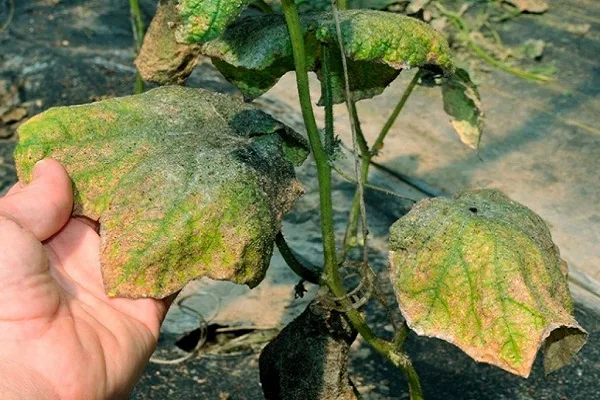
Vyaznikovsky 37 has a strong immune system and is resistant to powdery mildew and bacterial rot. However, it can be affected by the following diseases:
- Peronosporosis. This is accompanied by the appearance of yellow spots on the leaves. Use Ridomil and Ordan to treat the bushes.
- White rot. A white coating is forming on the plant. Sprinkle the bushes with crushed chalk or treat with a copper sulfate solution (5 g per 1 liter). Remove the affected parts.
- Anthracnose. It appears as yellow spots on the leaves, which eventually develop into ulcers. To combat the disease, use a 1% Bordeaux mixture solution or a copper oxychloride solution (40 g per 10 l).
Melon aphids are a prominent pest that can attack this variety. They infest the undersides of leaves, flowers, and cucumbers, leading to the death of the entire plant. Spray with an ash solution: mix 200 g with 50 g of laundry soap in 10 liters of water. For severe infestations, use Inta-Vir.
To prevent this, remove yellowed and old leaves, promptly remove affected bushes from the garden bed, promptly remove weeds and do not overplant.
Harvesting and storage
Harvest the greens every other day, following certain guidelines. Follow these recommendations:
- Remove fruits with a hooked or misshapen shape immediately so that they do not interfere with the development of quality vegetables.
- Cut the greens with pruning shears or scissors so as not to damage the shoots.
- Leave the stalk on the bush.
- The optimal time for harvesting is early morning or late evening, when the vegetables are most juicy and delicious.
Storing vegetables for a long time is not recommended, as this can impair their flavor. Use them within 3-4 days. Cucumbers are especially delicious when pickled or salted, and are perfect for a variety of salads. The optimal storage temperature is 6 to 8°C with a humidity of approximately 90%.
Positive and negative qualities
Vyaznikovsky 37 has no significant shortcomings.
Reviews
Vyaznikovsky 37 is a time-tested variety that combines ease of cultivation, disease resistance, and excellent flavor. It has long been a favorite among gardeners across the country for its ability to adapt to a variety of climates and produce a bountiful harvest. The key is to follow simple cultivation practices.