
The Vyatsky cucumber is a hybrid variety with excellent characteristics that are truly admirable. This cucumber is extremely hardy, productive, and produces fruit even in the most unfavorable conditions.
Description of the Vyatka variety
The plant is indeterminate (without growth restrictions) and has medium branching. The leaves are green, medium-sized, and heart-shaped. The flowering type is female. The central shoot reaches 2.5 m in length. One to two cluster-shaped ovaries form at the nodes. The stem is 1.5 cm thick.
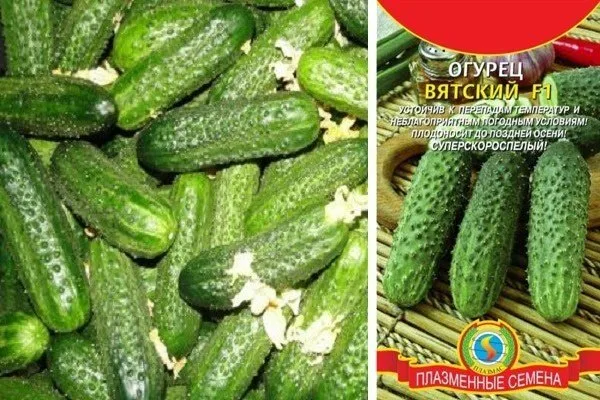
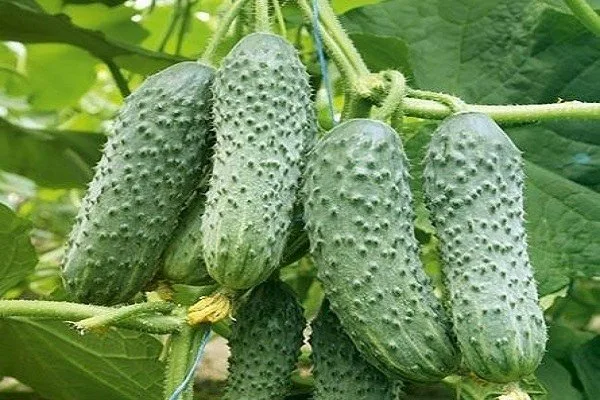
The fruits are elongated, cylindrical, and reach 12-14 cm in length. The diameter is 3.5-4 cm. They weigh up to 140 g. The cucumbers are bright green with short stripes, a bumpy, slightly ribbed surface, and white spines.
History of creation
The Vyatskiy hybrid was developed by a group of Russian breeders. Its authors are V.M. Motov, N.K. Biryukova, and V.A. Erdyakova. The variety was approved for cultivation in 2007.
Taste and purpose
The fruit has a pleasant, non-bitter flavor, and the flesh is juicy and smooth. Even the skin is not bitter. The flavor has slightly sweet notes, and the aroma is rich and very pleasant, fresh, and cucumber-like.
- ✓ The variety has high resistance to cucumber mosaic virus, which reduces the need for chemical treatments.
- ✓ The fruits retain a crisp texture after heat treatment, making them ideal for canning.
Vyatka cucumbers are widely used for canning. Their flesh remains crisp and firm even after cooking. This variety is ideal for pickling, marinating, and salads.
Characteristics
The Vyatskiy cucumber is an early-ripening variety. It takes just 35 days from germination to fruiting. This parthenocarpic variety is characterized by a medium yield, with up to 12.5 kg harvested per square meter. Fruiting is spread out over time, beginning in late June, and the last cucumbers are harvested in the fall.
Pros and cons
Before planting the Vyatsky variety, familiarize yourself with its advantages and disadvantages. This will help you determine whether this cucumber is suitable for your garden and needs.
Advantages:
Flaws:
Planting the Vyatka variety
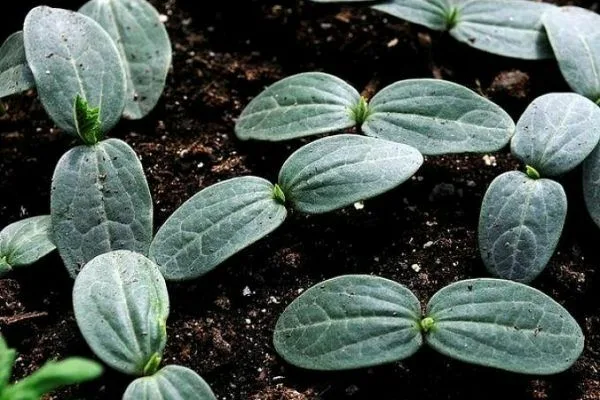
The Vyatka variety, like most cucumbers, can be grown in two ways: by sowing directly into open ground or by first growing seedlings.
- ✓ The optimal soil temperature for sowing Vyatsky cucumber seeds should be at least +15°C.
- ✓ To prevent root rot, ensure good soil drainage and avoid overwatering.
Landing features:
- Before sowing, the seeds are sorted and any low-quality ones are discarded. To do this, they are immersed in a salt solution (2 tablespoons per 1 liter of water). Any seeds that float to the surface are discarded as they are not viable. The seeds are then treated with a potassium permanganate solution. The final stage of preparation is germination in a moistened cloth.
- For planting, choose a flat and well-lit area, protected from drafts, without stagnant moisture.
- The soil is prepared in the fall by clearing away plant debris and digging it up to the depth of a spade. Organic matter and mineral fertilizers are added during the digging process.
- Half an hour before planting cucumbers, prepare 3-cm-deep holes, moisten them, and cover them with a thin layer of soil. Planting pattern: 15 x 100 cm.
Care Features
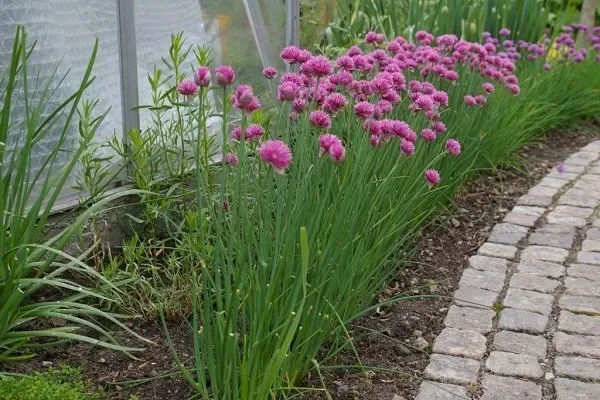
To produce large, tasty cucumbers in large quantities, regular care is required. This variety is very moisture-loving and requires ample watering. It also requires fertilizing, weeding, and other maintenance as required by the crop's cultivation practices.
Care features:
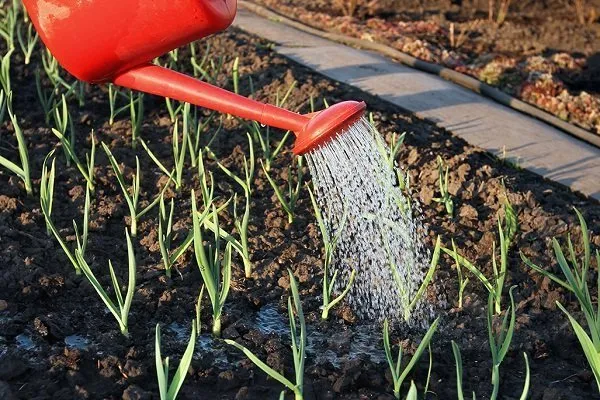
- Water the beds every three days. This is during normal weather; in hot weather, watering becomes more frequent. The best times for watering are morning and evening. When the plants are flowering and fruiting, watering can be increased to once a day.
- Regularly loosen the beds and weed. Roots require a lot of oxygen, so a hard soil crust must be prevented. Preventing the spread of weeds is crucial, as they can spread not only insect pests but also viral diseases.
- The bushes require timely fertilization, especially during flowering and fruit formation. Fertilize the Vyatka cucumber every 10 days. Fertilization is combined with watering.
Pest and disease control
The Vyatskiy variety exhibits good resistance to cucumber mosaic virus and powdery mildew, but it is tolerant to root rot and brown olive spot (cladosporiosis). For prevention, plants are sprayed with Pervikur and other fungicides, and various solutions and infusions (onion peel, wood ash, etc.) are applied to the roots.
Among the pests most dangerous to the Vyatsky variety are aphids and whiteflies. Trichodermin and other insecticides are used to control them, and various folk remedies are also used for minor infestations.
How to harvest?
Cucumbers are harvested every 1-2 days. Longer harvest intervals cause the fruits to overgrow. Firstly, they are unsuitable for eating or canning, and secondly, they draw the plant's juices, reducing the overall yield. Cucumbers are stored in the bottom drawer of the refrigerator for up to 2 weeks. However, they are usually used immediately—eaten, sold at the market, or processed.
Reviews
The Vyatsky cucumber is a promising variety with very good characteristics. Its main advantage is the combination of excellent waxing qualities and the ability to grow in virtually any conditions. Given the diverse climates within our country, the Vyatsky hybrid is particularly valuable and attractive to gardeners and agricultural producers.