
The Veselaya Semeyka variety, developed by domestic breeders and bearing a playful name, is distinguished by the unique bouquet-like structure of its fruits. It is known for its abundant yields, rich root flavor, and excellent ability to withstand sudden temperature fluctuations.
Introduction to the variety
Veselaya Semeyka cucumbers are an indispensable ingredient for those who prefer to stock up on winter produce. These cucumbers easily decorate glass jars, creating a harmonious combination with other vegetables. Furthermore, these plants require little care and promise a bountiful harvest.
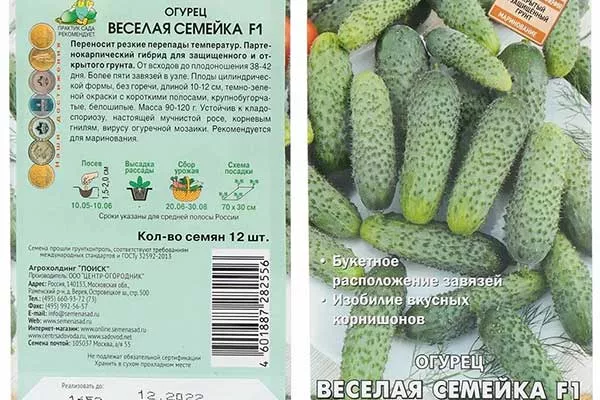
This parthenocarpic crop is ideal for both greenhouse and outdoor cultivation. Experienced farmers choose it for its long shelf life and excellent flavor in both fresh and canned fruits.
Originators
Since 2017, the Vesyolya Semeyka (Cheerful Family) hybrid has been added to the gardening catalog, quickly winning the hearts of many gardeners. This hybrid was developed by specialists at the Poisk agricultural company, located in the Moscow region.

S. Maksimov, N. Klimenko, and L. Chistyakova participated in its development. The results of their work were highly praised: the Veselaya Semeyka variety proved to be truly high-quality.
External characteristics of the plant
The Veselaya Semeika (Merry Family) is distinguished by vigorous growth and rapid development due to its indeterminacy. Stem height is typically around 140-160 cm, although under ideal conditions it can reach 220-250 cm. The bush has moderate branching. The leaves are medium-sized, rich green, with a slightly rough surface.
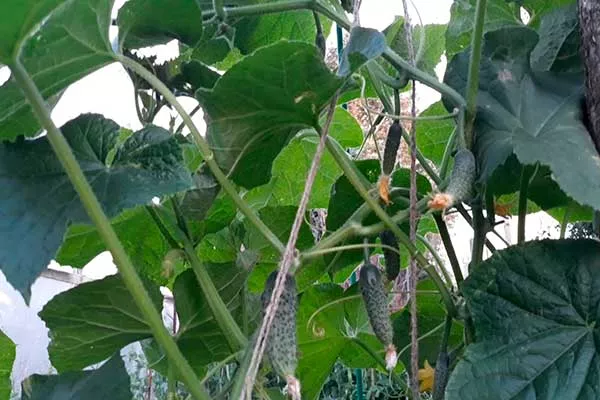
The inflorescences of the Veselaya Semeika are bright yellow female flowers. The fruits form in clusters of 5-7 ovaries, promising a good harvest.
Fruit parameters, taste, purpose
Veselaya semeyka cucumbers are characterized by a compact length of around 10 cm, although they are sometimes harvested earlier, when they reach 7-8 cm. The maximum height is 12-13 cm.
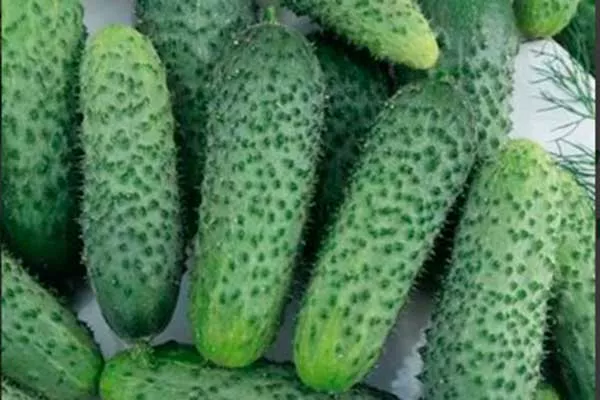
There are also other varietal characteristics:
- The diameter of the fruits ranges from 3.5 to 4 cm, and the weight – from 80 to 120 g.
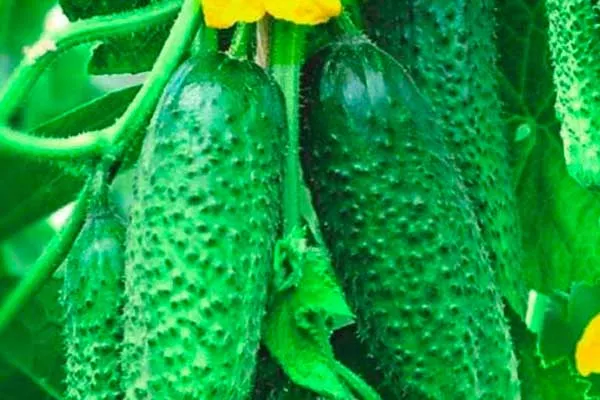
- Their shape is cylindrical, the surface is decorated with large tubercles and white spines, which act as pubescence.
- The skin is traditionally green, but there are also narrow light lines.
- Their taste is bright, fresh and lacks bitterness, and their structure is sufficiently dense and has a characteristic crunch.
The Vesyolya Semeyka cucumber is ideal for a variety of culinary applications, including pickling, salads, and fresh eating. These cucumbers are versatile and withstand cooking well.
When ripe, the yield
Veselaya Semeyka is distinguished by its early maturity, reaching maturity in just 37-40 days after sowing. These cucumbers can be grown not only outdoors but also under protective shelters, which reduces the time until harvest.
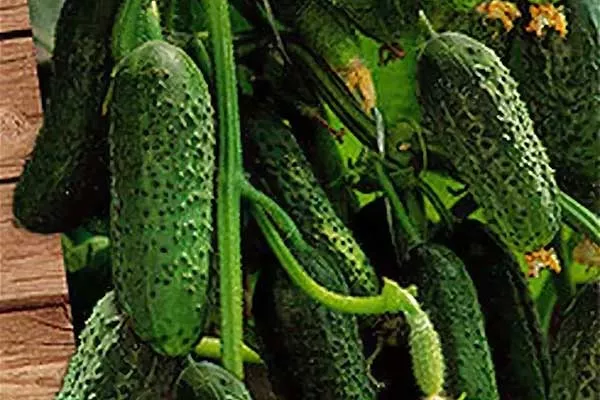
Growing efficiency is high: 1 square meter of garden space can yield up to 11-12 kg of delicious harvest. By following simple care rules and recommendations, productivity can be further increased, but the final result will depend on the growing conditions.
Positive and negative qualities
Studying the advantages and disadvantages of the Veselaya Semeyka variety will help you make a choice.
How to grow it yourself?
This variety is grown exclusively in greenhouses, using both plastic covers and polycarbonate structures. Despite these recommendations from the growers, many gardeners also plant the seedlings in open beds. This is acceptable, but primarily in the southern regions of the country.
Optimal time for planting cucumbers
Seeds should be sown for seedlings 28-31 days before the intended planting in a permanent location. The approximate timing is as follows:
- for greenhouse cultivation – from March 20;
- for cultivation under temporary film cover – from April 15;
- for open gardens – from April 25.
Basic requirements:
- To plant, cucumber seeds are buried at a depth of 1.5-2 cm in the soil and watered using a spray bottle.
- To maintain humidity, containers with seedlings must be covered with glass.
- The optimal temperature for growth is 23 to 26 degrees Celsius. Under these conditions, Veselaya Semeyka seeds germinate in 3 to 4 days.
- After this, the seedlings are transferred to the windowsill, where they will grow in sufficient light.
Selecting a location and preparing the soil for growing this variety of cucumbers
To successfully grow cucumbers, you need to carefully prepare the site and soil. Keep in mind that this variety requires ample sunlight, so open, bright planting sites are preferable.
- ✓ Soil pH should be between 6.0-6.8 for optimal nutrient absorption.
- ✓ The soil must contain at least 3% organic matter to ensure the necessary structure and water-holding capacity.
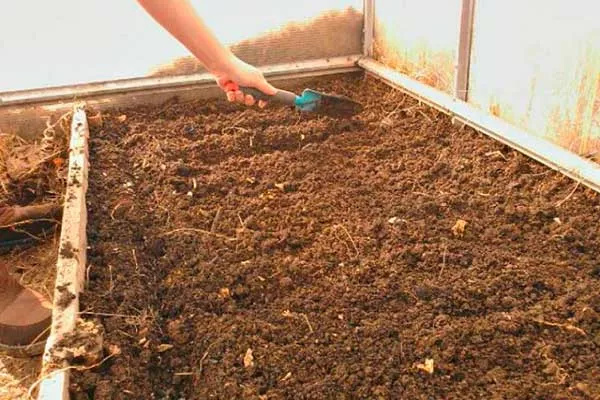
Before sowing seeds, prepare the soil—cucumbers prefer light, nutrient-rich, and moist soil. The best solution is to create a soil mix of sand, peat, and rotted organic matter to ensure aeration and good drainage.
Before planting, it's crucial to thoroughly till the soil to remove weeds and improve its structure. You can use a hoe or a hand cultivator for this.
Rules for planting and growing cucumbers of the Veselaya family
To enjoy a delicious harvest of Vesyolaya cucumbers, it's important to follow certain growing steps. Here are some basic tips to help you successfully grow this variety:
- Choose the right time for planting. Planting in open ground should occur after the danger of frost has passed. Soil temperatures should be above 15-17 degrees Celsius to ensure seed germination.
- Optimize the soil before planting. Moist, organically rich soil is best for Vesyolya Semeyka, so add compost/humus/bird droppings or manure to improve its fertility.
- Prepare the seeds for planting. To increase the chance of germination, soak the seeds in warm water for 12-20 hours before planting. This will promote faster germination and lay the foundation for effective cucumber growth.
- The optimal spacing for cucumbers in a row is 30-45 cm, allowing each plant to grow without restriction. A 60-80 cm gap should be left between rows to ensure ease of cultivation.
- Sow seeds directly into a greenhouse or garden beds at a depth of 3 cm.
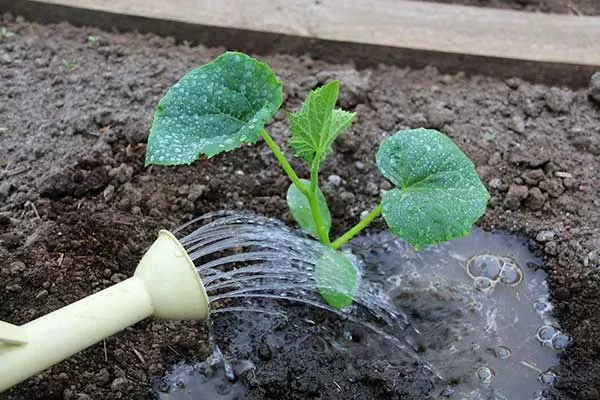
- When transplanting seedlings immediately after work, do not forget to water them thoroughly so that the roots take root quickly.
- Carefully monitor the humidity level of the tree trunk circle, maintaining it in a moderately moist state, while avoiding stagnant water or drought.
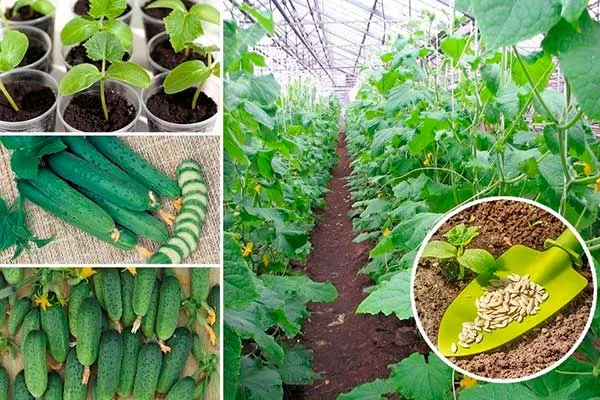
Remember that cucumbers are fruit crops that require support to grow tall. Install trellis posts, trellises, or netting to help them grow vertically rather than spreading along the ground.
Care procedures
"Merry Family" is not particularly demanding in cultivation, but without following agricultural practices, it is impossible to achieve normal results.
Watering
The plant requires regular watering, always with warm water. Each mature plant should be provided with at least 5-6 liters of water at a time. The frequency of watering depends on weather conditions—the hotter the weather, the more frequently it should be watered.
What and when to feed?
For optimal growth, apply 2-3 fertilizers throughout the season (at least). Experienced gardeners recommend alternating mineral fertilizers with organic supplements. Fertilizers are dissolved in water and poured under the root system.
- First feeding: 2 weeks after planting the seedlings, use a complex mineral fertilizer with a predominance of nitrogen.
- Second feeding: at the beginning of flowering, use fertilizer with a high content of phosphorus and potassium.
- Third feeding: during the period of active fruiting, use potassium fertilizers to improve the quality of the fruit.
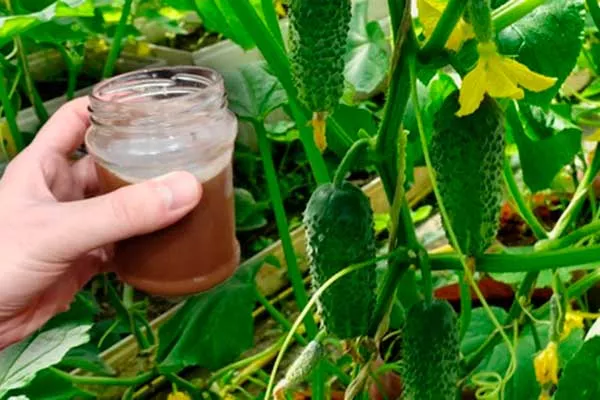
Some nuances:
- It's recommended to fertilize cucumbers two weeks after replanting. For top dressing, use 30 g each of calcium chloride and urea, the same amount of potassium sulfide, and 40 g of Double Superphosphate per 20 liters of water. Each plant will require 700 ml of the concentrated solution diluted with 4 liters of water.
- During the flowering period, it's helpful to apply organic matter, such as manure or litter. Dilute with water at a ratio of 1:10 and 1:15, respectively, and add 200 g of charcoal. Each bush will require 1.5 liters of this liquid.
- The third application of fertilizer should occur during the period of intensive fruit ripening. You can use 60 g of potassium nitrate dissolved in 20 liters of water. The maximum application rate is 8 liters per square meter.
Is it necessary to shape the Veselaya Semeyka cucumber bush?
To ensure a bountiful harvest, maintain the plant's structure, especially in greenhouses. To do this, install a supporting structure that can be used as a support for the stem.
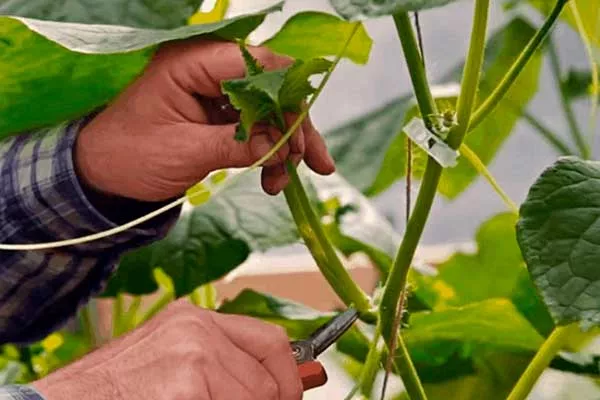
As the plant grows, remove side shoots, and at the end of the growing season, trim the top. Frequent pruning is required at the beginning of the growing season, and later, every 10-20 days.
Diseases and pests
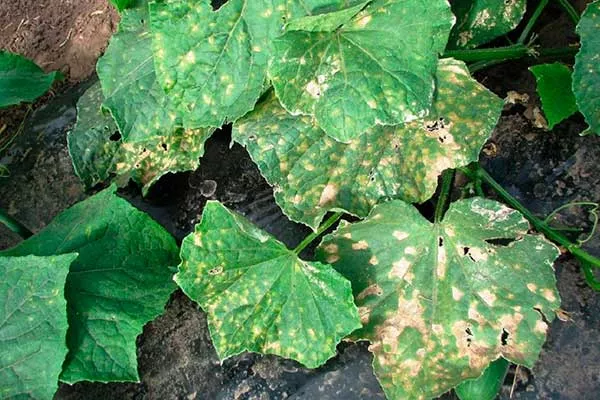
Cucumbers are highly resistant to root rot, powdery mildew, mosaic, and cladosporiosis. However, if care is not followed, plants can become infected with vascular bacteriosis and become susceptible to pests such as flea beetles and mole crickets.
- Vascular bacteriosis. This is an infectious disease that causes cucumber leaves to become covered in oily spots. Over time, these spots turn reddish-brown. To prevent the disease, it is recommended to use the product Hom or spray with Bordeaux mixture or copper oxychloride.
- Black flea. The dark gray parasite is a miniature pest distinguished by its agility in moving between leaves. It feeds on plant sap, damaging its tissue, which leads to the death of all cucumber seedlings.
To prevent the invasion of this insect, gardening experts recommend using insecticides such as Previcur, Strobi, and Bordeaux mixture. - Mole cricket. This is an insect pest that damages the root system of plants, which leads to a cessation of their growth and the inability to form fruits, which become unsuitable for consumption due to their strange shape.
To protect your garden crops from mole crickets, treat the bushes with special preparations: Medvetoks, Grizzly, or a soap solution.
Harvesting and storage
To ensure a bountiful harvest, it's important to periodically harvest ripe green vegetables, which will promote faster fruit formation. Gherkins should be harvested when they reach 6-8 cm in size.
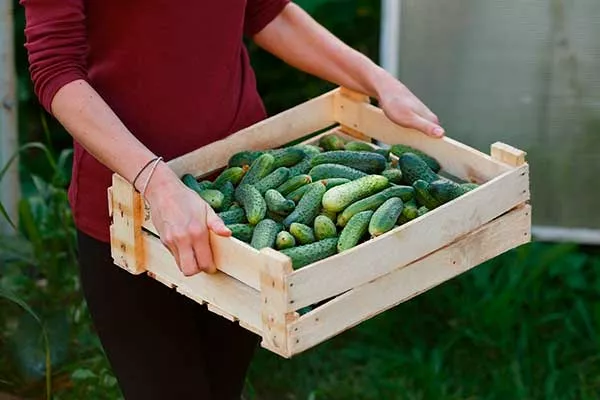
For long-term storage, cucumbers are placed in a moderate temperature of around 6°C (43°F) and in a dark place. This way, cucumbers can retain their flavor for up to a month.
What are the analogs?
There are many similar varieties to the Veselaya Semeyka variety. Some hybrids resemble it not only in characteristics but also in names, such as Druzhnaya Semeyka, Izumrudnaya Semeyka, and Vesyolye Rebyata. The cucumbers Khrustlyandiya, Lakomka, and Bliznyashki are distinguished by their similarity. The Amur and Ekol hybrids are similar in their high yields and the way their ovaries form into clusters.
Reviews
Vesyolya Semeyka is a cucumber variety that's winning the hearts of gardeners thanks to its rapid rooting and abundant harvest. Choosing this variety promises an unforgettable experience of fresh, flavorful, and juicy cucumbers all season long. The key is proper care.