
The Vesna cucumber is a unique hybrid that has gained popularity among gardeners due to its numerous advantages. It boasts generous yields, early maturity, and excellent flavor. With proper care, it is rarely susceptible to diseases and pests. The key is timely care and proper agricultural practices.
Introduction to the variety
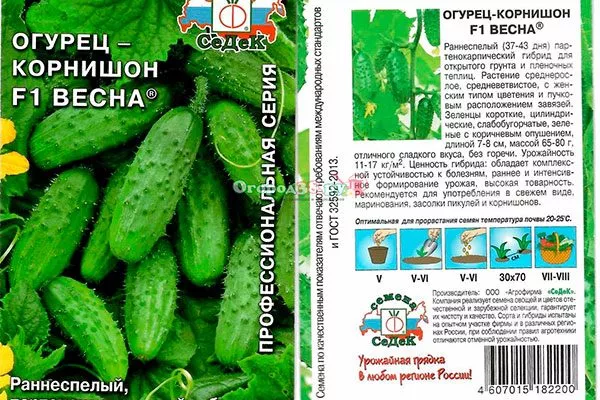
This crop attracts vegetable growers with its excellent productivity. The hybrid is self-pollinating and parthenocarpic, making it ideal for both open-field and plastic greenhouse cultivation.
Characteristics of the appearance of the plant and cucumbers
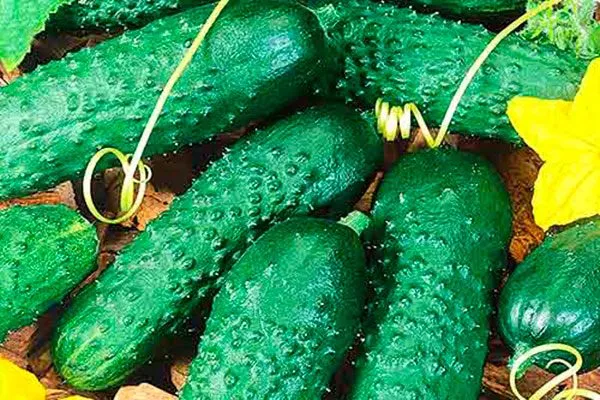
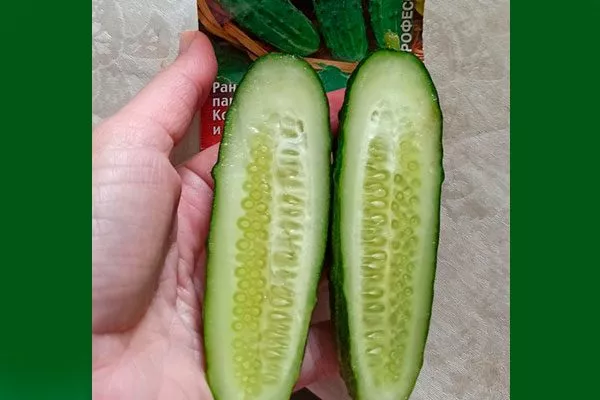
A medium-sized plant with good branching. The fruits are cylindrical, 7-10 cm long, and have a slightly bumpy surface with occasional tubercles. The thin skin gives the cucumber a particularly delicate flavor.
Ripening and yield
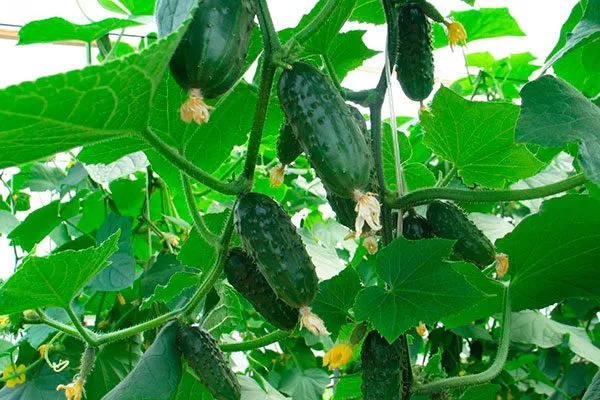
This early-ripening variety begins bearing fruit 37-43 days after germination. This makes it an ideal choice for those looking for a quick harvest. With proper care, the plant yields 15-18 kg per square meter.
Advantages and disadvantages
Before planting a crop, be sure to research all its characteristics. Each variety has its pros and cons, but the advantages significantly outweigh the disadvantages:
Gardeners cite the need for regular watering as a disadvantage.
Features of agricultural technology
The crop prefers fertile, loose, and well-drained soil with a neutral pH. A few weeks before planting, fertilize the soil with humus or compost. Cucumbers require plenty of light and warmth, so choose sunny sites protected from the wind.
- ✓ The soil acidity level must be strictly within the pH range of 6.0-7.0 for optimal absorption of nutrients.
- ✓ The soil must contain at least 4% organic matter to ensure the necessary looseness and moisture capacity.
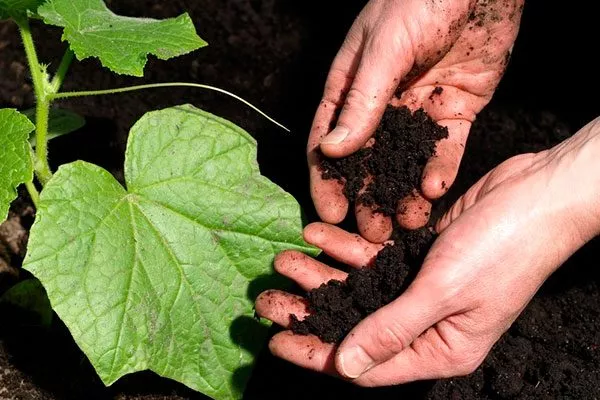
Sow seeds directly into open ground or pre-plant seedlings. Sow seeds directly into the ground in late May or early June, when the soil warms to 15°C. Plant seeds 2-3 cm deep, space plants 30-40 cm apart, and row spacing 70-80 cm.
Provide the culture with complete care:
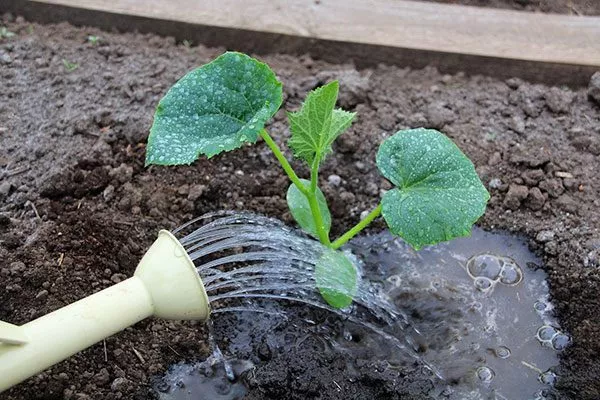
- Watering. Bushes require regular watering, especially during flowering and fruiting. Use warm water, avoiding contact with the leaves to prevent disease.

- Top dressing. Fertilize plants every 2-3 weeks. Complex mineral fertilizers and organic fertilizers (mullein infusion, chicken manure) are suitable.
- Weeding and loosening. Regularly remove weeds and loosen the soil around the plants to ensure oxygen reaches the roots.
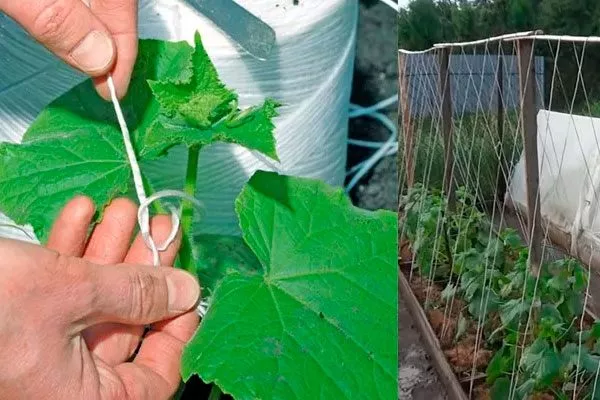
- Garter. As the stems grow, tie them to supports or trellises to ensure even light distribution and facilitate harvesting.
- Prevention of diseases and pests. Inspect the bushes for signs of disease or pests. If necessary, treat with special products, following the instructions on the packaging.
Harvest cucumbers regularly, every 1-2 days, to stimulate the formation of new ovaries and extend the fruiting period.
Reviews from experienced gardeners
The Vesna cucumber deservedly ranks among the top hybrid varieties available to modern gardeners. Its abundant yield, early maturity, and excellent flavor make it an attractive choice for both experienced and novice gardeners. Proper care and regular fertilizing are essential.