
Magnificent Five cucumbers are popular among gardeners due to their excellent characteristics and high productivity. This variety offers not only a stable yield but also excellent taste. It is stress-resistant, adapts well to various conditions, and is resistant to most diseases. Proper care is key.
Introduction to the variety
The hybrid has many positive qualities. Its advantages include uniform, even-looking fruits, strong immunity, and generous harvests throughout the season.
External indicators
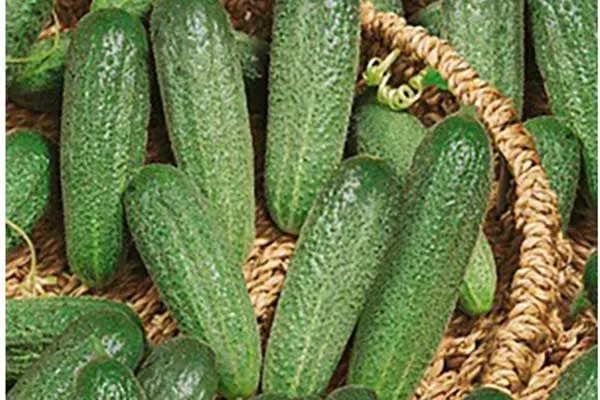
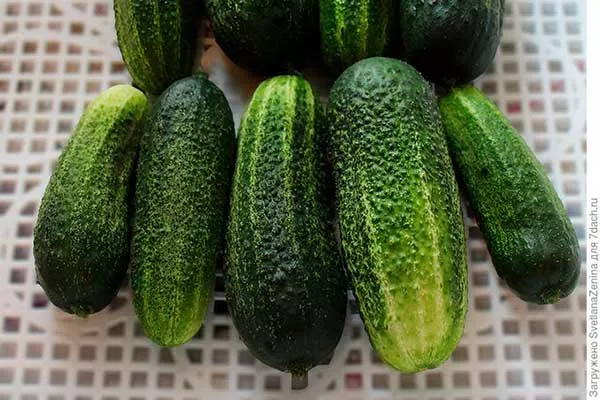
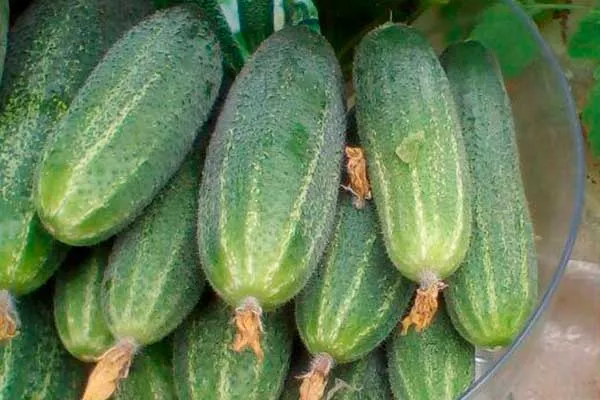
A medium-sized bush, 1.2-1.4 m tall. It is moderately spreading, weakly branched, and has medium foliage. The leaves are large, trifoliate, and swamp-green. The cucumbers are cylindrical in shape and finely tuberculate. The pubescence of a mature bush is prominent and dense.
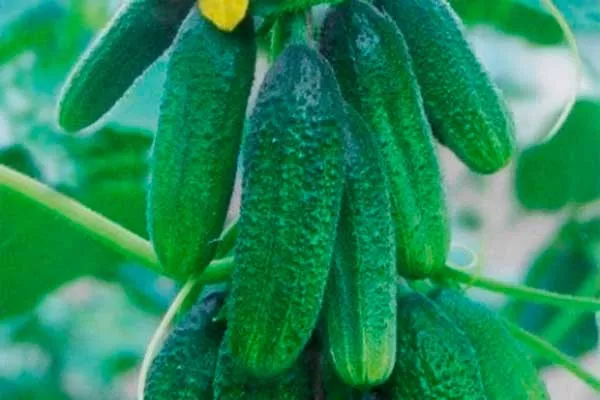
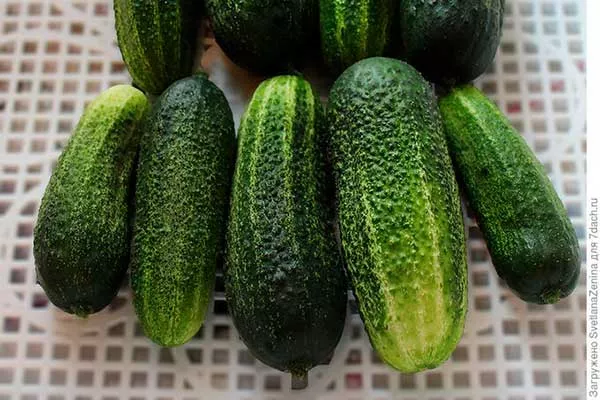
Cucumbers average 8-10 cm in length with a diameter of about 6 cm, weighing 75-85 g each. A distinctive feature of the fruit is its greenish color with small stripes and evenly distributed spots around the perimeter.
Taste and purpose
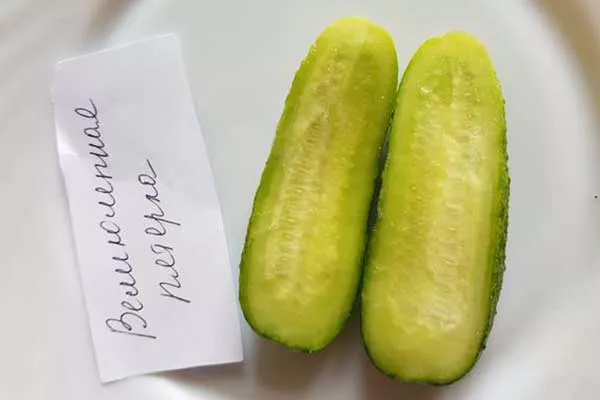
This versatile crop makes its fruits ideal for a variety of salads, canning, and pickling. They pair beautifully with other vegetables and are also eaten fresh.
Ripening times and yield volumes
The fruits ripen early, so the harvest can be completed 38-40 days after planting in open ground. One square meter yields up to 16 kg of vegetables.
Positive and negative qualities
Before planting a new variety, it's important to understand its advantages and disadvantages. The Magnificent Five hybrid has many advantages:
Some gardeners cite an unstable harvest due to insufficient moisture as a negative aspect.
Planting cucumbers Magnificent Five f1
The crop is cultivated in fertile regions with a temperate climate, such as the Central, North Caucasus, and Volga-Vyatka regions. It grows successfully in greenhouses, but thrives in open beds or under plastic.
Choosing a location
This sun-loving plant requires light and warmth, so place the bed in a wind-protected area away from tall trees. Follow these recommendations:
- Plant radishes and green onions nearby to harvest fresh vegetables and make vitamin-rich salads in early summer. Potatoes and herbs such as coriander, rhubarb, thyme, and mint are undesirable neighbors for cucumbers.
- The soil should be loose and well-drained. Cucumbers grow well in loamy soil with a slight acidity, especially after carrots and tomatoes.
- Consider the depth of groundwater: if it is located close to the surface, the risk of root rot increases.
- The crop thrives alongside corn and sunflowers. The stems of these tall plants provide support for the cucumber vines, accumulate moisture from the surrounding air, and provide shelter from the wind, while their dark foliage attracts sunlight.
- ✓ Soil acidity levels should be within the pH range of 6.0-6.5 for optimal nutrient absorption.
- ✓ The soil must contain at least 4% organic matter to maintain structure and water-holding capacity.
In northern regions, where the first frosts are possible at the end of August, it is preferable to grow vegetables in closed ground.
Seedling method of growing cucumbers
Because this hybrid is an early-ripening variety, take your time sowing to prevent the seedlings from becoming too tall or overgrown. The optimal time for sowing is early May. The seeds germinate when the soil warms to 15°C.
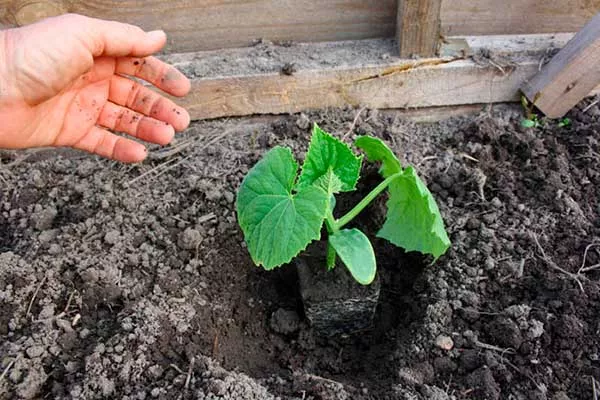
Follow the recommendations:
- Cucumbers don't tolerate picking and transplanting well, so use individual cups instead of shared containers for growing seedlings. Purchase a nutrient mixture or make your own by mixing equal parts of turf, peat moss, compost, and sawdust.
- Place two seeds in each pot at a depth of 2 cm, sprinkle with soil, and moisten. Cover with plastic wrap and place in a warm place. Seedlings will appear in just two days.
- Remove the film and move the seedlings to a cooler location for 5 days, with a daytime temperature of 19°C and a nighttime temperature of 15°C. This temperature change is necessary to prevent the seedlings from stretching and to ensure they remain strong and healthy.
- The best option for sowing seeds for seedlings is peat pots, which can be planted in the ground along with the plant.
Maintain an optimal temperature of 22°C. Remove weak plants, leaving one stronger one in the pot. If you sowed seedlings in a common container, transplant them when cotyledon leaves appear: thoroughly moisten the soil, carefully remove the plant with the root ball, and replant in a separate container.
Sowing seeds in a garden bed
Sow seeds outdoors from May 20 to June 10, when the soil warms to 15°C. In this case, the first harvest will appear two weeks later, in July. Follow these recommendations:
- First, treat the soil in the garden bed or greenhouse with a solution of copper sulfate (15 g per 10 l of water).
- Dig holes at intervals of 10 cm, moisten the soil and place 5 seeds, deepening them by 2 cm.
- Cover the open bed with plastic or agrofibre for the first few days. After 10 days, thin out the grown seedlings, removing the weaker ones and increasing the spacing between them to 15 cm.
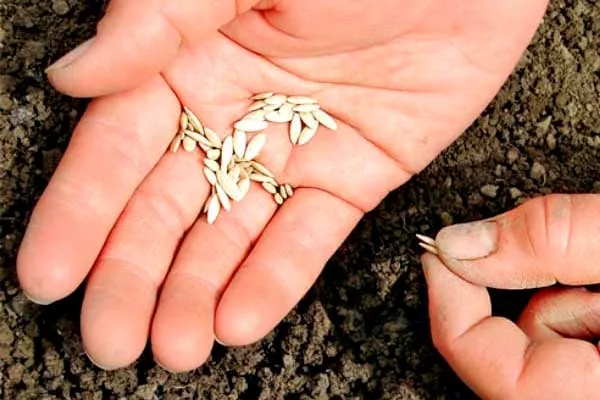
After the leaves appear, thin out again, leaving a distance of 40 cm between plants.
Caring for Cucumbers The Magnificent Five
The hybrid requires standard agronomic care. Planting care is generally simple, but following all recommendations will help you grow strong plants that will delight you with high-quality vegetables.
Watering
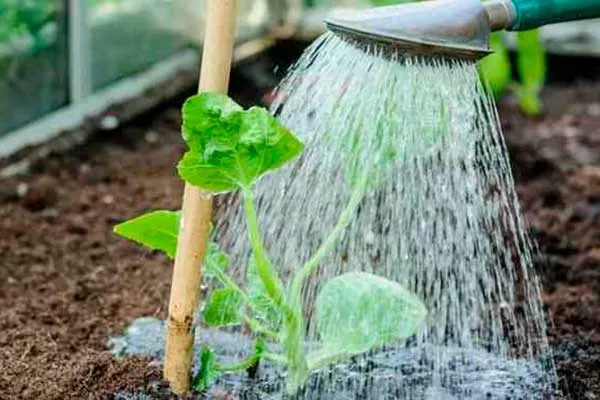
This plant requires a lot of water and suffers greatly from drought. Water the bushes every other day, or daily during the dry season. Each plant requires about 3.5 liters of water. Water the bushes late in the evening, carefully at the roots, avoiding the leaves. Maintain soil moisture at around 80%.
Top dressing
To ensure a good harvest of cucumbers, regularly add nutrients to the soil. Apply root fertilizer after rain or heavy watering. Follow these guidelines:
- Two weeks after planting, scatter 5 g of ammophoska per 1 sq. m and work it into the soil, or add a fertilizer solution of 15 g of urea and 60 g of superphosphate per 10 liters of water.
- During flowering, feed the crop with diammophoska (25 g per 1 sq. m) and nitrophoska (40 g per 10 l).
- When fruit sets, apply a solution of potassium nitrate (30 g per 10 l) every 7 days to extend the fruiting period and increase its abundance.
- In cold summers, to ensure more efficient absorption of nutrients by plants, apply foliar feeding: after planting, spray with a urea solution (10 g per 10 liters of water), and after flowering, with a superphosphate solution (35 g per 10 liters of liquid).
- For active growth, feed the seedlings in the garden bed with a slurry of pig or horse manure (1:10) and chicken manure (1:20).
- Yeast feeding improves root formation and boosts immunity: dissolve 200 g of yeast in 10 liters of warm water, add 30 g of sugar, let it sit for a couple of hours, and then dilute it in 50 liters of water.
- Before planting, add compost or rotted manure to the soil at a rate of 5-6 kg per 1 m² to improve the soil structure.
- Two weeks after germination, apply the first fertilizer with a complex mineral fertilizer containing a high concentration of nitrogen.
- During the flowering period, increase the dose of phosphorus and potassium to stimulate the formation of ovaries.
A lack or excess of micronutrients immediately affects the appearance of the bushes. A nitrogen deficiency causes the leaves to turn pale and the fruit tips to become pointed. An excess of nitrogen compounds in the soil leads to vigorous foliage growth, but the fruit develops poorly.
Excess potassium slows plant growth, while a deficiency causes yellowing of leaves and wilting of shoots. Phosphorus deficiency causes stem growth to stop, and flowers and ovaries to drop. Excess potassium causes foliage to turn yellow and fall off.
Garter and shaping of bushes
Tie the bushes to a net or support using strong rope. Make sure the stems aren't over-tightened. Form them into a main stem by cutting off 5-6 lower axils and pinching out the next 5 leaves.
Harvesting and storage of crops
The hybrid begins bearing fruit around the 20th of June. The green fruits quickly overgrow, harden, and begin to sour, so harvest them daily. Cut the vegetables from the branch 10 minutes before watering with garden shears, along with half the stem.
Diseases and parasites
The Magnificent Five is distinguished by good stress tolerance and a well-developed immune system. The hybrid is highly resistant to cucumber mosaic, root rot, powdery mildew, and cladosporiosis.
If not properly cared for, it may be susceptible to the development of certain diseases and pest attacks:
- Peronosporosis (downy mildew). It attacks crops in hot and dry weather. Symptoms include a thick, powdery, yellowish coating on the leaves. In the early stages, spray the plants with garlic infusion. If the infection is severe, treat them with Gamair or Vitaplan fungicides.
- Fusarium. It develops with overwatering and poor weeding. Leaves begin to turn yellow, dry out, curl, and rot at the edges. In the early stages of Fusarium wilt, treat plants with a solution of milk, laundry soap, and honey.
For severe infestations, use Baktofit, Agat-25K, or Fundazol. For prevention, disinfect the soil with Trichodermin before planting. - Aphid. This small, greenish-gray pest attacks in hot weather and high humidity. The aphids suck the sap, causing the leaves to dry out, wilt, and stunt the plants.
To combat the pest, use nettle or wormwood infusions. If there are significant numbers of aphids, spray with Ratibor, Tanrek, or Sherpa.
To prevent pests, plant mustard, onions, tansy or lavender around the perimeter of the bed.
Reviews
Magnificent Five cucumbers combine the best characteristics: high yield, good disease resistance, and adaptability to a variety of climates. Early ripening and high-quality fruit make this variety indispensable for those who appreciate tasty and crunchy vegetables. With proper care and attention, you can harvest large quantities of vegetables.