
Cucumbers are extremely popular among farmers, grown for fresh consumption, canning, and making various pickles. Gardeners often give cucumbers the best spots in their plots. By knowing and following all the care tips, you can reap a bountiful harvest.
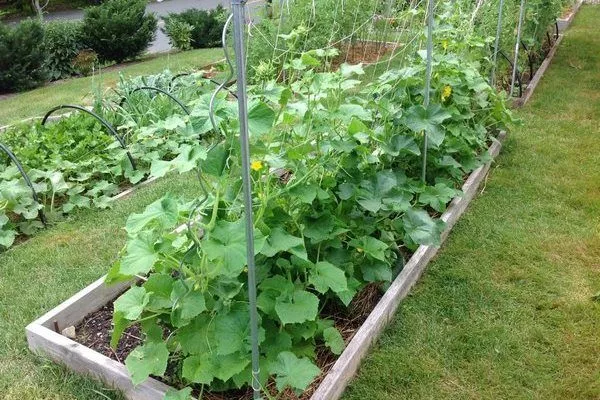
How to choose a variety for growing cucumbers in open ground?
| Name | Ripening period | Pollination type | Cold resistance |
|---|---|---|---|
| Varieties with different ripening times | Early, middle, late | Self-pollinating | High |
| Self-pollination | Early | Self-pollinating | Average |
| Cold resistance and shade tolerance of the variety | Average | Bee-pollinated | High |
| Salad or pickling | Late | Self-pollinating | Low |
| Branching | Early | Bee-pollinated | Average |
- ✓ Resistance to common cucumber diseases (powdery mildew, downy mildew).
- ✓ Adaptation to local climatic conditions (length of daylight, humidity).
Choosing a variety isn't easy. There are a huge number of them available today, and they all have different characteristics.
What to look for when choosing a cucumber variety:
- Varieties with different ripening times. It's best to grow several varieties of cucumbers outdoors. Some should produce a harvest in early summer, others in mid-summer, and still others at the end. This is convenient, as you'll be harvesting cucumbers throughout the summer.
- Self-pollination. It's best to choose plants that don't require additional pollination. Self-pollinating varieties are described in this article.
- Cold resistance and shade tolerance of the variety. No one can accurately predict what the weather will be like throughout the summer, so choose varieties that can survive any precipitation and climate changes.
- Salad or pickling. The main task here is to determine the purpose of growing them. Some varieties are only suitable for pickling, while others are excellent fresh, but not suitable for canning. Pay attention to this, or better yet, plant several varieties of cucumbers.
- Branching. Excessive branching causes a lot of concern when caring for the plant. Too much foliage drains the plant's energy, which reduces fruiting. Therefore, it's best to choose varieties with a compact habit.
Rules for growing cucumbers
Simply planting cucumber seeds won't be successful, as it's necessary to strictly follow the algorithm and adhere to certain rules for sowing cucumber seeds in the ground.
Seed preparation
Almost all summer residents grow cucumbers using seedlings, since the seeds of this crop germinate well.
Cucumber seeds remain viable for up to 6 years, but it's best not to delay sowing and use seeds no older than 3 years to grow seedlings.
If you used seeds from last year, you know how they germinate and how quickly. But if you bought the seeds, it's best to pre-treat them and prepare them for sowing. First, select the best seeds (large, whole, and unblemished), and discard the poor ones.
Specialty stores sell coated or glazed seeds; they require no treatment, as they are already fully prepared for planting. These seeds are sown directly in their dry state.
After collecting the seeds, disinfect them. Use phytosporin, diluting it strictly according to the instructions. This procedure will help eliminate any harmful microflora remaining on the seed coat.
Many gardeners recommend using a weak solution of potassium permanganate, but some argue that this solution is less effective than phytosporin. The treatment should last at least 20 minutes. Then rinse the seeds with cold, clean water.
- Maintaining a temperature of +22…+26 degrees Celsius.
- Providing high humidity (90-95%).
- Use only breathable materials for shelter.
The best and most effective way to prepare seeds for planting is to soak and germinate them. Be sure to disinfect them first. To germinate, place the cucumber seeds in damp cheesecloth, place them on a plate, wrap them in a plastic bag, and store in a warm place (22–26°C). Under these conditions, the seeds will germinate within two days.
If you live in a harsh climate, it's best to harden off the sprouted seeds. Place the sprouted seeds in the refrigerator, not the freezer, for 5 days. After hardening off, plant them in pots filled with potting soil.
Timing of sowing seeds for seedlings
Sowing times directly depend on the region where the crop is growing, as well as whether it's being planted in a greenhouse or open ground. In a favorable climate with no further frosts, sow seeds in early March, or even late February. However, if the climate isn't favorable and summer arrives late in your area, it's best to start growing seedlings only in April.
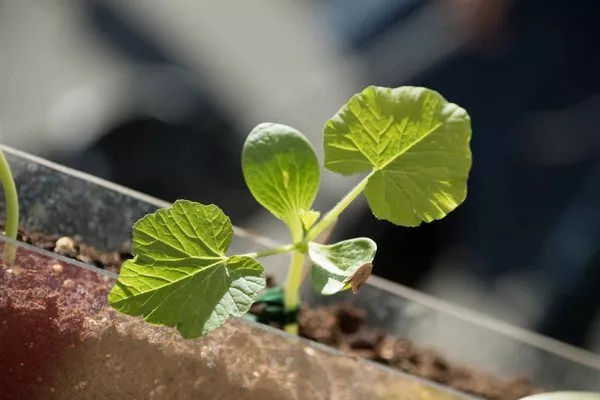
Planting seeds for seedlings: a step-by-step guide
The best soil for growing cucumber seedlings is peat, sod, sawdust, and humus (all mixed in equal parts). If you can't or don't want to make your own soil, you can buy it at the store.
Gardeners note two options for growing seedlings:
- In the same container with the future transplanted seedlings.
- In separate cups.
This crop doesn't always transplant well, so it's best to plant the seeds directly into individual cups. Regardless of the method you choose, place the seeds in the furrows without digging them in, and lightly sprinkle the soil on top. Just remember to moisten the soil beforehand. After sowing the sprouted seeds, lightly water the soil again with a spray bottle and place the cups (one cup) in a warm place.
To ensure the seeds feel comfortable and germinate quickly, cover them with plastic wrap or glass. Once the sprouts appear, be sure to remove the cover. At temperatures between 20 and 26 degrees Celsius, the first leaves should appear within 5-7 days. During this period, water the plants as the soil dries out.
Caring for seedlings
If the windowsill is very cold or constantly windy, don't place containers there. Move them elsewhere and compensate for the lack of light with additional lighting.
Temperature
Once the cotyledons have unfurled, gradually reduce the temperature to 15–17°C for 2–4 days to prevent the seedlings from becoming elongated or drooping. Maintain the temperature at 17–19°C for the following days, and lower it to 14°C at night.
Lighting
Cucumbers are very sensitive to the presence of light, so in cloudy weather the seedlings need to be placed under phytolampIf plants are germinating in greenhouses, they are additionally opened to allow sunlight to reach the seedlings as often as possible.
Watering
Cucumber seedlings will die without proper watering. The soil should be kept constantly moist, but stagnant water should also be avoided. Water should be warm or at room temperature. Cold water will damage the root system.
Thinning
When planting seedlings in individual pots, sow two seeds in each. If both sprout, select the stronger one and trim the other with scissors. Pulling out the sprout is not recommended, as it can damage the root system of the remaining healthy plant.
Adding soil
Throughout the growing season, add soil several times as the plants grow. Just be careful not to add soil above the cotyledons. This will help strengthen the plant's root system and ultimately increase fruiting.
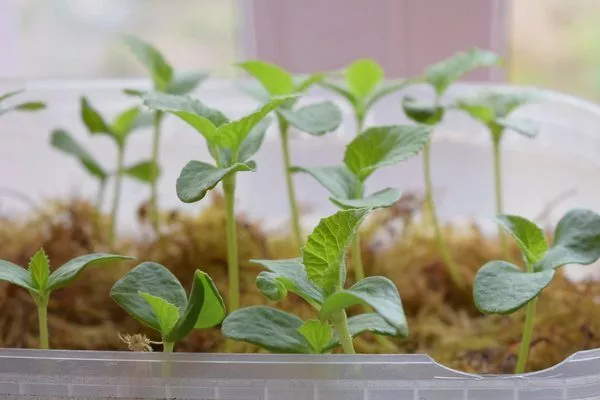
Picking seedlings
If you decide to use a large container for growing seedlings, the seedlings should be pricked out when they reach the first few leaves, meaning they should be transplanted into individual containers. To do this, carefully lift the seedling with the soil ball using a tablespoon and transfer it to another container with moist soil. Then, add a little more soil and moisten it.
This plant is very delicate and fragile, making transplanting difficult. The plants also have a very spreading root system that intertwines with other plants. Seedlings are often damaged during transplanting.
It is better to plant the seeds immediately in separate cups, then you can avoid problems with picking.
Hardening off seedlings before planting
Hardening off helps strengthen the plants' immunity and should be done a week before transplanting cucumbers outdoors. Hardening off involves exposing the seedlings to fresh air. Keep them outside for about a quarter of an hour the first time, then increase the time.
Transplanting seedlings into open ground
Seedlings are considered mature and ready for transplanting into open soil when they reach 20-30 days of age and reach 0.3 m in height. The sprouts should be strong and have a well-developed root system.
Selecting and preparing soil
To ensure good plant development, plant the seedlings in a warm, multi-layered bed. Choose a sunny, wind-free spot. First, lay down a drainage layer; branches, straw, or grass can be used. Place the layer at a depth of about 0.3-0.5 m and compact it well. Top with fresh manure.
Don't disturb the bed until early spring, during which time the layers will settle slightly. In early May, add a layer of fertile soil. Install the hoops and tighten the plastic. After a couple of days, begin planting the cucumbers.
The manure will begin to rot under the fertile soil, generating the heat needed by the crop. The cucumbers will also receive all the nutrients they need. This bed is prepared in the fall, but it can also be created in the spring.
The algorithm for creating a warm bed for cucumbers in the spring:
- Place a layer of manure on the drainage (in this case, you can use unrotted manure), mix it with 3 cups of wood ash and 100 g of nitrophoska (per 1 sq. m).
- Sprinkle a fertile layer of soil on top, cover with film and press down with some heavy weight.
- Do not touch the bed for at least 10 days.
- Make holes in the beds and plant the seedlings.
If manure is hard to come by, you can make a special compost. It's created in the summer by collecting grass, weeds, and leaves, dumping everything into a single hole, and turning it over periodically with a shovel or pitchfork. By spring, you'll have ready-made garden compost.
Planting cucumbers in open ground
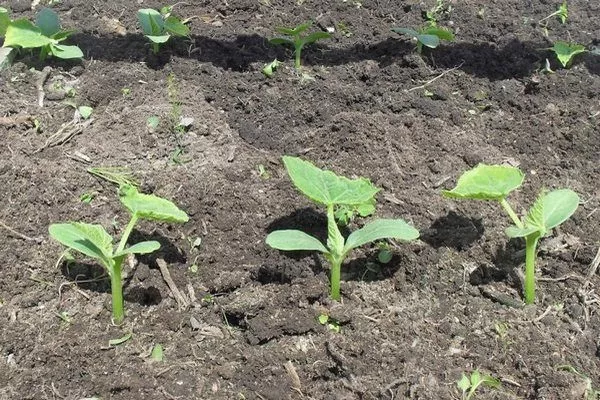
As soon as the seedlings develop 2-3 true leaves, they are transplanted into warm beds. Before transplanting, the soil is moistened and holes are made in it for the seedlings.
Growing cucumbers from seedlings gives good results, provided that temporary shelter is provided from unexpected first frosts.
The best time for planting seedlings is the end of May.
Once the threat of frost has passed, you can remove the cover and begin growing cucumbers on a trellis. Depending on the variety, space the seedlings 0.3-0.5 m apart.
You can find out which cucumber varieties will produce the best harvest in open ground. here.
Watering cucumbers
The plant loves water, so don't let the soil dry out. Water with warm, settled water; plants don't tolerate cold water and often die from it. If the weather isn't sunny, water at any time of day, but if it's too hot, water only in the evening.
Per 1 sq. m – 6-12 liters of water.
Experienced gardeners believe that plants grow better if they are misted with a watering can, which increases air humidity. After watering, loosen the soil, but do so very carefully to avoid damaging the cucumbers' root system. This procedure allows the cucumbers to receive more air, reduces moisture evaporation, and thus allows photosynthesis to proceed properly.
| Method | Efficiency | Periodicity |
|---|---|---|
| Root feeding | High | Every 2 weeks |
| Foliar feeding | Average | Every week |
Fertilizing cucumbers
The best fertilizer for cucumbers is manure. Apply 5 kg of the product per square meter. Mineral fertilizers also produce excellent results, but apply them with caution, as cucumbers are very sensitive to soil changes, and an excess of any element is detrimental to the crop. For each square meter, use urea (10 g) + superphosphate (25 g) + potassium sulfate (15 g).
Apply fertilizers containing phosphorus and potassium in the fall, and nitrogen fertilizers before planting.
Potassium fertilizers are equally beneficial, and wood ash is the best choice (100 g per square meter). It's unique in that it doesn't contain chlorine, which cucumbers dislike. Wood ash also reduces soil acidity. Furthermore, it's been around for many years, so its effectiveness is time-tested.
Hilling
Hilling is also beneficial for cucumbers and should be done twice per season. This will help the plants develop roots and protect the seedlings from various fungal diseases.
Formation of bushes
Crown shaping is necessary to stimulate the growth of lateral shoots, which will produce female flowers. This is accomplished by pinching the central shoot above the sixth leaf. Note that early-ripening varieties do not require crown shaping; this procedure is necessary for late- and mid-season varieties.
Harvesting
These vegetables don't have a long shelf life, so their seeds don't have a long shelf life either. Thick-skinned varieties last longer than others. After picking, store the vegetables in the refrigerator or another cool, dark place. If kept warm, they will lose their nutritional properties and distinctive flavor within 24 hours.
How to increase yield?
Gardeners have long understood that proper care and bush training aren't the only requirements and methods for increasing cucumber yields. There are other options for producing a large number of female flowers.
Tips from experienced gardeners:
- Stop watering before flowering begins. This method stimulates the plants and gives them time to "think" they're dying. Under stress, cucumbers begin to form fruit more quickly.
- Growing several varieties on one plot. The best option for increasing fruiting is cross-pollination.
- Ringing of stems. Make a small cut under the first pair of leaves. Only do this in dry weather. Girdling will reduce the flow of nutrients to the root system and help the plant produce as many ovaries as possible.
- Foliar feeding during the cucumber formation season. Use urea (20 g of product per 10 liters of water).
- Removing the first ovary. This method strengthens the roots and gives the plants the strength to form ovaries.
- Attracting bees to the site. They will improve pollination. You can also plant honey plants.
- Vertical plant placement. It's all about the supports; they come in different varieties, but it's best to use vertical ones so that the cucumbers feel comfortable, the fruit gets some air, harvesting becomes easier, and the plant will begin to bear fruit better.
How to get a bountiful cucumber harvest outdoors? How to grow cucumber seedlings? How to fertilize cucumbers? You'll learn all this if you watch the video to the end:
Caring for cucumbers during fruiting
As soon as plants begin to bear fruit, they absorb all the nutrients from the soil. Their absence leads to poor yields. During this period, seedlings should be fertilized with potassium, nitrogen, and magnesium.
Fertilizer application is carried out twice:
- At the beginning, when you need to increase the yield and its quality, mix potassium sulfur (30 g) with water (10 l) or dissolve 1 tablespoon of nitrophoska in 5 l of water. It's best to carry out these treatments on a cloudy day. For a more effective effect, apply the fertilizer to moist soil. You can also use wood ash (1 cup per 5 l of water).
- At the end, when you want to prolong the fruiting period, mix urea (15 g) and water (10 l). A 1:1 infusion of mown grass and water stimulates re-flowering.
Cucumbers are a heat-loving crop, and the plants won't produce well without proper care. They produce good results after application of fertilizers, hilling, loosening, and shaping the bush. Take care of the crop, and it will reward you with a bountiful harvest.