
Yield is a relative indicator, as it depends on a number of factors, including weather conditions, soil composition, and proper care. However, there are varieties that produce excellent yields even in less favorable conditions. These are typically hybrids. We recommend exploring the most productive cucumber varieties for outdoor cultivation in more detail below.
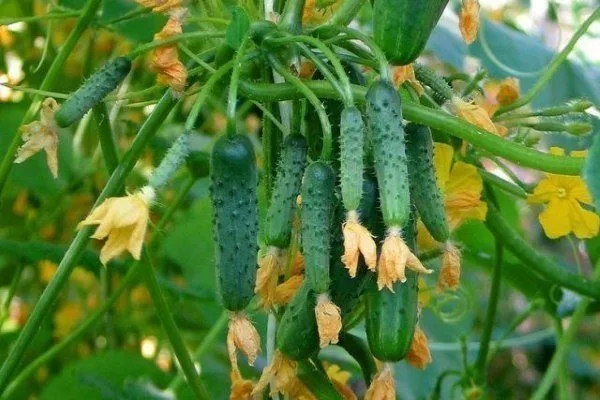
Selection by ripening period
Cucumbers can be either early-ripening or long-bearing. If your region has short summers, early varieties are more suitable, while if the summer season is long, late varieties are the best choice. Which varieties are more productive is worth considering separately.
Early (early maturing)
The following varieties are productive in this group:
- MashaThis versatile hybrid is resistant to dangerous diseases, including powdery mildew, viral mosaic, and cladosporiosis. It is self-pollinating, so it is not dependent on insects. Six to seven ovaries form per node, and each cucumber measures approximately 80-110 mm. The harvest is ready 36 days after planting. The cucumbers are cylindrical with medium-thick skin covered with large tubercles and small spines. The flesh is not bitter.
- HermannThis variety's growing season lasts 35-40 days. It produces short, bumpy, non-bitter fruits. They can be eaten fresh or used for canning. It's important to note that the plant doesn't thrive at temperatures below 8 degrees Celsius.
- BabyThe cucumbers bear fruit 30-40 days after germination. They can be eaten fresh or preserved for winter. These cucumbers are bee-pollinated and therefore grow only in open ground. They should be consumed within 10 days of harvesting, as they lose their flavor after that.
- MadamBears fruit 48 days after planting, weighing up to 85 g. It grows in bunches, each containing up to 7 cucumbers, which have thin skin with small bumps. They are excellent for pickling and salads.
- Delicacy.This vigorous bush produces small cucumbers weighing up to 140 g and up to 13 cm long. The cucumbers have a thin skin and sweet, crisp flesh. They are excellent for pickling. This variety is disease-resistant and tolerates short-term low temperatures well.
Comparison of yields by ripening time
| Ripening period | Average yield (kg/m²) | Fruiting period | Recommended regions |
|---|---|---|---|
| Early (30-40 days) | 12-18 | 3-4 weeks | Northern, Central Belt |
| Mid-season (45-50 days) | 15-30 | 5-6 weeks | Central, Southern |
| Late (50-70 days) | 20-40 | 8-10 weeks | Southern, Black Earth Region |
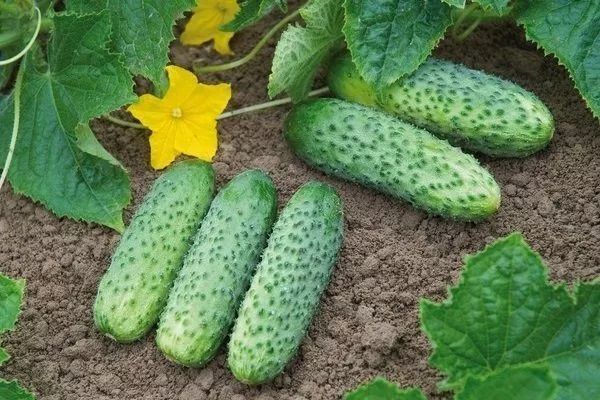
Variety "Masha"
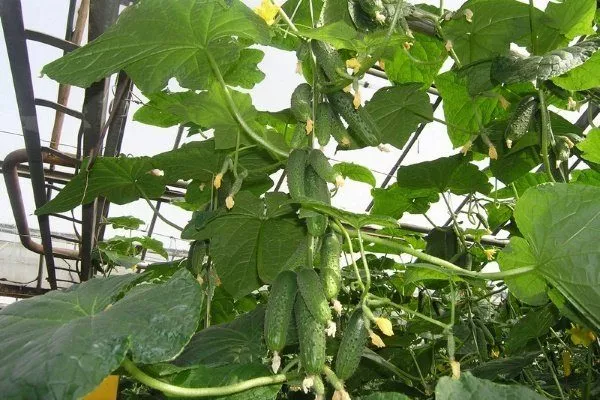
Cucumbers "Herman"
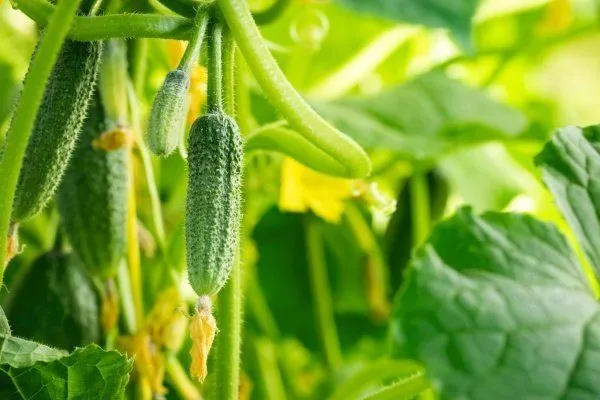
Cucumber variety "Malysh"
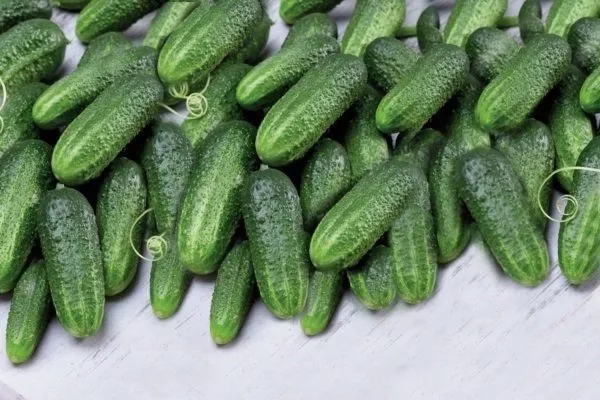
Cucumbers "Madame"
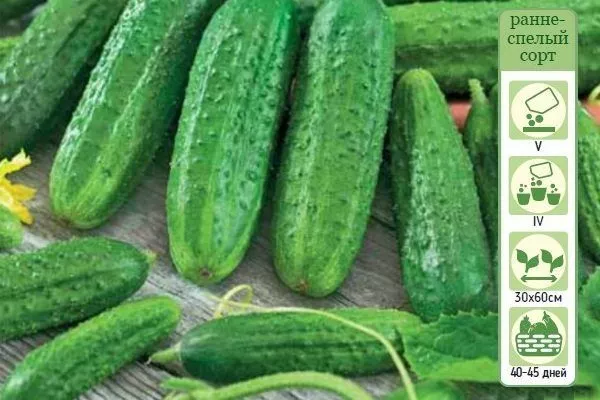
Cucumber "Delicacy"
Mid-season
Among the varieties that have an average ripening time of about 45-50 days, the best harvest is given by:
- LordProduces small cucumbers up to 12 cm long. Used for canning and pickling. Requires pollination by bees. Rarely susceptible to powdery mildew.
- MarindaIt produces cucumbers, each weighing up to 75 g, with firm, crisp flesh and excellent for pickling. A 1 sq. m plot can yield up to 30 kg of harvest.
- Nezhinsky-12This plant is easy to care for and resistant to olive spot and bacterial wilt. It produces relatively short fruits weighing 80-110 g and 100-120 mm long. They have large tubercles and excellent flavor, making them suitable for pickling.
- Nizhyn localThis vigorous and branched variety has a mixed flowering pattern—it can produce both large-tuberculate and ovoid fruits. The average gherkin weight is 80-110 g. They are also excellent for preserves. The plant is pollinated by bees and is resistant to diseases such as mosaic and olive spot.
- Son of the RegimentThis versatile variety is pollinated by bees. It is resistant to scab, mosaic, and powdery mildew. It produces oval-shaped cucumbers with large tubercles and white spines. They reach 80 mm in length. The cucumbers remain consistent in size and do not turn yellow for a long time.
- Far East 27It tolerates drought well and is suitable for fresh consumption and pickling. It grows in open ground and produces light green fruits with whitish stripes and large tubercles. They average 110-150 mm in size and weigh up to 200 g.
Comparison of mid-season varieties
| Variety | Yield (kg/m²) | Length of the fetus | Disease resistance |
|---|---|---|---|
| Lord | 18-22 | 10-12 cm | Powdery mildew |
| Marinda | 25-30 | 8-10 cm | Cladosporiosis |
| Nezhinsky-12 | 15-20 | 10-12 cm | Bacteriosis |
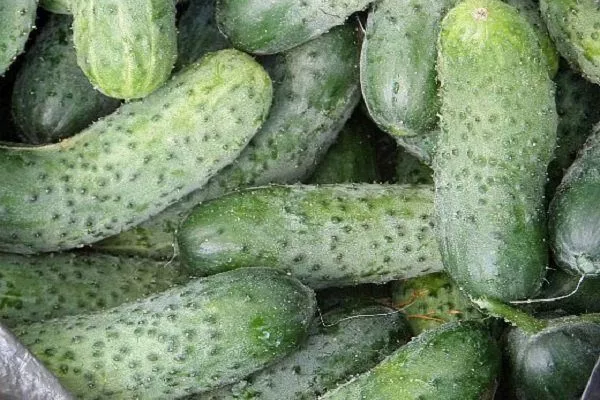
Cucumber variety "Lord"
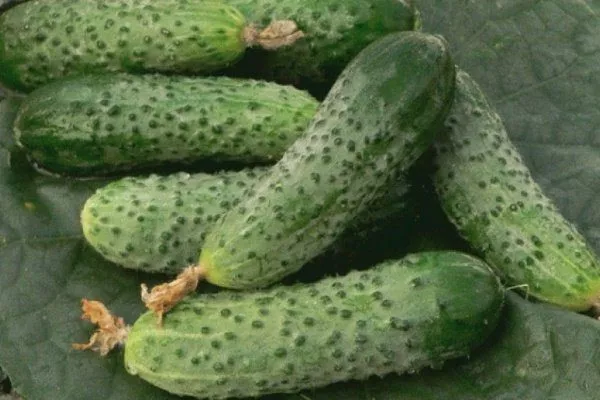
Marinda cucumbers
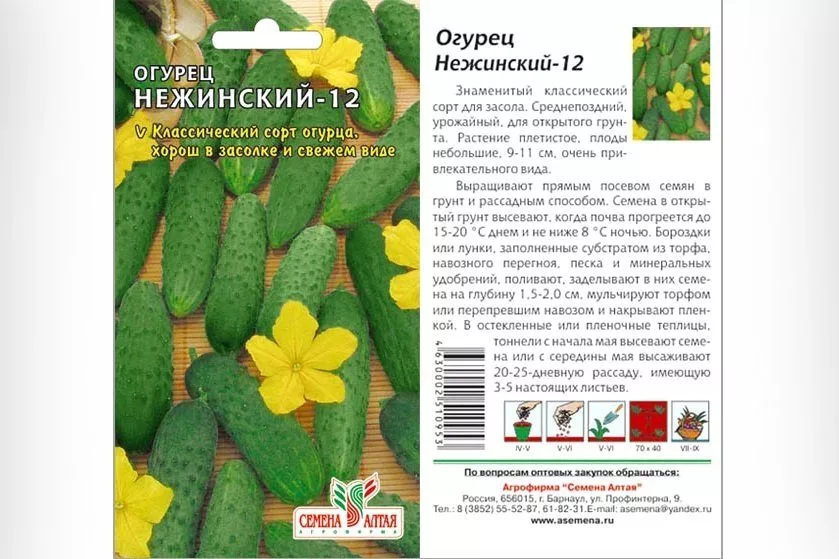
A packet of seeds "Nezhinsky-12"

A packet of cucumber seeds "Nezhinsky"
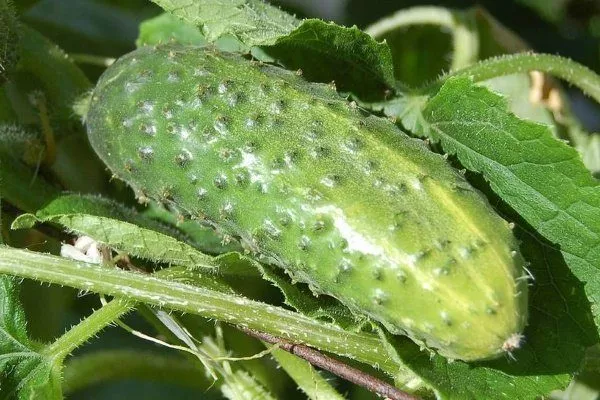
Cucumber variety "Son of the Regiment"
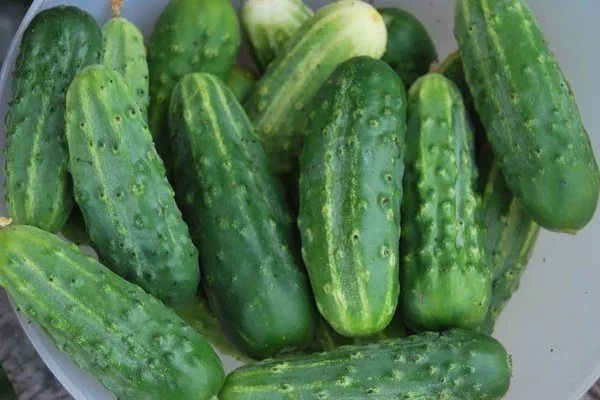
Variety "Far Eastern 27"
Late
These are crops that mature in 50-70 days. Among late-ripening varieties, the best yields are:
- Chinese miracleIt is a versatile crop that produces cylindrical, thin-skinned cucumbers up to 55 cm long and weighing an average of 500 g. A single bush can yield approximately 30 kg of fruit.
- Chinese climbingIt has a mixed flowering pattern, producing cucumbers measuring 100-120 mm and weighing 100-130 g. It is distinguished by stable yields, high pickling quality, and resistance to frost and disease.
- PhoenixIt also produces fairly large fruits – up to 220 g. The flesh is sweet and crispy.
- CrunchA versatile hybrid distinguished by its high disease resistance. Pollinated by bees, it produces bumpy cucumbers measuring 80-100 mm and weighing up to 80 g.
- WinnerIt produces long cucumbers with large tubercles that grow until frost. It is virtually disease-resistant.
Mistakes when growing late varieties
- • Planting in unheated soil (below +18°C)
- • Thickening of plantings (less than 40 cm between plants)
- • Untimely tying of vines
- • Stop feeding in August
- • Over-watering during the ripening period
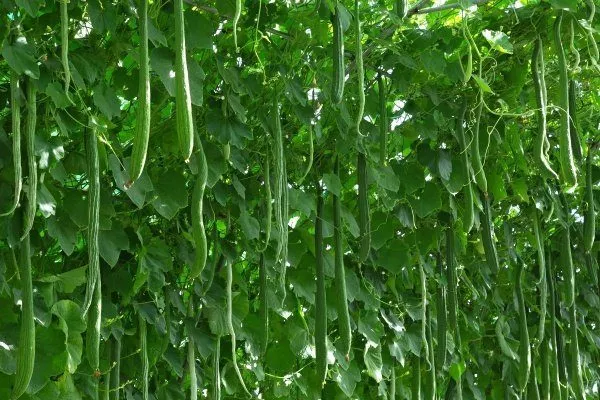
Cucumber variety "Chinese miracle"
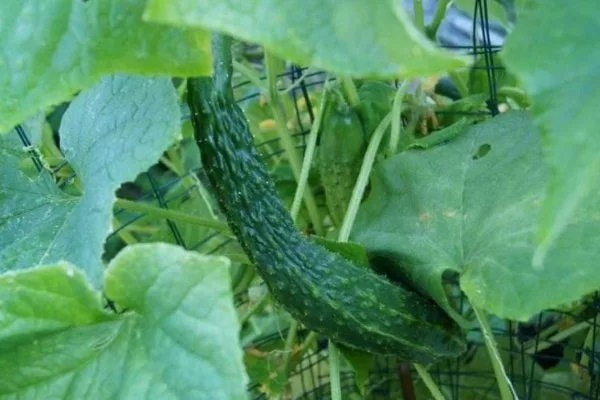
Chinese Climbing Cucumbers
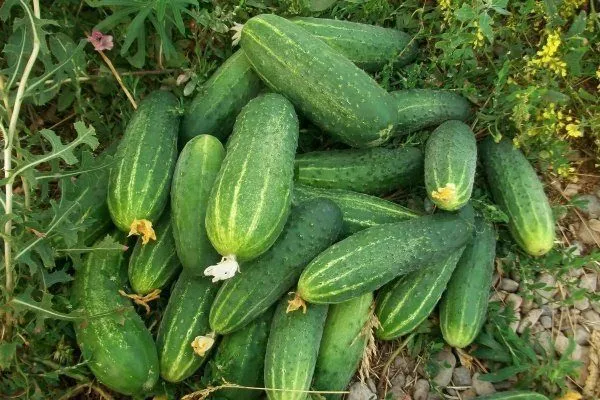
Phoenix variety
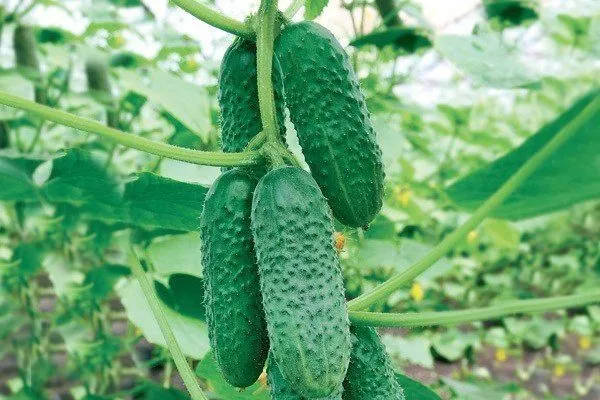
Cucumber variety "Khrust"
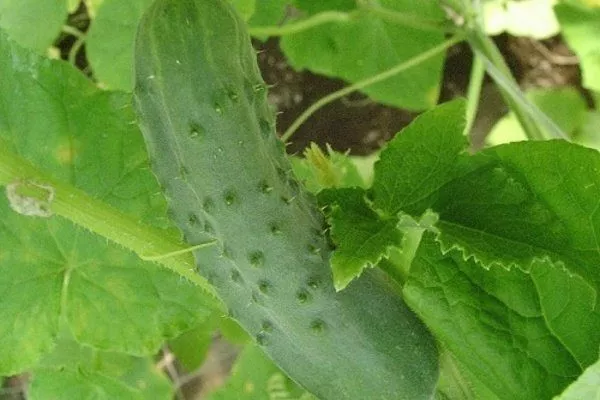
Cucumber variety "Winner"
When planting late varieties of cucumbers in open ground, the harvest can be obtained before the onset of cold weather.
Selection by pollination
According to this principle, cucumbers are classified as bee-pollinated or self-pollinating. Generally, the latter are more suitable for open ground, but if there is a beehive near the garden bed, bee-pollinated varieties can also be planted.
Bee-pollinated
The most productive hybrids are the following:
- NobleYou can harvest up to 12 grams of these cucumbers per square meter. Each one has white spines and grows up to 10-13 cm in length.
- StrongmanProduces the same yield as the previous variety. The cucumbers are oval-shaped and up to 10 cm long. The skin has white stripes and brown spines. They are primarily used for pickling.
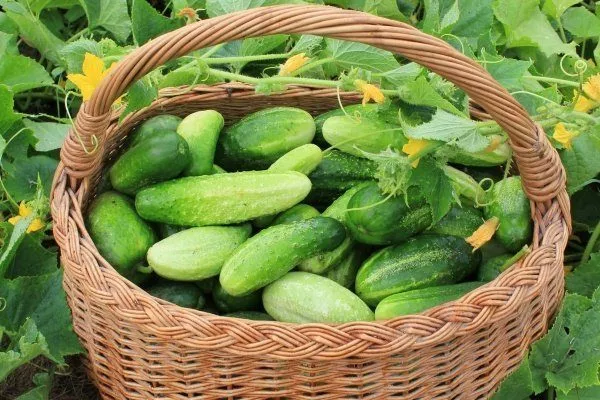
Cucumber variety "Dvoryansky"
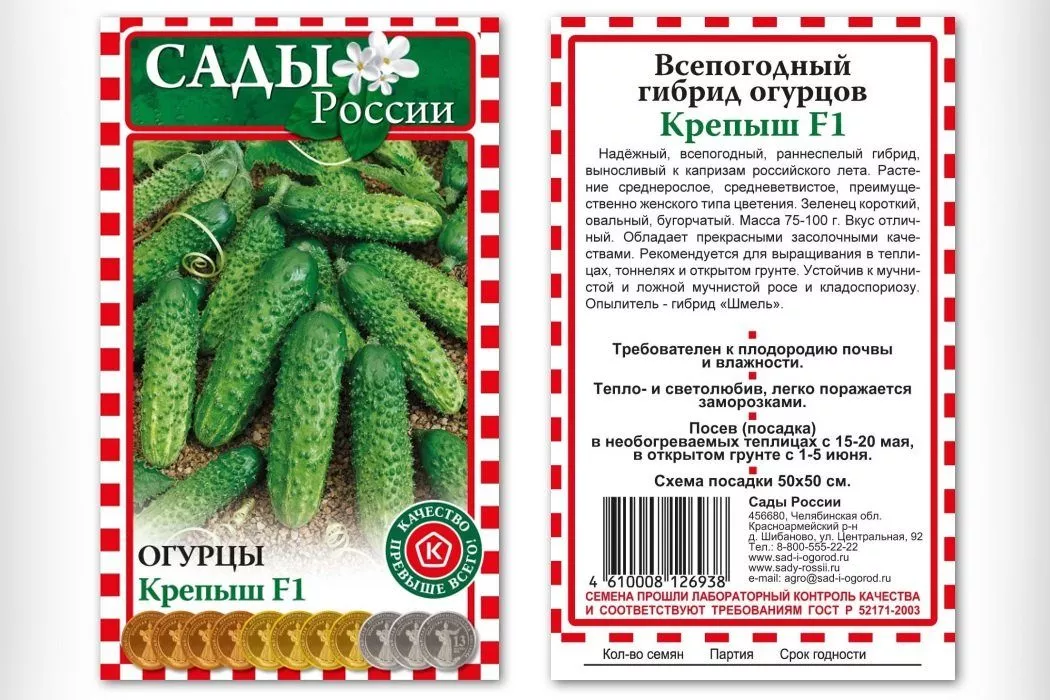
Cucumbers "Krepysh"
The "F1" label on the package denotes hybrid seeds that offer increased yield, good immunity, rapid growth, etc. However, crops grown from these seeds will produce poor offspring, so they are not used for seed production. Hybrids also require good agricultural practices, otherwise their benefits will not be fully realized.
Self-pollinating
They don't require pollination by bees, so they don't produce barren flowers, don't taste bitter, and remain firm after transportation and pickling. The most productive hybrids are:
- ClaudiaWith proper care, you can harvest up to 20 kg per square meter per season. The plant produces dark green cucumbers up to 10 cm long. They are versatile and can be used for any purpose.
- A friendly familyProduces 10-12 cm long cucumbers that have excellent flavor and are versatile. 10 kg of cucumbers can be harvested from 1 square mm.
- White AngelThe variety's name is no coincidence, as it produces cucumbers of an unusual white color. They have excellent flavor, making them ideal for salads and pickling. One square meter yields 12 to 15 kg.
- ChampionIt boasts a higher yield than its self-pollinating counterparts – 1 square meter can yield 20 kg of dark green cucumbers, approximately 10-12 cm long.
- PetrelIt has a wonderful aroma and is ideal for pickling. It produces cucumbers approximately 11-13 cm long. Over 12 kg of harvest can be obtained from 1 square meter. The variety tolerates summer heat well.
- PinocchioIt is grown primarily for canning and pickling. One square meter can yield up to 15 kg of small cucumbers—no longer than 9 cm.
- OrpheusThis variety is suitable for salads. It produces cucumbers 10-12 cm long. Up to 16 kg of harvest can be collected from 1 square meter.
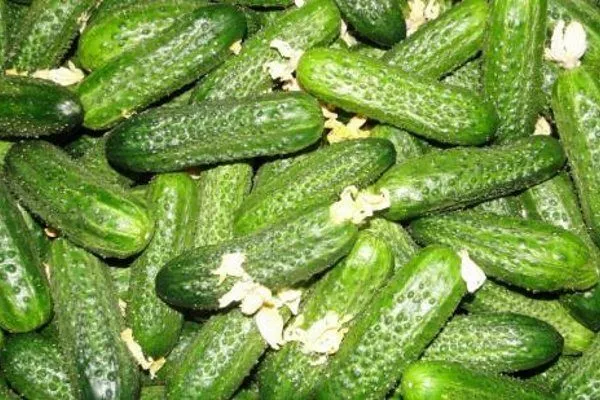
Cucumber variety "Claudia"
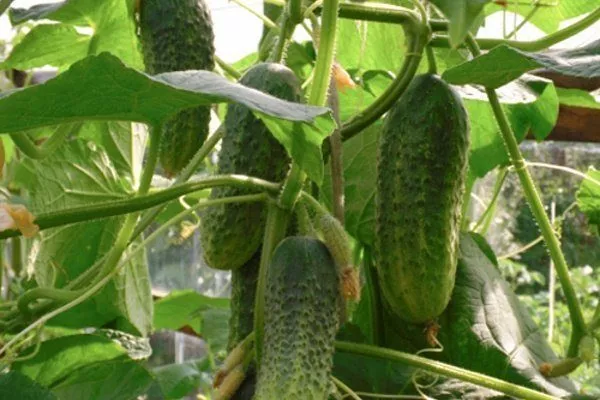
Cucumbers "Friendly Family"
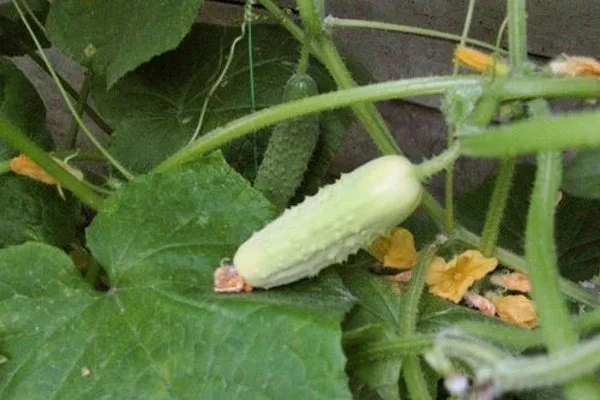
Variety "White Angel"
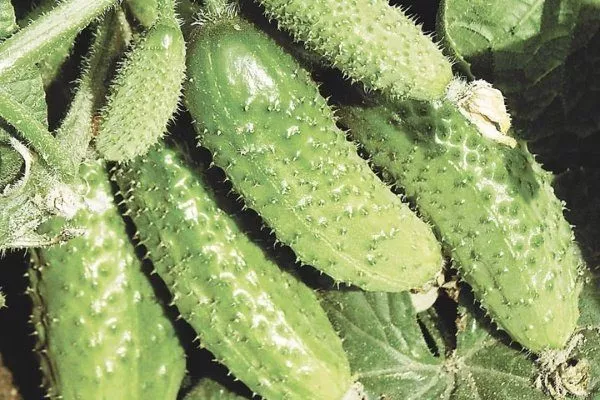
Cucumber variety "Champion"
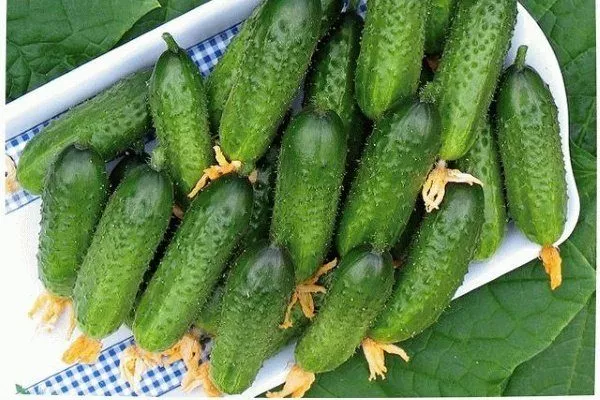
Burevesnik cucumbers
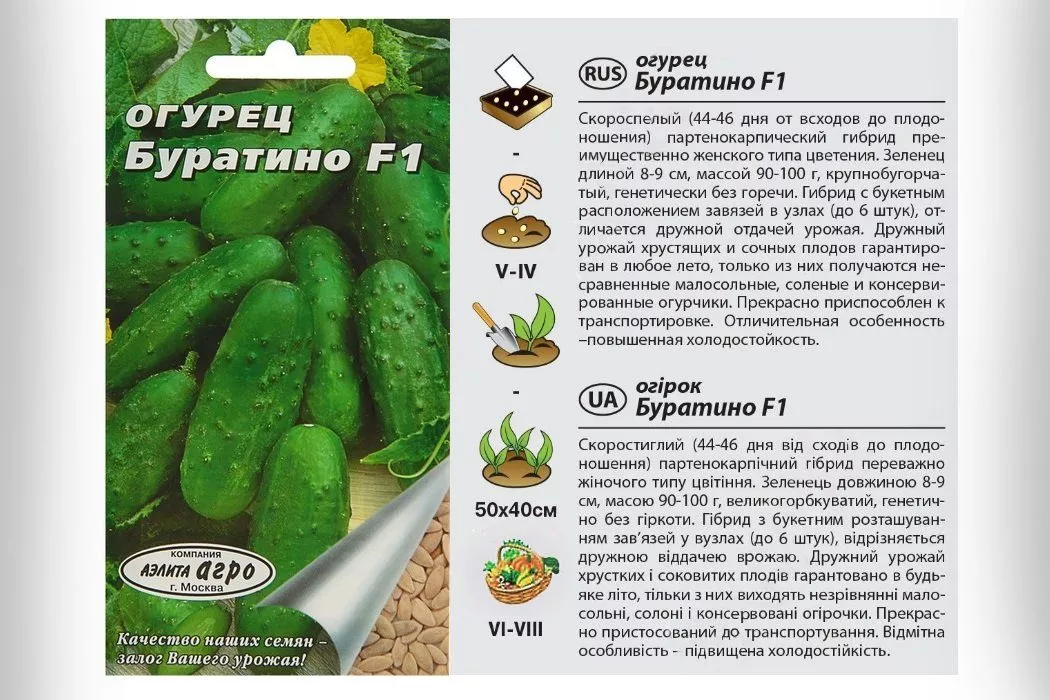
Buratino variety
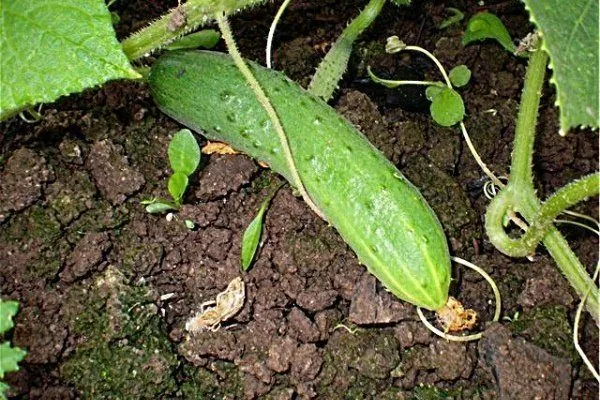
Cucumber variety "Orpheus"
The hybrids listed above grow well in areas where bees can't reach. There are also cucumbers. parthenocarpic type of pollinationThey produce fruit on their own, without pollination, which is very convenient when growing cucumbers in greenhouses.
Bush varieties
This plant is a small bush, about 1.5 m tall, abundantly covered with green leaves and ovaries. These varieties are typically early ripening, and the most productive among them are:
- BabyIt produces fruits weighing up to 90 g, which are ovoid, with large tubercles and whitish pubescence. They are used for a variety of purposes, as they are versatile.
- HectorOn average, it produces cucumbers up to 100 mm in size. They are distinguished by their cylindrical shape, white pubescence, and large tubercles.
- ShortyIt is a versatile crop. The bushes grow up to 45 cm tall. They produce oval or cylindrical cucumbers, light green in color and up to 90-100 mm in size. The delicate skin may have fine stripes or a chintz pattern.
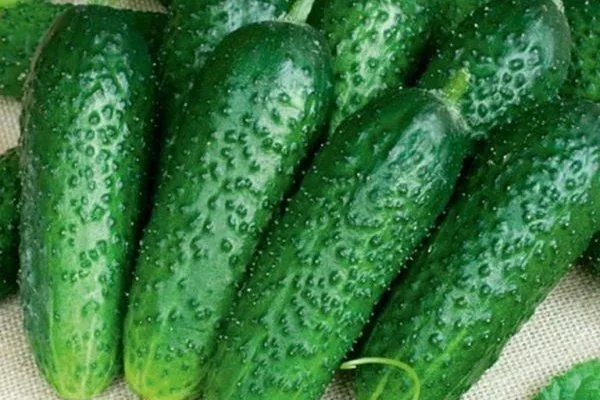
Cucumber variety "Malyshok"
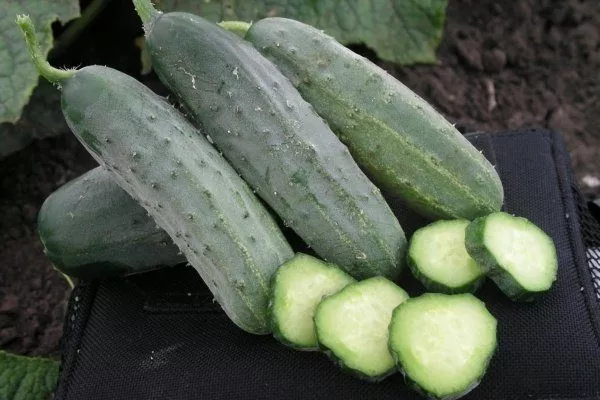
Cucumbers "Hector"
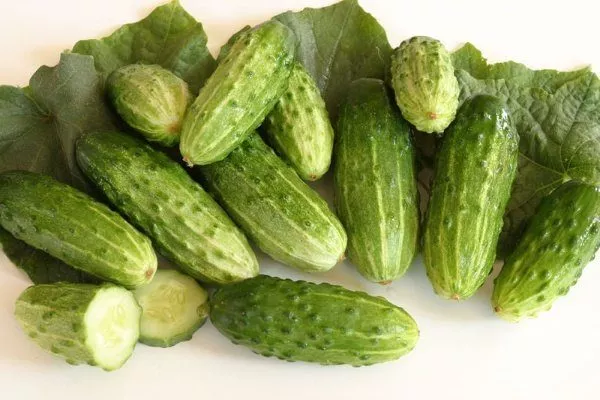
Variety "Shorty"
Bunch varieties
Unlike other varieties, cluster plants produce several ovaries at once in a single node, the exact number depending on growing conditions. On average, hybrids can produce 3 to 9 ovaries at each node, increasing the yield severalfold. They are primarily planted in small plots, as they take up minimal space.
The most productive among them are the following varieties:
- PrestigeThis domestically bred variety bears fruit 43-45 days after germination. It is often planted in central Russia. Three to four fruit buds form at each node, and up to 25 kg of yield can be harvested per square meter. The cucumbers have large tubercles and spines, and the flesh is not bitter and juicy.
- Bundle splendorA single plant produces 3 to 7 ovaries, ensuring a high yield—up to 400 g of cucumbers can be harvested from a single bush. This variety is planted in northern Russia because it tolerates temperature fluctuations.
- SnowstormThis is a female-flowering hybrid. A single ovule produces 5-6 yellowish-striped cucumbers, 8 cm long and weighing up to 60-70 cm.
- DetinetsThe hybrid has predominantly female flowering. Up to five ovaries form at almost every flowering node. The cucumbers are up to 12 cm long and weigh approximately 100-120 g. The skin has small tubercles and light brown spines.
- Tom ThumbThe plant is resistant to many diseases, including powdery mildew, olive spot, and downy mildew. Three to six ovaries form in each axil. The fruits are bright green, with large tubercles and white spines. They average 8-10 cm in length.
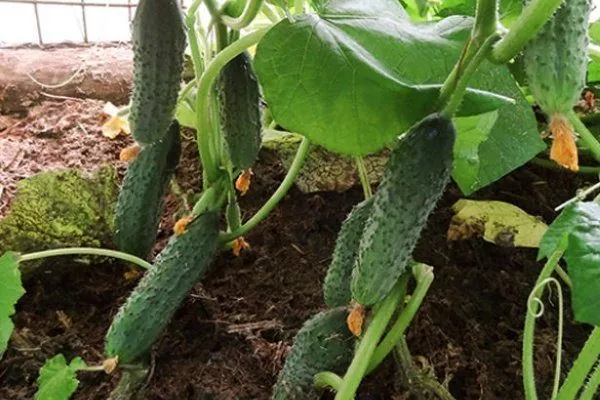
Cucumber variety "Prestige"
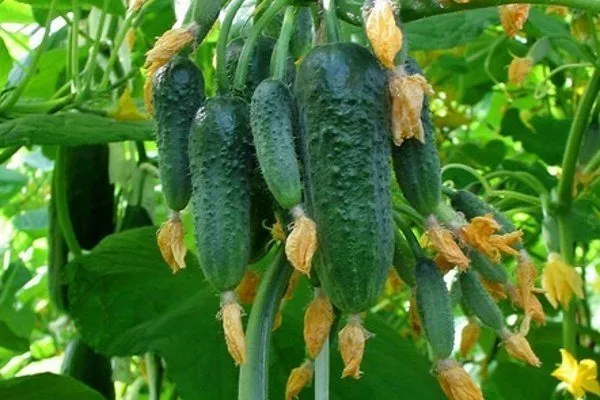
Cucumbers "Bunch Splendor"
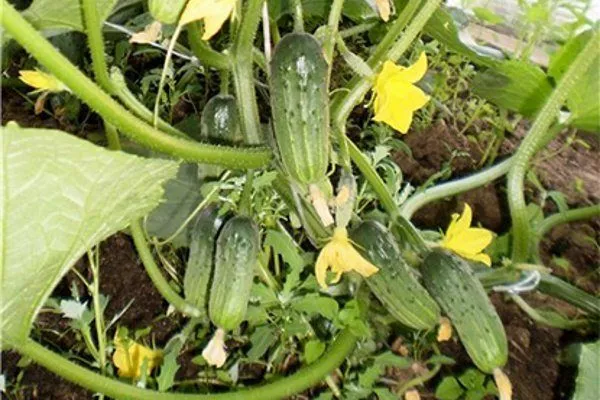
Variety "Blizzard"
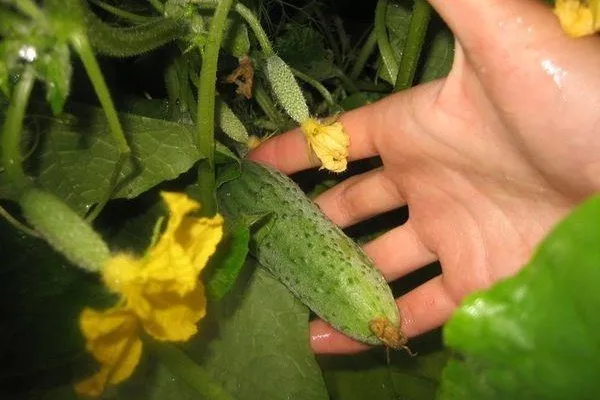
Cucumber variety "Tom Thumb"
Selection by purpose of use
Cucumbers can be planted in the ground for eating straight or for canning. Salad varieties are best for the former, while pickling varieties are best for the latter. There are also versatile varieties that can be used at your discretion. Each category has its own high-yielding varieties.
Salad
These are cucumbers with white spines and thick skin that poorly absorbs marinade or brine, so they are not used for converting. Among these, the most productive varieties are:
- BazaarIt ripens in 35-45 days. It is resistant to cucumber mosaic, powdery mildew, and cladosporiosis. Each node produces 1 to 3 cucumbers, which are 10-15 cm long and weigh up to 100 g.
- BukharaProduces smooth, dark green cucumbers with a pleasant flavor. They average 15 cm in length and weigh about 115 g. Three or more fruits form per node.
- CuckooThe plant is pollinated by bees and ripens in 35-40 days. The cucumbers are rich green, 22 cm long, and weigh up to 300 g. This variety is planted exclusively in open ground.
- MakarThis mid-season hybrid is resistant to root rot, anthracnose, and other diseases. Cucumbers are 15-20 cm long and weigh approximately 200-250 g.
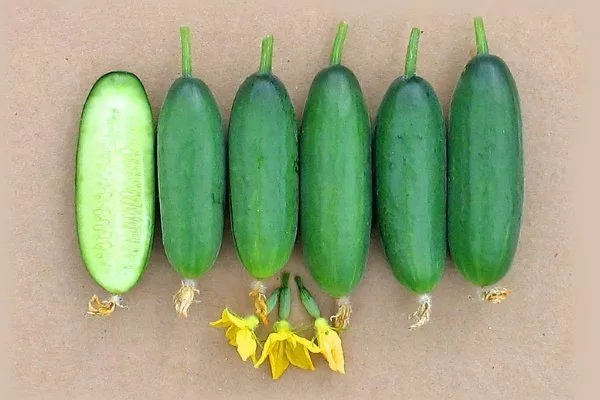
Cucumber variety "Bazar"
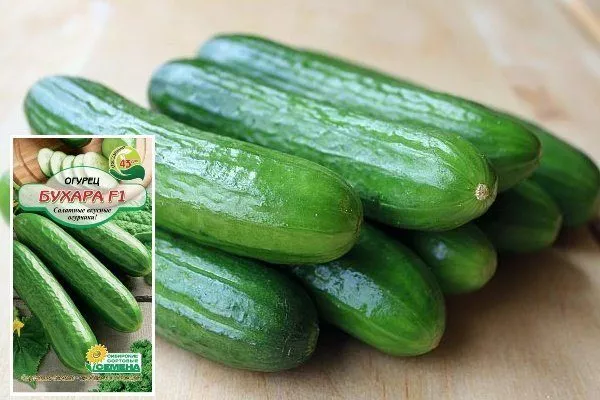
Cucumbers "Bukhara"
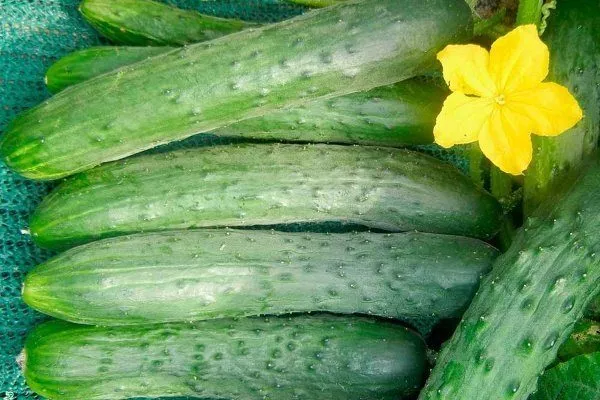
Cucumbers "Zozulya"
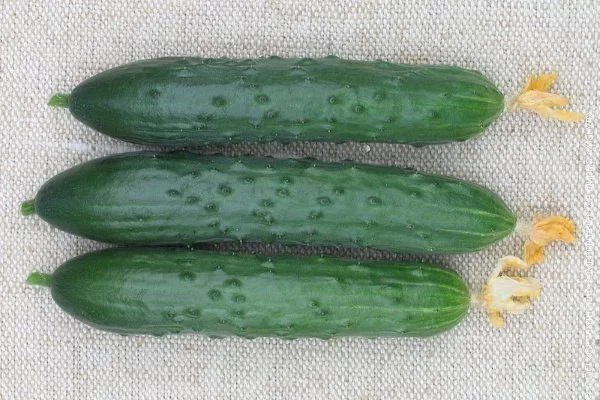
Variety "Makar"
For blanks
Unlike salad cucumbers, these cucumbers have black spines and strong tubercles. Among them, the following varieties yield the highest yields:
- CrispIt is a mid-season hybrid, up to 15 cm in length. It is excellent for canning and has a firm, but not thick, crisp skin.
- GoosebumpsThis self-pollinating variety is characterized by clustered ovary formation and female flowering. It yields better when planted outdoors than when grown in a greenhouse.
- Parisian gherkinIt is pollinated by flowers and bears fruit 40-45 days after germination. The cucumbers average 6-10 cm in length and weigh 70-90 g.
Criteria for selecting varieties for preservation
| Parameter | Optimal values |
|---|---|
| Length of fruits | 6-12 cm |
| Length to diameter ratio | 3:1 |
| Sugar content | 2.0-2.5% |
| Skin thickness | 0.5-0.7 mm |
| Pulp density | 0.75-0.85 g/cm³ |
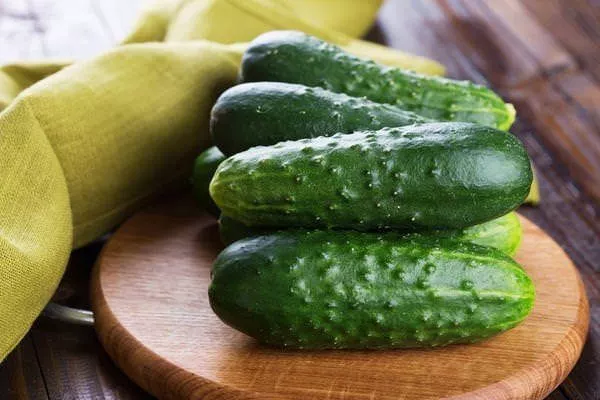
Cucumber variety "Crispy"
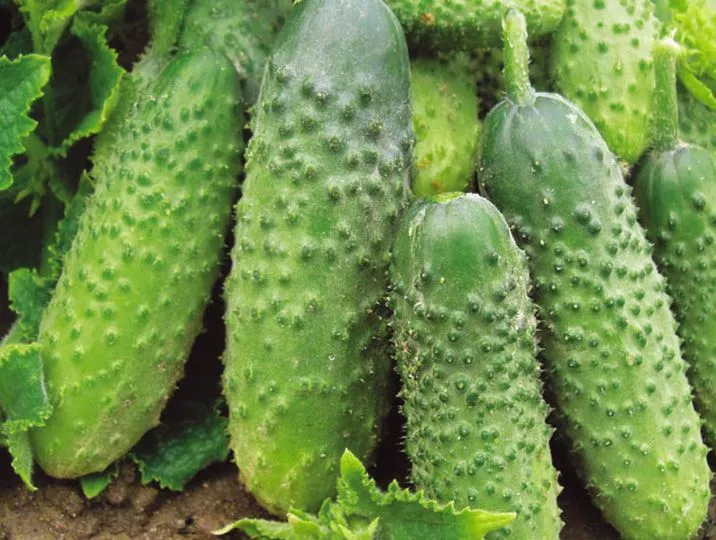
Variety "Murashka"
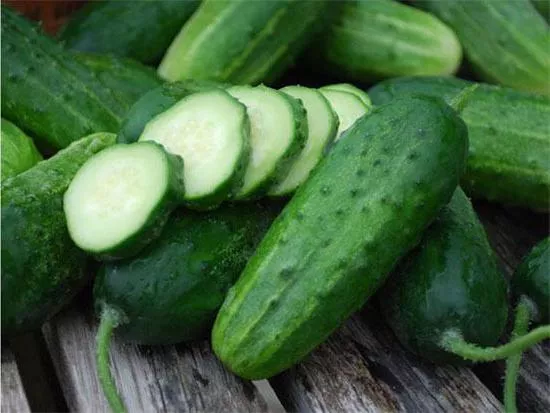
Parisian Gherkin Cucumbers
Universal
The following varieties not only have a variety of uses, but can also be planted in any location, as they adapt well even to the harsh northern climate:
- AltaiThis cold-hardy variety is pollinated by bees. It's excellent for canning. The plant is disease-resistant and produces bright green, oval-shaped cucumbers up to 10 cm long. They have whitish spines.
- MirandaThis early-ripening variety is frost- and disease-resistant. The fruits are medium-sized—up to 12 cm long and weighing up to 120 g. They are distinguished by their rich green color with yellowish stripes or white speckles. They have a cylindrical shape.
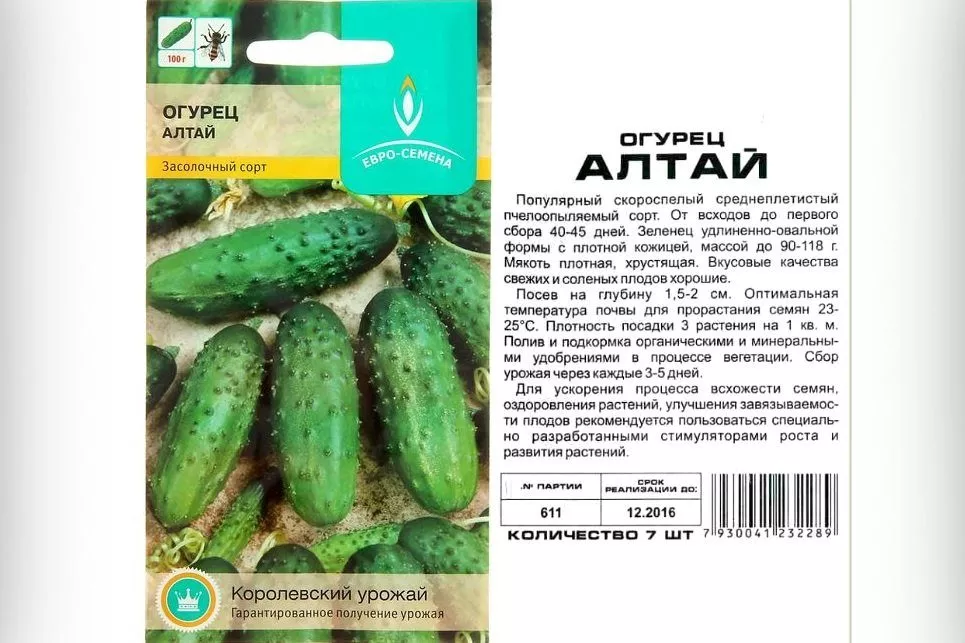
Variety "Altai"

Miranda cucumbers
High-yielding cucumber varieties suitable for outdoor planting vary in many ways, so the choice should be based on your preferences and capabilities. In any case, many are well adapted to the most adverse weather conditions and are resistant to diseases and pests.