
The Teshcha cucumber is one of the most popular hybrids, receiving many positive reviews. It has proven itself as a reliable and productive crop, delivering high yields and excellent vegetable quality. It's important to follow the care recommendations to successfully grow the plants in your garden and reap bountiful harvests.
Introduction to the variety
Teshcha is a unique hybrid plant renowned for its cold tolerance. This variety is resistant to most common diseases, allowing it to be grown in various regions of the country.
External and taste characteristics, purpose
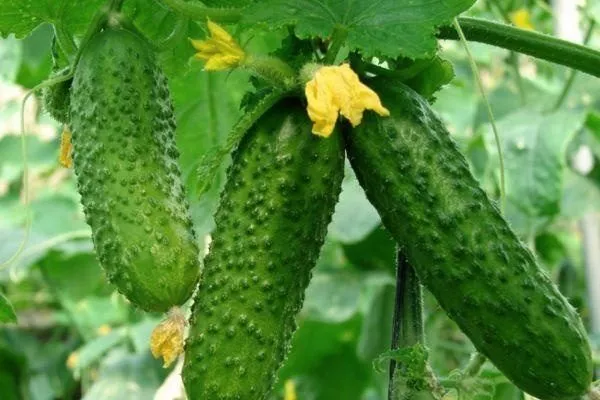
The bush is indeterminate, with medium branching and medium-sized green leaves. Three female flowers form at each node. Fruit characteristics:
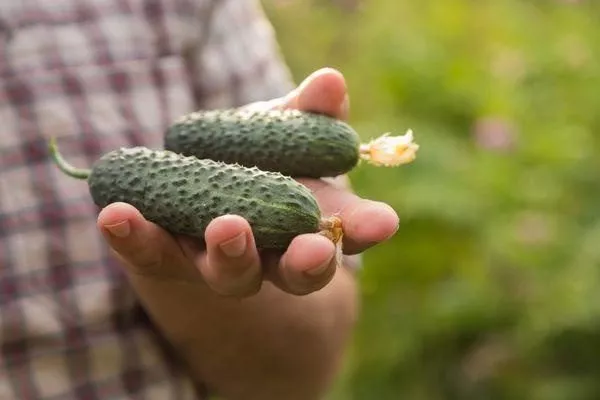
- short, 11-13 cm long;
- weighing about 102 g;
- cylindrical shape.
Cucumbers have green skin with stripes and bumps. They are highly marketable and transportable, retaining their flavor even during transit. They can be stored in the refrigerator for quite a long time.
Consumers note their excellent flavor, without bitterness, with a pleasant, fresh aroma. The flesh is crisp and tender, making them ideal for vegetable salads. The fruits withstand cooking well, without developing hollows and retaining a slight crunch. Gherkin-stage specimens are used for preserves.
Origin
The hybrid plant was developed by a group of breeders that included A. E. Portyankin, S. F. Gavrish, A. V. Shamshina and V. N. Shevkunov.
Due to its potential and productivity, it successfully passed all necessary tests, after which it was included in the State Register in 2007.
Composition, benefits, calorie content
Like other varieties, it consists of 95% structured water. It contains:
- beta-carotene;
- vitamins of all groups;
- minerals;
- fiber.
Fresh cucumbers have many beneficial properties for the body:
- improve bowel function;
- have a beneficial effect on the thyroid gland;
- help prevent the formation of cholesterol plaques;
- have a general tonic effect.
The maximum yield from one cucumber bush reaches 7 kg, and from 1 square meter – up to 12 kg.
Ripening time
One of the hybrid's key advantages is its early ripening. From the moment the first shoots emerge to the start of fruiting, it typically takes no more than 44 days. In most cases, harvesting begins in the first half of July, as the fruit ripens.
Resistance to diseases and pests
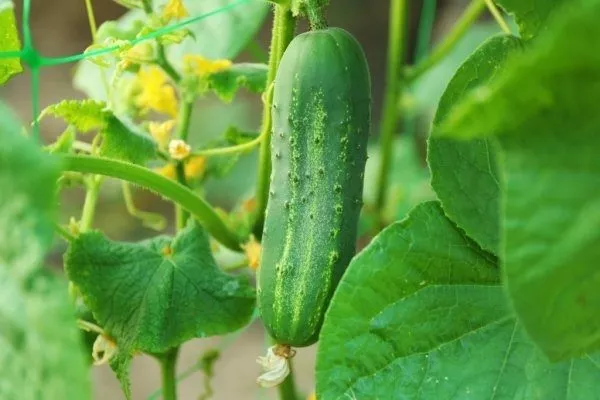
Teshcha cucumbers are characterized by good disease and pest resistance, making them less susceptible even to such a common problem as powdery mildew. They adapt well to adverse weather conditions.
Cultivation regions
The following climate regions are suitable for growing this hybrid: the Volga-Vyatka, Northern, Northwestern, North Caucasian, Middle Volga, and Central regions. It is also successfully cultivated in the Central Black Earth Region of our country.
How to grow a Mother-in-Law on your own?
The cultivation technology includes standard steps: selecting and preparing a site, growing seedlings, or sowing seeds directly into the soil. Providing the crop with comprehensive care is essential.
Planting by seeds and seedlings
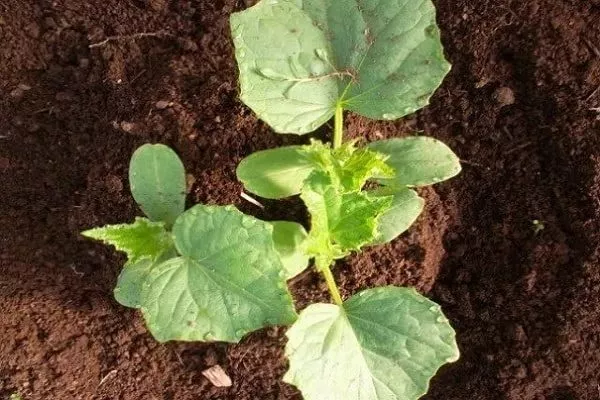
Grow the crop using seedlings. Begin planting as early as late April. Place the seeds in individual containers, such as cups or peat pellets. Water the soil, cover the containers with plastic wrap, and move them to a warm location with a temperature of 20-24°C and humidity of 60-80%.
The hybrid requires consistent light, at least 12 hours a day. Once the first cotyledon sprouts appear, reduce the temperature by 2-3 degrees. Water the seedlings daily with room-temperature water. Transplant to a permanent location after 2-3 full-fledged leaves have formed.
Transfer algorithm:
- Pour the container generously.
- Turn it over together with the lump of earth.
- Place the sprout with soil into the prepared hole to a depth of 1-2 cm.
Plant outdoors no earlier than May. Cover the seedlings with plastic wrap overnight in the first ten days of May.
Growing and care
After transplanting the seedlings to their permanent location, allow them 10-12 hours to acclimate. Do not disturb the seedlings during this period. Moisten the seedlings 24 hours after planting.
From then on, water daily, and twice a day on particularly hot days. Once the ovaries have formed, reduce the frequency to once every 2-3 days.
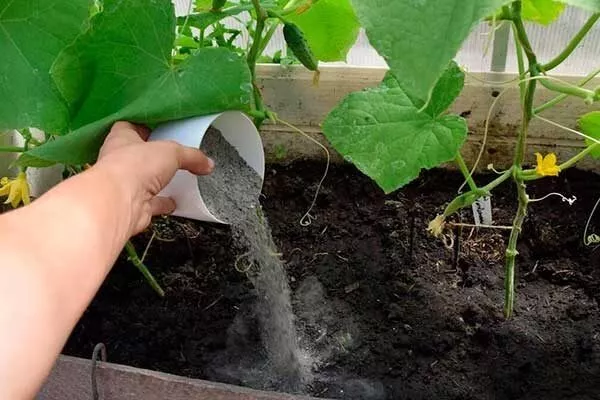
Start fertilizing 4-6 days after planting the seedlings in open ground, when the bush has 3-4 pairs of leaves. Suitable fertilizing options:
- A mixture of mullein and water (1:10) or a mixture of chicken manure and water (1:20). Pour the solution directly under the root.
- Herbal infusion. Pour boiling water over the chopped weeds and leave to ferment for 7-10 days. Dilute the mixture with water in a ratio of 1:5.
- Yeast feeding. Dissolve 1 packet of dry yeast in 3 liters of warm water, add 2 teaspoons of sugar, stir until foam appears, then add 10 liters of water and water the soil under the bushes.
- Special complex fertilizers. Use Gumi-Omi, BioHumus, Bogatyr.
Features of cultivation and possible difficulties
Poor growth and pale leaves often indicate improper cultivation practices. This crop requires specific conditions for normal development:
- Moisture. Regular watering is required, but overwatering can cause problems. Maintain optimal humidity levels, avoiding overwatering.
- Air currents. The plant does not tolerate drafts or heavily wind-exposed areas. Provide protection from frost.
As the bush grows, fruiting moves upward, so remove the lower, older leaves promptly. This will prevent the accumulation of dirt and moisture and the development of harmful fungi.
Diseases and pests
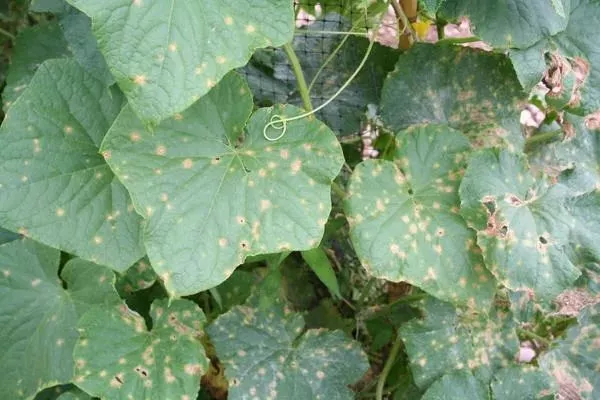
Although the Teshcha cucumber is renowned for its strong immunity, it can still be susceptible to certain problems if not properly cared for. Common diseases and pests include:
- Alternaria or dry spot. Affects greenhouse plants. The main symptom is brown, raised spots on the leaves. Spray the plants with Bravo, Quadris, Poliram, or Bordeaux mixture (1%).
- Mosaic. Occurs with sudden temperature changes. Symptoms include yellowing and distortion of leaves, poor flowering, lack of new fruit, and drop of old fruit. Remove infected plants and spray with a Farmaiod-3 solution.
- Cladosporiosis or olive spot. Symptoms include dry leaf margins, ulcers on the stems, and brown pits on the fruit. Stop watering for 7 days and treat the plants with Bordeaux mixture or Oxychom.
- Cucumber mosquito. The insect is up to 4 mm long, dark gray with brown or reddish hues. Spray the bushes with Chlorophos or Thiophos, use sticky traps, and apply the fungicide Fufanon.
- Spider mite. Small brown insects, approximately 0.5 cm long, with 4 pairs of legs. Destroy affected areas, treat with folk remedies (diluted hydrogen peroxide or ammonia, datura infusion, onion, and garlic), or use biological products such as Fitoverm, Kleschevit, Akarin, and similar products.
- Sprout fly. A fly up to 5 mm long with a hairy body and large eyes. Treat with insecticides such as Fufanon, Kemifos, and Iskra.
- Melon aphid. A yellowish, sucking insect measuring 2-3 mm. Use Karbofos for greenhouse or hotbed applications. Spray the crop with Iskra or Confidor.
- Slugs. Elongated small mollusks. Treat the beds with iron or copper sulfate, or use poisons such as Meta, Slizneed, and Groza.
Inspect your plants regularly to identify the cause in a timely manner and save your plants from death.
Harvesting and use of the crop
Teshcha cucumbers are distinguished by their gradual harvest: the stated 7 kg per plant is not harvested in one or two harvests, but spread out over the entire season. Pick the cucumbers daily or every other day. Fresh cucumbers can be stored in a cool place for up to 5-7 days.
The fruits are used in salads, pickles, lightly salted appetizers, or frozen whole. These vegetables are grated or shredded in winter to make a flavorful okroshka or a vitamin-rich salad.
Advantages and disadvantages
The hybrid quickly gained popularity among vegetable growers due to its many significant advantages. Key benefits:
Flaws:
The crop has many positive qualities, but it also has some negative traits. These should be taken into account before planting in the garden.
Reviews from gardeners
The Teshcha cucumber is an excellent choice for those seeking a stable and abundant harvest with minimal time and effort. Good productivity, excellent taste, and resistance to adverse conditions make this hybrid a popular choice among vegetable growers. Proper and regular care is key.