
Zircon cucumbers are a hybrid variety that quickly gained popularity among gardeners due to their high productivity and excellent taste. Not only do they boast positive characteristics, but they also boast remarkable adaptability to a variety of growing conditions. It's important to give them a little attention and provide them with proper care.
Description of the plant
This hybrid variety was developed by Nunhems BV and has been approved for use since 2011. It is distinguished by its good commercial value and yield.
What are the characteristics of the gherkin hybrid?
Distinguishing features of this cultivar include self-pollination and uniform fruiting over a period of four months. The bushes have strong, vigorous central trunks and female flowering.
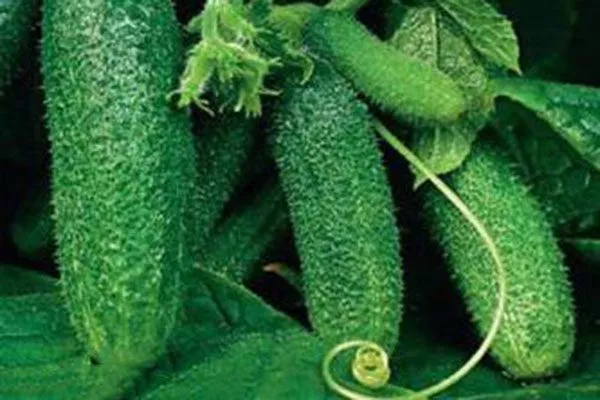
Bush
This cucumber is an indeterminate (with unlimited growth) and medium-sized variety. The plant has medium branching and large, dark green leaves. Each node contains several female flowers.
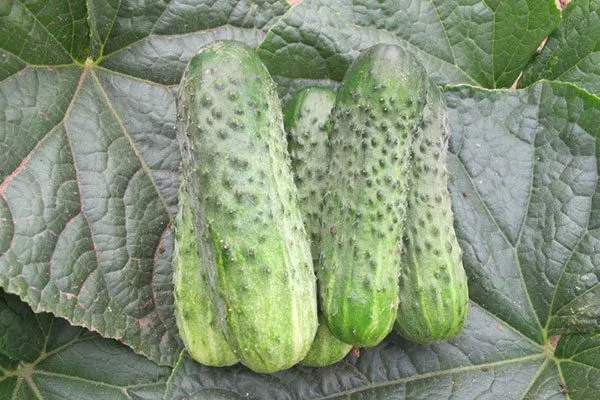
Fruits, their taste and purpose
It has many useful characteristics that appeal to consumers. Here are its key qualities:
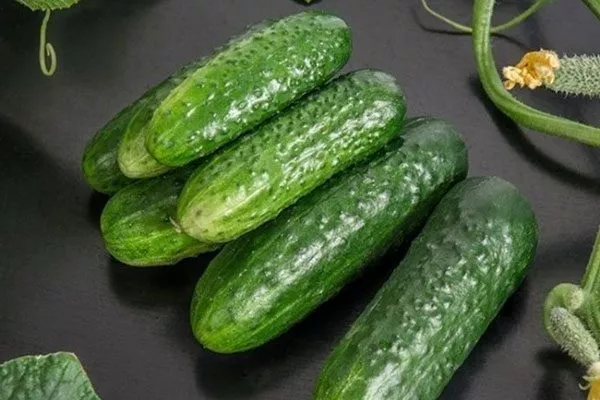
- The length ranges from 9 to 11 cm, the weight varies from 65 to 83 g.
- The vegetables have a cylindrical shape, dark green color with short stripes, and a tuberculate surface with medium-sized tubercles.
- The spines on the skin have light brown pubescence.
- The taste is excellent.
- The flesh is crisp, making the fruit especially tasty when eaten fresh.
- The variety is intended for use in salads, as well as for pickling and canning.
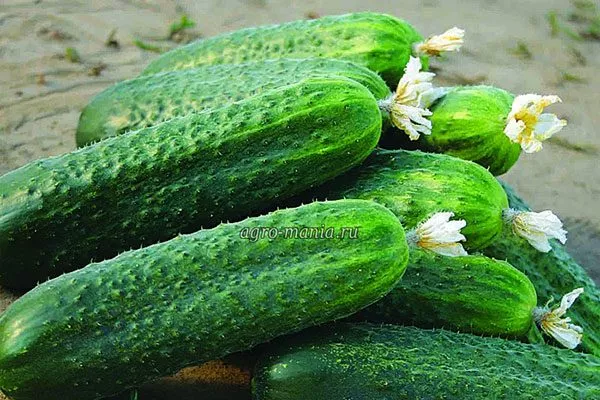
Characteristics
The average yield ranges from 342 to 680 centners per hectare. The hybrid is characterized by early harvest, beginning as early as 36-40 days, high growth vigor, and regenerative capacity. Furthermore, it is resistant to root rot.
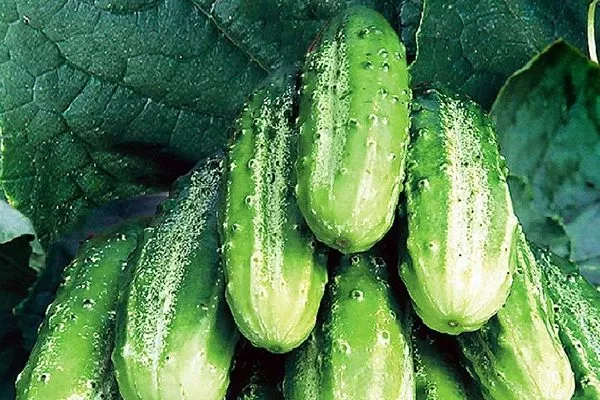
Rarely susceptible to various diseases and pests. Resistant to cucumber mosaic, cladosporiosis, and powdery mildew.
Landing
For normal development, provide sufficient sunlight and warmth. The optimal planting density is 350-450 plants per 1 are.
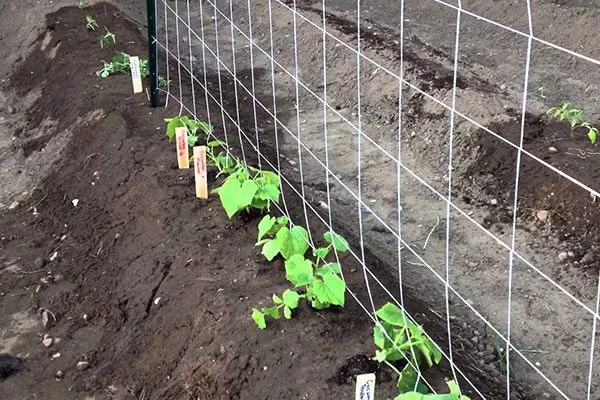
Step-by-step instructions:
- Choose a sunny location.
- Prepare the soil by digging it to a depth of about 25-30 cm. Make sure it is loose and well-drained.
- Add organic fertilizer, such as compost or rotted manure. This will improve the soil structure and provide the plants with essential nutrients.
- Soak the seeds in warm water for 12-24 hours to speed up the germination process.
- Make holes or furrows in the prepared soil. The distance between holes should be approximately 50-60 cm, and between rows – about 100 cm.
- Place 2-3 seeds in each hole to a depth of about 1.5-2 cm.
- Fill with soil and compact it lightly.
- Water the sown seeds moderately so that the soil is moist but not waterlogged.
- ✓ Optimum soil temperature for seed germination: not lower than +15°C.
- ✓ Required soil moisture: 70-80% of the total moisture capacity.
Growing and care
This plant requires regular and adequate watering to ensure healthy growth and development. Water the bushes in the morning or evening to prevent moisture evaporation and overheating the roots. In hot weather, water 2-3 times a week; on cooler days, once a week is sufficient.
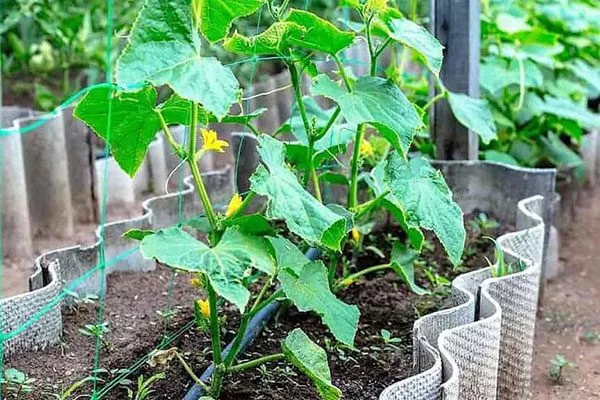
Perform the following care procedures:
- Zircon cucumbers require regular feeding to ensure good growth and yield. Two weeks after planting, use a high-nitrogen complex fertilizer to stimulate vegetative growth.
At the beginning of flowering, apply phosphorus-potassium fertilizers to promote flower and fruit formation. Three to four weeks after the second feeding, use the same formulas to maintain fruiting. - This plant is characterized by a medium-sized habit and requires support. Install supports or netting to support the vines and prevent them from touching the ground. This will improve ventilation and reduce the risk of disease.
- Weed regularly to remove weeds that may compete with the fruit for water and nutrients. Periodic hilling helps support the root system and improves soil structure.
- Remove excess shoots and side shoots to focus the plant's energy on fruit formation. This promotes better air circulation and reduces the risk of fungal diseases.
- Check plants for signs of disease and pests. If necessary, apply fungicides and insecticides according to package instructions.
Advantages and disadvantages
Before planting a crop in your garden, carefully consider its positive and negative qualities. Zircon has more advantages than disadvantages:
Agronomists consider the need for regular fertilization to be a negative aspect.
Cucumber Zircon F1 (mini gherkin) reviews
Zircon cucumbers are an excellent choice for those seeking a bountiful harvest and high-quality fruit. This variety combines many positive characteristics, attracting the attention of both novice and experienced gardeners. With proper care, the plants will develop a strong immune system, thrive, and produce fruit throughout the season.