
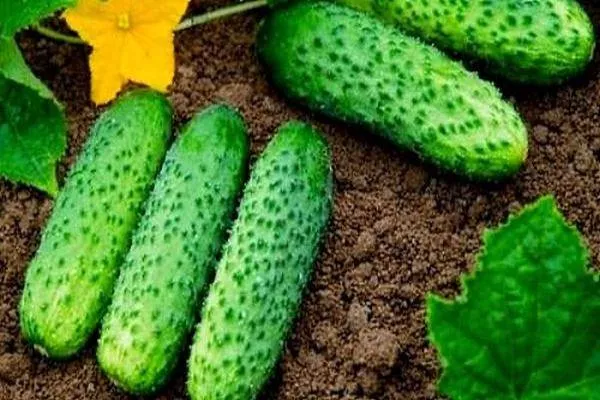
Caesar cucumbers have gained popularity among Russian gardeners. This hybrid is noted for its early maturity, consistent productivity, and excellent flavor. Before growing, it's important to understand the crop's key characteristics and ensure timely and proper care, as this determines the yield.
Introduction to the variety
The hybrid is suitable for active cultivation in both open beds and greenhouses. The period from germination to fruiting takes 50-55 days, with the first fruits beginning to ripen in approximately 1.5 months.
Caesar salad, in addition to its excellent taste and pleasant texture, has a significant nutritional composition, which makes vegetables a valuable product for health:
- They are 95% water, making them an excellent way to maintain hydration.
- They contain B vitamins (B1, B2, B3, B5, B6) and vitamin C. They are important for metabolism, maintaining the immune system and overall skin health.
- Rich in minerals (potassium, magnesium, and calcium). Potassium helps regulate water balance and maintain cardiovascular health, magnesium helps normalize metabolism, and calcium strengthens bones and teeth.
- They contain fiber and pectin, which help improve the functioning of the digestive system and maintain normal blood sugar levels.
- Rich in antioxidants such as flavonoids and tannins, which help protect the body's cells from damage and reduce inflammation.
Green vegetables are not only delicious but also healthy, providing the body with essential vitamins and minerals. Regularly including vegetables in your diet can promote overall health and well-being.
The average yield in film greenhouses is 16.9-17.6 kg per square meter. Caesar resists root rot and powdery mildew, and is tolerant to downy mildew and ascochyta blight.
Features of selection
Developed in Poland, this variety belongs to a line of early-ripening hybrids with mid-early ripening periods. It was developed by S. F. Gavrish, A. V. Shamshina, V. N. Shevkunov, N. N. Khomchenko, I. S. Pluzhnik, and K. O. Chaikin. Its introduction into production was approved in 2018.
Specificity of bushes and cucumbers
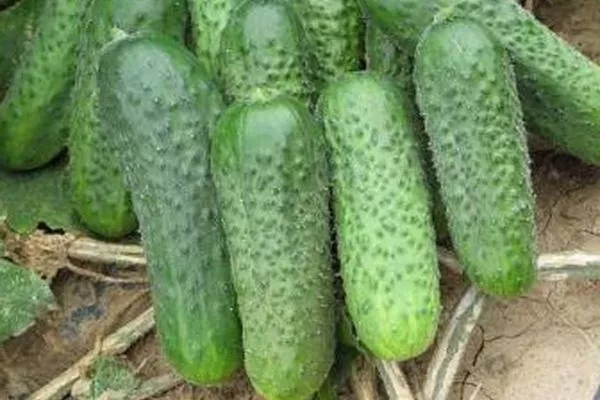
The plant is characterized by a strong indeterminate growth habit and weak branching, ensuring high productivity with proper care. The shoots are covered with medium-sized, green-hued leaves.
Taste and application
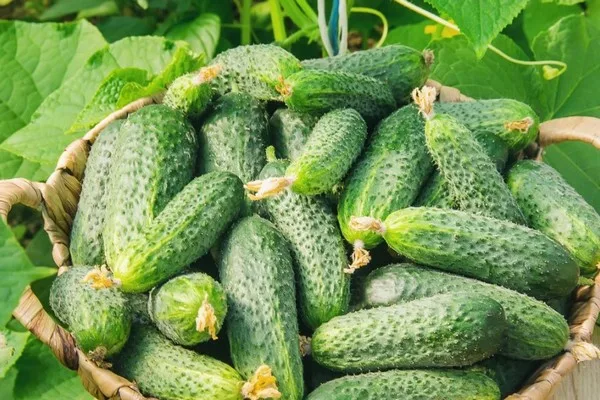
This versatile variety is suitable for fresh salads, pickling, and canning. Its fruits have excellent flavor and aroma, making it especially popular among vegetable lovers.
Landing rules
Growing this crop doesn't require any special experience or skills. Even a novice vegetable gardener can handle it. The main thing is to follow certain rules.
Requirements
Before sowing, treat the seeds with a 1% solution of potassium permanganate and soak them in an ash infusion for 5-6 hours. Then, place them in a damp cotton cloth and keep them in a sunny window.
Please adhere to other requirements:
- The culture prefers bright light and moisture, but does not tolerate direct sunlight.
- For planting, use a nutritious soil mixture, light and loose, specially designed for cucumber crops.
- The plants are heat-loving. Temperatures below 15°C cause stunted growth. Grow them under plastic covers, especially during the first half of summer.
The shelter protects the bushes from direct sunlight.
Growing seedlings
Plants require good light, so use phytolamps for supplemental lighting when growing seedlings. The hybrid thrives in loose, light, well-aerated soil, which promotes the development of a strong root system.
Before planting the seedlings, dig holes 2-4 cm deep, spaced about 60 cm apart, and moisten them well. Plant vertically. To protect against insects and pests, dust the soil with a mixture of red and black pepper.
- ✓ Optimum soil temperature for seed germination: +14…+16°C.
- ✓ Seed sowing depth in light soils: 3-4 cm, in heavy soils: 2-3 cm.
Seedless method
Sow seeds outdoors no earlier than the end of April. The soil must warm to 14–16°C, otherwise germination may not occur. Use single-row or strip sowing. Plant the seeds 3–4 cm deep in light soils and 2–3 cm deep in heavy soils. Cover the seedlings with plastic film during the initial sowing period.
Specifics of further care
Caring for the crop ensures good productivity and improves the quality of the cucumbers. This includes several key aspects:
- Watering. Provide regular watering, especially during periods of active growth and fruiting. Water the bushes with warm, settled water, avoiding contact with the leaves and stems. Apply the liquid at the roots, into furrows, or into the holes.
Frequency depends on the weather and soil conditions, but in hot weather, water 2-3 times a week. Don't allow the soil to dry out. - Top dressing. To maintain plant health and productivity, fertilize. Two weeks after planting, apply organic fertilizers such as mullein infusion, bird droppings, or wood ash, as well as complex mineral compounds containing phosphorus and potassium.
Apply fertilizer every 2-3 weeks during the growing season. Alternate organic and mineral fertilizers. - Loosening. This procedure improves air and water permeability and eliminates weeds that compete with plants for resources. Loosen the soil carefully to avoid damaging the root system. Perform this procedure after watering or rain, when the soil is soft.
- Mulching. Mulch helps retain soil moisture, prevents weed growth, and improves soil structure. Use organic materials such as straw, sawdust, or compost. The layer should be 5-7 cm thick. Mulch helps maintain a stable soil temperature and improves soil fertility.
Regular attention to these aspects of care will help ensure healthy growth and a high yield of cucumbers.
Dangerous diseases and pests
The crop is renowned for its strong immunity, but if improperly cared for, it can be susceptible to various problems. However, there are many effective methods and products for combating diseases and pests.
The most common diseases of the Caesar hybrid grown in open ground:
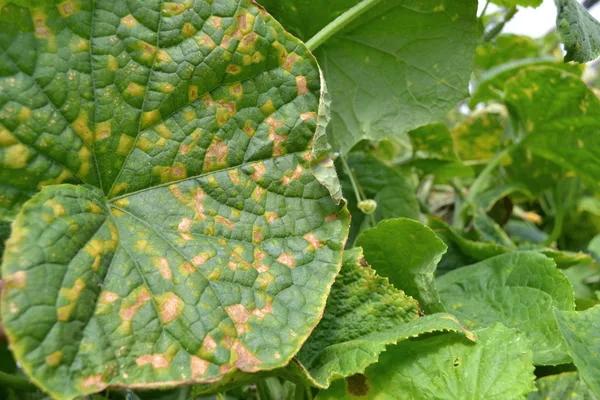
- Cladosporium. A fungal disease caused by sudden temperature changes and high humidity. It appears as gray or black spots on leaves and fruits, causing them to become misshapen or stop growing altogether. Treat plants with benzimidazole-based products.
- Powdery mildew. Often seen when grown outdoors, this disease is caused by fungi and can be related to weeds. A white coating appears on the leaves, which eventually covers the entire plant, potentially leading to its death.
Remove weeds, treat with fungicides and sulfur-containing preparations. - Peronosporosis. This fungal disease quickly kills the plant, and the fruit becomes tasteless. To combat this, use fungicides and ensure optimal growing conditions.
Caesar is resistant to root rot, olive spot, and mosaic. The hybrid is rarely attacked by pests.
Positive and negative qualities
Before planting shrubs in your yard, carefully review their advantages and disadvantages to avoid unpleasant consequences. Advantages:
Flaws:
Reviews
Caesar cucumbers are a reliable and productive choice for those striving for excellent results. Their early maturity, excellent flavor, and disease resistance make them attractive to both novice and experienced gardeners. Proper care and attention to specific characteristics will help you produce fresh, crisp cucumbers all season long.