
The Tryukach cucumber is one of the most popular and sought-after hybrids among gardeners and vegetable growers. It boasts excellent characteristics: early ripening, generous yields, and excellent taste. With proper care, you can get juicy fruits with attractive appearance.
Breeding history
The hybrid was developed by breeder Vasily Ivanovich Blokin-Mechtalin, head of the agricultural firm "Partner." It passed trials and was officially registered in the State Register in 2022.
Description and characteristics of the cucumber "Tryukach"
This popular new variety boasts a long fruiting cycle, making it ideal for indoor cultivation. It requires no pollination, delighting gardeners with abundant harvests and quickly entering the flowering stage. It has already gained popularity among both farmers and amateur gardeners.
Appearance
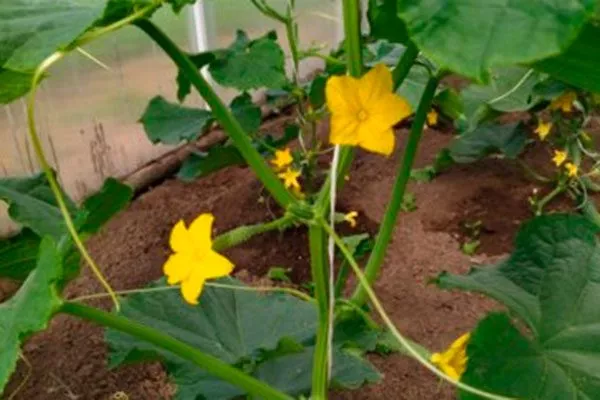
Characterized by a compact bush with shortened lateral shoots and sparse foliage, the plant has heart-shaped, light green leaves with sharp edges and sparse branching.
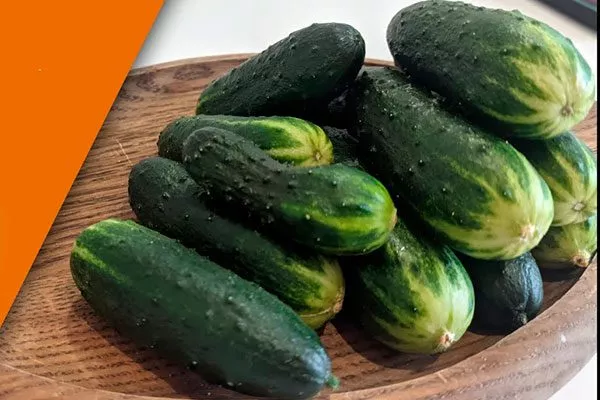
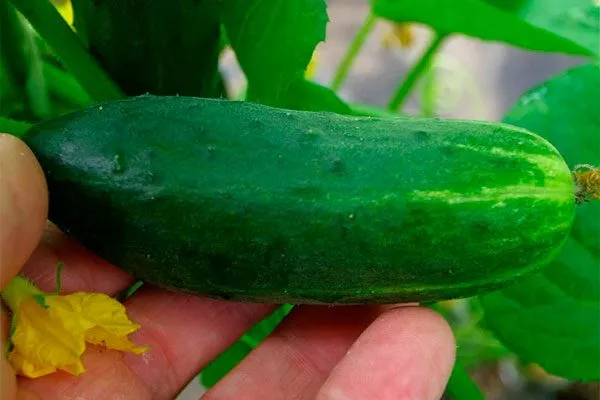
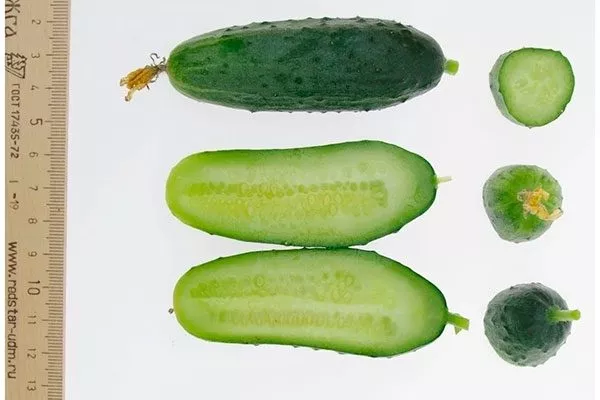
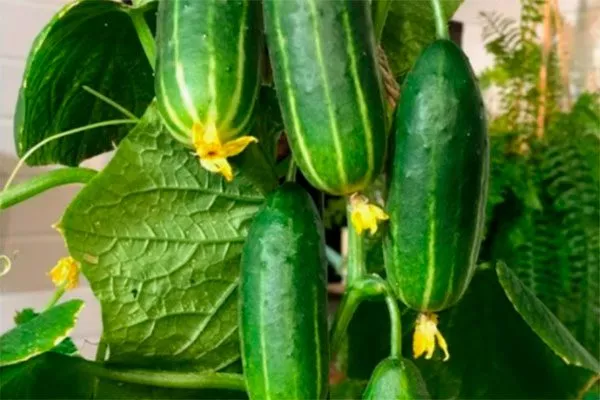
The fruits are gherkin-shaped, barrel-shaped. The cucumbers reach 8-10 cm in length, weigh 50-60 g, and measure 3.5-4.5 cm in diameter. The skin is smooth, slightly bumpy, dark green, with a matte surface and short, light stripes.
Taste qualities
When ripe, the flesh is juicy, sweet, and crisp, with a distinct cucumber aroma. Bitterness is virtually absent, and the characteristic crunch is retained when eaten. The truchak never overgrows or becomes mushy.
Although this light- and heat-loving variety is intended for profitable cultivation in greenhouses in autumn, winter and early spring, it is suitable for canning.
Ripening time
This early-ripening hybrid boasts good germination and rapid growth under favorable conditions. It takes 40-42 days from sowing the seeds to harvesting the first fruits. In heated greenhouses with artificial lighting and irrigation, the first fresh cucumbers are harvested as early as 38-39 days after planting.
Productivity
Characterized by abundant yields and a long fruiting period, this variety yields an average of 10 kg of ripe vegetables per square meter of planting with proper care.
Growing regions
Recommended for cultivation in virtually all regions of Russia. In the North Caucasus, Stavropol, and Krasnodar Krais, it grows and develops without shelter.
Disease/pest resistance
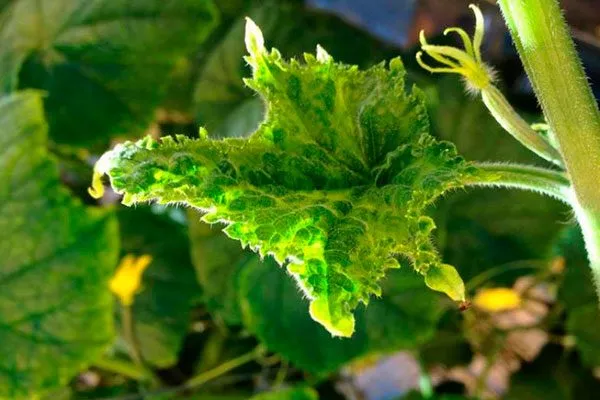
Characterized by strong immunity and rarely susceptible to disease, it is resistant to viral and fungal infections, including powdery mildew, cucumber mosaic, downy mildew, root rot, and cladosporiosis.
Helpful tips:
- The crop may be susceptible to downy mildew. Follow crop rotation guidelines and maintain optimal moisture levels. Avoid overcrowding.
Spray plants with fungicides such as Systemic Fungicide or Topaz. Apply a 1:1 solution of milk and water to the stems and leaves 2-3 times a week. - If beds become too dense, melon bushes may be attacked by aphids. Use garlic or onion-based infusions. Dilute 200 g of the product in 1 liter of water and let it steep for 24 hours. Spray the plants every 5-7 days.
A soap solution is effective: mix 1 tablespoon of liquid soap with 1 liter of water and spray the bushes every 5 days. If folk remedies don't help, use insecticides such as Fitoverm or Aktara. Treat the plants 1-2 times a week.
Regular monitoring of the crop's condition, timely treatment, and adherence to care recommendations will help you successfully overcome these problems and achieve excellent results in gardening.
Advantages and disadvantages
Cucumbers grow well in a variety of conditions and offer many benefits. A bunch can contain up to five cucumbers, with ovaries even forming on the main stem.
How to plant the Tryukach cucumber?
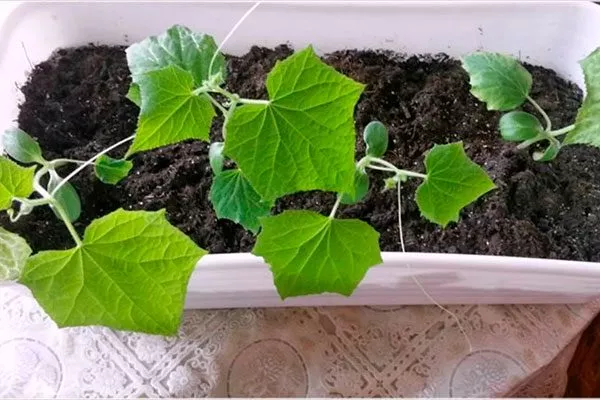
When growing, carefully follow crop rotation rules. When planting from transplants, plant seedlings 2 cm deep; when sowing directly into the ground, plant them 3 cm deep. The recommended planting pattern is 15 x 60 cm, with 4 plants per square meter of plot.
- 3 weeks before planting, add the following per 1 m²: 10 kg of rotted manure, 200 g of wood ash, 50 g of superphosphate.
- 7 days before planting, water the soil with a solution of Fitosporin (5 g per 10 l of water) to suppress pathogenic microflora.
- Immediately before planting, loosen the soil to a depth of 25-30 cm and level the surface.
- ✓ Soil temperature: 22-24°C during the day, not lower than 18°C at night.
- ✓ Relative air humidity: 75-85% during the growing season, 60-70% during fruiting.
- ✓ CO2 concentration: 600-800 ppm for intensive photosynthesis.
- ✓ Illumination: at least 15,000 lux for 12-14 hours daily.
Choose a sunny location, protected from wind and drafts, with fertile, loose soil that allows for good air and moisture drainage. Planting time is March-April. Stunting radish grows well in beds after cruciferous and nightshade crops, and onions.
Care instructions
The plants require standard care. Water the bushes regularly every 3-4 days. Use drip irrigation—4 liters of water per bush. After watering, loosen the area around the plants, and weed as weeds grow.
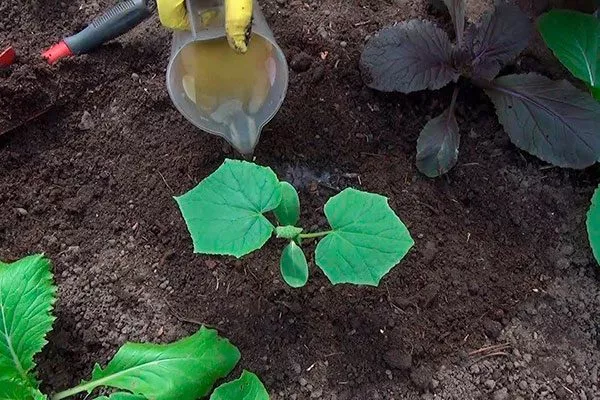
During the season, feed the seedlings 2-3 times using complete mineral complexes or potassium-phosphorus supplements. Proper care is the key to strong immunity and abundant harvests.
Specifics of bush formation
The fruiting period is extended. Numerous cucumbers are produced, so it's best to train the bush into a single stem. Follow these instructions:
- In the first 3-4 axils, carry out blinding, removing buds, tendrils and side shoots.
- Starting from the 5th node, get rid of all side shoots, leaving small stumps.
- When the next 4-5 leaves emerge, completely bare the main stem up to a height of 40-50 cm above the ground, trimming the lower leaves in several stages. This will improve light, ensure free air circulation, and reduce the risk of disease.
- After pruning, moisten the bushes with warm water.
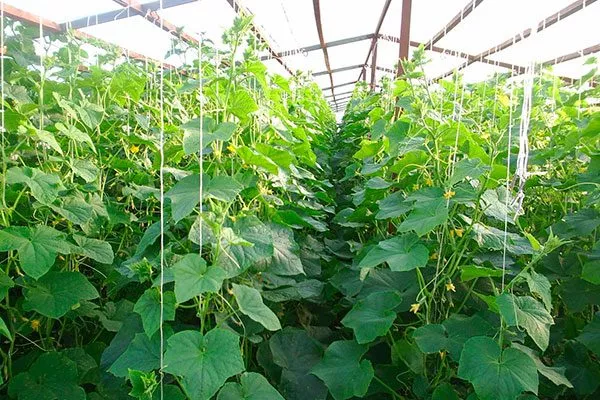
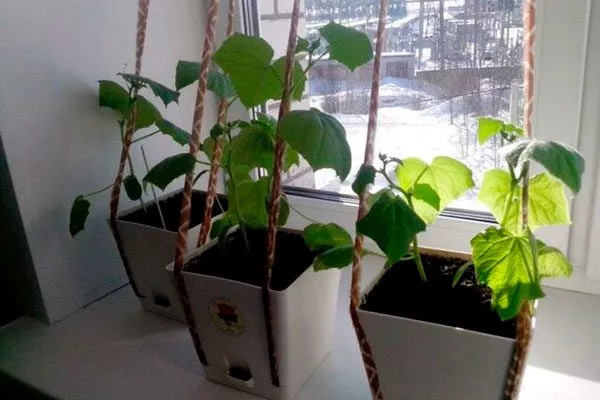
Growing cucumbers in a pot on a windowsill
This variety is considered the best choice for a home "winter garden." Growing on a windowsill allows you to enjoy fresh vegetables year-round. Planting doesn't require any special experience—just follow the instructions:
- Take a large pot or box with drainage holes, fill it with nutritious soil, install a trellis or stake, and add fertilizer containing nitrogen, phosphorus, and potassium to the soil.
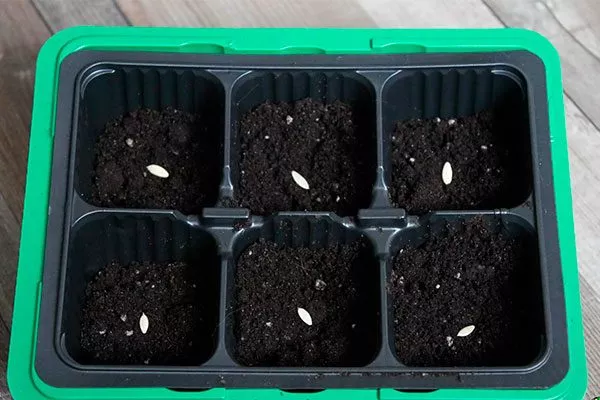
- Sow the seeds, planting them 1.5 cm deep. Water the soil with a spray bottle, build a mini greenhouse over the container, and place it on a well-lit, warm windowsill.
- Once the seedlings emerge, remove the cover and provide standard care.
Reviews of Tryukach cucumbers from gardeners
Tryukach cucumbers are an excellent choice for those looking for a reliable and productive variety for their garden or greenhouse. They offer early harvests of fresh cucumbers with excellent flavor. Following the care and planting recommendations increases the guarantee of a bountiful harvest that will delight you throughout the season.