
Tatyana cucumbers have gained popularity among gardeners due to their numerous advantages and characteristics. This hybrid variety boasts not only excellent taste but also resistance to various diseases. It has proven itself to be one of the best options for growing in greenhouses and open ground. Proper care is key.
Who developed the variety and when?
It was created by a group of domestic breeders under the leadership of Zinatova Z.N., Popova I.D., Khokhlova N.A., Suchkova L.V. and Ivanova A.P. The hybrid was registered and approved for use in 2003 and is mainly used for cultivation in various types of greenhouses.
Description of the plant
A hybrid with an unrestricted central stem that requires pinching. The bush is medium-sized, moderately vining and branched, with well-dense, light emerald leaf blades and a robust root system. Lateral shoots are poorly developed.
It blooms mid-season, producing abundant bright yellow flowers in clusters of 1-3. These flowers are predominantly female. The plant is parthenocarpic (self-pollinating), so it does not require a pollinator.
Fruits, their taste and purpose
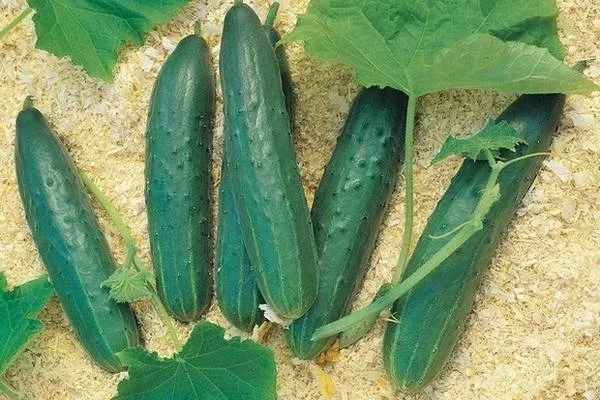
This is a long-fruited cucumber variety. Distinguishing features of the fruit:
- They reach a weight of 130 g, their length reaches 16-18 cm, and their diameter is 3-4 cm.
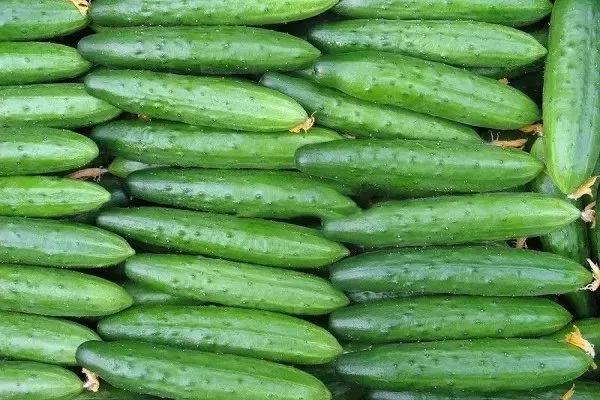
- They have a regular cylindrical shape, a glossy surface with a moderate number of tubercles and white spines.
- The peel is of medium density, not hard, and provides protection from mechanical damage.
- The color is classic green.
- The inside is light in color, with many small seeds that are not noticeable when eaten.
- The flesh is juicy, soft, and crisp, with sweet notes and a distinct, refreshing aroma. There is no bitterness or voids.
Ripening and yield
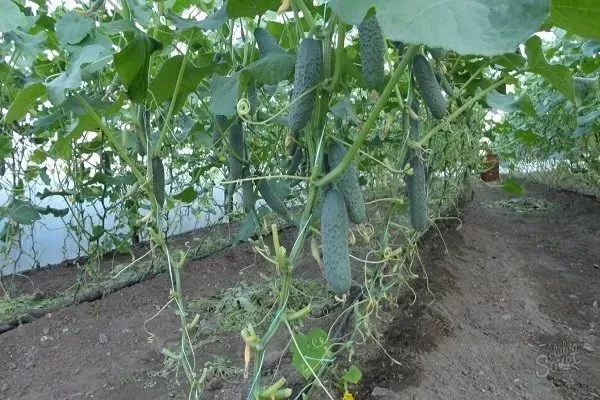
This is a mid-season hybrid. From mass germination to ripening, the cucumbers take 71-74 days. The first fruits appear after 64-65 days. Fruiting occurs gradually, making the harvest period quite long. When planted in summer, the vegetables grow until autumn.
The hybrid's yield is impressive. When grown in a greenhouse during the winter and spring, you can expect up to 24 kg of vegetables per square meter of planting. In the spring and summer, the yield is even higher – up to 26 kg per square meter.
Resistance to diseases and pests
The hybrid's immune system reliably protects plants from most bacteria and fungi. The crop is resistant to brown olive spot and powdery mildew, and is only extremely rarely susceptible to ascochyta leaf spot.
Growing regions
The variety is suitable for cultivation in the Central, North Caucasus, and Central Black Earth regions. However, with proper care, this hybrid can also be successfully cultivated in other regions of Russia.
Landing features
Tatyana is a variety primarily intended for greenhouse cultivation, but it can also be successfully grown outdoors. Seedlings are planted in a greenhouse from March to June, as the plant is heat-loving and requires suitable conditions.
Follow the recommendations:
- Sow seeds for seedlings 30 days before planting in the ground.
- Suitable containers for seedlings are peat or plastic cups with a capacity of 300-400 ml.
- Use special soil for seedlings with sufficient peat content.
- Watering should be moderate – moisten the plantings with warm, settled water, preferably from a thin watering can.
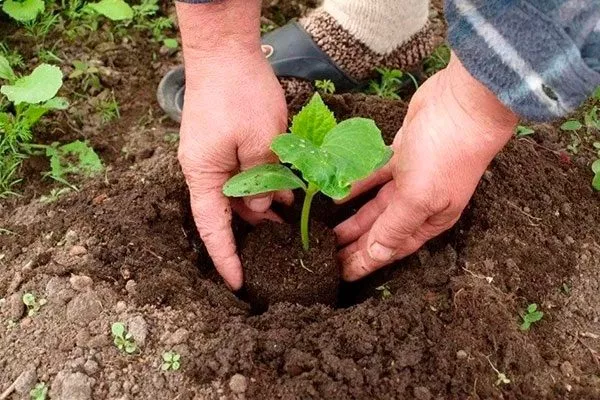
- Plant the seedlings in the soil under the greenhouse when they have 2-3 true leaves. Before planting, loosen the soil and clear it of weeds.
- The crop prefers fertile soil rich in organic fertilizers, with a pH of 6.5-7. To improve the composition and structure, use a green manure, such as leaf mustard. Add humus, ash, and superphosphate to the prepared soil.
- Place the seedlings in the soil when the temperature reaches +15°C.
- For planting, prepare holes to accommodate the seedlings, adding compost, humus, peat, and a specialized fertilizer. According to the planting plan, plant two plants per square meter, spacing them 40-60 cm apart.
After planting, compact the soil, make a water-retaining ridge and water with warm water.
Subtleties of agricultural technology
Cucumbers are moisture-loving crops, so they need to be thoroughly watered once every three days as the soil dries out. Start fertilizing two weeks after planting. Before flowering and fruiting, feed them with nitrogen-containing and complex fertilizers to boost foliage.
A suitable nutrient mixture is a solution of mullein (1 kg of manure per 10 liters of water) or urea (10 g per 10 liters of water) with added ash. Fertilize twice a month. During flowering and fruiting, reduce the application of nitrogen fertilizers. Use mixtures containing potassium and calcium.
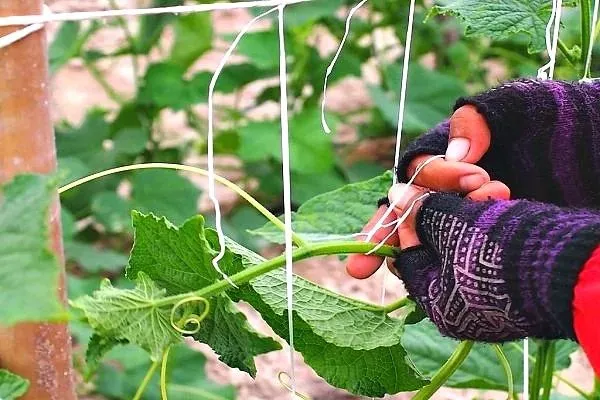
Monitor the greenhouse temperature; the ideal temperature is 25–28°C, but not below 17°C. Ventilate the greenhouse or hotbed periodically. To ensure uniform growth and development, secure cucumber vines to a trellis or mesh. Remove any excess shoots and branches as they grow.
Advantages and disadvantages
Mid-season Tatyana cucumbers boast excellent flavor and attractive appearance, making them popular among farmers and gardeners. This variety boasts numerous positive characteristics.
The variety has one drawback: cucumbers require regular watering and special attention to the bushes: pinching the tops, correctly shaping them into a single stem, and removing the lower tier of foliage.
Reviews
Tatyana cucumbers live up to their reputation as a reliable and high-yielding variety. Their disease resistance and excellent flavor make them an ideal choice for any gardener, whether a novice or an experienced farmer. Following simple care guidelines will ensure a bountiful harvest of delicious, crisp vegetables.