
There are many varieties of gherkins, each with its own characteristics and yield levels. In this article, we'll examine the key characteristics of popular varieties for greenhouses and open ground cultivation and compare them based on criteria.
Features of gherkins
Gherkins are cucumber varieties that grow no more than 12-13 cm in size. The fruits have a firm texture and crisp flesh. Gherkin varieties allow you to harvest them before they are fully ripe, when they reach 6-7 cm in size and have a distinctive, delicate flavor.
Gherkin varieties are characterized by a smooth, neat surface and cylindrical fruit. Pickles and gherkins are popular for preserving and pickling.
Varieties for open ground
Gherkins can be successfully grown without the use of greenhouses; to do this, select one of the ground-grown varieties with suitable characteristics.
- ✓ Consider the climatic conditions of your region to select the most resistant variety.
- ✓ Pay attention to the type of soil in your area, as different varieties have different soil requirements.
Next, we'll look at the main varieties of gherkins for growing in open garden beds. When choosing, refer to the variety's description and its characteristics.
| Name | Disease resistance | Soil requirements | Ripening period |
|---|---|---|---|
| Parisian gherkin | High | Average | Mid-season |
| Son of the Regiment | Average | Low | Mid-early |
| Madam | High | Average | Mid-early |
| F1 accordionist | High | Tall | Early |
| Thumbelina F1 | High | Average | Super early |
| Moravian gherkin F1 | Average | Low | Mid-early |
| Advance F1 | High | Average | Early |
| Corinna F1 | High | Low | Mid-early |
| Kai F1 | Average | Average | Mid-early |
| Gerda F1 | High | Average | Mid-early |
| Novosibirsk gherkin | Average | Low | Mid-early |
| Tom Thumb F1 | High | Average | Mid-season |
Parisian gherkin
This variety boasts high yields and a medium ripening time, making it suitable for outdoor cultivation. The bushes are tall, the branches spread moderately, and pollination is by bees.
Cucumbers are spindle-shaped, covered in dark pubescence. They are no more than 10 cm long and may have bumpy surfaces. Fruit weight is approximately 85 g.
The fruit's flesh is juicy and crisp, without a bitter aftertaste. They are most often used for preserving and pickling, as they retain their shape and firmness well.

Son of the Regiment
This mid-early variety begins ripening after 40-45 days of growth. The bushes are moderately branched, medium-sized, and produce up to three fruits per ovary. Son Polka is a bee-pollinated variety.
The fruits are smooth, widening slightly toward the stem. A ripe cucumber is 7-9 cm long, with a slice thickness of up to 3 cm, and weighs approximately 80 g. There is no bitter taste even when fully ripe.
Son Polk is suited to outdoor cultivation, but a good harvest can be achieved by installing a hive in a greenhouse. Natural pollination will then allow the bushes to bear fruit normally.
The plants are resistant to powdery mildew but require careful care and timely feeding. Under favorable weather conditions, yields can reach up to 10.5 kg/sq. m.
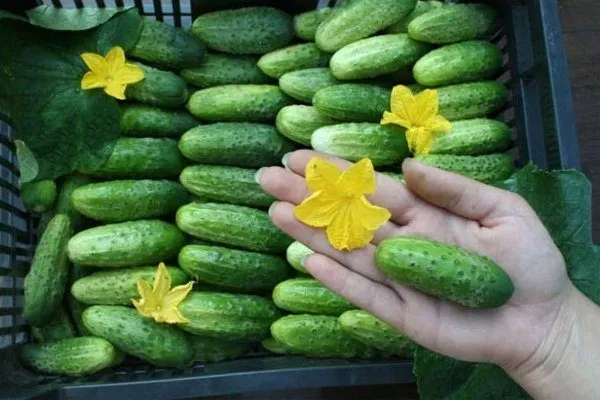
Madam
An early-ripening and resilient variety, suitable for planting in open beds. It produces fruit 43-48 days after germination. The flowers are pollinated by bees, and the plant has female inflorescences.
The fruits are cylindrical and have white stripes along their entire length. A mature cucumber measures no more than 10-12 cm in size and weighs up to 85 g.
A distinctive feature of this variety is its resistance to overgrowth—the fruits remain firm and elastic, retain their color, and do not deform. Another distinguishing characteristic is the plant's resistance to root rot.
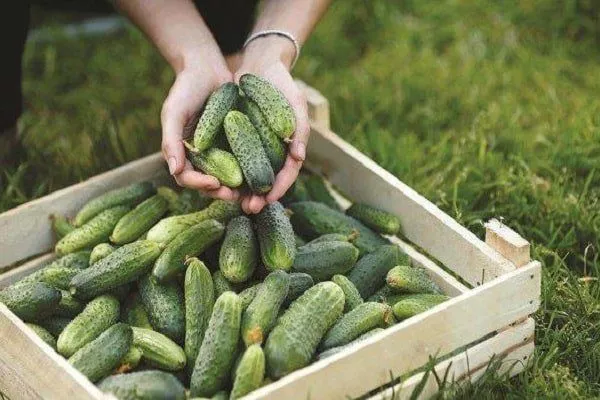
F1 accordionist
Variety parthenocarpicSuitable for open ground, greenhouses, and hotbeds. It is preferable to attach the vines to a vertical trellis. Fruiting begins in 40-42 days of growth. Yields reach up to 13 kg/sq. m.
The fruit weighs at least 100 g and is 11 to 13 cm long. It is dark green in color, becoming lighter toward the stem. The variety's characteristic features are small seeds and crisp, very firm flesh.

Thumbelina F1
This variety is suitable for growing in open ground, plastic greenhouses, and tunnels. It is self-pollinating and early maturing. Harvesting begins 40-42 days after germination. This variety is characterized by its low maintenance and disease resistance.
The fruits have a distinct white pubescence, a smooth shape, and a finely ridged surface. They are used in salads, marinades, and pickling. The flavor is mild, without acidity or bitterness.

Moravian gherkin F1
Plants of this variety thrive in open ground, have long stems and medium branching, and are pollinated by bees. Harvesting begins approximately 47-48 days after germination.
The advantage of this variety is its high yield. With cucumbers up to 10 cm in size and weighing 70-95 g, the total yield is up to 16 kg/sq. m.
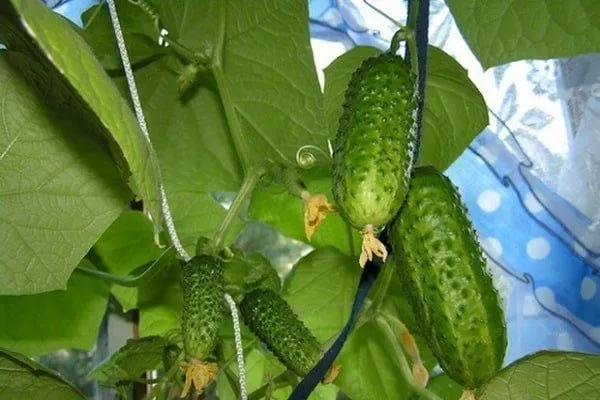
Advance F1
A self-pollinating, early-ripening cucumber variety, 'Avans' gherkins are resistant to stem rot, cladosporiosis, and other diseases. This variety is characterized by frequent lateral shoot formation.
The cucumbers are short and smooth. The variety's flavor allows it to be used for all-purpose culinary purposes.
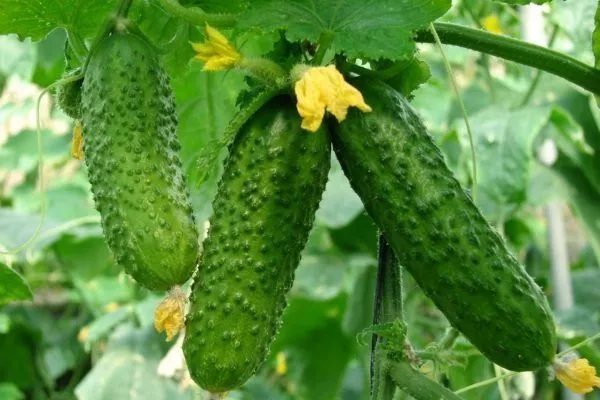
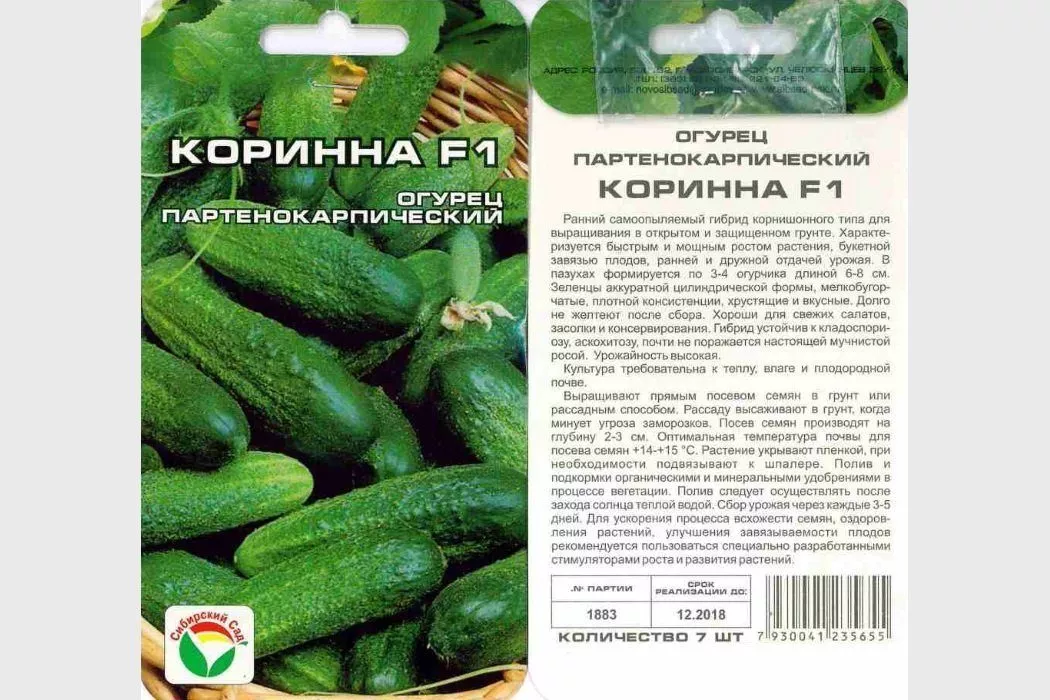
Corinna F1
This variety is suitable for outdoor cultivation. Corinna is one of the earliest maturing gherkin varieties, producing a high yield per meter. The plants are medium-sized and have few branches.
The fruits are juicy, brightly colored, and covered in white pubescence, with firm flesh. The cucumbers are 8 to 10 cm long and oblong in shape.
Kai F1
The Kai hybrid is early maturing and cold-resistant. The plants are vigorous, have a well-developed root system, and thrive in both greenhouses and open ground.
The fruits are uniform in size, smooth, and weigh up to 70 g. Cucumbers have a strong aroma and rich, non-bitter pulp.

Gerda F1
This variety is very similar to the previous hybrid in its properties. It doesn't require pollination and tolerates low temperatures well, as well as powdery mildew. The fruits are uniform, up to 10 cm in size, and do not overripe or become deformed.
This variety is ideal for open gardens and is popular among home gardeners. Its yield is average, but with proper care, it produces good results even in cool summers.

Novosibirsk gherkin
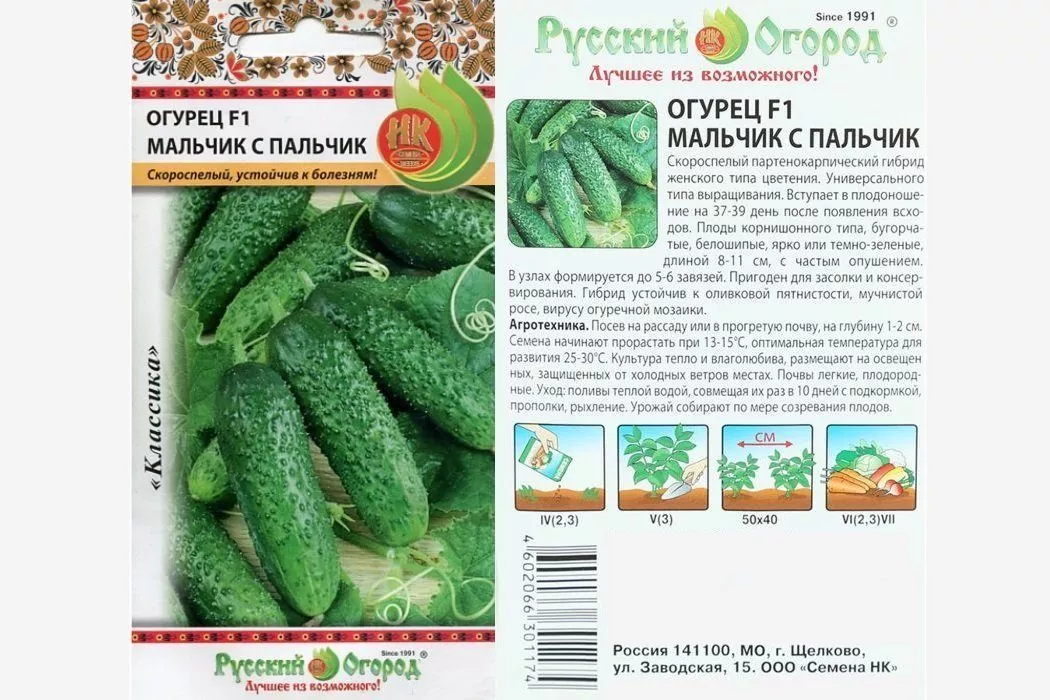
This variety produces beautiful dark green fruits with small black spines all over. Mature cucumbers acquire a yellowish tint at the tips.
The hybrid has an average yield, bearing fruit on the 50th day. The harvested fruit volume per season reaches 5 kg/sq. m.

Tom Thumb F1
A characteristic feature of this mini cucumber variety is its strong resistance to light frosts and temperature fluctuations. Suitable for both open-air and greenhouse cultivation.
The cucumbers are firm and crisp; the variety is popular due to its excellent taste, bright aroma, and crispy flesh.
The table presents the main characteristics of varieties, plant type and criteria for the appearance of fruits:
| Name | Type of cultivation | Ripening period | Yield, kg/sq.m | Fruit size, cm | Branching | Pollination | Use |
| Parisian gherkin | open ground | mid-season | 2.5-4 | 6-12 | medium-branched | bee-pollinated | fresh look, canned |
| Son of the Regiment | open ground, ventilated greenhouse | mid-early | 10.5 | 7-9 | medium-branched | bee-pollinated | salads, canned goods |
| Madam | open ground | mid-early (43-48 days) | 10.5-14.0 | 10-12 | highly branched | bee-pollinated | salads, lightly salted foods |
| F1 accordionist | open ground, film shelters | early (40-42 days) | 12-13 | 11-13 | medium-branched | parthenocarpic | salad, snack |
| Thumbelina F1 | open ground, greenhouse | super early (38-42 days) | 12.5 | 7-9 | medium-branched | parthenocarpic | salad, canned |
| Moravian gherkin F1 | open ground | mid-early (47-50 days) | 16 | 8-10 | weakly branched | bee-pollinated | universal |
| Advance F1 | open ground in a film shelter | early (42 days) | 12.5 | 11-13 | medium-branched | parthenocarpic | salad, canned |
| Corinna F1 | open ground | mid-early (47-50 days) | 5.5-6 | 8-10 | medium-branched | parthenocarpic | preservation, salting |
| Kai F1 | open ground, greenhouse | mid-early (47-50 days) | up to 12-15 (under film cover) | 6-8 | medium-branched | bee-pollinated | preservation, salting |
| Gerda F1 | open ground, film shelter | mid-early (45-50 days) | up to 14-15 (under film cover) | 8-10 | vigorous, highly branched | parthenocarpic | salad, canned |
| Novosibirsk gherkin | open ground | mid-early (45-49 days) | 5-6 | 10 | long-branched, medium-sized | bee-pollinated | universal |
| Tom Thumb F1 | open ground | mid-season (40-50 days) | 6-7 | 11 | medium-branched, tall | bee-pollinated | fresh, salad |
Greenhouse varieties
For greenhouse cultivation, select varieties resistant to fungal diseases and mold, as closed greenhouse conditions create high levels of air and soil humidity. Plants should not be too tall or spread too wide.
| Name | Disease resistance | Soil requirements | Ripening period |
|---|---|---|---|
| Friendly Family F1 | High | Tall | Mid-early |
| Ecole F1 | Average | Average | Early |
| Khrustik F1 | High | Average | Early maturing |
| Marinda F1 | High | Tall | Early |
| Nastya F1 | High | Average | Super early |
| Kuzya F1 | Average | Low | Early |
| Patti F1 | High | Average | Early |
| Brownie F1 | High | Average | Early |
| Courage F1 | High | Tall | Super early |
| Red mullet F1 | Average | Average | Early |
| Mels F1 | High | Tall | Super early |
| Micron F1 | High | Average | Super early |
- ✓ Choose varieties with high resistance to fungal diseases for greenhouse cultivation.
- ✓ Consider the need for ventilation of the greenhouse to prevent mold development.
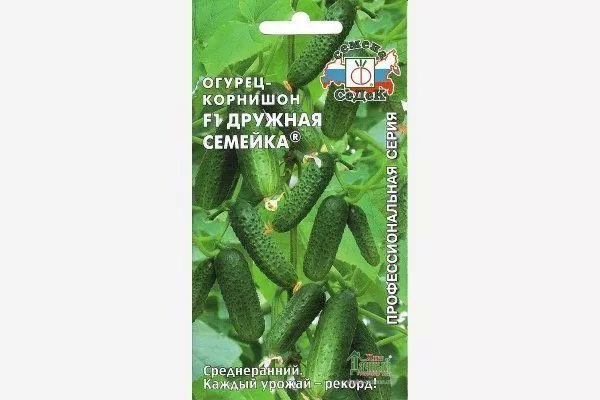
Friendly Family F1
This variety is demanding in terms of care and bush formation, requiring side shoots to be pinched and pruned. The main ovary develops on the side shoots. With adequate care, it produces a high yield of approximately 20 kg/sq. m.
The cucumbers have a pleasant appearance; the green fruits are even, of the same size, and have neat white spines all over their surface.
Ecole F1
The bushes of this variety produce a large volume of harvest, do not require pollination and can be grown in closed greenhouses or hotbeds.
Ecole Suitable for picking young cucumbers up to 5 cm. Mature fruits can grow to 8-10 cm. Regardless of ripeness, they have sweet and juicy flesh and thin, white-haired skin. They are most popular for pickling young cucumbers.
Khrustik F1
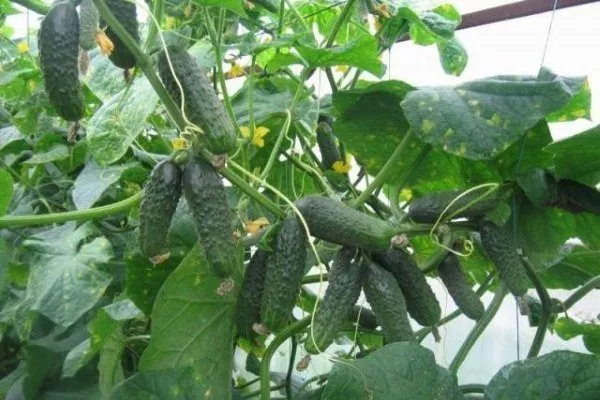
An early-ripening hybrid. The ovaries form in a cluster (up to 8 cucumbers per node). The hybrid does not require pollination. The fruits are large, comparable to gherkins (10-12 cm). This hybrid is productive and resistant to adverse growing conditions.
The taste of these cucumbers is exceptional. They are eaten both fresh and canned.

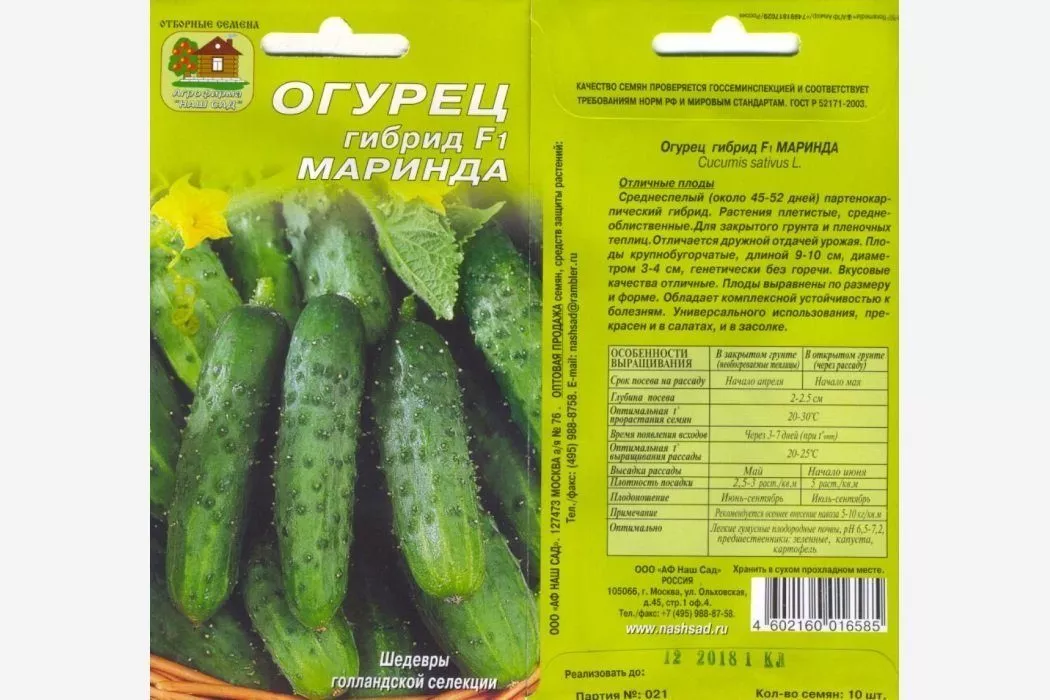
Marinda F1
A hybrid cucumber variety of Dutch origin. Suitable for greenhouse cultivation and requires no pollination. Ripening time varies depending on conditions and ranges from 40 to 55 days.
Produces uniform, attractive cucumbers. The color is dark, and the flesh is firm. A distinctive feature of Marinda's fruits is their very small seeds, making them easy to eat.
Nastya F1
A popular variety for cultivation in the East Siberian region. Grown in greenhouses, but also thrives in open soil. The plant is vigorous, vigorous, and ripens quickly.
The Nastya variety is popular among households for its resistance to cucumber diseases, root rot, and trunk mold.

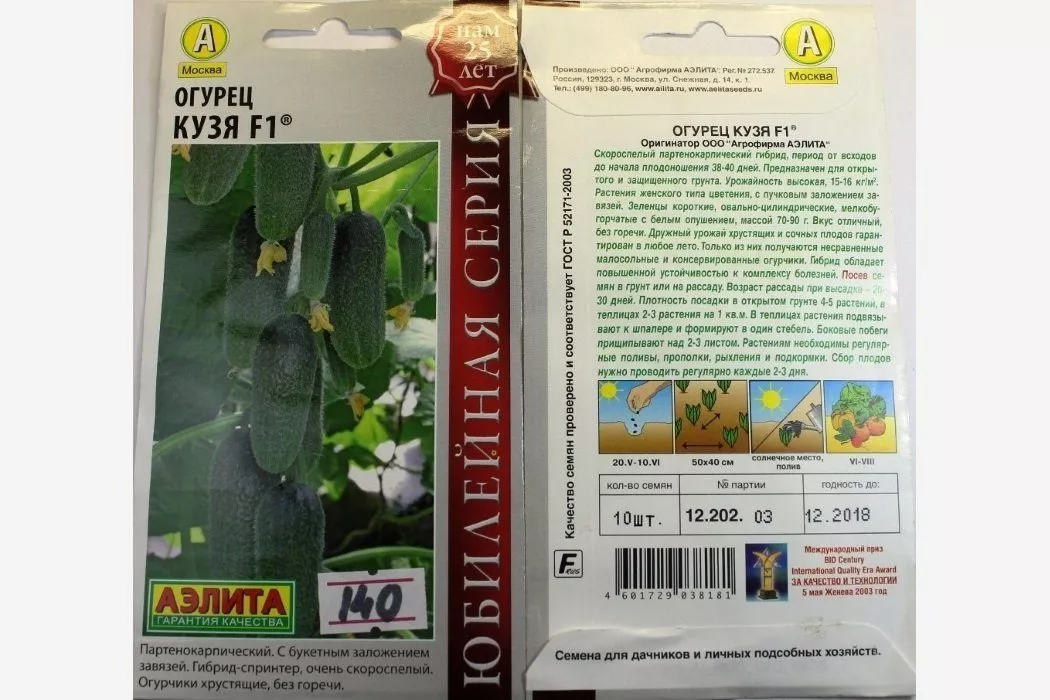
Kuzya F1
This common hybrid is versatile in planting and consumption, and thrives in glasshouses, hothouses, tunnels, and even in open ground under plastic. It is disease and pest resistant.
This variety of cucumbers is small, oval-shaped, and coarsely ribbed. Their color ranges from deep green to slightly silvery. The fruit's mild flavor makes it suitable for a variety of dishes. They store well after harvest.
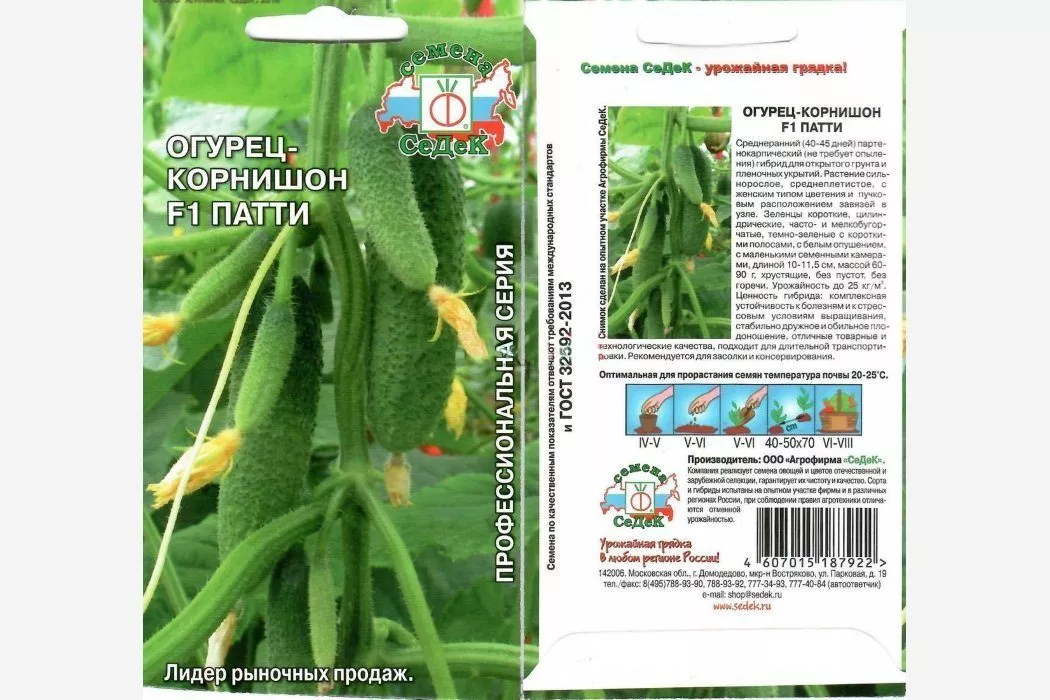
Patti F1
A popular variety for growing in indoor greenhouses. It pollinates without insects, ripens quickly, and produces a consistent harvest.
A significant drawback is the short shelf life of cucumbers—they quickly lose their shape and firmness, wilting during storage. They are most often used for canning or pickling.
Brownie F1
This variety is best suited for growing in plastic shelters and unheated greenhouses. It ripens early and has weak branching. It is self-pollinating.
This hybrid produces a good yield of up to 13 kg/sq. m. Cucumbers are heavy, reaching 120 g at 11 cm in length. The flavor is not bitter, and the flesh is firm and free of cavities. The bushes are resistant to a number of diseases, such as cladosporiosis and powdery mildew.

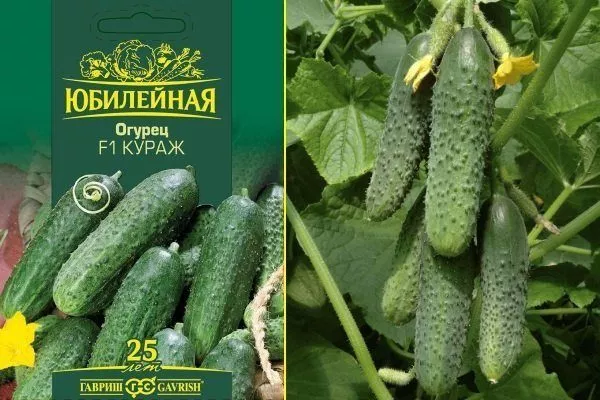
Courage F1
An early-ripening hybrid variety bred in Russia. Grown in hotbeds and greenhouses, the first harvest begins in 38-40 days of growth.
The fruits on the main shoot are large – up to 16 cm. The cucumbers on the side shoots are neater and smaller – up to 12-15 cm. The weight of a cucumber is 120 g.
Cucumbers have a long shelf life after harvesting and are suitable for transportation. They retain their appearance and flavor for up to 10 days, even in a warm room.
Read more about this cucumber hybrid. Here.
Red mullet F1
Characterized by an abundant number of ovaries—up to 12 cucumbers form in a single axil. This early-ripening variety has medium growth and branching.
The main advantage is considered to be the one-time harvest over a short period. This is convenient for selling vegetables or canning large quantities. Fruit yield reaches 14-15 kg/sq. m. A single bush can yield up to 6-7 kg.
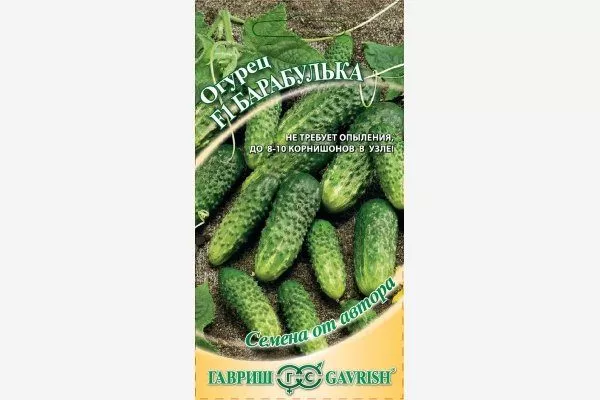
Mels F1
Gherkins of this variety grow in greenhouses and covered outdoor beds. Mels ripens very quickly, with the main harvest occurring on the 35th day. Yields reach up to 40 kg/sq. m.
Despite its high yield and vigor, the plant requires careful care. Successful fruiting can only be achieved with timely fertilization and regular and careful loosening of the soil. adhere to the watering schedule.

Micron
This is a mini gherkin (pickuli). The Mikron variety is characterized by its rapid ripening, producing its first harvest 38 days after germination. Pollinated by bees, it requires a ventilated greenhouse or nearby hives.
The fruits are oval and plump. Young gherkins are harvested when they reach 4-5 cm, while mature gherkins grow up to 8 cm. The hybrid produces fruit throughout the season, maintaining the quality of its cucumbers and not overripening, and is also resistant to diseases.

The presented table includes a comparative description of greenhouse varieties based on the main selection criteria.
| Name | Type of cultivation | Ripening period | Yield, kg/sq.m | Growth type | Fruit size, cm | Branching/lashes | Pollination | Use |
| A friendly family | greenhouse, film shelters, tunnels | mid-early (43-48 days) | up to 20 | medium-sized | 6-12 | medium-branched | parthenocarpic | marinade, salad |
| Ecole F1 | film greenhouse | early (42-45 days) | 2.5-3 | medium-sized | pickles up to 5 (mature 6-10 cm) | medium-branched | parthenocarpic | salad |
| Khrustik F1 | greenhouse, closed ground under film, open ground | early maturing (44-48 days) | 10.9-11.7 | vigorous | 10-12 | medium-branching | parthenocarpic | salad, canned |
| Marinda F1 | greenhouse, open ground covered with film | early (40-55 days) | up to 25 | medium-sized | 9-10 | medium-branching | parthenocarpic | salad, canned |
| Nastya F1 | greenhouse, film shelter | super early (38-40 days) | from 12.5 (in open ground) or up to 30 (in greenhouses) | vigorous | 7-10 | medium-branched | parthenocarpic | salad, canned |
| Kuzya F1 | film shelter, greenhouse | early (40-50 days) | in greenhouses – up to 15.5 | vigorous | 10-12 | medium-branching | parthenocarpic | universal |
| Patti F1 | greenhouse, open ground covered with film | early (40-50 days) | from 3.7 | vigorous | 10-11 | medium-branching | parthenocarpic | salad, marinade |
| Brownie F1 | film greenhouse | early (45-50 days) | up to 12.4-13.1 | medium-sized | 11-12 | weakly branched | parthenocarpic | universal |
| Courage F1 | greenhouse, film shelter | super early (38-42 days) | 16-18 | medium-sized | 13-14 on the main branches and 12-13 on the lateral shoots | medium-branched | parthenocarpic | universal |
| Red mullet F1 | greenhouse, greenhouses | early (up to 45 days) | 14-15 | medium-sized | from 10 to 12 | highly branched | parthenocarpic | universal, marinade |
| Mels F1 | greenhouse, open ground | super early (35 days) | the declared yield is up to 40 | vigorous | 9 | highly branched | parthenocarpic | marinade |
| Micron F1 | greenhouse, open ground | super early (38 days) | 14-15 | medium-sized | pickles - from 4 to 5 cm, and mature ones - up to 8 | medium-branched | bee-pollinated | canning, pickling |
Mini gherkins
Small gherkins reach 5 to 11 cm in length when mature and may have small cavities inside the fruit. Due to their size, they grow well even on balconies.
| Name | Disease resistance | Soil requirements | Ripening period |
|---|---|---|---|
| Children's F1 | High | Average | Early |
| Moth F1 | High | Low | Mid-season |
| Filippok F1 | Average | Average | Mid-season |
| Karapuz F1 | High | Average | Early |
Children's F1
A popular variety for growing on balconies, in glass greenhouses. The ripening period will be 43-49 days.
Good yield, long fruiting period. The cucumbers are smooth, 7-9 cm, and cylindrical. In greenhouses and protected soil, the maximum seasonal yield reaches 27 kg/sq. m.
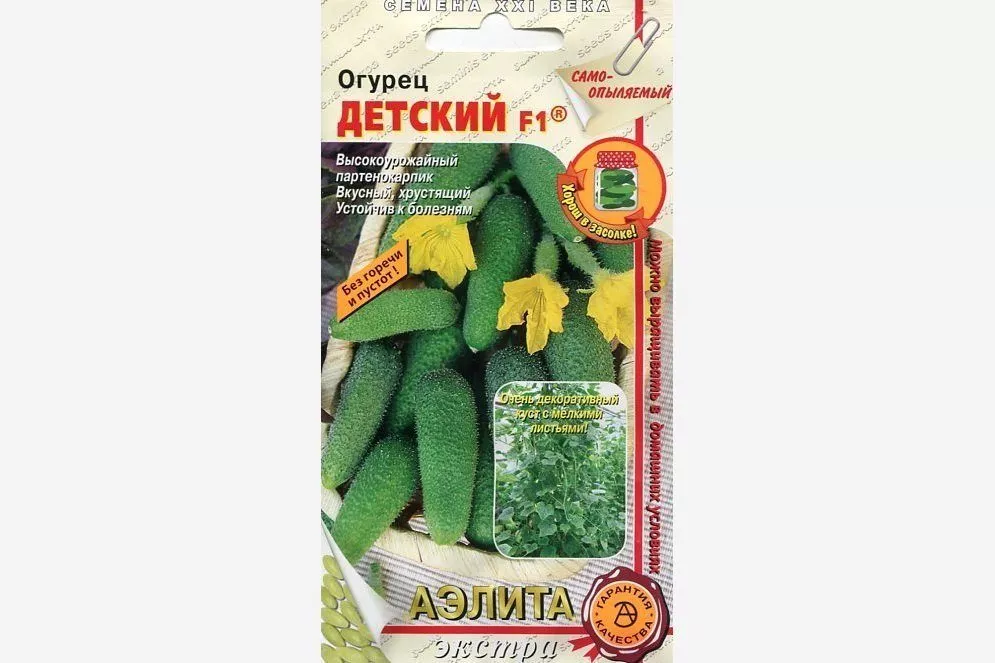
To grow this cucumber variety on your balcony, use large, spacious seedling boxes and vertical trellises for support. Pay special attention to soil nutrition and moderate watering.
Moth F1
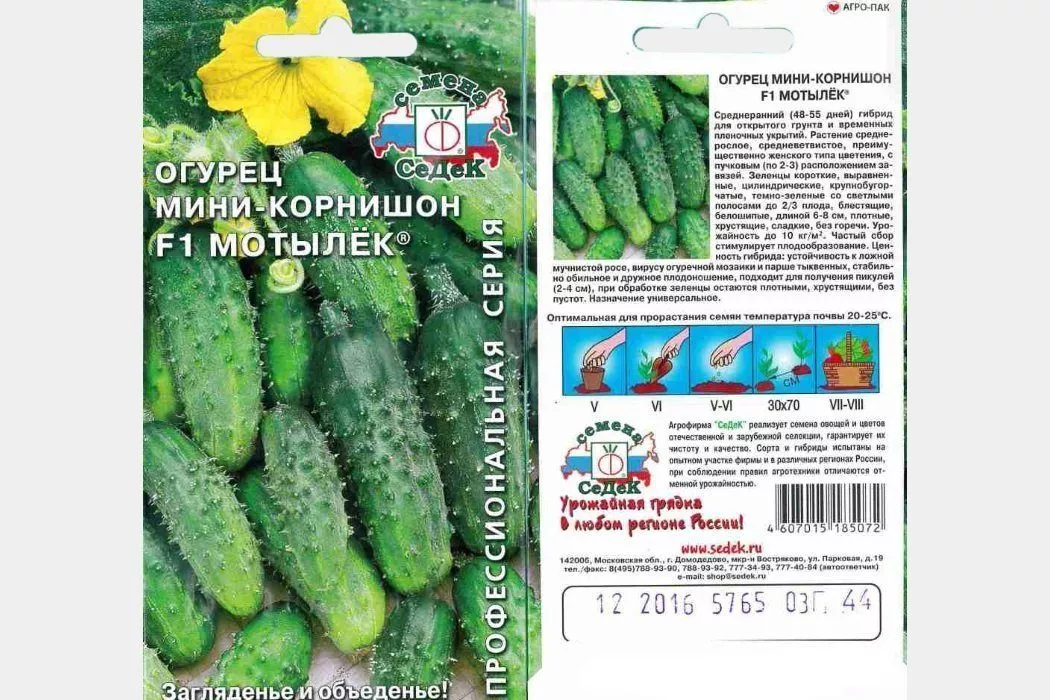
A mid-season variety for both plastic shelters and open ground. Cucumbers are short, no more than 6-8 cm. They have a good yield of up to 10 kg/sq. m.
The main advantage is high immunity to diseases, powdery mildew, mosaic, scab.
Filippok F1
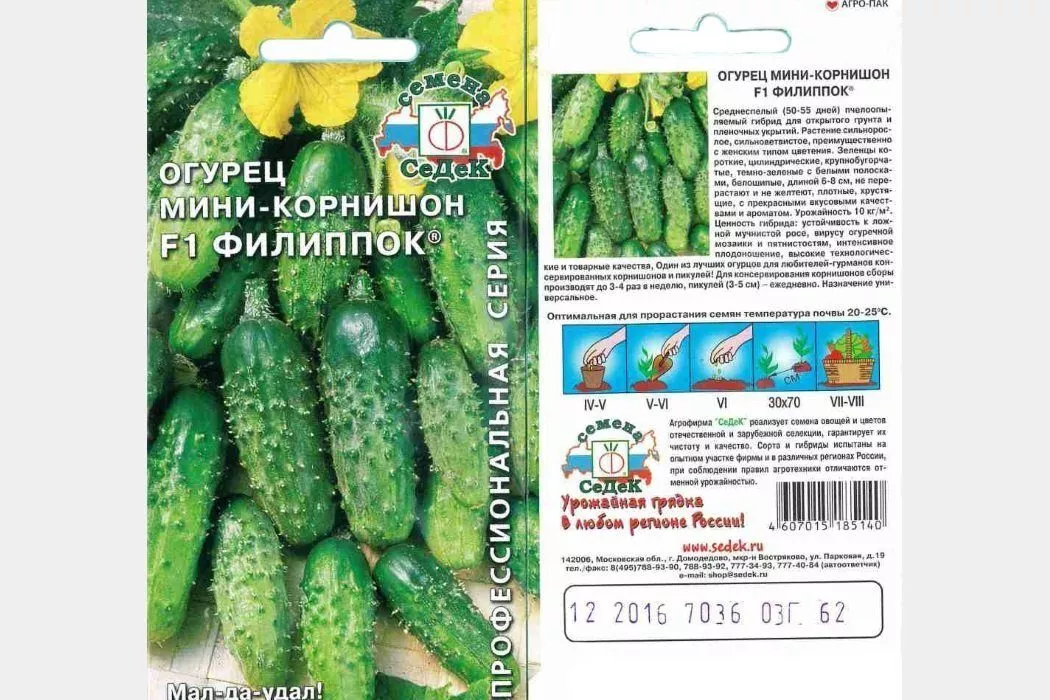
A high-yielding greenhouse-grown gherkin variety, often used for canning. Although the cucumbers are small—up to 8-9 cm—the yield per season reaches 10 kg/sq. m.
This variety is valuable for commercial use – the cucumbers are attractive, uniform, and do not turn yellow or wilt during storage. Fresh cucumbers are harvested up to 3-4 times a week.
Karapuz F1
This hybrid is suitable for both greenhouses and open ground, boasting a long fruiting season, with fruiting shoots forming throughout the season. In addition to its high yield, the plant is resistant to bacterial wilt, powdery mildew, and mosaic.
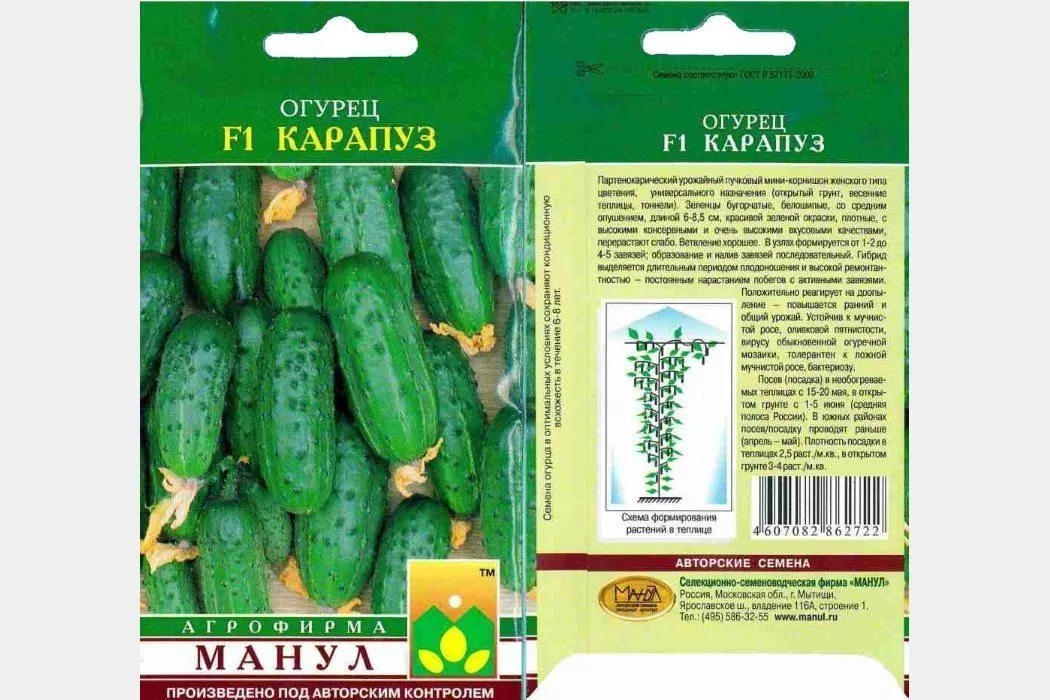
The table shows a comparison of mini gherkins based on the parameters that are important when choosing.
| Name | Type of cultivation | Ripening period | Yield, kg/sq.m | Growth type | Fruit size, cm | Branching | Pollination | Use |
| Children's F1 | Glass greenhouse, hothouse, loggia | early (43-48 days) | up to 27 (indoors) | medium-sized | 7-9 | highly branched | parthenocarpic | salad, pickling |
| Moth F1 | Greenhouse, open ground | mid-season (up to 50 days) | up to 10 | medium-sized | 6-8 | medium-branched | bee-pollinated | universal |
| Filippok F1 | Greenhouse, hothouse, balcony | mid-season (50-55 days) | up to 10 | medium-sized | pickles – 4 cm, mature – 8 cm | medium-branched | bee-pollinated | canned |
| Karapuz F1 | Open ground, tunnel, greenhouse | early (42-45 days) | high (the manufacturer does not specify the exact yield volume) | medium-sized | 6-8.5 | medium-branched | parthenocarpic | universal |
Thanks to modern breeding, new varieties are emerging daily. To choose the right gherkin variety, consider the characteristics needed for your particular situation. With proper care, even the most demanding varieties will yield a bountiful harvest.