
The Phoenix cucumber is well-known to many vegetable growers for its pleasant flavor and resistance to a number of diseases. This late-ripening variety produces fruit before the first frost and tolerates short-term drought well. It is especially popular in southern regions, but can also be grown in northern zones (in greenhouses). Learn about the characteristics of the Phoenix variety.

Phoenix cucumber seeds
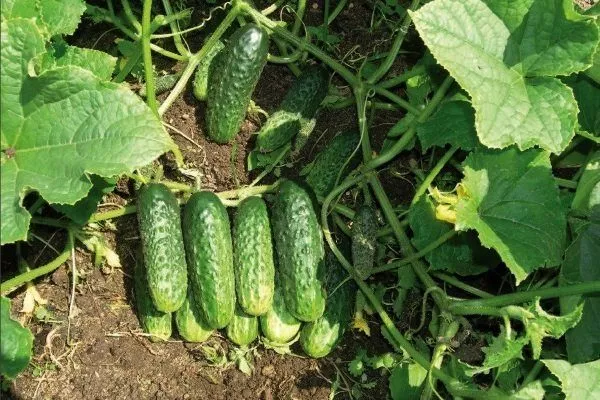
The Phoenix variety is valued for its long fruiting period.
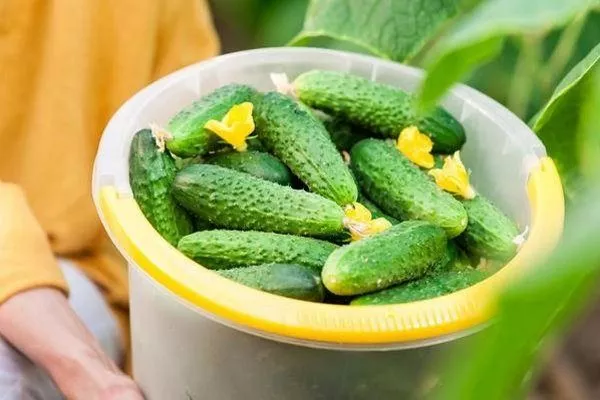
One bush can yield up to 6-7 kg of Phoenix cucumbers.
History of the variety's development
Phoenix cucumbers were first bred in 1980 at a breeding station in Krymsk, Krasnodar Krai. Soviet breeder A.V. Medvedev is considered the ancestor of this variety.
The cucumber got its name after a powdery mildew epidemic. The harmful fungus destroyed many seedlings and mature plants in Hungary, East Germany, Bulgaria, and the USSR, but Phoenix proved resistant to this pathogenic attack.
At that time, cucumbers had no official name, other than the number 640 to identify the variety. Later, the official name was adopted, honoring the bird that rose from the ashes—the Phoenix.
Description and characteristics
This cucumber variety is planted outdoors, produces fruit well, and is resistant to early frosts and some plant diseases. It begins bearing fruit in just 60 days after planting. Even without special care and maintenance, you can reap a bountiful harvest of delicious fruit.
Bush and leaves
With rapid growth, the bushes reach a height of 2.5 meters, so the trunk must be tied to a support. Side shoots do appear, but remain in the minority. Side shoots are spaced apart to maintain air circulation and thereby reduce yield.
The stem itself is easy-to-grow, resilient, and tenacious. Once secured, it intertwines with the support, but also thrives when grown horizontally. Planting cucumbers without support is prohibited, as the stem breaks as it grows, and the plant may dry out.
The bush's leaves are rich green, small, and spreading, creating a crown. This slows down moisture evaporation, which is important for intensive nutrition and rapid ripening of green fruits.
Flowering and fruits
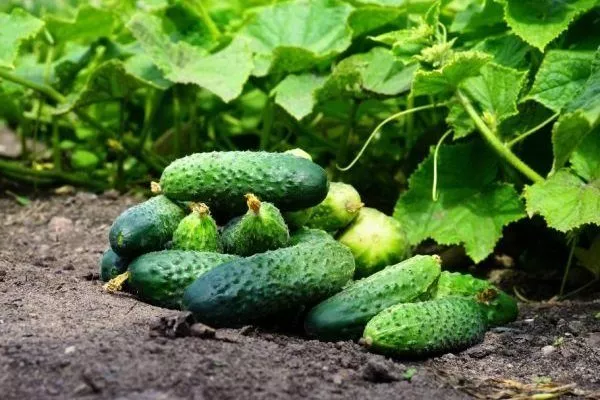
About 85% of the harvest is marketable. On average, the cucumber reaches 12-14 cm in length, acquires a bright green color and moderate bumpiness, with a white spine protruding from each bump. The skin is crisp and firm, the flesh is aromatic and juicy, with a small number of small seeds.
- ✓ The fruits have high resistance to transportation due to their dense skin.
- ✓ The variety has a unique ability to regenerate after minor damage.
All Phoenix cucumbers are identical in appearance, making them a primary source of income for many vegetable growers. A single medium-sized bush can yield up to 6-7 kg of Phoenix cucumbers or more.
The fruits are oval-cylindrical, up to 4-6 cm in diameter. With proper care, they can reach 16 cm in length. The approximate weight of each is 150-180 g. The flowering type is female, the fruits are pollinated naturally by insects (bees).
Ripening time and yield
The plant begins to bear fruit once the entire harvest has been collected. One square meter can yield 2.5-3.5 kg of cucumbers, which is a significant yield for agriculture. The first ovaries appear 25-30 days after planting the seeds.
Growing season depends on climate conditions. The first harvest can be collected after another 30 days. If Phoenix cucumbers are planted in mid-June, the plants begin to bear fruit closer to autumn (in September) and continue to produce until the first frost.
Resistance to diseases and pests
One of the significant advantages of the Phoenix variety is its strong immunity. These cucumbers attract gardeners and vegetable growers with their resistance to a number of diseases. With proper care, widespread plant diseases do not affect the Phoenix variety's yield.
Resistance to drought and temperature fluctuations
The Phoenix cucumber variety doesn't tolerate sudden temperature fluctuations. Such changes in weather conditions inevitably lead to the plant's death. As for drought, cucumbers can withstand periods of drought without nourishing moisture, but not for long.
The fruits are resilient and hardy until the first frost, but planting seedlings in frozen soil is not recommended, as this will damage the root system and kill the plant. The best time to plant is late May or June.
Advantages and disadvantages of Phoenix cucumbers
This cucumber variety appears attractive and promising for many vegetable growers, especially in the southern regions. With minimal investment, a bountiful harvest can be achieved.
The main advantages of the Phoenix variety:
- high yield;
- frost resistance;
- long fruiting period;
- strong immunity;
- drought resistance;
- ease of care;
- long shelf life;
- presentation;
- ease of transportation;
- versatility of use in cooking;
- pleasant taste.
There are fewer disadvantages, but before growing Phoenix cucumbers, you should familiarize yourself with them in more detail:
- the appearance of bitterness with sudden changes in temperature;
- limited growing conditions;
- large fruits.
Landing features
Cucumbers are planted in open ground; they are not suitable for greenhouse conditions. Prepare the soil in the fall. Cucumbers love various fertilizers, otherwise their yield will decrease significantly. They grow well in soil previously occupied by tomatoes, legumes, and potatoes.
Cucumbers are grown from seedlings or seeds. The former is less hassle. When using seeds, follow this basic rule: soak the seeds in a weak solution of potassium permanganate beforehand.
Seed preparation
Buy cucumber seeds only from trusted producers. After opening the package, carefully inspect each seed for integrity and appearance.
When purchasing glazed seeds, no pest control is required, whereas regular seeds should be treated with a potassium permanganate solution (soak for 10 minutes), then rinse thoroughly with running water and dry naturally.
Selecting a site and preparing the soil
Phoenix cucumbers produce a good harvest in humus and soddy soils, as well as in black soil with low nitrogen concentrations. If the soil is acidic, it is pre-treated with slaked lime (liming) to lower and neutralize the pH.
- ✓ Soil pH should be between 6.0-6.8 for optimal growth.
- ✓ The soil must have good drainage capacity to avoid water stagnation.
For your future vegetable garden, choose a level site with a slight south-facing slope. Avoid direct sunlight and strong winds. The optimal height of the bed is 30 cm, facing east to west.
Basic rules for preparing the soil before planting cucumbers:
- Dig up the area and remove weeds.
- Fertilize the soil with humus or manure, add peat and sand.
- Before planting seeds or seedlings, dig up the soil again.
In the spring, before planting cucumbers, periodically loosen the soil to ensure it receives oxygen. It's also advisable to repeat this procedure after planting the seeds or seedlings.
Timing and technology of sowing seeds
Seedlings are planted in mid-June, when temperatures have stabilized at 13-15 degrees Celsius. It's best to germinate the seeds in plastic cups, and then bury the sprouted seedlings in the soil. The optimal time for planting seeds indoors is mid-April.
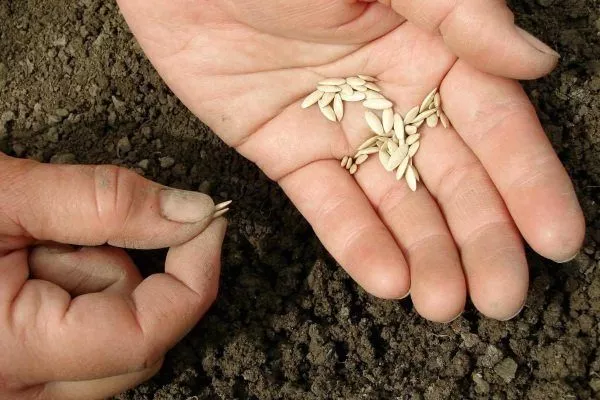
If it is decided to sow a plot with seeds, the vegetable grower must follow the following sequence of actions:
- Make small furrows 2-3 cm deep in the garden bed.
- Place 2-3 seeds in each hole.
- Cover with soil and water thoroughly.
- Maintain a distance of 30-40 cm between adjacent holes.
- Before planting seeds in unheated soil, cover it with polyethylene.
Transplanting
No more than three seedlings can be planted per square meter. Seedlings are planted in the ground when they have three leaves. The optimal temperature is 16°C at night and 22°C during the day. Lower temperatures reduce the chances of a good harvest.
Recommendations from experienced vegetable growers for planting seedlings:
- Loosen and level the soil thoroughly so that it receives a portion of oxygen.
- Plant seedlings in the ground along with the soil, otherwise you can only damage the root system.
- Do not plant cucumbers in the same area for several seasons in a row, otherwise the risk of disease increases.
- Leave a distance of 20-25 cm between seedlings. When planting cucumbers, use a 50x40 cm or 40x40 cm pattern.
Caring for a plant in open ground
Phoenix cucumbers are considered a "forget-me-not" crop once planted. The key is to ensure adequate and timely watering. Don't forget to fertilize, weed, loosen, and hill the soil. All these measures are essential for increasing the Phoenix variety's yield.
Regularly inspect the plant's leaves and stems. Despite its strong immunity, Phoenix cucumbers are susceptible to disease.
Watering
Watering frequency depends on weather conditions. It's best if the weather after planting is rainy. Otherwise, stick to a specific schedule. The plant is drought-resistant, but prolonged drought will reduce its yield.
Water your cucumbers weekly until the first flowers appear. After the first flowers appear, limit watering to once every 2-3 days. During this time, water the plants morning and evening to prevent the soil from drying out. During the growing season, water the cucumber plants once every 3-4 days.
In moderate humidity, water consumption per square meter is 10-15 liters. In severe drought, provide additional watering at a rate of 2 liters per square meter.
The first watering should be done in the morning, around 6:00 a.m. Use water that has been settled at ambient temperature. Water the cucumbers in the evening after 6:00 p.m. To avoid temperature shock and damage to the crop, preheat the water for the evening watering. The optimal temperature is 40-45 degrees Celsius.
Don't overwater the Phoenix cucumbers' roots, as this will cause them to rot. Overwatering can lead to the development of harmful fungi and the death of the plant.
Top dressing
When growing cucumbers, avoid using mineral fertilizers. This is because the root system consumes a lot of water, which depletes minerals. This negatively impacts yield. Organic fertilizers such as horse manure, poultry manure, and cow dung are an alternative to mineral fertilizers.
It's best to fertilize the soil in the fall or 2-3 weeks before planting Phoenix cucumbers. Fresh manure can burn the soil and reduce yield, so prepare it well in advance as an organic fertilizer.
When fertilizing the soil in the fall before planting, bury the manure to a depth of 30 cm and cover it with a layer of soil no more than 10 cm thick. In addition to organic fertilizer, add sand to the soil.
Optimal dosages of organic fertilizers and rules for their use:
- Bird droppings. Dilute with water at a ratio of 1:20. Apply to the soil 2 weeks before planting. The optimal dose per square meter is 2-2.5 liters.
- Straw manure. Use to form nutrient layers at a soil depth of 30 cm.
- Mullein. It is used in the same way as bird droppings, but in a ratio of 1:6 to water.
When it comes to mineral fertilizers, superphosphates are the only ones that promote bush growth and high yields. It's recommended to use a complex fertilizer, the proportions of which are indicated on the packaging.
Garter and shaping the bush
Since the bush can reach 3 meters in height and resembles a vine, it's best to tie it up. For this purpose, use a single support or trellis. Such simple structures can be made from readily available materials; without them, the stem breaks and the plant dries out.
Avoid pruning side shoots, as they harbor female flowers. To encourage the plant to grow wider, cut off the tops at the level of the 4th or 5th leaf. Otherwise, the stems grow upward, male flowers predominate, and yields decline.
When staking plants, guide the shoots horizontally. This is another trick for increasing the Phoenix variety's yield. When the third leaf emerges, remove the side shoots, which is important for developing a strong root system. A similar procedure is performed when the eighth leaf emerges. The resulting bush looks like an inverted pyramid.
Weeding and loosening the soil
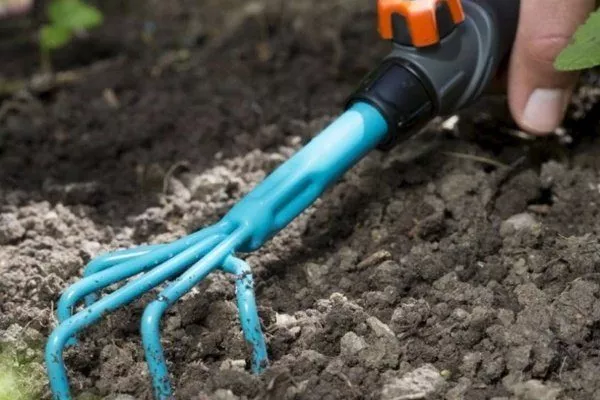
Don't forget the benefits of weeding, which enriches the soil with oxygen. The Phoenix variety is resistant to weeds, which reduce yields. Loosen the soil daily, especially after watering, when weeds grow most rapidly.
Protection from insects and diseases
The variety is resistant to pests, but inspect the leaves and stems periodically. If a problem occurs, immediately purchase a special treatment from a pharmacy, use it as directed, and consult a specialist first.
More has been written about the treatment of cucumber diseases. Here.
As a preventative measure, periodically spray plants with copper-containing solutions, such as copper oxychloride and Bordeaux mixture. Apply 5 liters of 1% Bordeaux mixture per square meter.
Harvesting
The first harvest occurs in mid-July and continues until autumn. The bushes produce fruit well; harvest every 2-3 days. Watch carefully to avoid overripe cucumbers, as they can hinder the development of new fruit.
To avoid breaking the vine, twist the cucumber from its stem rather than pluck it. Harvest early in the morning, when the pulp is still juicy. If fruit production declines, check to see if all cucumber care instructions have been followed.
Reviews of Phoenix cucumbers
Phoenix cucumbers are easy to care for, produce a bountiful harvest, and are highly sought after in modern cooking. They're used in salads, but are more often canned. Their flavor is unforgettable; they're not bitter, and they have a pleasant crunch.