
Solnechny is a popular cucumber variety with excellent flavor. Its abundant fruiting, disease resistance, and culinary versatility make it a popular choice for gardening. Despite some minor drawbacks, it produces excellent results with proper care.
Introduction to the variety
Solnechny (Sunny) cucumbers are often chosen for outdoor cultivation. They'll appeal to all lovers of traditional plants, as the seeds can be used for self-propagation. Their refreshing flavor will impress, and in winter, you can enjoy them canned.
History of origin
The crop was developed by breeders Popova A. M. and Malychenko L. P. It received permission for use in 2002.
Characteristics of the appearance of the plant and cucumbers
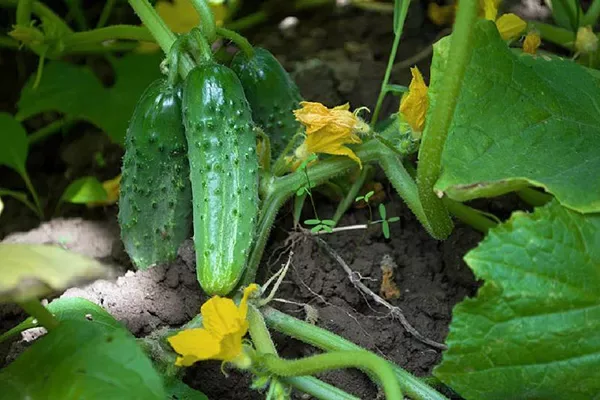
Indeterminate bushes with strong, vigorous stems. Large, green, pentagonal leaves with a light white pubescence. The plants are well-foliated, and the flowering is mixed.
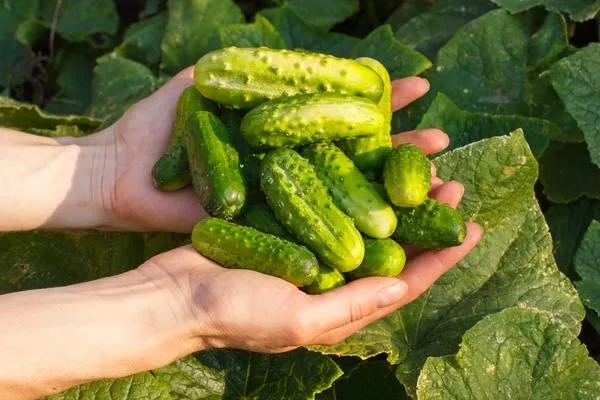
Gherkins reach 10.5 to 11.9 cm in length and about 3.5 cm in diameter. The weight of a single cucumber ranges from 95 to 138 g. The fruits are cylindrical in shape and have a coarsely tuberculated surface with sparsely spaced white spines.
Taste and purpose
Characterized by an excellent flavor, slightly sweet and without bitterness, they are ideal for canning, pickling, preparing various dishes, and garnishing. Many gardeners grow this variety for fresh consumption.
When ripe, the yield
Solnechny is a mid-season variety: from germination to first fruiting, it takes 47-49 days. The fruits ripen over a long period, until early autumn. The average yield is 408-532 centners per hectare.
Resistance to diseases and pests
It has strong immunity to most diseases and pests, but is susceptible to powdery mildew. This disease most often develops under conditions of excessive humidity, temperature fluctuations, and cold watering.
- ✓ The first signs appear on the lower leaves in the form of white spots that quickly spread.
- ✓ As the disease progresses, the leaves become brittle and break easily.
Powdery mildew causes leaves to turn yellow and wilt. Initially, treat the plants with solutions of baking soda, soap, or whey, thoroughly spraying all parts of the plant, including both sides of the leaves.
Advantages and disadvantages
This bee-pollinated variety boasts abundant and long-lasting fruiting, producing a large, high-quality harvest of cucumbers.
Advantages:
The only drawback of the variety is its susceptibility to powdery mildew.
Growing and care
Choose fertile, well-drained soil with a neutral or slightly acidic pH for planting. Prepare the site in advance, in the fall or early spring, by adding organic fertilizers such as humus or compost (3-4 kg per square meter) and digging to a depth of 20-25 cm. The recommended pH is 6-7.
- ✓ The soil pH level should be strictly within 6-7, deviations can lead to a decrease in yield.
- ✓ The depth of the fertile layer is at least 30 cm to provide the root system with the necessary nutrients.
Helpful tips:
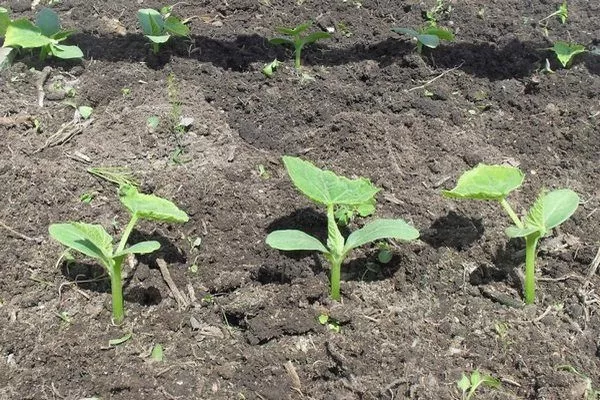
- Sow seeds directly into the soil or through seedlings. Do this when the soil warms to 12-14°C and the weather becomes consistently warm (usually mid- to late May).
- Sow the planting material to a depth of 2-3 cm.
- Place seeds 20-25 cm apart, leaving 70-80 cm between rows.
- For seedlings, sow seeds in individual pots at a depth of 1-2 cm. The optimal time is late March - early April.
- Provide the seedlings with sufficient light and regular watering. Maintain temperatures at 20-22°C during the day and 16-18°C at night.
Carry out standard care procedures:
- Watering. Water the seedlings 2-3 times a week, preventing the soil from drying out. Water in the morning or evening to prevent evaporation and overheating.
- Weeding and loosening. Remove weeds regularly and loosen the soil to improve air circulation.
- Top dressing. At the beginning of flowering and fruit formation, fertilize the crop with complex mineral fertilizers containing phosphorus and potassium. Use Kemira-Universal or Cucumber Solution.
- Formation and support. Install supports or trellises for your cucumber vines. This will improve light and air access. Remove side shoots and suckers, leaving 2-3 main stems. This will ensure the plant focuses all its energy on fruit production.
Harvest the greens every 2-3 days when the fruits reach a length of 10-12 cm. Pick them carefully, without damaging the leaves and stems.
Reviews
Solnechny is one of the most popular cucumber varieties. It combines many positive characteristics, making it an excellent choice for both experienced and novice gardeners. It is renowned for its high productivity, excellent taste, and strong immune system. Its qualities can only be fully appreciated with proper care.