
Breeders have succeeded in producing seeds that can germinate in Siberia's harsh weather conditions. Today, there is a wide selection of varieties, each with its own distinctive characteristics, described below.
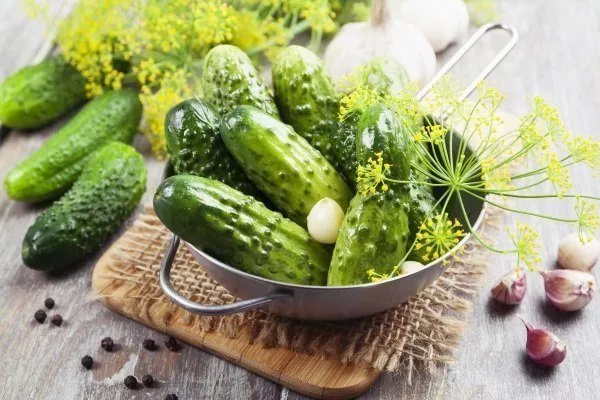
What makes Siberian cucumbers different?
The difference between the Siberian cucumber and the common cucumber is that the former is always a hybrid. Because this vegetable thrives in warmer climates, the harsh Siberian climate is not the most favorable place for its cultivation.
- ✓ Resistance to sudden temperature changes.
- ✓ Ability to self-pollinate or the presence of bee-pollinated varieties in conditions of limited access of bees.
- ✓ Short growing season for successful ripening in the short Siberian summer.
Hybrid cucumber varieties not only grow and develop at low temperatures but also produce a bountiful harvest. Most Siberian varieties generally don't require pollination, as bees assist with this process. Hybrid cucumbers ripen in no more than 1.5 months, which is crucial given Siberia's short summers.
You can distinguish a hybrid cucumber variety from a regular one by the additional symbol "F1." This indicates that the variety was created by crossing two varieties.
- ✓ The presence of the symbol “F1” in the variety name indicates its hybrid origin.
- ✓ Hybrid seeds are unsuitable for subsequent cultivation, as they do not retain their parental qualities.
Hybrid cucumbers don't have any distinctive flavor characteristics. However, there's no need to save the seeds for seedlings, as they aren't designed for growing seedlings.
Varieties ideal for Siberia
Cucumbers come in a wide variety, and their growing conditions also vary. Which varieties of this vegetable are suitable for Siberia are discussed below.
| Name | Ripening period (days) | Yield (kg/m2) | Pollination type |
|---|---|---|---|
| Moment | 48 | 15 | Bee-pollinated |
| Pallas's cat | 45 | 32 | Bee-pollinated |
| Claudia | 54 | 27 | Self-pollinating |
| Brigantine F1 | 40 | 34 | Bee-pollinated |
| Alliance | 56 | 18 | Self-pollinating |
| Emelya | 44 | 16 | Self-pollinating |
| April | 40 | 14 | Self-pollinating |
| A friendly family | 49 | 11 | Self-pollinating |
| Zozulya F1 | 49 | 18-21 | Self-pollinating |
| Gerda | 41 | 15 | Self-pollinating |
| Elegant | 39 | 8 | Bee-pollinated |
| Crane F1 | 40 | 10 | Bee-pollinated |
| Poplar F1 | 59 | 17.5 | Bee-pollinated |
| Altai | 45 | 4 | Bee-pollinated |
| Cascade | 47 | 3 | Bee-pollinated |
| Hermann | 43 | 16 | Self-pollinating |
| Parisian gherkin | 40 | 6 | Bee-pollinated |
| Enthusiasm | 42 | 13 | Self-pollinating |
| Miranda F1 | 46 | 6.5 | Self-pollinating |
Moment
It was developed in the Far East in the 1980s. It is recommended for cultivation outside greenhouses. This variety gained popularity due to the high marketability of its fruit.
Main characteristics:
- The variety is mid-early; the green fruits ripen 48 days after the seedlings emerge.
- The fruits are tubular in shape, no more than 22 cm in size. The maximum weight of the cucumbers is 125 g, the minimum is 104 g. The diameter of the cucumber does not exceed 4.5 cm. The skin is smooth with virtually no bumps.
- The shrub is medium-sized. The main stem length ranges from 112 to 179 cm. The leaves are medium-sized, dark olive green, and round. The ovary develops up to 7 cm. The lateral shoots are strong, with about 6 leaves.
- Diseases. Viral diseases pose a threat to the plant. Preventive measures with mild chemical treatments are required.
- Productivity. Pollination by bees. The yield is stable, up to 15 kg per square meter.
- Purpose: salting, canning.
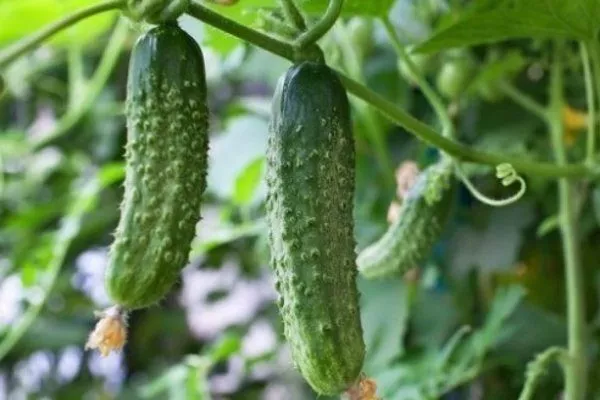
Pallas's cat
One of the main advantages of this variety is its shade tolerance. The bushes continue to grow and develop at their usual pace even in prolonged periods of sunless conditions. Conversely, excessively warm soil can lead to a decrease in ovary production.
Main characteristics:
- The variety is mid-season; cucumbers ripen 45 days after the seedlings emerge.
- Fruits. Maximum size: 22 cm, minimum: 9 cm. Weight: 130 to 210 g. Cucumbers have a light greenish hue and an oblong shape.
- The bush is clustered, with no more than 6 ovaries.
- Diseases. Viral and infectious diseases pose a danger. Preventive measures are necessary.
- Productivity – up to 32 kg per 1 sq. m.
- The purpose is universal.
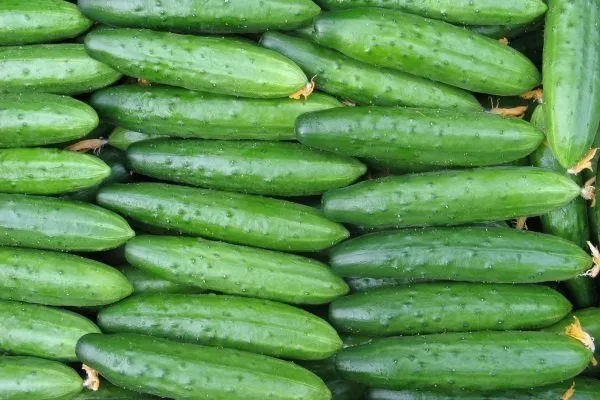
The most productive varieties for Siberia
To get a good cucumber harvest, you need to choose the right variety. Find out which one is best for Siberia below.
Claudia
The advantage of this variety is good immunity to low temperatures.
Main characteristics:
- The variety is mid-season, fruiting begins 54 days after the first shoots appear.
- The fruits are ellipsoidal, no more than 11 cm long. The maximum weight of a cucumber is 95 g. The skin is bumpy with barely noticeable fuzz. The flesh is crisp and has a sweet aftertaste.
- A tall shrub with looped shoots, suitable for greenhouse cultivation. It has strong roots and a well-developed main stem. The leaves are small and greenish in color. There are no sterile flowers.
- Diseases. The plant is resistant to viruses and infections. However, it is sensitive to sunlight and has a high risk of sunburn.
- Yield is stable, up to 27 kg per 1 sq. m.
- Purpose: canning.
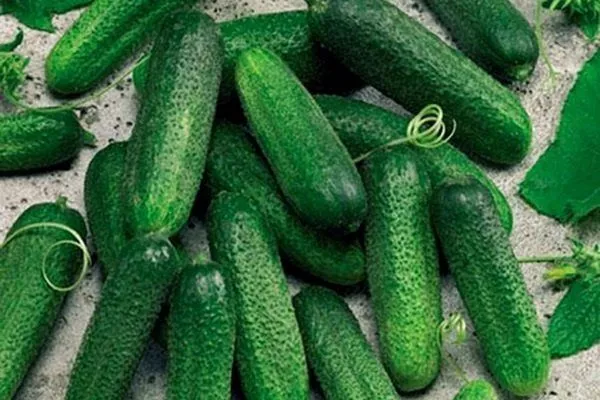
Brigantine F1
This variety responds well to mineral-based fertilizers and timely watering with warm, settled water. With proper care, the bushes produce fruit well and are disease-free.
Main characteristics:
- The variety is early ripening.
- The fruits are ellipsoid, a rich olive color, with massive bumps on the skin. The maximum length of the cucumber is 14 cm, the minimum is 9 cm. The diameter of the fruit is at least 3.5 cm.
- A small shrub. The main stem is up to 90 cm long. The leaves are small with a rounded edge. The ovary is 5 cm long.
- Diseases. The plant is virtually immune to viruses and infections.
- Productivity. Pollinated by bees. Capable of yielding up to 34 kg per square meter.
- Purpose: canning, salting.
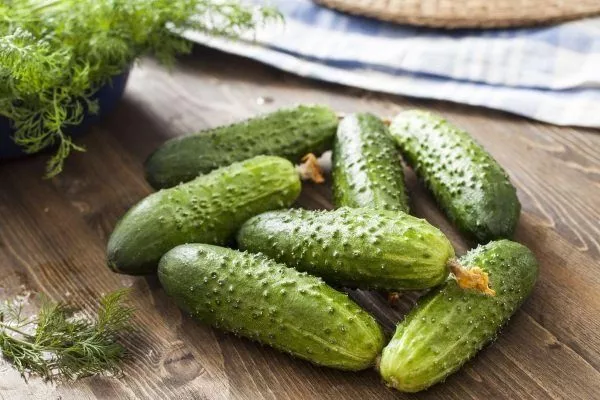
Alliance
There are two varieties from different producers. The first was developed by a Russian breeder from Rostov-on-Don and is used in cold climates. The second is produced by a Dutch company and is a hybrid variety.
Main characteristics:
- The variety is early ripening, fruiting occurs on the 56th day (and is repeated several times during the season).
- The tubular fruits have a firm skin. The ribbed surface is a bright pistachio color with subtle stripes. The cucumber shape is slightly elongated. The maximum size of the fruit is 19 cm. The weight of the cucumber does not exceed 120 g.
- The shrub is spreading and highly branched. The leaves are voluminous, with a wavy edge, and a dull greenish hue. Two to four ovaries develop on a single stem.
- Diseases. The plant has good resistance to various diseases.
- With proper care, the yield is at least 18 kg per 1 sq. m.
- Purpose: universal.
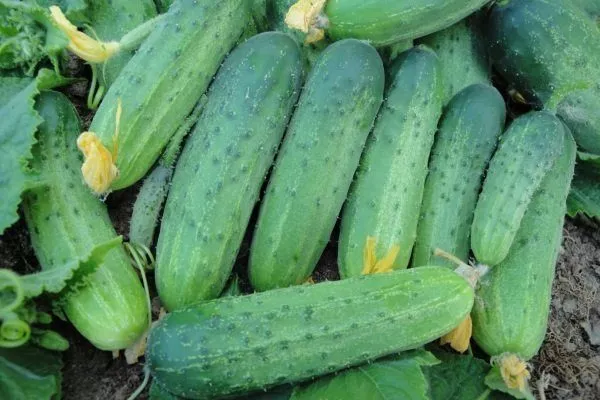
Emelya
In 2003, the variety was added to the state register of the Russian Federation and subsequently gained immense popularity among a large number of gardeners.
Main characteristics:
- The variety is early maturing; the green fruits ripen 44 days after the first seedlings appear.
- The fruits are oblong-oval in shape. The skin is covered with irregularly spaced, massive bumps. Each cucumber weighs no more than 140 g. The maximum size is 16 cm with a diameter of 4.5 cm.
- The shrub is vigorous, short, and tufted. The foliage is bright green and wavy.
- Diseases. Due to its developed cold tolerance, this vegetable crop has a strong immune system. Therefore, it rarely gets sick.
- Productivity. Bees are not required for pollination. Over 16 kg per square meter.
- Purpose: universal.
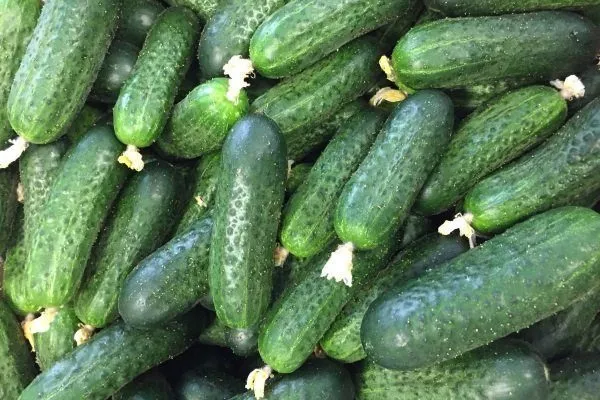
The best self-pollinating varieties
Today, many gardeners choose self-pollinating cucumber varieties. Read on to find out which ones are best suited for Siberia.
April
It was first bred in Moscow. Since 1978, it has been approved for planting in colder regions of Russia. This variety produces its best yields when grown indoors, but can also be grown outdoors.
Main characteristics:
- The variety is early maturing; the green fruits ripen 40 days after the seedlings emerge.
- The fruits are oblong and tubular. The skin is rough with distinct tubercles. A cucumber can weigh up to 300 g, with a minimum of 135 g. Length ranges from 16 to 27 cm.
- The bush is medium-sized and has lateral branches.
- Diseases. The plant is highly resistant to viruses and infections. There is a risk of root rot if overwatered.
- Productivity: 1 square meter yields approximately 14 kg.
- Purpose: to be consumed fresh.
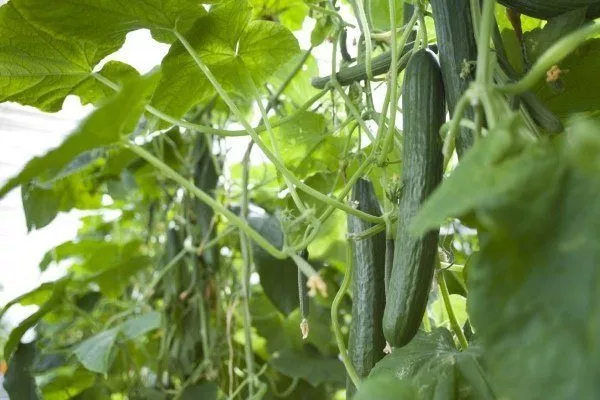
A friendly family
This variety has found wide application in agricultural production and private gardens. It produces fruit equally well both indoors and outdoors.
Main characteristics:
- The variety is mid-season; cucumbers ripen in 49 days.
- The tubular fruits have a ribbed surface. Cucumbers range in size from 10 to 14 cm, with a diameter no greater than 4 cm. Each fruit can weigh up to 105 g. The skin is thick with whitish stripes. The flesh is meaty and not bitter.
- The shrub is medium-sized and moderately branched. It produces no sterile flowers. The leaves are medium-sized and a rich green hue. The main stem produces no more than 5 ovaries, and the lateral shoots produce about 9.
- Diseases. Without proper plant care, there is a risk of contracting common vegetable viral diseases.
- Productivity. Pollination occurs without the help of bees. The yield is stable, from 11 kg per square meter.
- Purpose: salting, canning.
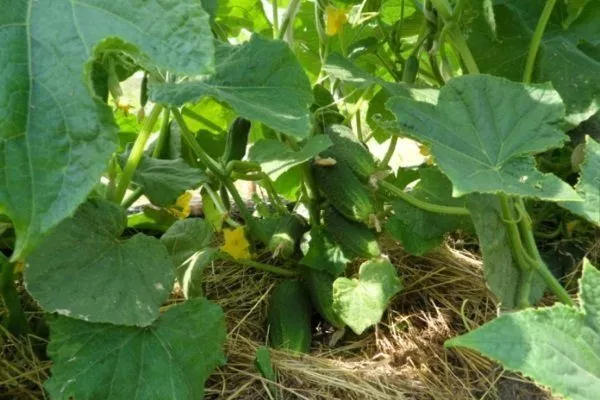
Zozulya F1
This variety is not suitable for outdoor cultivation. The cucumbers grow and produce better fruit in a greenhouse.
Main characteristics:
- Zozulya variety early maturing, the green fruits ripen 49 days after the first seedlings emerge.
- The fruits are dark olive in color. They are tubular in shape, with a subtle curve. The skin has small bumps. The length of the cucumber ranges from 15 to 26 cm. The minimum weight of the cucumber is 170 g, and the maximum is 280 g. The flesh is juicy, dense, and has a sweet aftertaste.
- The shrub is slightly loopy. It thrives with the addition of mineral fertilizers. Lateral branching is limited.
- Diseases. The vegetable crop has strong immunity to almost all viruses, with the exception of fusarium.
- The yield is high, with 18 to 21 kg of cucumbers produced per square meter.
- Purpose: It is preferable to consume it fresh, but it can be used for pickling.
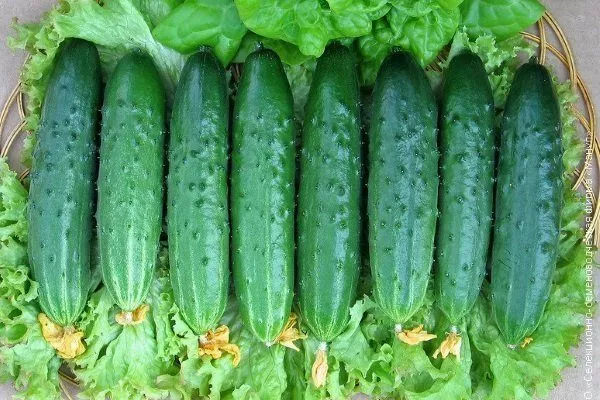
Gerda
'Gerda' is a gherkin variety. It can be grown both indoors and outdoors.
Main characteristics:
- The variety is early ripening, the green fruits ripen in 41 days.
- The fruits are short. Each cucumber reaches no more than 11 cm in length. The cucumbers are tubular in shape. The skin is rough, with irregularly arranged bumps. Each cucumber weighs between 68 and 74 g.
- The bush is medium-sized and bushy.
- Diseases. The plant is virtually immune to viral and infectious diseases. With timely prevention, the plant rarely becomes infected.
- Yield. Despite the small size of the fruit, 1 square meter yields approximately 15 kg of cucumbers.
- Purpose: salting.
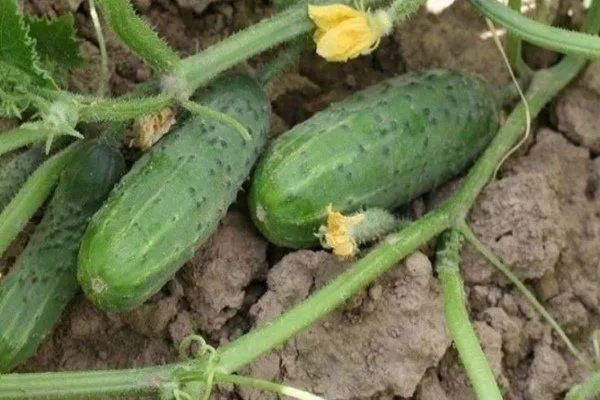
Disease-resistant varieties
Below are described the best Siberian varieties that are resistant to many cucumber diseases.
Elegant
Thanks to their high cold resistance, the Siberian climate does not seem so harsh to the "Elegant" cucumbers.
Main characteristics:
- Grade: Graceful early maturing, fruiting occurs on the 39th day.
- The fruits are elliptical and slightly elongated. They have a bright green hue. Cucumber length varies from 9 to 15 cm. Fruit weight can reach 145 g. The flesh is juicy, crisp, and free of bitterness.
- The bush is medium-sized, with 8 lateral shoots. It has a large number of barren flowers, so it can pollinate neighboring bushes.
- Diseases. The plant has strong immunity to all infectious diseases common to cucumbers.
- The yield is low, no more than 8 kg per 1 sq. m. Pollination is by bees.
- Purpose: canning, salting.
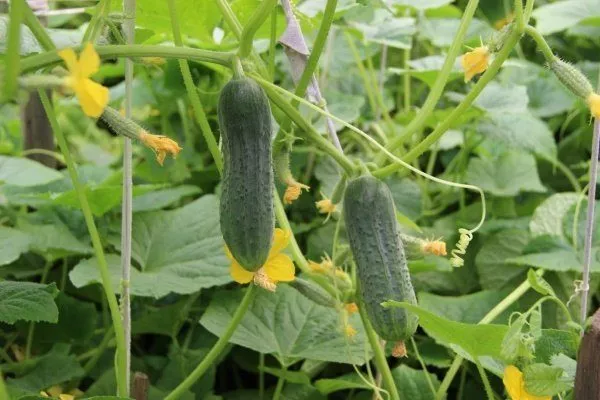
Crane F1
This variety of cucumber is a hybrid and is pollinated by bees.
Main characteristics:
- The variety is early ripening, the green fruits ripen in 40 days.
- The fruits are elliptical in shape. The skin is rough with distinct bumps. The length of the fruit is 13.5 cm, with a diameter of 3.7 cm. The cucumber weight can vary from 85 to 110 g. The skin is thick with a few black spines.
- The shrub is loopy. The main stem measures 145 to 185 cm. Typically, no more than six shoots are formed.
- Diseases. The plant is not susceptible to diseases such as bacterial wilt and fusarium. To prevent the plant from becoming ill, occasional preventative treatment with mild chemicals is required.
- The yield is low, no more than 10 kg per square meter.
- Purpose: universal.
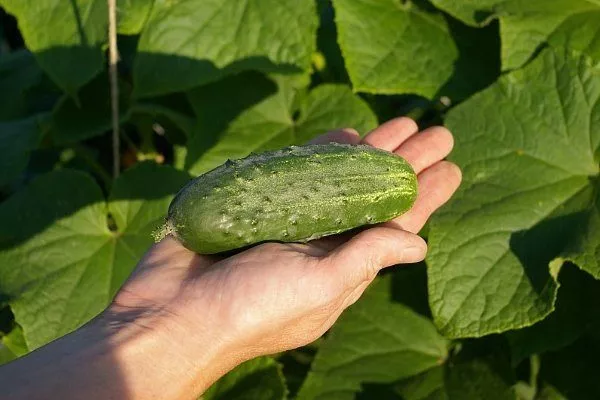
Poplar F1
It has gained popularity due to the excellent marketable appearance of its cucumbers and long shelf life. It is best to grow this vegetable in a covered greenhouse.
Main characteristics:
- The variety is mid-season; the green fruits ripen in 59 days.
- The fruits are tubular, no more than 14 cm in length. The cucumber diameter is no more than 3.6 cm. The maximum weight of a cucumber is 150 g. The skin is bumpy with dark spines.
- The bush is medium-branched with rounded leaves of a dark green hue.
- Diseases. The plant has moderate immunity to fusarium. Preventive measures are required.
- The yield is high. 1 square meter yields over 17.5 kg.
- Purpose: canning, salting.
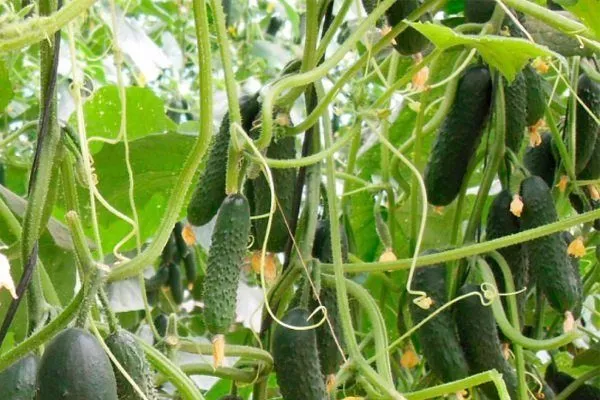
Altai
Currently, this cucumber variety is the most adaptable hybrid to harsh environments. However, it cannot boast of high yields.
Main characteristics:
- The variety is early maturing; the green fruits ripen after 45 days.
- The fruits are oval and bright olive in color. The skin is smooth and shiny. There are no bumps. The maximum fruit size is 13 cm. Cucumbers are typically watery, juicy, and crisp.
- A clump-forming shrub. Stems can reach 1.5 m in length. Branching is moderate. Leaves are miniature. Inflorescences are bright yellow.
- Diseases. The plant has strong immunity to most diseases common to this vegetable crop.
- The yield is low. 1 square meter yields just over 4 kg.
- Purpose: universal.
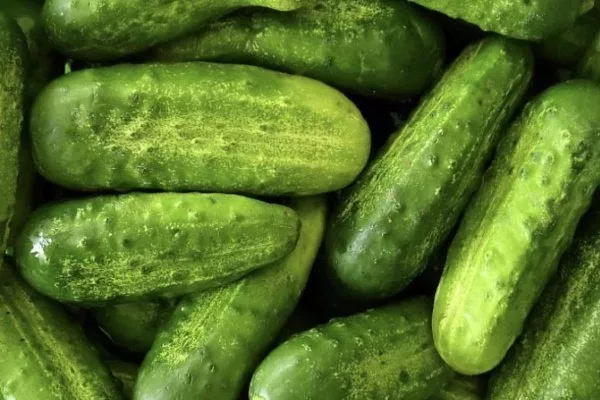
Cascade
This variety is grown exclusively outdoors and requires bee pollination. Its main advantage is its ease of harvesting, as all the greens on the bush ripen at the same time.
Main characteristics:
- The variety is early maturing; the green fruits ripen 47 days after the seedlings emerge.
- The fruits are a rich olive color. The skin is bumpy. The maximum weight of a cucumber is 161 g. The size, in most cases, does not exceed 17 cm. The cucumbers are firm and dense.
- The bush is medium-sized, with fairly massive foliage of a light pistachio hue.
- Diseases. The plant has excellent immunity, so viruses and infections pose no threat to this variety.
- The yield is low, no more than 3 kg per square meter. Pollination is by bees.
- Purpose: universal.
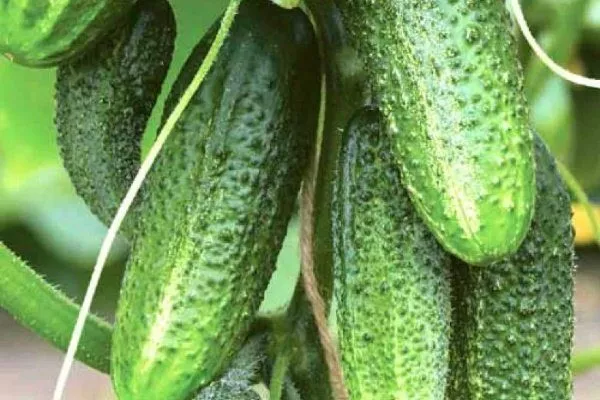
Hermann
This cucumber variety is widely used in large industrial plants. If grown in a heated greenhouse, the plant will continue to produce fruit even during the winter.
Main characteristics:
- Variety Herman early ripening, green fruits appear already on the 43rd day.
- The fruits have a rich pistachio hue with white bumps on the surface. The cucumbers can reach 13 cm in length and 4 cm in diameter. The fruit weighs no more than 90 g. The flesh has a sweet aftertaste and is free of bitterness.
- The bush can reach 4.5 m in height. The leaves are not massive, but round.
- Diseases. The plant has good immunity to infections such as cladosporiosis and fusarium.
- The yield is high, about 16 kg per 1 sq. m.
- Purpose: salting, canning.
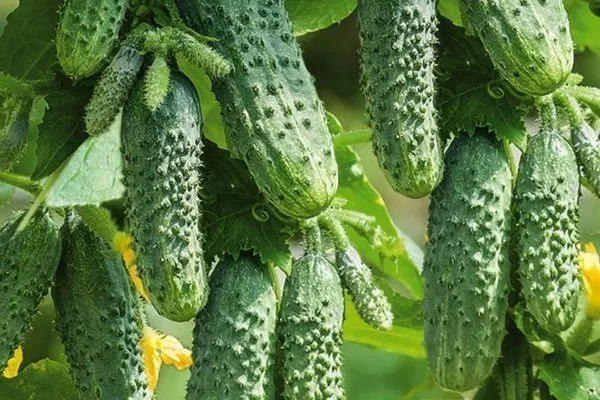
Good varieties, according to gardeners' reviews
When choosing a cucumber variety to plant in your garden, it's also important to consult reviews from gardeners. They can recommend the best option based on their experience.
Parisian gherkin
Miniature cucumbers known as gherkins have always attracted gardeners with their distinctive qualities. This variety boasts a rare sweet-and-sour flavor and is easy to grow.
Main characteristics:
- The variety is early maturing; the green fruits ripen 40 days after the seedlings emerge.
- The fruits are miniature, oblong-oval. The maximum weight of a cucumber is 85 g. The skin is a bright pistachio color with white stripes running along its entire length. The surface is covered with brown spines, arranged in a random pattern. The length of the fruit barely reaches 11.5 cm.
- The shrub has a medium-sized, climbing habit. The leaves are gray-green and quite large.
- Diseases. This vegetable crop has strong immunity to virtually all viral and infectious diseases.
- The yield is low, no more than 6.5 kg per square meter. However, the plant is capable of bearing fruit throughout the growing season. Pollination is by bees.
- Purpose: universal.
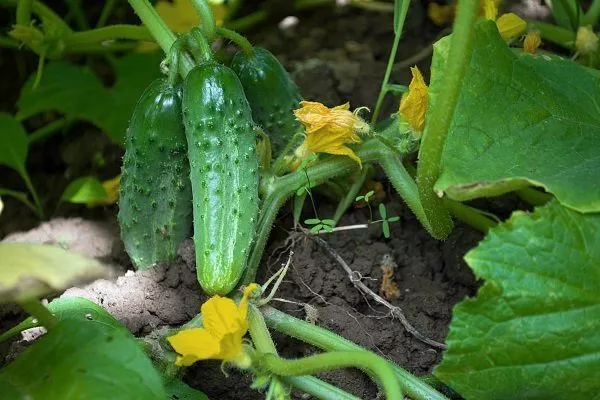
Enthusiasm
Due to its small size, this variety is classified as a gherkin. This self-pollinating, high-yielding hybrid has become a favorite among numerous gardeners.
Main characteristics:
- The variety is early ripening, the green fruits ripen on the 42nd day.
- The fruits are 9 cm in size. The thin skin is a bright olive shade with few light stripes. The cucumber is characterized by juiciness, crunchiness, and a watery texture. The cucumber weighs just 87 g.
- The shrub has a medium-sized, vining habit. The leaves are medium-sized, wrinkled, and have a wavy edge. A leaf node produces no more than four ovaries. There are no sterile flowers.
- Diseases. The plant has excellent immunity to viral and infectious diseases.
- The yield is high, with about 13 kg of cucumbers produced per square meter.
- Purpose: universal.
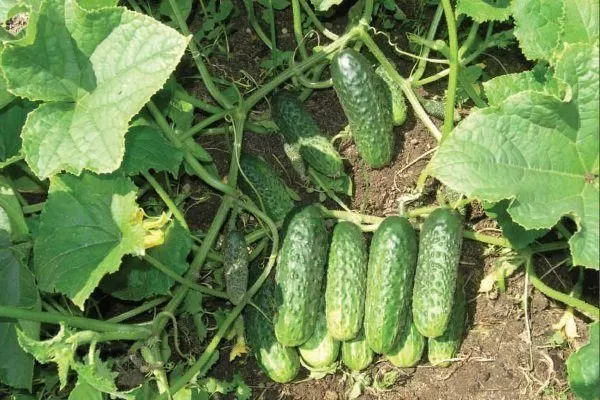
Miranda F1
It was bred in 1992 in the Moscow region. The main advantage of this variety is its ability to be grown indoors. Thanks to this quality, cucumbers can be grown even in the northernmost region of our country.
Main characteristics:
- The variety is early ripening, the green fruits ripen already on the 46th day.
- The fruits are oval, with barely visible tubercles. Cucumber weight can vary from 80 to 115 g. Maximum length is 13 cm, with a diameter of 4.5 cm. The skin is thick, dark olive in color, with a few whitish streaks. The flesh is crisp and aromatic.
- The shrub is vigorous and sparsely branched. Its smooth, medium-sized leaves are a rich green. Each leaf node produces approximately three ovaries.
- Diseases. The plant has excellent immunity to many common cucumber diseases. Preventive measures are acceptable, but not necessary.
- The yield is low, no more than 6.5 kg per square meter.
- Purpose: universal.
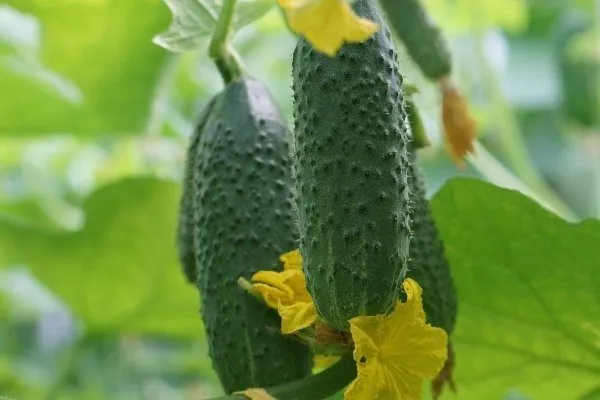
Comparative table of varieties by main criteria
| Name | Open ground | Greenhouse | Early ripening | Mid-season | Productivity |
| Moment | + |
| + | up to 15 kg | |
| Pallas's cat | + |
| + | up to 32 kg | |
| Claudia | + | + |
| + | 27 kg |
| Brigantine F1 | + | + | + | 34 kg | |
| Alliance | + |
| + | not less than 18 kg | |
| Emelya |
| + | + | from 16 kg | |
| April |
| + | + | from 14 kg | |
| A friendly family | + | + |
| + | 11 kg |
| Zozulya F1 |
| + | + | from 18 to 21 kg | |
| Gerda | + | + | + | 15 kg | |
| Elegant | + | + | + | no more than 8 kg | |
| Crane F1 | + | + | + | no more than 10 kg | |
| Poplar F1 |
| + |
| + | 17.5 kg |
| Altai | + |
| + | 4 kg | |
| Cascade | + |
| + | 3 kg | |
| Hermann | + | + | + | 16 kg | |
| Parisian gherkin | + | + | 6 kg | ||
| Enthusiasm | + | + | + | 13 kg | |
| Miranda F1 |
| + | + | 6.5 kg |
Growing a heat-loving vegetable like cucumbers is a challenging, but possible endeavor. Over the years, this delicious fruit has spread throughout the world, even in places where it would seem impossible to grow. But thanks to varieties developed by breeders, growing this crop has become possible even in the harsh Siberian climate.