
Shpingalet cucumbers are one of the most sought-after hybrids. This is due to their excellent productivity, rich, pleasant flavor, and crisp flesh. They combine ease of use, disease resistance, and versatility, making them ideal for both greenhouse and open-air cultivation. Proper care is key.
Introduction to the variety
The cucumber variety with the cheerful name "Shpingalet" is a heat-loving and undemanding hybrid. It thrives in gardens and is grown commercially.
Originators
Created by breeders M. N. Gulkin, N. V. Nastenko and V. G. Kachainik and approved for use since 2013.
External characteristics of the plant and cucumbers
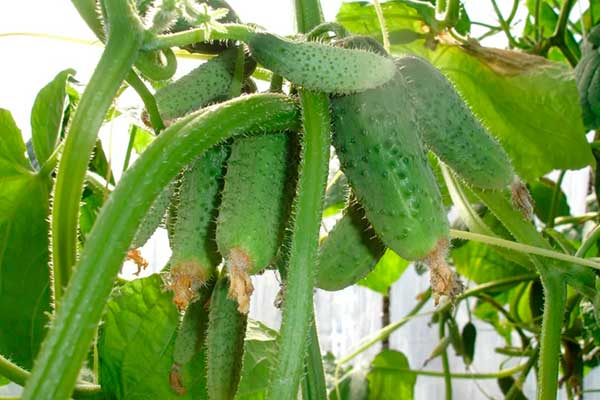
The bushes grow compact, never exceeding 50-60 cm in height. The shoots are covered with medium-sized, dark green leaves. Up to two or three female flowers can form at a single node.
Taste and purpose
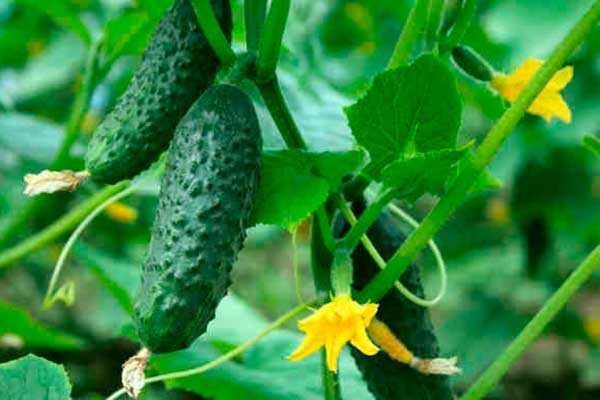
This hybrid is versatile. According to tasters, its flavor is excellent and completely free of bitterness. Thanks to its excellent taste and crisp texture, these green cucumbers are ideal for fresh salads and appetizers.
Composition, benefits
Shpingalet cucumbers are not only delicious but also healthy. They contain:
- Water - about 95%, which makes them an excellent means of maintaining water balance in the body.
- Vitamins: A, B, C, K, which help strengthen the immune system, improve the condition of the skin and vision.
- Minerals: potassium, magnesium, phosphorus, calcium and iron, which are necessary for the normal functioning of the heart, bones and muscles.
- Antioxidants, which help fight free radicals and slow down the aging process.
Benefits of vegetables:
- Improves digestion due to high fiber content.
- They help remove toxins and waste from the body.
- Helps maintain a healthy weight due to its low calorie content.
- They have a mild diuretic effect, which is beneficial for the kidneys and bladder.
- They lower blood sugar levels and maintain normal cholesterol levels.
Shpingalet is not only a tasty but also a healthy product that is worth including in your diet to maintain health.
When ripe, the yield
This early hybrid takes only 53-55 days from germination to fruiting. It boasts high yields – 13-14 kg of vegetables are harvested per square meter.
Regionalism
The crop is cultivated in various regions of Russia due to its undemanding nature and adaptability to a variety of climatic conditions. The hybrid is successfully grown in the Central, Northwestern, Volga-Vyatka, Central Black Earth, North Caucasus, Middle Volga, and Ural regions.
Positive and negative qualities
Before growing a new variety, familiarize yourself with its advantages and disadvantages. Experts recommend reviewing the hybrid's list of positive characteristics. It has the following qualities:
The only drawback of the hybrid is that the seeds in the pulp do not ripen, so they are not suitable for subsequent sowing.
Landing features
Cultivation is one of the key processes in growing a crop. It's important to follow certain rules to ensure the successful growth and development of the plants.
- ✓ The soil should be warm to the touch, at least +15°C at a depth of 10 cm.
- ✓ The soil should crumble easily in your hands without forming lumps.
Planting dates
Sow seeds in open soil when the soil temperature reaches 15°C. Planting in unprotected beds is typically done between May 25 and June 10. To grow seedlings, sow seeds between April 15 and 25.
- ✓ The site must be protected from northern winds by natural or artificial barriers.
- ✓ The soil should have a pH level of 6.0-6.5, which is optimal for cucumbers.
Site preparation
To grow healthy cucumbers, prepare the soil in your garden beds. Follow these recommendations:
- Dig and loosen the soil.
- Enrich it with components containing peat and humus.
- Use compost to keep the soil loose and prevent it from becoming hardened.
In spring, add sawdust to improve the soil structure.
Planting seeds
Before planting, treat cucumber seeds with a 1% manganese solution. Soak them for 30 minutes. Plant the seeds in open soil to a depth of 2-3 cm.

Planting seedlings
To grow seedlings, sow seeds in small containers at a depth of 3-4 cm. Maintain a temperature of 25-27°C until seedlings emerge. Once the seeds have sprouted, reduce the temperature to 18°C.

Planting diagram
The recommended planting pattern for this hybrid is 60 cm between rows and 60 cm between plants. Do not plant more than 3 seedlings per square meter of plot.
Care
Proper care is essential for producing beautiful, uniform, and delicious fruit. Standard agricultural practices are essential for achieving high productivity. Familiarize yourself with them and devote minimal time and attention to your crop.
Watering
The plant requires regular watering. Apply only warm water to the roots of the plants in the morning or evening, every three days. Increase the frequency of watering in hot weather, and reduce it in rainy weather.

Garter and shaping of bushes
If you're growing Shpingalet in a greenhouse, take care to train the plants. Train them to a single main stem, securing them to vertical trellises. Remove lower shoots and pinch out upper shoots. This isn't necessary in open beds.
How and what to feed?
Fertilize three times per season, at 14-day intervals. Use nitrogen-based fertilizers (manure, urea), mineral components (phosphorus fertilizers, nitrophoska, superphosphate), and potassium-based fertilizers.
Hilling
Hill up the beds after watering them, repeating the procedure every 10-14 days. This helps strengthen the main root and encourage the formation of new lateral roots.
Diseases and parasites
Although the Shpingalet variety is resistant to diseases such as powdery mildew, common mosaic, cladosporiosis, and downy mildew, improper care can lead to certain infections and pest attacks. Take care to address the problem:
- Alternaria. Causes the formation of raised dry spots on the underside of leaves, slow development of cucumbers, curling and wilting of leaves.
At the first signs of disease, treat the bushes with chemicals such as Poliram, Bravo or Quadris, copper oxychloride solutions or Bordeaux mixture. - White rot. This causes damp spots to appear on the plants, which then trigger the formation of slimy growths on the cucumbers. The plant becomes weak and may die.
If white rot is detected, stop watering and treat the shoots and leaves with Hom, Rovral or Bayleton. - Ascochytosis. It weakens the plants, most often affecting weaker plants. The infection causes water-soaked spots on cucumbers, which eventually dry out and die. Treat with a mixture of copper sulfate and urea or Bordeaux mixture.
- Aphid. These are small insects that suck plant sap, which can cause leaf deformation and stunted growth. Use insecticides such as Aktara or Fitoverm. Try folk remedies, such as a soap solution or garlic infusion.
- Spider mite. Tiny pests that leave webs and suck the sap from leaves, causing them to turn yellow and fall off. Treat the bushes with acaricides such as Neoron or Clipper. Folk remedies such as onion or garlic infusions are also effective.
- Whitefly. Small white insects that can cause plant wilt and contribute to the spread of viral diseases.
Use insecticides such as Aktara or Iskra. Use pest traps and treat with solutions based on laundry soap. - Slugs and snails. They damage leaves and green fruits, leaving marks and holes. Use specialized slug repellents, such as Groza or Slizneed. Beer or salt traps are also effective.
- Wireworm. Beetle larvae damage plant roots, leading to poor growth and death. Use Pyrethrum or Grizzly. Prevention involves regularly loosening the soil and using traps.
- Thrips. Insects cause leaf deformation and reduce yields. Use acaricides such as Akarin or Fitoverm. Use biological agents, such as entomophages, to kill thrips.
Proper identification and timely treatment are key to effective pest and disease control. Regular plant inspections and preventative measures will help prevent infestations and keep cucumbers healthy.

Harvesting and storage
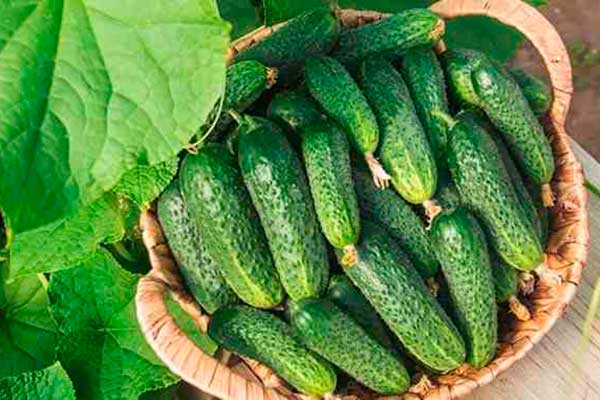
Harvest the green fruits as they ripen. This is essential to maintain high plant productivity and ensure fruit quality. Harvest every 1-2 days, as the fruits quickly reach optimal ripeness.
Helpful tips:
- When harvesting cucumbers, use sharp scissors or pruning shears to avoid damaging the shoots. Cut the cucumbers carefully, leaving a small stalk to prevent damage to the ovaries.
- Choose a cool place for storage. The optimal temperature is no higher than +5°C.
- Place the collected greens in the refrigerator or in a well-ventilated area.
- If you plan to store cucumbers for a long time, use ventilated plastic containers or plastic bags with small holes to prevent moisture buildup and rotting.
Consider canning or pickling. This method will not only extend the shelf life but also preserve the flavor and texture of the fruit.
Reviews
Shpingalet cucumbers are the ideal choice for both beginner and experienced gardeners. Thanks to their adaptability, disease resistance, and ease of care, this hybrid is ideal for cultivation in all regions of our country. By following the growing and care recommendations, you'll be able to harvest high-quality, attractive cucumbers throughout the season.