
Shosha is a striking example of an early-ripening cucumber hybrid. Gardeners appreciate its disease resistance, ability to withstand extreme temperature fluctuations, excellent yield, and delicious fruit. They successfully grow it both in greenhouses and in open gardens.
Introduction to the variety
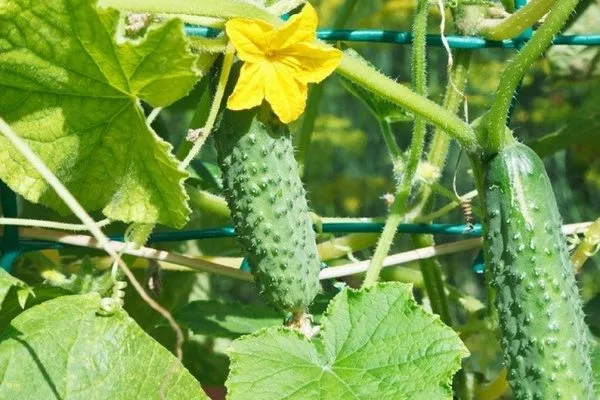
Shosha is a parthenocarpic cucumber variety. Its plants produce only female flowers and are self-pollinated, making the hybrid ideal for growing indoors. It produces clustered fruiting, with each node producing three cucumbers.
External and taste characteristics, purpose
The vegetable bushes have a well-developed root system. They are medium-sized and moderately branched. They possess the following characteristics:
- main stem reaching 1.5-2 m in length;
- long lashes (their length is up to 1.5 m);
- foliage: green, small in size;
- flowers: bright yellow, crown-shaped.
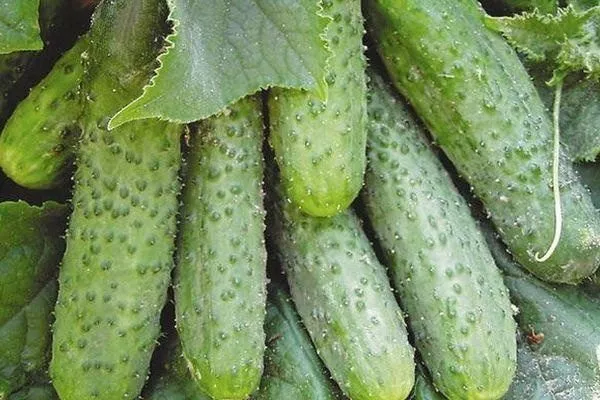
The fruits of the Shosha hybrid are of the gherkin type. Their characteristics are as follows:
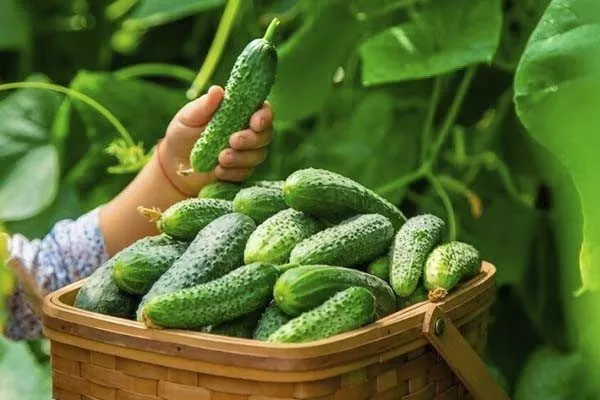
- small size (9-11 cm in length, 3-3.5 in diameter);
- weight indicator - 50-8 g;
- cylinder shape;
- deep green skin, thin and sparsely tuberculate (the tubercles are soft and small in size) with the presence of white fluff and a slight waxy coating;
- pulp: light green, dense consistency, without voids, crispy, with plenty of juice;
- seeds: numerous, small, delicate, not noticeable to the eater.
Origin
Shosha is a domestically bred variety, registered in 2018. It was developed by the Partner agricultural firm and breeder V. I. Blokin-Mechtalin. It was developed for cultivation in the non-chernozem zone of the Russian Federation, both indoors and in open beds under temporary film cover.
Composition, benefits, calorie content
Gherkins are not only delicious but also healthy. They contain no fat or protein, only carbohydrates, particularly fiber, which is valuable for the human body. These green, pimply fruits are rich in vitamins and minerals:
- ascorbic acid;
- retinol;
- B vitamins (riboflavin, thiamine, niacin, pyridoxine, biotin, pantothenic and folic acids);
- calcium;
- magnesium;
- sodium;
- potassium;
- phosphorus;
- iron;
- zinc;
- iodine;
- copper;
- fluorine.
Fresh hybrid fruits are a low-calorie, dietary product. 100 grams of pulp contains 30 kcal. Eating them has numerous therapeutic benefits:
- saturating the body with moisture in case of dehydration;
- removal of swelling;
- improved heart and kidney function due to the high content of minerals such as potassium;
- cleansing the body of toxins;
- restoration of gastrointestinal tract function, increased appetite;
- Prevention of thyroid cancer due to the presence of iodine in cucumber pulp.
Productivity
This vegetable yields its maximum when grown in greenhouse conditions. This is facilitated by stable temperature and humidity. The hybrid also demonstrates good yields in open gardens. The following are its characteristics:
- 12 kg per 1 sq. m (without cover);
- 18 kg per 1 sq. m (in a greenhouse).
Ripening time
This cucumber variety is considered early maturing. The fruits ripen 39-43 days after the sprouts emerge. Gardeners receive their first gherkins as early as late May (grown in a greenhouse from seedlings). The hybrid bushes are characterized by a massive yield throughout their entire fruiting period.
Resistance to diseases and pests
Like most cucumber hybrids, Shosha has a strong immune system. With proper care, it's resistant to pests and infections:
- common cucumber mosaic;
- powdery mildew;
- target leaf spot;
- leaf vein yellowing virus.
Cultivation regions
Greenhouse cultivation of this hybrid vegetable is possible in virtually any region of the Russian Federation. The moderate weather conditions of the central region and the mild climate of the south are well suited for open-field cultivation.
Domestic gardeners successfully cultivate the Shosha cucumber in the following regions:
- Northern;
- North-West;
- Central;
- Volga-Vyatka;
- Central Black Earth Region;
- North Caucasian;
- Middle Volga;
- Lower Volga;
- Ural;
- West Siberian;
- East Siberian;
- Far Eastern.
Growing cucumbers Shosha
Growing an early-ripening hybrid is possible in one of two ways:
- sowing seeds in a greenhouse or in the soil in an open area of the garden, providing temporary shelter for planting (in the middle zone - in the second half of May, in the southern regions - at the end of April);
- seedlings (sowing period: April 15-25).
Growing vegetables from seedlings is preferable. Once established, the seedlings are more resilient to temperature fluctuations after transplanting into the soil.
Planting seedlings
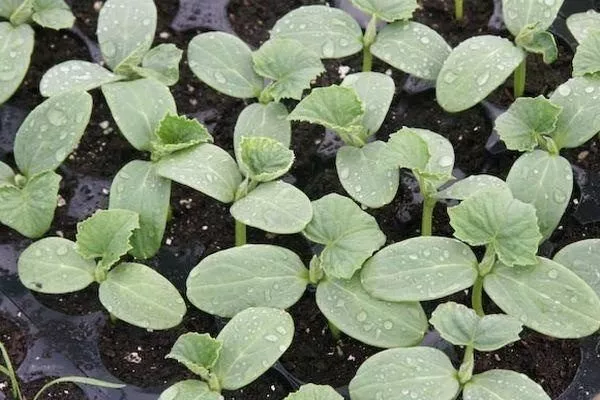
Follow these steps to sow Shosha cucumber seeds to obtain seedlings:
- Prepare spacious containers with drainage holes in the bottom. To avoid damaging the plants by transplanting, grow them directly in peat pots or individual containers. Transplanting into the garden bed will also be less painful.
- Fill the container with a nutritious soil mixture consisting of turf soil, humus, peat and sand (2:1:1:1).
- Treat the seeds with a solution of potassium permanganate or soak them in water with the addition of Fitosporin.
- Germinate the seeds on a damp cloth.
- The day before sowing, leave them for several hours in a growth stimulant solution (Kornevin, Epin).
- Plant the seeds in the soil mixture, deepening them by 1 cm. Water the planting.
- Cover the container with the seeds with film.
Keep the seedlings in a bright room at a temperature of +25°C. As the sprouts begin to emerge, reduce the temperature and provide additional light with a phytolamp. The day before transplanting, harden off the seedlings. Take them outside and leave them there for half a day.
Plant seedlings in the garden when the air temperature is above +15°C. Prepare the soil in advance:
- dig it up;
- add fertilizer (humus or bird droppings).
When planting seeds, do not exceed the recommended planting density for the hybrid—5 seedlings per square meter. Line the bottom of each planting hole with a drainage layer to prevent root and stem rot.
Growing cucumbers without seedlings
When choosing a site in your garden to plant the Shosha cucumber, choose a plot with the following characteristics:
- even;
- well lit;
- protected from drafts;
- previously used for growing the best predecessors of vegetable crops (these are onions, garlic, beans, all types of cabbage);
- 21 days before sowing, fertilized with organic matter, as well as peat and dolomite flour.
Prepare the Shoshi seeds for sowing by soaking them in warm water. Sow them in garden soil, following the following pattern:
- double-row or checkerboard;
- distance between plants - 50 cm;
- row spacing - 50-60 cm;
- seeding depth: 1-1.5 cm.
Water the crops and cover them with film.
Aftercare of cucumbers
To get a bountiful harvest of beautiful and delicious gherkins, ensure your cucumber planting receives proper care. This includes the following procedures:
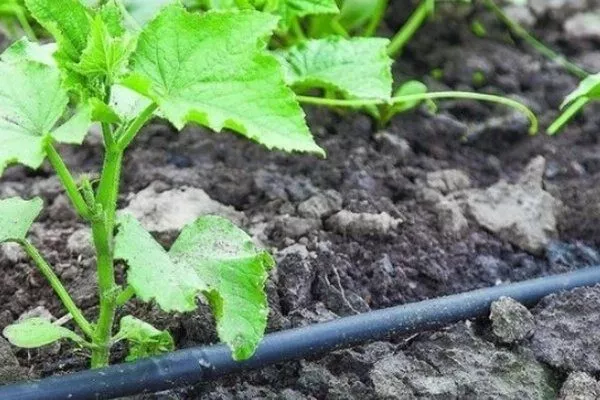
- Watering with warm waterWater the beds at least twice every 7 days (three times in hot weather). Avoid overwatering to avoid root rot and plant diseases.
- Loosening and weedingLoosen the soil in the garden bed every time it's moistened. Weed once a week.
- Top dressingDon't be lazy, fertilize your vegetable crop five times during the season: at the beginning of flowering and four times during the fruiting period, maintaining a 10-day interval between applications. Use complex mineral fertilizers. Organic fertilizers (mullein, bird droppings) are also acceptable.
- Pinching out stepsonsPinch off the top when the stem reaches 50 cm in length. Completely remove thin and non-fruit-bearing shoots.
Bush formation
Of the many existing methods for shaping cucumber bushes, the classic method is best suited for the Shosha hybrid. Follow these steps:
- Remove all ovaries and shoots from the axils of the first four leaves. Tie the top of the bush to a horizontal trellis.
- In the axils of the next 4 leaves, leave all the ovaries and one lateral shoot, pinching them after the second leaf.
- Pinch the next 2-3 shoots after the 3rd leaf.
- Pinch off the shoots at the top of the plant after the 4th or 5th leaf. Attach them to the trellis. Remove side shoots.
- Place the main stem over the trellis and secure it. Pinch out its shoots 60-70 cm from the trellis.
Features of cultivation and possible difficulties
The cucumber hybrid has the following cultivation nuances:
- When sowing seeds in open ground in central and northern regions, vegetable planting requires not only plastic covering but also insulating the soil with fresh manure due to extreme temperature fluctuations and possible night frosts. Ensure that the roots are not damaged by the organic matter.
- When growing Shoshi in a greenhouse, avoid dense plantings. Otherwise, the plants will suffer from nutritional and light deficiencies.
- When growing the hybrid indoors, tie the bushes to a trellis. This will ensure all the fruits receive equal amounts of sunlight. Stake the plants after the fifth true leaf has formed.
- Plant bushes in greenhouses not in rows, but in a checkerboard pattern to make planting easier and to make harvesting easier.
When growing Shosha cucumbers, gardeners sometimes encounter the following difficulties:
- Ugly fruit shapeDeformed cucumbers are caused by a deficiency or excess of nutrients. Determine what your plants are lacking and apply the correct fertilizer.
- Bitterness in fruitsDrought and sudden temperature fluctuations can lead to complications. Provide proper care to prevent deterioration of the vegetable's flavor.
- Yellowing of leaves, their drying out prematurelyNitrogen deficiency is the cause of this problem. Fertilize the plants with nitrophoska. To prepare a solution, use 15 g of the product per 3 liters of water. Apply 200-300 ml per plant.
- Lack of ovariesThis complication is caused by heat, excess nitrogen, and using fresh seeds for sowing. To avoid it, regulate the temperature in the greenhouse and feed the cucumbers with superphosphate or ash.
To grow cucumbers, use seed material that has been stored in a warm, dry place for at least 1 year. - Wilting of fruits and shootsIt's caused by damage to the root system due to excess moisture, rodent infestations, and pests. Verticillium wilt can also cause the problem. To resolve this, stop watering and treat the bushes with pest and disease control products.
If the complication is caused by an infection, remove the diseased plants from the garden bed and disinfect the soil.
Diseases and pests
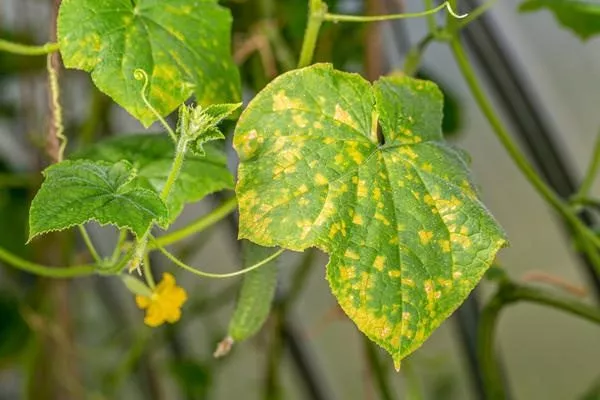
Shosha, like most cucumber hybrids, is not susceptible to diseases and pests. Complications arise when proper vegetable cultivation practices are not followed. In such cases, cucumber bushes suffer from fungal infections, indicated by yellowing and wilting of the foliage.
To prevent plant diseases, practice preventative measures:
- water the planting with warm water;
- sprinkle the soil under the bushes with mulch (fresh sawdust);
- normalize the humidity and temperature in the greenhouse;
- Spray the plantings with Quadris or Ridomil Gold, treat them with copper sulfate.
If signs of disease appear in your cucumber plantings, treat them with the same fungicides you used for preventative treatments. Remove infected plants from the bed. Disinfect the soil with dry bleach.
If not properly cared for, Shoshi plantings are also vulnerable to pest attacks, particularly leaf rollers. Protect them from pests by using insecticides:
- Spark;
- Aktar;
- Fitoverm and others.
Folk remedies such as tobacco ash infusion, onion peel decoction, or garlic cloves also help fight insects.
Harvesting and use of the crop
Harvest your gherkins every few days, starting when the fruit ripens. Remember that irregular harvesting will harm the plant's productivity. Irregular harvesting will not only reduce the yield but also degrade the quality of the cucumbers.
Advantages and disadvantages
The hybrid is gaining increasing popularity among domestic gardeners and farmers growing vegetables for sale, thanks to its inherent advantages:
The only drawback of this vegetable variety, inherent to every hybrid, is the inability to harvest the seeds yourself. Unlike varietal cucumbers, seeds collected at home are not suitable for growing.
Reviews
Shosha is one of the most versatile early-ripening cucumber hybrids. It is suitable for cultivation in private households and farms throughout Russia. This is possible due to its low maintenance requirements, resistance to adverse weather, and ease of care. With standard agricultural practices, the plants produce abundant harvests.