
Chopin is the name of a mid-season cucumber variety, a parthenocarpic hybrid. Its hallmark is the advantageous combination of fertility and resistance to many diseases, particularly downy mildew and brown spot. The crop is shade-tolerant, stress-resistant, and produces a highly marketable harvest.
Characteristics of the appearance of the plant and cucumbers
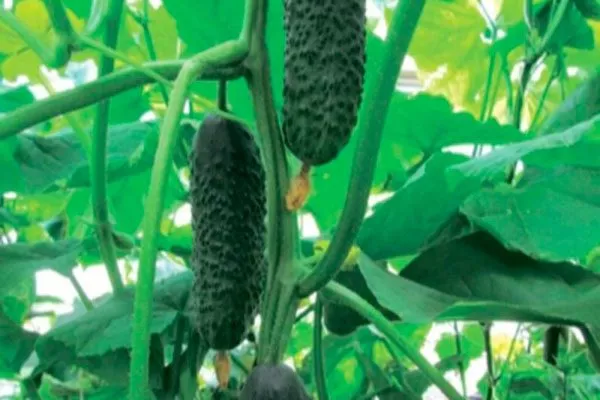
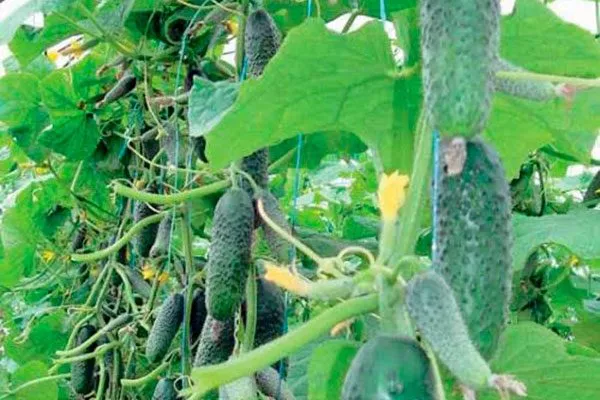
The bushes of this hybrid variety are indeterminate and moderately branched. They are distinguished by limited growth of lateral shoots. The foliage is medium-sized, serrated, and heart-shaped. It is a rich, dark green.
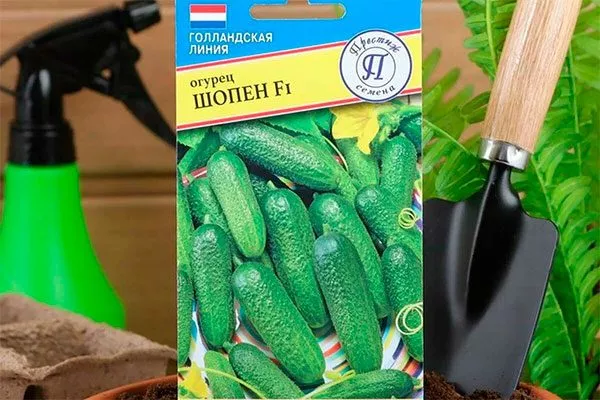
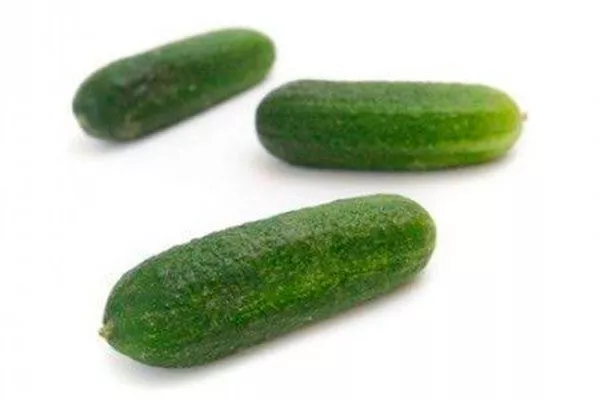
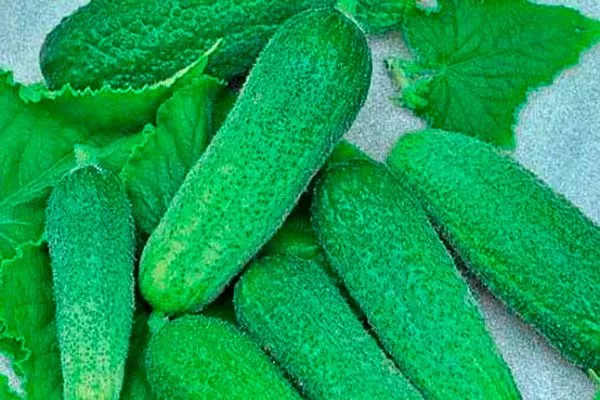
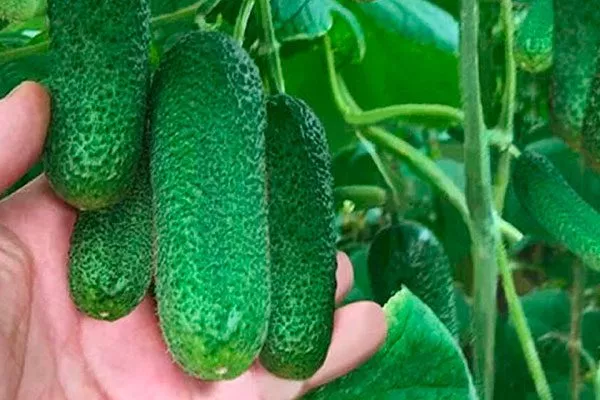
Chopin fruits are of the "gherkin" variety. They are attractive in appearance and have high consumer qualities. They are characterized by the following characteristics:
- weight — 55-92 g (maximum weight — 105 g);
- form - cylindrical, externally resembling a spindle;
- length - short, 9-13 cm;
- diameter — 2.6-3 cm;
- coloring - dark green with barely noticeable stripes of a swamp shade;
- skin - covered with small tubercles, with white spines;
- pulp - dense, elastic, crispy, moderately juicy.
Purpose and taste of fruits
The Chopin cucumber's tasting qualities are excellent. They fully meet the generally accepted standard. The flavor is dominated by a pleasant sweetness, with a fresh note, and is completely free of bitterness.
The hybrid's harvest is versatile. It's eaten fresh. Homemakers use the delicious and crispy gherkins in home cooking:
- they are added to summer vegetable salads, combined with tomatoes, garden herbs and other gifts from the garden;
- canned for the winter (due to their small size and neat shape, the fruits look beautiful in jars; after heat treatment, they do not soften or lose their appearance, but remain crispy);
- used for pickling.
Maturation
The Chopin hybrid is a mid-season cucumber variety. Full maturity is achieved within 43-45 days (after germination). The plants produce fruit abundantly and uniformly. Yields are high:
- 17-18 kg is produced by 1 plant that receives high-quality care and is located in a favorable environment;
- Farmers in the Central region of the country harvest 23,100–35,700 kg per 1 hectare of planting;
- 31,000-55,700 kg/ha is the average productivity of plantings in the Central Black Earth Region (industrial cultivation).
Chopin was added to the Russian Federation State Register in 2018. It was approved for cultivation in two regions: the Central Black Earth Region and the Central Black Earth Region. It is grown primarily in greenhouses. Open-bed cultivation (using temporary plastic cover) is also permitted in warm climates.
Landing rules
Hybrid cucumbers are typically grown using seedlings. Follow the planting schedule, care instructions for the seedlings, and the procedure for transplanting them to their permanent location.
Preparing the garden bed
To obtain a bountiful and high-quality harvest of the Chopin hybrid, plant it in a sunny, wind-free area with loose, nutritious, and moderately moist soil (loam or black soil). Begin preparing it for growing cucumber bushes in mid-September. Follow these steps:
- dig up the soil to the depth of a shovel blade;
- clear it of weeds and their roots;
- disinfect the soil with Fitoverm;
- fertilize it with wood ash.
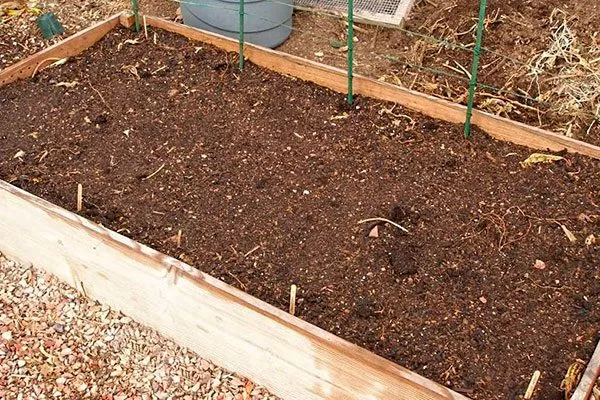
In the spring, a few days before transplanting the seedlings to their permanent location, weed the area. Loosen the soil to a depth of 15-20 cm. Add mullein or compost mixed with straw.
Germination of seeds
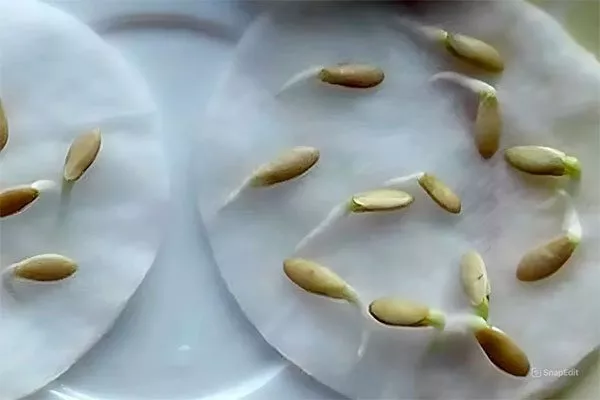
Sow Chopin f1 seeds in mid-April. Start sowing one month before the planned transplanting date. Prepare the planting material to speed germination:
- Leave the seeds on a saucer, wrapped in damp gauze folded in several layers, at room temperature.
- Moisten the bundle with warm water daily. Do not let it dry out. The seeds will germinate in 3-5 days.
Use individual containers for growing cucumber seedlings—20 cm tall plastic cups or peat pots. Make sure the containers have a drainage hole in the bottom.
Fill them with store-bought potting soil or homemade potting mix. The soil should have the following characteristics:
- be loose;
- light;
- breathable;
- fertile (with high humus content);
- not sour.
Sow 2 seeds per pot. Plant them 1.5-2 cm deep in the soil. Keep the seedlings in a warm location. Recommended temperature range:
- +26°С — before emergence;
- +23°С — after emergence of sprouts.
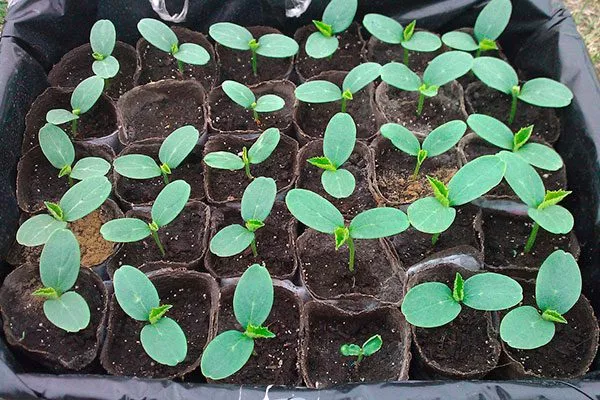
Place the container with the young cucumbers on a sunny windowsill, where they will receive plenty of light and warmth. Water them daily (moderately, avoiding overwatering). Provide supplemental lighting if needed.
Fertilizing can be started two weeks after germination. Use ammonium nitrate and monopotassium phosphate, nitrophoska, or Fertika for this purpose. Apply nutrient solutions no more than once every 7-10 days.
Planting seedlings
Transplant the grown and strengthened Chopin f1 hybrid seedlings into the garden after May 20th. By this time, they will be 27-30 days old. The soil in the garden should warm up to 15°C at the time of transplanting, and there should be no risk of recurrent frost. The air temperature should reach 21-22°C.
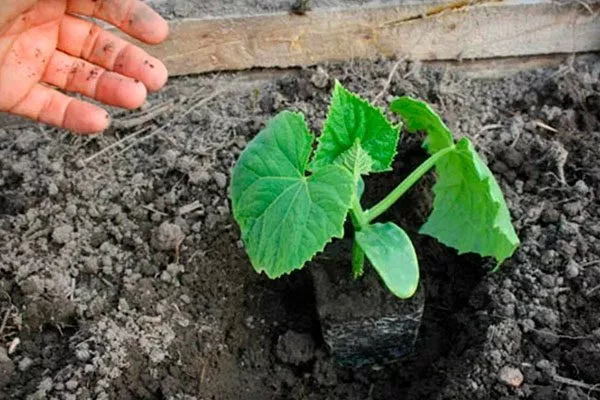
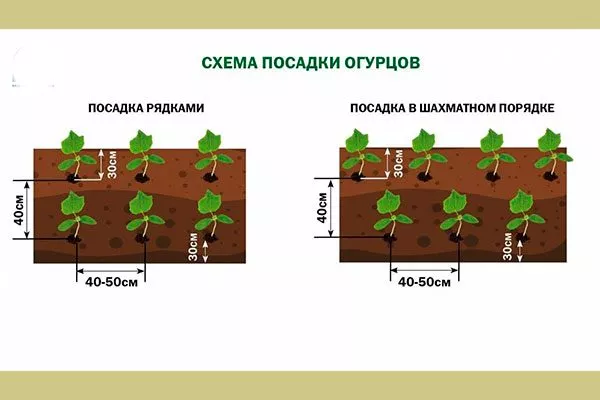
Transplant the plants to their permanent location using the transshipment method, without disturbing the root ball. Follow this pattern:
- the distance between bushes is 35-40 cm;
- row spacing - 65-70 cm;
- planting density: 3-5 seedlings per 1 sq. m.
When transplanting cucumbers to the garden bed, remember to water them with lukewarm, settled water. Plant the seedlings vertically.
Care methods
To maintain healthy and productive plants, provide them with quality care. Follow standard cultivation practices. Pay special attention to watering and fertilizing. These plants are moisture-loving and require supplemental nutrition.
Watering
Cucumbers are moisture-loving plants. Water them every other day in good weather and daily during dry periods. Use warm water (24-26°C) that has been left to stand in containers in the sun. Apply it to the roots, avoiding splashing the leaves and stems. The best time to water is:
- evening - for bushes growing in an open bed;
- morning - for greenhouse plantings.
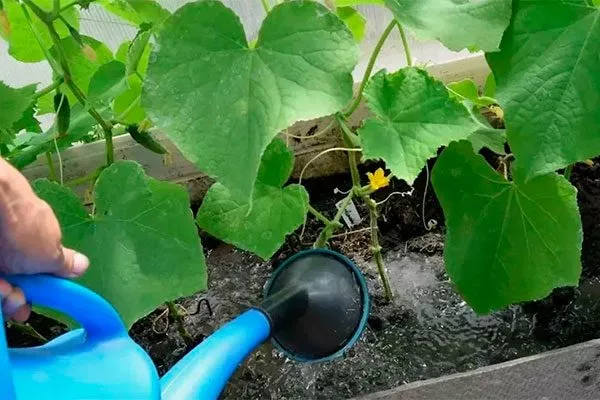
The day after watering or rain, loosen the soil to prevent a dense, air-tight crust from forming. Perform this work carefully to avoid damaging the cucumber roots. Combine this with weeding.
Top dressing
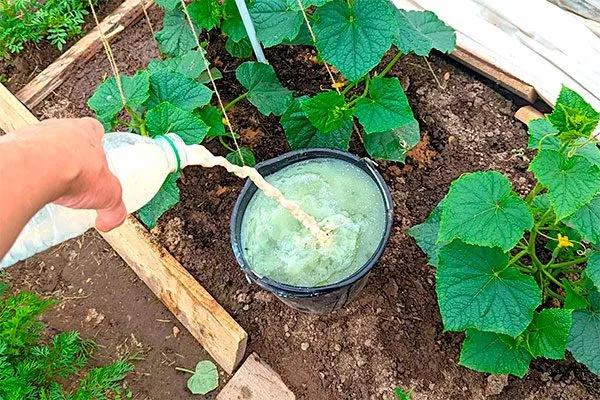
To ensure a bountiful and high-quality harvest, apply fertilizers: organic and mineral compounds. Alternate them. Perform four applications per season. Follow the fertilizing schedule:
- 2-3 days after transplanting the seedlings into the garden bed, add humus;
- Before the flowering period, apply potassium sulfate or potassium salt;
- during the formation of ovaries, use wood ash or chicken manure;
- At the beginning of fruiting, fertilize the Chopin hybrid planting with nitroammophoska or urea (in the form of a solution).
Diseases and pests
This vegetable crop is characterized by a strong immune system. With proper care, the bushes rarely get sick. They resist many infections well, including:
- downy mildew;

- brown spot.
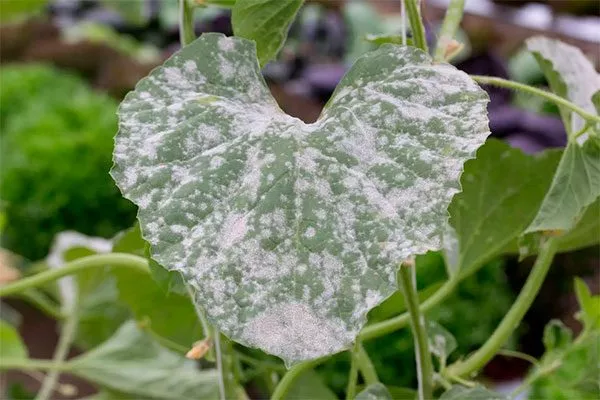
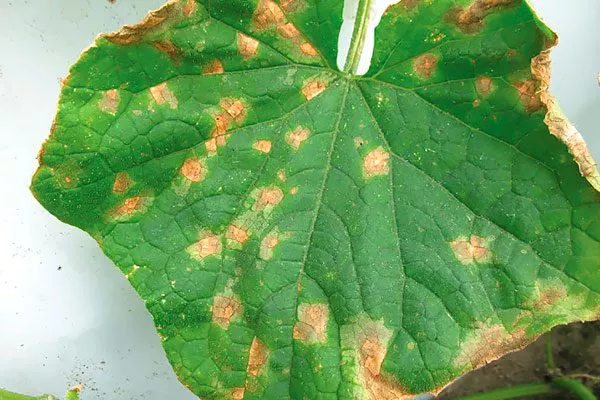
Care errors (such as watering with cold water) and sudden changes in day and night temperatures can contribute to the appearance of anthracnose symptoms on cucumber bushes: yellow-brown spots on the foliage and stems, and fruit damage. This fungus reduces the yield of cucumber plants. To combat it, take the following measures:
- remove damaged plant parts;
- spray the plantings with Fitosporin-M;
- Treat the soil in the garden bed with Bordeaux mixture (1%).
To prevent diseases in vegetables grown indoors, ventilate the greenhouse after each watering. Remember that high humidity (over 80%) promotes fungal growth.
Chopin hybrid bushes that aren't properly cared for often suffer from pest attacks. Gardeners consider the following to be the most dangerous enemies of cucumbers:
- aphids;
- spider mite;
- cucumber mosquito;
- whitefly.
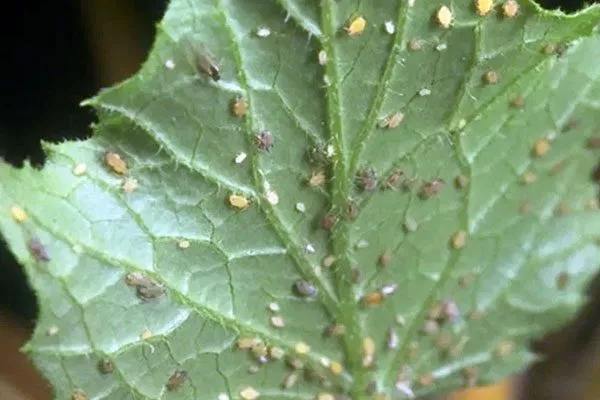
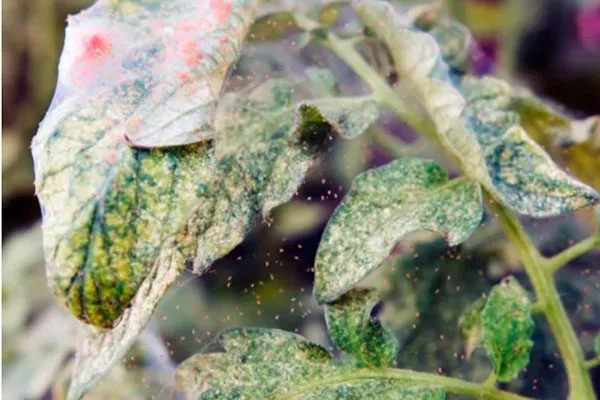
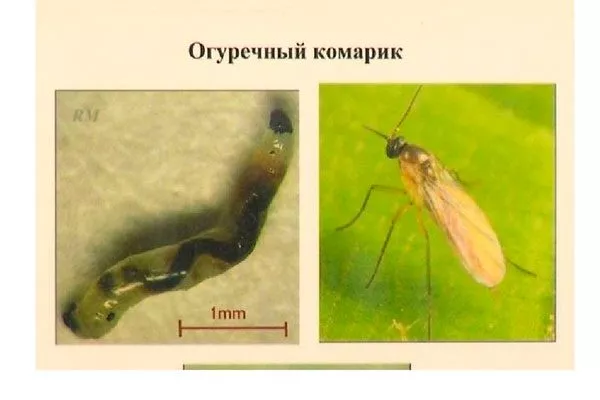
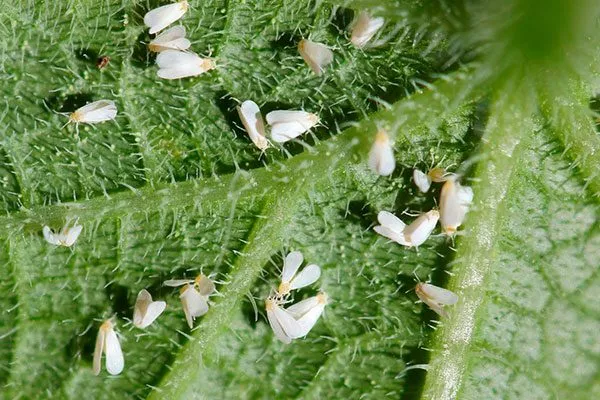
If you can't prevent the problem, use commercial insect repellents such as Doctor, Thiovit Jet, and Inta-Vir. Tobacco infusion can also help combat whiteflies.
Harvesting and storage
Begin harvesting the Chopin f1 hybrid in early July. Pick the fruits from the bushes as they ripen (this can be done daily). Harvest in the morning, 15-20 minutes after watering.
Cucumbers of this variety are known for their excellent shelf life. To ensure they retain their firmness and juiciness for 8-10 days, store them under the following conditions:
- cool and dark place;
- cardboard box (it is advisable to store each fruit in an individual paper wrapper);
- temperature range - +10-11°С;
- away from fruits that produce ethylene (bananas, apples);
- The best option is the vegetable compartment in the refrigerator.
Pros and cons
The hybrid, named after the famous Polish composer, has become a favorite among many domestic gardeners and farmers for its following qualities:
Chopin has no significant downsides. Gardeners note only its increased need for fertilizing and watering, as well as the need to control the growth of side shoots.
Reviews
Chopin is a striking example of a mid-season cucumber hybrid. It is suitable for cultivation in private households and farms located in the central regions of the Russian Federation. It is shade-tolerant, stress-resistant, and prolific. Standard agricultural practices are sufficient to ensure a bountiful and high-quality harvest.