
The Shopa cucumber is a worthy representative of the early-ripening group of varieties. This hybrid is truly versatile and can be grown not only in the garden but also at home. It attracts vegetable lovers with its high yield, low maintenance, and excellent taste.
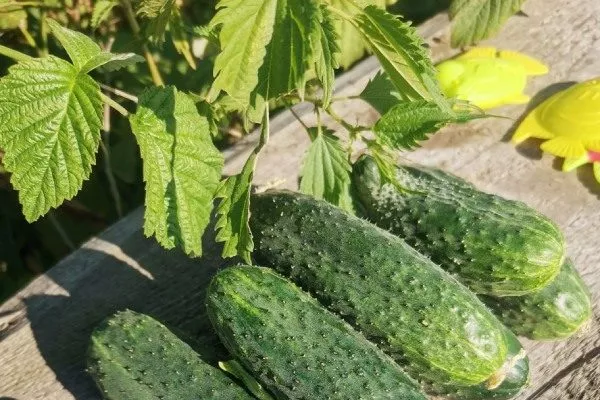
Description of the Shopa variety
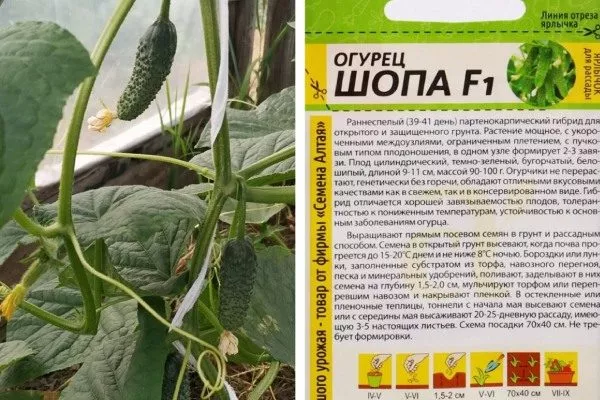
The Shopa cucumber is a vigorous plant, reaching a height of 1.5 m. It has shortened internodes, limited intertwining, and cluster fruiting, with two or three ovaries forming per node. The plant has numerous vigorous lateral shoots, which produce numerous female flowers.
Taste and purpose of fruits
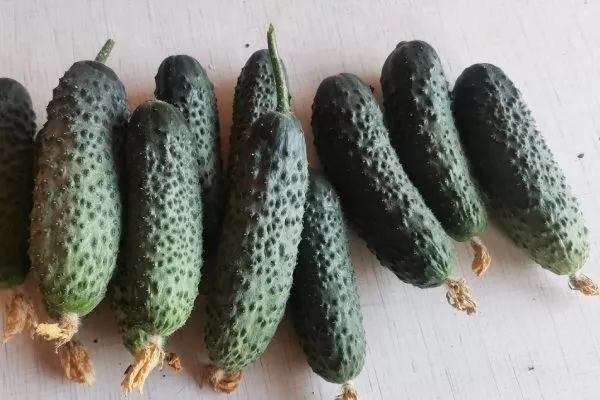
The Shopa variety has excellent flavor and is considered a salad variety, but it's also ideal for canning and pickling. The fruit has a very good texture, with juicy and flavorful flesh.
Pros and cons
The Shopa variety has many advantages, making it a popular choice among gardeners and vegetable lovers. Before planting this variety in your garden or balcony, it's helpful to evaluate all its advantages and disadvantages. Pros:
Neither our gardeners nor experts were able to find any shortcomings in this wonderful variety, presented by the company "Semena Altaya".
Productivity and ripening time
The Shopa cucumber is parthenocarpic and belongs to the early-ripening group, maturing in approximately 40 days—the time it takes from germination to the ripening of the first cucumbers. This hybrid is distinguished by its high cold tolerance and high yield, yielding approximately 10-15 kg of cucumbers per square meter.
How to plant?
The Shopa variety can be grown by direct sowing or from seedlings. The future yield of cucumbers depends largely on how well they are planted.
- ✓ Optimum soil temperature for sowing: +15…+20°C during the day, not lower than +8°C at night.
- ✓ Seeding depth: 1.5-2 cm.
What to pay attention to when sowing cucumbers:
- Cucumber seedlings are sown in April-May and planted a month later, in May-June. Around the same time (May), the seeds are sown outdoors. The air and soil temperatures are a guide. The soil should warm up to 15–20°C during the day and cool to no more than 8°C at night.
- The plot for planting cucumbers is prepared in the fall, thoroughly clearing the area of plant debris and stones. The soil is dug to the depth of a spade, after spreading fertilizer over the plot. This primarily includes organic matter, such as humus or compost, as well as mineral compounds, such as superphosphate and potassium salt.
- In spring, the soil is leveled with a rake and furrows or holes are made in it. A small amount of peat substrate, humus, and sand is added to the holes. The soil is watered, and once the water has been absorbed, the seeds are sown. The seeds are planted at a depth of 1.5-2 cm. The seeds are covered with soil and mulched with well-rotted manure or peat. The seedlings are then covered with plastic film.
- Plant according to a 70x40 cm pattern. Place 2-3 seeds per hole. If several sprouts emerge, keep the strongest one and remove the others.
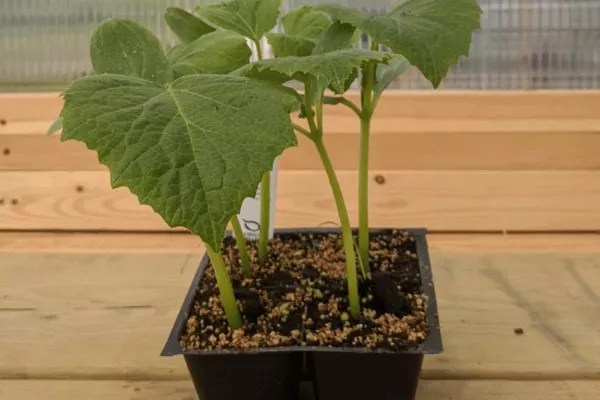
If cucumbers are grown using seedlings, seedlings with 3 to 5 true leaves are planted in the holes prepared according to the above scheme. Planting is carried out using standard techniques.
Care instructions
Growing a good harvest—lots of high-quality cucumbers—requires care. Otherwise, the number of cucumbers will decrease, and they won't reach the size expected by the variety.
What to pay attention to during care:
- Watering is the most important part of cucumber cultivation. Without it, cucumbers, which are 90% water, simply won't grow. Watering is done every 2-3 days. The frequency of watering depends largely on weather conditions: in hot weather, it becomes more frequent, while on rainy and damp days, it should be avoided to prevent fungal diseases.
- It's recommended to loosen the beds after every rain or watering. To reduce the amount of loosening and weeding, mulch the beds with sawdust, peat, etc.
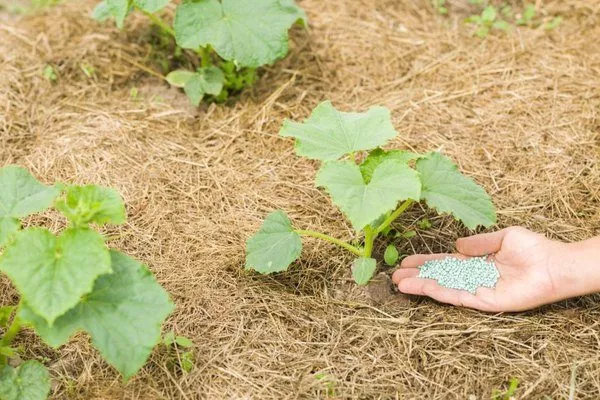
- Fertilize cucumbers no more than once every two weeks. Use organic matter, mineral fertilizers, and folk remedies. Fertilizers are added during watering. At least three applications per season are necessary:
- Two weeks after planting the seedlings, potassium and nitrogen are added. The first promotes flowering and fruit formation, the second promotes vegetative development.
- During the active fruiting phase, the previous feeding is repeated, increasing the content of potassium or nitrogen (depending on the condition of the plants).
- When peak fruiting has passed, phosphorus, nitrogen, and potassium are added. This fertilizer is aimed at stimulating repeat fruiting.
- It's advisable to tie up the bushes. This procedure has a beneficial effect on the health and productivity of the plants. This variety does not require shaping.
Diseases and pests
The variety is fairly resistant to most fungal, bacterial, and viral diseases. If symptoms of any disease are detected, the beds are promptly treated with fungicides.
Harvesting
Cucumbers are harvested every 1-2 days. Although the Shopa variety isn't prone to overgrowing, it's best not to delay harvesting. The more frequently the cucumbers are picked, the more and faster new ones will grow. If the cucumbers aren't eaten or canned immediately, they should be stored in a cool, dark place or in the bottom drawer of the refrigerator. Under these conditions, cucumbers will keep well for up to 2 weeks.
Reviews
The Shopa cucumber is a very interesting and promising variety, suitable for a wide range of purposes and growing conditions. This hybrid will definitely compete with the most proven and popular domestic and foreign varieties.