
The Severin cucumber is an ideal choice for salad lovers who appreciate freshness. This variety boasts excellent flavor and is suitable for both open-air and sheltered cultivation. Self-pollination ensures abundant fruiting. To ensure a bountiful harvest, it's important to familiarize yourself with the variety's characteristics and the agronomic requirements for its cultivation.
Introduction to the variety
This hybrid is deservedly popular among gardeners due to its ability to provide gardeners with abundant fruit throughout the season. It is resilient to adverse climatic conditions and has excellent resistance to diseases and pests, making it especially valuable for vegetable growers.
Originators
The Severin cucumber variety is the result of the work of the Dutch company Enza Zaden, which introduced it in 2019. However, other sources indicate that the hybrid's originator is the K. A. Timiryazev Russian State Agrarian University – Moscow Agricultural Academy.
External characteristics of the plant and cucumbers
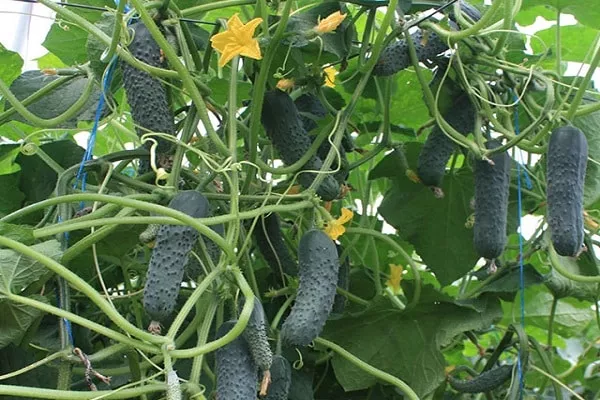
The Severin cucumber is an indeterminate variety, meaning it can grow indefinitely without developing a terminal point. The plants grow to a medium size and are characterized by moderate lateral growth.
There are also other varietal characteristics:
- The leaf blade is large, with a pentagonal shape typical of cucumbers and a rich green tone.
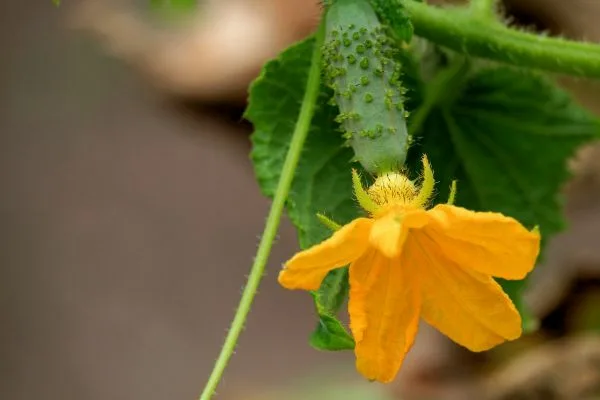
- Flowering occurs predominantly from female buds, with two to three ovaries for future fruits being formed in one node.
- This variety has shortened shoots and weak branching.
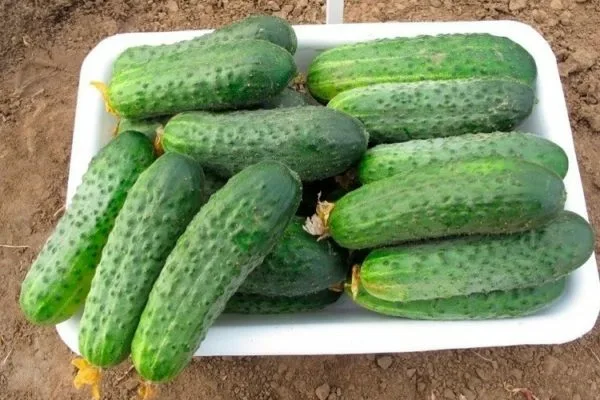
- The fruits have an elongated cylindrical shape with a dark green hue.
- The length of the cucumber varies from 11 to 14 cm, and the width from 3 to 4 cm.
- The weight of one fruit is from 120 to 150 g.
- The surface of the skin is shiny, covered with small tuberculate and black formations.
- There are minor spines of a completely white tone.
- The cucumber flesh is juicy, has a pleasant aroma and a crunchy texture.
Taste and purpose
This variety is ideal for light and fresh salads thanks to its refined, fleshy pulp and distinctive crunch, with hints of freshness in its flavor and aroma. However, this hybrid is not suitable for pickling, salting, or canning, as it does not withstand heat treatment.
Productivity
This variety is distinguished by its excellent resilience and high productivity. It continues to bear fruit until the onset of cold weather. A single plant can produce up to 17 fruits at a time. The average yield per square meter reaches approximately 9 kg.
Ripening and flowering times
Severin begins bearing fruit very early, but the exact timing may vary depending on climate conditions and growing location. The first harvest can be made as early as a month after the seeds germinate, and mass harvesting occurs after 45 days.
Official seed producers
Not all store-bought seeds may meet the stated specifications. This is due to poor quality planting material and inconsistency between the seeds and the variety, which is common among underground producers.
Therefore, purchase hybrids only from official agricultural companies, which in Russia include Record, New Seeds, and Gardens of Russia.
Features of landing
The Severin cucumber variety is characterized by its strong cold tolerance and undemanding climate, allowing it to be planted year-round. This hybrid can be grown both in hot periods of the year and in the cooler autumn and winter months.
Preparatory processes
Since the Severin f1 hybrid is most often grown in greenhouse conditions and throughout the year, it is recommended to create a warm bed for its successful growth.
Rules for its production:
- Carefully dig up the soil in the greenhouse, getting rid of weeds and their roots at the same time.
- Form raised beds, in the center of which dig furrows about two spade depths.
- First fill these ditches with a 25-30 cm layer of straw or hay.
- Then lay a 20-25 cm layer of manure.
- Sprinkle it with dolomite flour to neutralize the acidity.
- Compact all layers well and cover with soil, thereby creating a bed that will warm the cucumber roots from the inside.
In addition, add mineral substances in the following proportions per 10 square meters of area:
- charcoal – 100 g;
- Superphosphate – 1.5 kg;
- potassium sulfate – 100 g.
Sowing in open ground
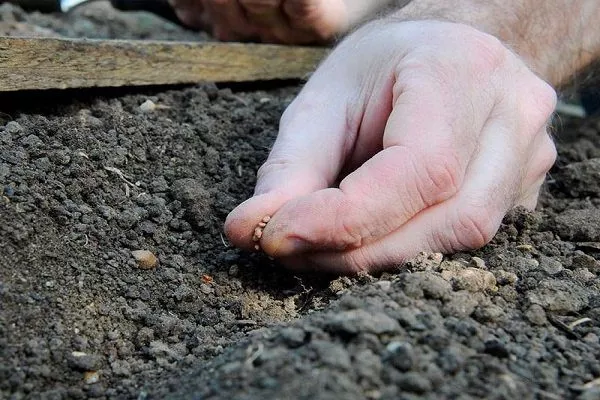
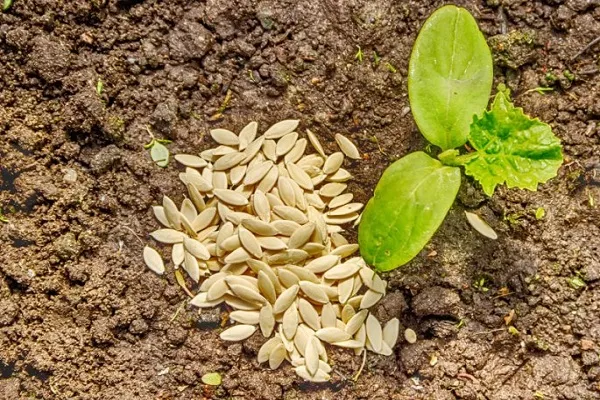
Some gardeners prefer to sow Severin cucumber seeds directly into the garden. This method doesn't affect the quality of the harvest or the taste of the fruit, but it can reduce the germination rate.
- ✓ Optimum soil temperature for seed germination: +26°C.
- ✓ The need to use warm water for irrigation to avoid stress on plants.
For maximum sowing success, wait until the soil warms to at least 15-16°C, and ideally to 18-20°C. After this, prepare the area and begin work:
- dig up;
- apply fertilizer;
- moisten the soil;
- plant the seeds 2 cm deep, leaving a gap of 10-12 cm between them;
- water again;
- Spread a nutrient mixture for the soil (universal store-bought) over the surface of the bed.
Application of the seedling method
It's recommended to sow Severin seeds in individual seedling containers to avoid the need for transplanting, which is undesirable because cucumber roots are too sensitive and fragile.
Peculiarities:
- For sowing, use moist substrate purchased from the store.
- Spread the seeds over the surface, covering them in a 1 cm layer.
- Moisten with a spray bottle and cover with film.
- Place the containers in a dark corner with a temperature of about +26 degrees.
- A week later, when the first sprouts appear, move the seedlings to a light windowsill and lower the thermometer reading to +22.
- When the plants have formed 3-4 leaves, transplant them into open ground.
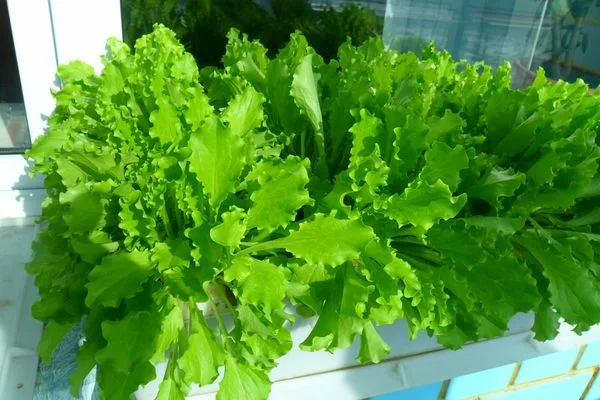
In greenhouses, Severin cucumbers are planted as follows:
- Dig holes 6-8 cm deep.
- Moisten them with warm water.
- Plants are installed with a lump of earth.
- Fill with soil and compact carefully.
- Water generously.
- Maintain a gap of 30-35 cm between plants and 80-90 cm between rows.
Care activities
The cultivar's creators claim that plant care is effortless and involves only basic agronomic procedures.
Watering
Severin cucumbers require regular and balanced watering, avoiding both dry soil and overwatering. During summer heat, water every 2-3 days, and reduce the frequency in cooler conditions. It's important to water in the morning or evening, using warm water.
Garter and shaping of bushes
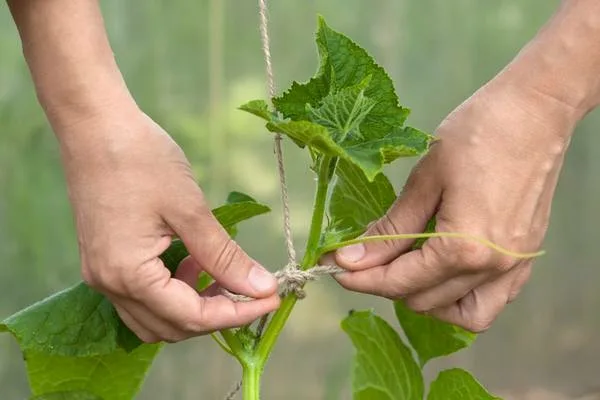
The Severin variety is characterized by moderate climbing ability, so the vines should be tied to a trellis with thin fishing line or twine, guiding the stems upward. This will prevent the fruit from touching the ground and keep them clean, as they will grow above the bed level.
Lower leaves and side shoots (stepchildren), which may appear in moderate quantities, should be removed - they can hinder the full development of plants.
Description of fertilizing activities
To ensure long-term fruiting and decent productivity, cucumbers require regular fertilization. For the Severin f1 variety, one or two applications per season are sufficient. Use both organic and mineral fertilizers.
The first feeding is carried out during the period of the beginning of budding using the following composition, dissolved in 5 liters of warm water:
- 5 g potassium chloride;
- 10 g Superphosphate;
- 50 g of ammonium nitrate.
For each cucumber bush you need to add 1 liter of this fertilizer.
The second feeding is best carried out during the period of active formation of ovaries, using mixtures rich in nitrogen, potassium and phosphorus, preferably in the form of complex mineral preparations.
Hilling
To prevent roots from drying out, protect against pests, and increase resistance to external factors, be sure to hill up Severin cucumbers.
Perform this procedure after rain or watering, using slightly moistened soil. Raking the soil toward the plant, form a small mound about 5-9 cm high.
Resistance to diseases and pests
Severin cucumbers exhibit strong resistance to a number of diseases and pests, including downy mildew, cucumber mosaic, and cladosporiosis. However, failure to follow proper cultivation practices and exposure to unfavorable factors increases the risk of developing the following problems:
- Late blight. This fungal disease occurs due to high humidity, the use of unsterilized equipment, or contaminated seeds purchased at the market. Symptoms include small brown spots appearing on the leaves, which enlarge over time.
The fungus affects both stems and fruits. Leaves turn yellow and wilt, and vegetables rot and become unfit for consumption. To prevent late blight, regularly ventilate the greenhouse and monitor the temperature. - Spider mite. This pest is very difficult to spot due to its tiny size. However, its presence on cucumbers can be recognized by the thin white web that wraps around the plant's leaves. The mite sucks the sap from the leaves and stems, weakening the plants and sapping their vitality.
The mite prefers to settle on the underside of leaves, gradually spreading throughout the plant. Without timely treatment with fungicides, cucumbers may die. - Black flea. This pest poses a serious threat to Severin cucumbers, capable of causing significant damage. The black flea beetle overwinters in the topsoil, so disinfecting the soil before planting cucumbers is essential.
The pest attacks young plants, jumping from one bush to another and feeding on their leaves and stems. Without prompt fungicide treatment, the insect can completely destroy the bushes.
Harvesting and storage
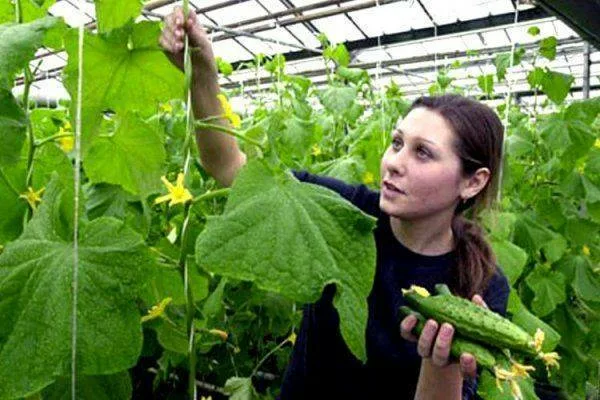
Harvest the vegetables every two days. Although the fruits can become overripe, they rarely become thick or yellow. Cucumbers of this variety keep well: they can be stored in the refrigerator for up to two weeks without losing quality.
Positive and negative qualities
Severin is a self-pollinating variety with parthenocarpic flowering, allowing it to develop without the need for other plants for fertilization. This makes it an ideal choice for cultivation in enclosed and confined spaces.
- ✓ Self-pollination ability, which ensures abundant fruiting without the need for pollinators.
- ✓ Resistance to adverse climatic conditions and diseases, which makes the variety especially valuable for vegetable growers.
Advantages:
The crop has one drawback: the price of planting material for this variety is slightly higher than the price of seeds for other species.
Reviews
The Severin cucumber is a new variety that has deservedly gained popularity among gardeners. It offers numerous advantages and is suitable for both greenhouse and open-air cultivation. This hybrid requires little care and thrives even in challenging climates. The fruits are attractive, uniform in size, and ideal for winter preserves.