
Selyodochka cucumbers have gained popularity among vegetable growers due to their low maintenance and excellent taste. This variety offers numerous advantages, making it an ideal choice for both beginner and experienced gardeners. It's important to learn the hybrid's key characteristics, its beneficial properties, and follow the growing and care tips.
Introduction to the variety
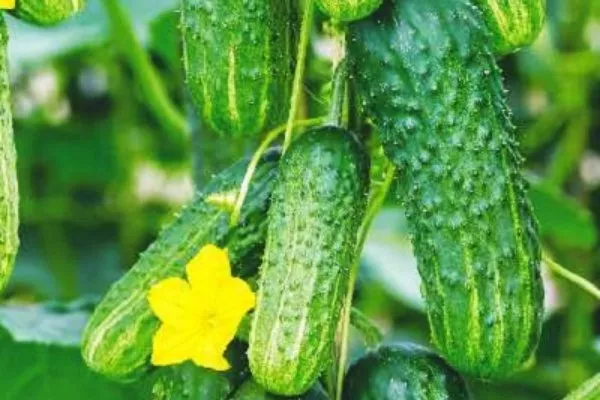
This self-pollinating variety has parthenocarpic pollination. Ripening occurs 42-47 days after emergence. Harvesting occurs in July. These qualities make Selyodochka a particularly attractive option for growers seeking an early harvest.
Vegetables are characterized not only by their excellent taste but also by valuable nutritional properties. Their composition includes:
- Vitamins. They contain B vitamins. Vitamin C supports the immune system and helps with iron absorption.
- Minerals. Rich in potassium, which supports cardiovascular health, and magnesium, which normalizes nerve and muscle function.
- Water. About 95% of the mass is water, which promotes excellent hydration of the body and helps maintain water balance.
- Dietary fiber. The fiber content helps improve digestion and normalize bowel function.
- Antioxidants. Flavonoids and tannins help protect the body's cells from damage and oxidative stress.

The hybrid is cold-resistant. and thrives in regions with unstable weather conditions. Recommended for cultivation anywhere in Russia.
| Characteristic | Indicator |
|---|---|
| Pollination type | Parthenocarpic |
| Ripening period | 42-47 days |
| Disease resistance | Mosaic, cladosporiosis, powdery mildew |
| Frost resistance | High (up to -2°C for short periods) |
| Recommended regions | All climatic zones of the Russian Federation |
It has strong immunity to diseases such as cucumber mosaic, cladosporiosis and powdery mildew.
External characteristics of the plant and cucumbers
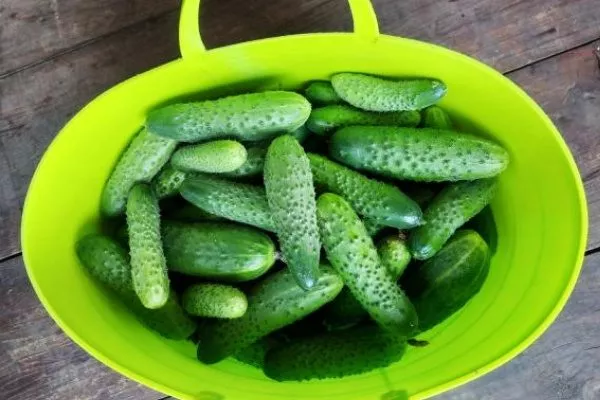
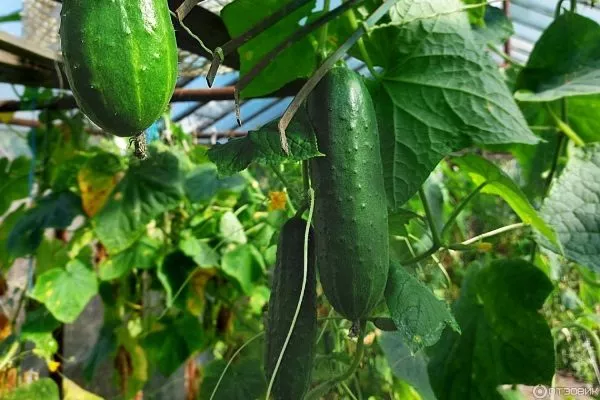
This hybrid is a medium-sized variety. It is characterized by vigorous bunches, each bearing 6-7 cylindrical cucumbers. The cucumbers reach 9-11 cm in length.
- • Fruit diameter: 2.5-3 cm
- • Weight of cucumber: 90-110 g
- • Number of fruits per node: 6-7 pcs.
- • Shape: cylindrical (length to diameter ratio 3:1)
- • Tubercle color: white
Taste and purpose
The vegetables are eaten fresh, used for slicing, snacks, and salads. They retain their flavor when canned or pickled. The cucumbers have juicy, crisp flesh with a slightly sweet flavor.
Growing and care
To successfully grow the crop, it's important to consider a few aspects. Follow these simple guidelines:
- Choose sunny sites with well-drained soil. Prepare the soil by digging it to a depth of 20-30 cm and adding organic fertilizers such as compost or humus.
- For planting, use either seedlings or direct sowing. If sowing seeds, place them in prepared soil to a depth of 2-3 cm.
- For seedlings, sow seeds in containers 3-4 weeks before planting outdoors. Maintain a temperature of 22-25°C to promote growth. Once 2-3 true leaves appear, transplant the seedlings into the soil in their permanent location.
Provide seedlings with timely and comprehensive care for good growth and development:
- Watering. Keep the soil moderately moist. Avoid overwatering to prevent fungal diseases.
- Top dressing. Fertilize every 2-3 weeks. Use complete mineral fertilizers or organic additives such as manure or compost.
- 7 days after planting: nitrogen fertilizers (10 g urea/10 l water)
- Beginning of flowering: phosphorus-potassium (15 g superphosphate + 10 g potassium sulfate/10 l)
- Fruiting: every 10-14 days with complex fertilizer (NPK 10-10-10)
- Pinching out stepsons. Remove side shoots and leaves to ensure good ventilation and direct the plant's energy toward fruit production.
Feeding schedule
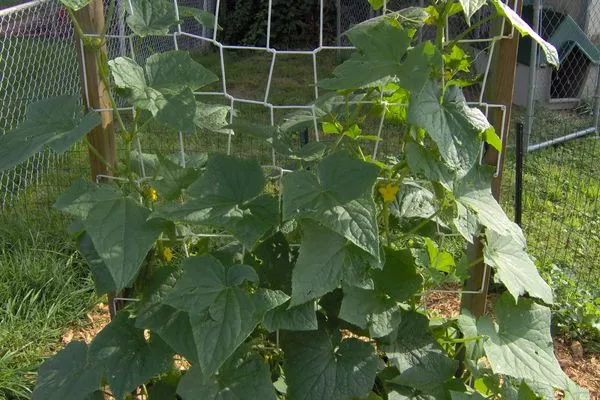
- Support and development. Tie branches to vertical supports or trellises. This improves light and ventilation, making harvesting easier.
- Pest and disease control. Inspect seedlings regularly. Use organic pesticides and carry out preventative spraying.
Reviews
The Selyodochka variety is an excellent choice for any gardener seeking a high yield and excellent-tasting cucumbers. Thanks to its resistance to adverse conditions and disease, and its versatility, this hybrid is gaining increasing recognition. Following simple growing and care guidelines will ensure excellent results.