
The Cedric cucumber is an early-ripening, parthenocarpic variety that requires no artificial or insect pollination. It is an F1 hybrid, making it impossible to obtain seeds for planting indoors. It can be grown in a variety of ways, including greenhouses and open ground.
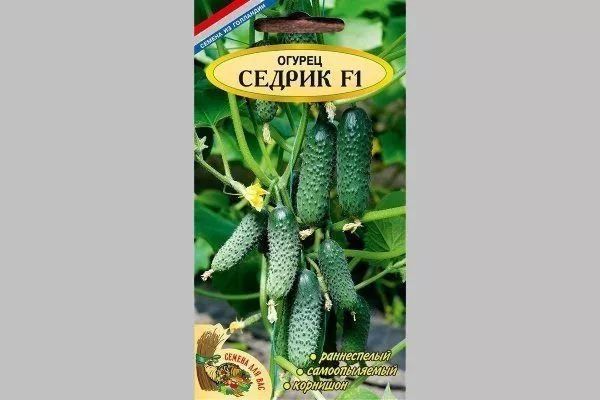
Cucumber seeds "Cedric"
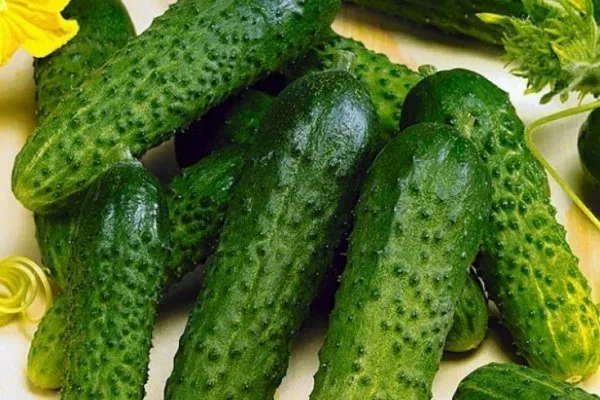
Cucumbers of the "Cedric" variety
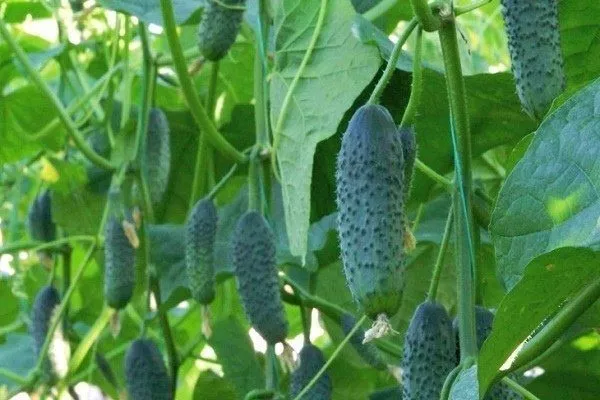
Cedric is a high yielding variety and cucumbers can be harvested over a period of two months.
General characteristics of cucumbers
Description of bushes:
- indeterminate bush (the central stem is not limited in growth);
- branching – average;
- flowering type – female;
- the root system is powerful;
- on the side there is a medium number of stems;
- leaf color – rich green;
- the size of the leaf part is insignificant;
- 4-5 cucumbers are tied in one knot;
- the stems are not very pubescent.
Description of fruits:
- shape – cylindrical, elongated;
- surface – smooth, moderately tuberculate;
- there is practically no ribbing;
- there are small white thorns;
- color – dark green;
- seeds - small;
- the pulp is dense;
- the weight of one fruit is from 100 to 130 grams;
- the length of the cucumber is from 10 to 14 cm (at the gherkin stage – only 5 cm);
- used for pickling, canning, and preparing salads.
Cedric's fruits ripen gradually, so harvesting can take place over a period of two months. If grown indoors or in a greenhouse, two rotations are possible. Full ripening requires at least 35 days.
This hybrid is characterized by abundant fruiting and increased yields—18-22 kg of fruit per square meter. Since most of the cucumbers are located on the main stem, harvesting is significantly simplified.
Pros and cons
Advantages:
- the highest level of productivity;
- cluster type of ovary;
- root system power;
- the ability to grow year-round and in any conditions (in the greenhouse, in an open garden, on a windowsill);
- good presentation, transportability;
- stability of yield throughout the entire period;
- disease resistance;
- unpretentiousness (not afraid of temperature changes and lack of sunlight);
- absence of bitter taste;
- early maturity;
- versatility of use;
- stress resistance.

Planting and care features
The Cedric variety can be grown in two ways: with seedlings or directly into the ground. In the latter case, the main requirement is frost-free, well-warmed soil. The minimum temperature should be 13-15 degrees Celsius.
- ✓ Soil pH should be between 6.0-6.5 for optimal growth.
- ✓ The soil should be well drained to avoid water stagnation.
Peculiarities:
- If you plant seedlings initially, the yield increases and the ripening period decreases.
- When planting seedlings in a greenhouse, seeds are sown in early April. When planting in the garden, seeds are sown in mid-May.
- It's not recommended to plant Cedric after squash, pumpkin, carrots, or beans have been grown in the same area. The best predecessors are leafy lettuce and cabbage, green manure, and green peas.
- Cucumbers can be grown in one place for 4-5 years.
- The optimal temperature for cucumbers is from 20 to 22 degrees.
- The plant requires regular fertilizing, loosening, and watering. Weeds and side shoots are always removed. Side shoots are pinched, but the main stem does not require shaping.
Planting seeds
Preparation and planting of seeds and seedlings:
- Prepare purchased seeds as follows: add 2 tablespoons of table salt to 800 ml of water, mix thoroughly, and add the seeds. The hollow parts will float to the surface and should be discarded.
- Next, the seed is placed in a weak solution of potassium permanganate to disinfect it and prevent disease. Soak for 15-20 minutes, then rinse under running water and place on damp gauze.
- Let it sit for a couple of days (during this time the seeds should produce their first sprouts).
- Moisten the soil substrate, lay out the seeds in a strip, and sprinkle with soil.
- Cover the container with film.
- Maintain the temperature at 23-25 degrees.
- After the seedlings have formed, the film is removed and the temperature is reduced to +20 degrees.
- A week before transplanting, take the box out to a cool place every day – initially for an hour, then increase the time. This will help the plant adapt more quickly after being transplanted to new conditions.
- The seedlings are transplanted into a greenhouse or open soil after the formation of 4 leaves.
How and when to plant cucumber seedlings is described in more detail. here.
Transfer
After transplanting into the ground, cucumbers are covered with plastic at night for the first 7-10 days. Pricking instructions:
- The soil is pre-fertilized with minerals. The fertilizer should contain phosphorus, zinc, and iron. Peat, humus, compost, or manure are essential. It is advisable to add urea and sprinkle the soil with a mixture of chalk and wood ash.
- No more than 3 bushes are planted per 1 sq. m.
- The depth of the bookmark is from 10 to 14 cm.
- The distance between each plant is 20-25 cm.
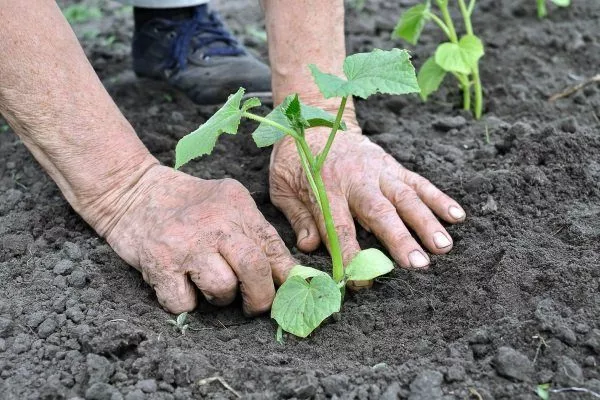
Cedric adapts to any soil, even those with high salinity, but the soil pH should be neutral. Before planting seedlings or seeds, loosening and loosening the soil is essential.
Bush formation
To increase the number of fruits on a plant, you need to properly shape the bush:
- tear off the 5 lower leaves and stepsons;
- remove the side shoots along with the ovaries (the latter remain mainly on the central stem);
- raise the vines and tie them to the trellis;
- When 5 leaves appear on the shoots that grew at the nodes, pinch off the top.
Garter
The variety is tied to the following elements:
- cord;
- trellis;
- mesh, etc.
Watering
This plant needs to be watered as the soil dries out. Avoid cracking the soil. Cedric prefers high humidity, but the roots should not sit in standing water, as this can lead to rot, disease, and slug attacks.
Before fruiting, water once a week (on average), and afterward, once every 4 days. Irrigation is by drip irrigation.
Top dressing
When it comes to fertilizers, preference should be given to organic matter, complex minerals, and folk remedies.
| Type of feeding | Frequency | Quantity |
|---|---|---|
| Organic fertilizers | Every 2 weeks | 2-3 kg per square meter |
| Mineral fertilizers | Every 4 weeks | According to the instructions |
Weeding
Weed control is key when growing Cedric, so weeds are removed as they grow.
Diseases and pests
The variety is resistant to such a disease as cladosporiosis, but if not properly cared for, it can be susceptible to other diseases and pests:
- fusarium;
- powdery mildew;
- aphid;
- spider mite;
- whitefly;
- cucumber mosaic.

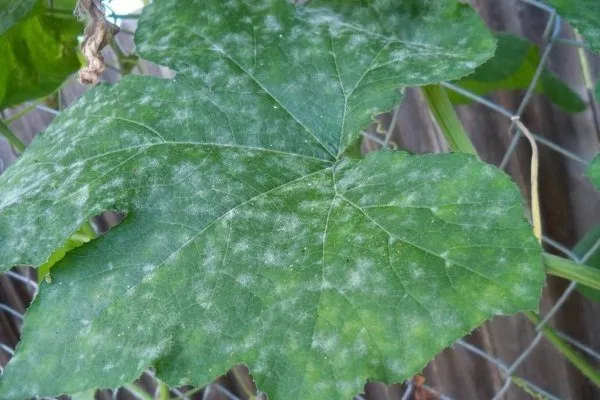
Powdery mildew on cucumbers
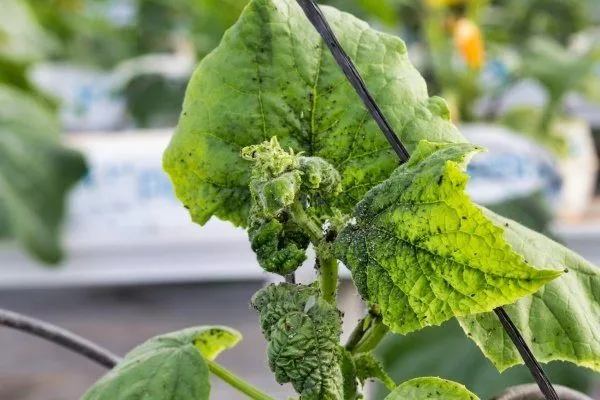
Aphids on cucumbers
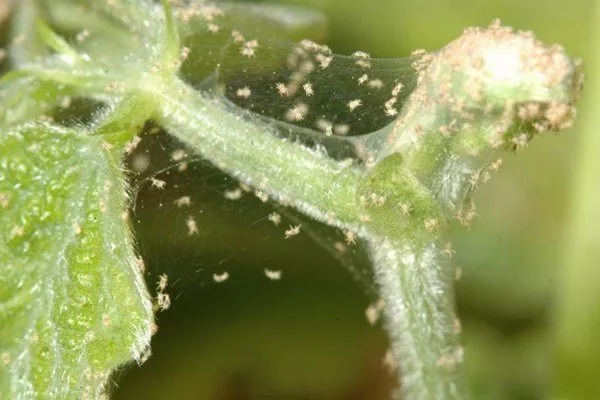
Spider mite
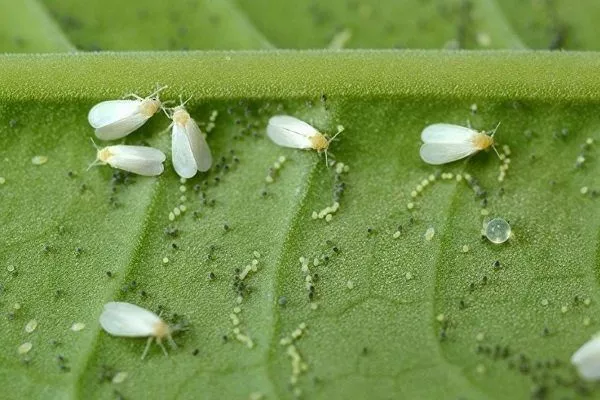
Whitefly
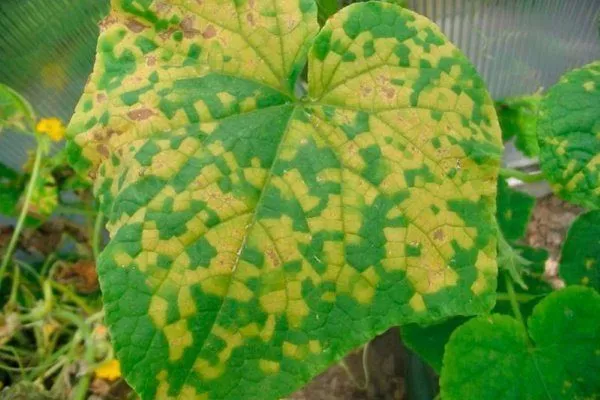
Cucumber mosaic
For treatment, appropriate means are used, but for preventive purposes, it is necessary to adhere to the following rules:
- do not over-water the soil;
- avoid drought;
- apply fertilizers;
- do not water with cold water;
- Regularly inspect the bushes and remove affected areas.
To repel insect pests, you can use a universal folk remedy: plant dill, garlic, or onions between the rows of Cedric.
How to harvest and store crops?
Harvesting depends on the goals:
- for canning fruits the size should be from 5 to 10 cm;
- for pickling – from 8 to 12;
- for fresh consumption – 10 cm or more.
This variety requires cool storage, so the vegetables are stored in a cellar or refrigerator. The shelf life is 1-2 months.
Reviews
The Cedric cucumber is a favorite among many gardeners for its ease of cultivation. With proper care, this variety is resistant to diseases and pests, produces an excellent harvest, and the fruits themselves are crisp, juicy, and delicious. However, to achieve these results, you need to strictly adhere to simple care and planting guidelines.