
Salam is a hybridized cucumber variety characterized by parthenocarpic vegetation. It is widely known and cultivated in the former Soviet Union. It boasts excellent shelf life and commercial suitability, making it ideal for commercial use.
Introduction to the variety
Salama's distinctive features include a compact planting and impeccable resistance to diseases and pests. During cultivation, it was noted that the bushes rarely suffer from powdery mildew and olive spot. Furthermore, the variety is distinguished by its ability to withstand temperature fluctuations.
Salama yields between 15 and 17 kg per square meter, making it suitable for both home and commercial cultivation. Thanks to its shelf life, ripe cucumbers can be easily transported over long distances.
Characteristic features of the appearance of the plant and fruits
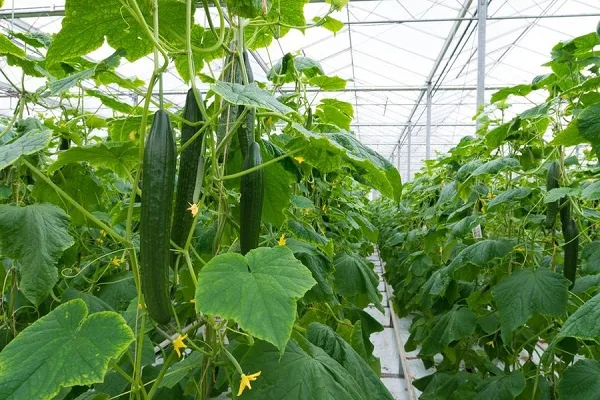
This cultivated hybrid is a medium-sized plant, reaching a height of 120 to 180 cm, and is distinguished by its rich green foliage. Other varietal characteristics:
- One to two female flowers are formed at each node.
- This variety of cucumber does not have bunches.
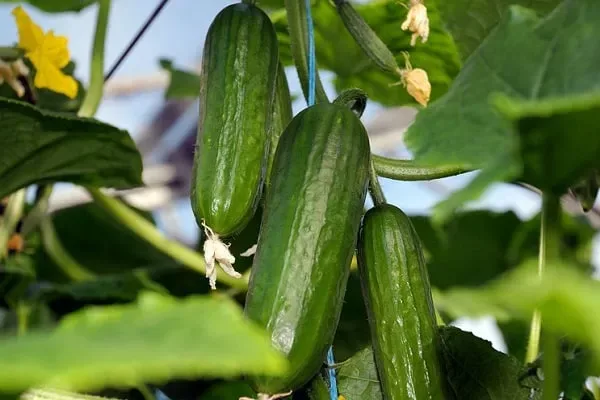
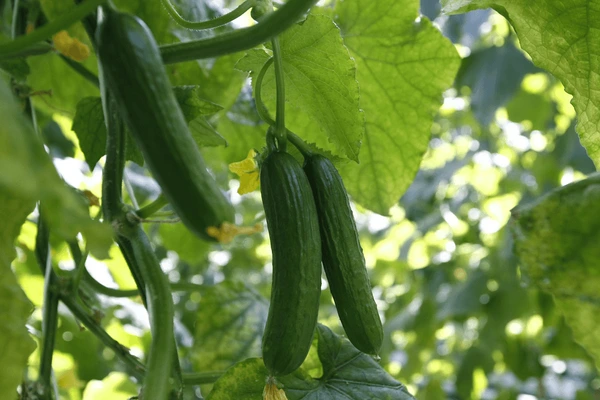
- The length of cucumbers varies between 9-13 cm, while their average weight is around 160-190 g.
- Distinctive features are the cylindrical shape and dark green color.
- Cucumbers are thornless and have a glossy surface.
- The pulp is dense, the seeds are small.
Features of taste and purpose
This hybrid is characterized by its versatility. Soft, sweet, and juicy, these cucumbers are ideal for salads, garnishing dishes, sandwiches, canapés, burgers, and more.
Moreover, the fruits stand out for their visual and aromatic qualities, so they are used not only for home cooking, but also for sale through retail chains and other retail outlets.
Positive and negative qualities
Salam cucumbers are parthenocarpic hybrids that were popular during Soviet times and remain popular today. Their popularity stems from a number of advantages:
The variety may be vulnerable to some diseases if the immune system is weakened.
Growing and care
Before cultivating this plant, it's important to learn seed preparation methods. For propagation in small plastic containers, use a special soil mixture enriched with lowland peat, sawdust, turf, and cow dung.
- ✓ The optimal soil temperature for sowing seeds should be at least +15°C.
- ✓ To prevent diseases, it is necessary to ensure air circulation around the plants, avoiding dense plantings.
Consider other subtleties regarding sowing and subsequent care:
- Place seeds in the soil to a maximum depth of 3 cm.
- In a cool room, seedlings will emerge in 13-16 days. At warmer temperatures of 24-29°C, sprouts can form in as little as 5 days.
To shorten this period, sow in a temporary greenhouse - a simple shelter made of polyethylene film. - The optimal humidity in the room should be 65-75%, which can be determined using special equipment.
- Transplant the seedlings into open beds when two to three mature leaves appear on their shoots.
- Before starting work, examine the soil structure—improve it if necessary and remove weeds and their roots. Amend the soil with organic matter, such as peat or manure/humus/compost.
- Plant the seedlings 9-11 cm deep, spacing them 25 cm apart.
- Throughout the season, caring for the hybrid includes daily spraying using warm water that has been left to stand for about a day.
- Fertilize exclusively with organic matter; liquid mullein is the most suitable option. Minerals are only allowed during fruiting.
Resistance to diseases and pests
Despite natural resistance to diseases such as cladosporiosis and powdery mildew, it is necessary to carefully monitor the condition of the cucumber crop and quickly respond to any signs of pathology.
Reviews
Salam cucumbers boast the best characteristics typical of hybrid varieties. The bushes are hardy, resistant to sudden temperature changes, and resist heavy rain and wind, but are primarily eaten fresh.