
The Rubinstein cucumber is a promising bush hybrid bred in Holland. It captivates vegetable lovers with its hardiness, productivity, and excellent flavor. This versatile variety is suitable for a variety of purposes and growing methods.
History of creation
The Rubinstein hybrid was developed by Dutch breeders. The author is Reinink Kornelius. This hybrid variety was approved for cultivation in 2020.
Description of the Rubinstein variety
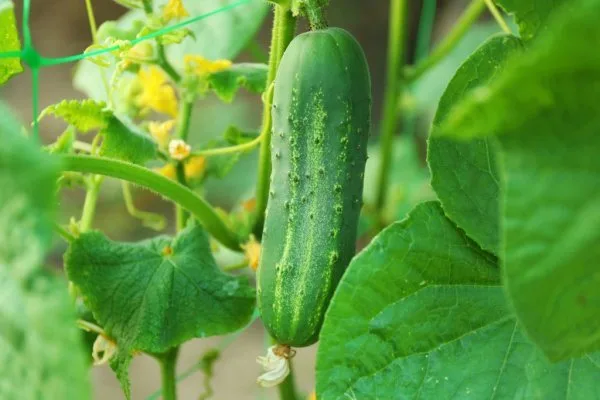
This indeterminate plant has a bushy habit, medium branching, and is not prone to excessive spreading. The plants produce predominantly female flowers. The leaves are medium-sized and dark green.
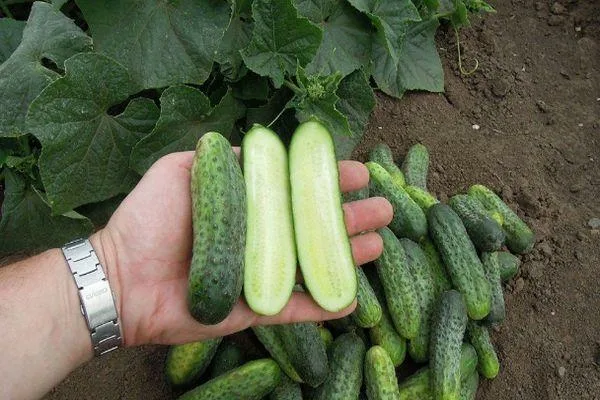
The fruits are cylindrical and reach 13 cm in length. They are dark green with short stripes. The finely bumpy surface and thick skin are tipped with spines. Each fruit weighs 50-100 g.
Taste and purpose of fruits
The Rubinstein variety's fruits have excellent flavor; they are juicy, crisp, and aromatic, ideal for fresh eating and summer vegetable salads. This hybrid is also delicious when pickled and marinated.
Productivity and ripening time
The Rubinstein hybrid variety is parthenocarpic (self-pollinating) and belongs to the mid-season group. It takes 40 to 45 days from the emergence of shoots to the ripening of the first cucumbers.
The average yield depends on the growing region and ranges from 200-730 centners per hectare for commercial cultivation. A garden plot yields approximately 4 kg of cucumbers per square meter.
Pros and cons
The Dutch hybrid Rubinstein has many advantages that couldn't go unnoticed. Before planting, it's worth weighing all the pros and cons of the variety to determine whether it's suitable for your climate and intended use.
Advantages:
Flaws:
Landing features
The Rubinstein hybrid can be grown in a garden or a plastic greenhouse, and can be planted either from seeds or seedlings. The latter option yields an earlier harvest. Seedlings are sown in mid-April or early May.
- ✓ The soil pH level should be strictly within 6.0-6.8 for optimal nutrient absorption.
- ✓ The depth of the fertile layer is at least 30 cm for the development of the root system.
Seedlings are grown in peat pots; plastic cups can also be used. Seedlings are planted in the ground between May 25 and June 5—this period is typical for temperate climates; the timing varies depending on climate conditions. Seeds are sown outdoors during this same period.
Landing features:
- Choose a warm, well-lit site with no shade. The soil should be fertile and loose, with a neutral pH and no standing water.
- The optimal planting pattern is 40x40 cm. Planting is carried out using standard technology.
- The hybrid seeds are treated and do not require pre-soaking before sowing.
Care instructions
To grow a decent harvest of Rubinstein cucumbers, regular care is essential. The crop requires watering, fertilizing, preventative treatments, and more.
Care features:
- Water cucumbers every three days, taking care not to allow the soil to become overwatered or dry out. When watering the beds, it's important to consider weather conditions and soil conditions. Use only warm water that has been left to stand for two days. Using cold water can lead to the development of fungal diseases.
- If organic fertilizers were added during soil preparation, mineral fertilizers are added after planting. As soon as 2-3 leaves appear (if sowing directly into the ground), or after the seedlings have rooted (if sowing from seedlings), mineral fertilizers are added. Dissolve 20 g of superphosphate, 10 g of urea, and 10 g of potassium sulfate in 10 liters of water. The recommended rate is 0.5 liters per plant. Subsequently, you can alternate between organic and mineral fertilizers, fertilizing once every 10 days.
- Bushy plants grow slowly, so they don't require any special training. Simply remove the bottom five leaves. The main stem is tied to a support.
- After each watering, it's advisable to loosen the soil, otherwise the plant roots won't receive enough oxygen due to the formation of a hard soil crust. The beds can also be mulched with straw, peat, or humus, which will reduce the frequency of watering, loosening, and weeding.

Pest and disease control
The Rubinstein variety has high resistance to brown spot. It's also relatively resistant to powdery mildew. However, cucumber mosaic virus can be a problem.
- ✓ Spider mites leave small yellow dots on the leaves, which gradually merge into spots.
- ✓ Meadow bug causes deformation of young leaves and shoots.
Under unfavorable conditions, there is also a risk of downy mildew and root rot. For treatment and prevention, plants are sprayed with Previkur, Bayleton, Gamair, and other fungicides.

Harvesting
This variety doesn't tend to overgrow, so you can harvest it once a week. This is especially convenient for pickling, canning, and preserving cucumbers. The cucumbers can be stored for about a week or more in the lower compartment of the refrigerator.
Reviews
The Rubinstein hybrid is a worthy representative of Dutch selection, earning well-deserved interest from our gardeners and vegetable lovers. The Rubinstein variety possesses all the qualities prized in cucumbers—excellent flavor, high yield, and robustness.