
The Revanche cucumber is a hybrid that combines early maturity, high yield, and excellent flavor. Developed by experienced breeders, this variety quickly gained popularity due to its disease resistance and versatility. It's important to understand all aspects of cultivation and provide the crop with comprehensive care.
Introduction to the variety
This hybrid produces excellent fruit both outdoors and indoors, requiring minimal effort from the gardener. Its smooth, neat fruits are suitable for both commercial and home consumption. It has many distinctive characteristics.
Originators
Developed by Nikolai Nikolaevich Klimenko, Sergei Vasilievich Maksimov, and Olga Vladimirovna Baklanova, it was approved for use in 2015. It is classified as parthenocarpic.
External characteristics of the plant and cucumbers
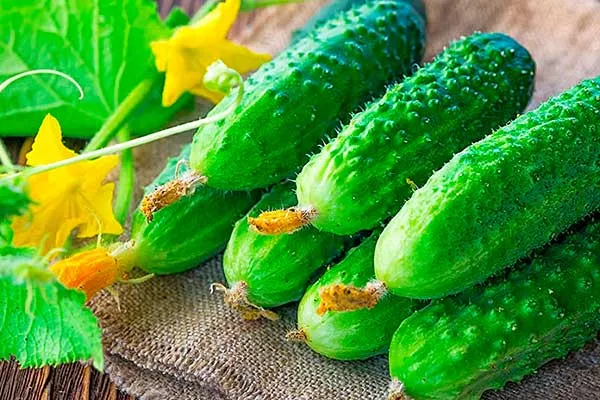
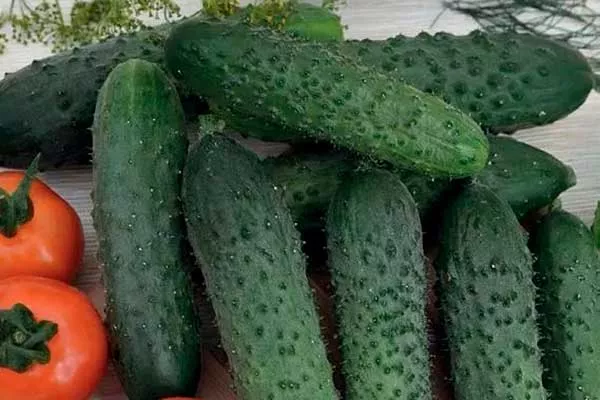
The bush is medium-sized and indeterminate, with a main stem approximately 150 cm long and heavily branched. The leaves are green and medium-length. The fruits are cylindrical, with green skin featuring short stripes and medium-sized tubercles with white spines.
| Parameter | Characteristic |
|---|---|
| Bush type | Indeterminate, medium-sized |
| Stem length | Up to 150 cm |
| Branching | Strong |
| Fruit shape | Cylindrical |
| Coloring | Green with short stripes |
| Tuberculation | Medium, white spines |
Taste and purpose
The Revanche cucumber has excellent flavor and firm, crisp flesh. It's a versatile variety, suitable for fresh salads, pickling, and canning.
When ripe, the yield
The vegetables are characterized by early ripening, with the period from germination to fruiting occurring within 38-42 days. Peak fruiting occurs in June-July. The average yield in plastic greenhouses is 15.4 kg per square meter.
Vitamin composition
Revanche fruits contain approximately 95% water, which helps maintain hydration. They also contain the following vitamins:
- vitamin C;
- vitamin K;
- vitamin A;
- B vitamins (B1, B2, B3, B5, B6, B9.
Green cucumbers contain minerals such as potassium, magnesium, and silicon. They have a number of beneficial properties:
- Vitamins C and A have antioxidant properties, protecting cells from free radical damage.
- Vitamin A and silicon promote healthy skin by improving its texture and elasticity.
- Low calorie content and high water content make cucumbers an excellent dietary food.
- Potassium helps regulate blood pressure, which reduces the risk of cardiovascular disease.
- High water and fiber content promotes healthy digestion and prevents constipation.
- Some antioxidants in vegetables have anti-inflammatory properties, which can reduce inflammation in the body.
- Vegetables help remove toxins from the body due to their diuretic effect.
- Vitamin K is important for bone health and blood clotting.
These beneficial properties make Revanche cucumbers an excellent addition to a healthy diet.
Positive and negative qualities
Before planting a crop in your garden, study its positive and negative properties. The hybrid has many advantages:
The disadvantage of the culture is the inability to collect seeds from your own harvest.
Planting and care
Sow seedlings in late April or early May. Plastic or peat pots with a capacity of 300-400 ml, filled with a special substrate, are suitable for this purpose. Instead of store-bought soil, use a mixture of peat, humus, sand, and regular soil.
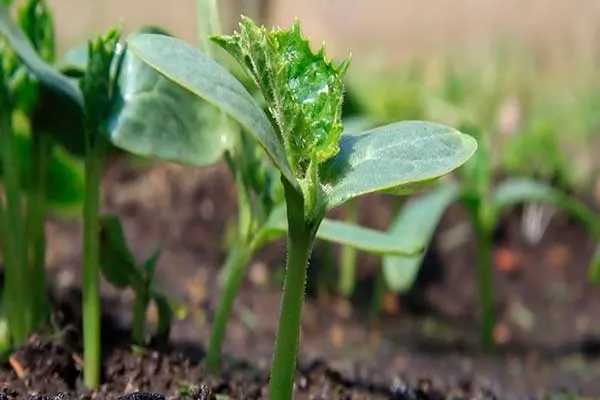
Plant the seeds 2-3 cm deep. Keep them warm until germination, then maintain the temperature at 18-20°C. When the plants have four true leaves, transplant them to their permanent location. The soil should be warmed to 15-16°C when transplanting the seedlings and sowing the seeds.
Apply fertilizer at least three times per season, or more frequently if the soil is depleted. Follow this schedule:
- Two weeks after the seedlings have taken root in the garden bed, use nitrogen fertilizer, for example, a 1:10 manure solution.
- At the beginning of flowering, add phosphorus and a little potassium, superphosphate or ammophoska.
- During fruiting, use mineral fertilizers with potassium and nitrogen.
Water the seedlings in the morning or evening with warm, settled water at 22-25°C or equal to the soil temperature. The recommended watering interval is every 2-3 days.
Diseases and pests
Revanche, like other varieties, is susceptible to various diseases and pests. Below are some methods of control:
- Powdery mildew. Symptoms: White powdery coating on leaves and stems. Control with Skor, Topaz, and Thiovit Jet.
- Peronosporosis (downy mildew). Symptoms: yellow spots on the upper side of the leaves, gray-purple bloom on the underside. Treat with Ordan, Alirin-B, or Previcur Energy.
- Fusarium wilt. Symptoms: wilting and yellowing of leaves, which then dry out. Previkur, Strobi, and Topsin-M can help control the disease.
- Ascochytosis. Symptoms: gray-brown spots on leaves and stems, bitter fruit. Treat leaves and shoots with copper or iron sulfate, or Bordeaux mixture.
- White rot. Symptoms: Wet spots at the base of the stem, resembling a web. Treat the bushes with Topaz, HOM, and Ordan.
- Aphid. Symptoms: small insects on the underside of leaves, deformation. Pest control involves the use of Fitoverm, Actellic, and Inta-Vir.
- Spider mite. Symptoms: small webs on the leaves, which turn yellow and dry out. Use the following products: Fitoverm, Kleschevit, Actellic.
- Whitefly. Symptoms: small white insects, yellowing and curling leaves. To control the insects, use Confidor, Aktara, and Actellic.
For prevention, follow these few recommendations:
- Remove affected plants and their parts.
- Ventilate greenhouses regularly.
- Observe the watering and fertilizing regime.
- Use healthy planting material.
These measures will help reduce the risk of diseases and pests and ensure healthy growth and development of the crop.
| Preparation | Application | Consumption rate |
|---|---|---|
| Fitoverm | Against aphids and mites | 2 ml/1 l of water |
| Ordan | From peronosporosis | 25 g/5 l of water |
| Topaz | Against powdery mildew | 2 ml/10 l of water |
| Aktara | From whitefly | 1 g/10 l of water |
| Previkur | Against fusarium | 15 ml/10 l of water |
Harvesting and storage
The greens ripen quickly. Pick them every 1-2 days to encourage further fruiting and prevent overripening.
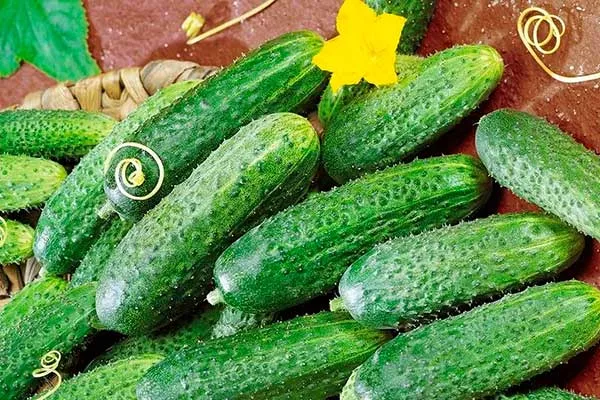
Harvest vegetables by hand, carefully cutting or pinching them off the stems to avoid damaging the plant. Do this in the morning or evening when temperatures are cooler to minimize stress on the plants.
Store cucumbers at temperatures between 7°C and 10°C. They may freeze at lower temperatures, and spoil at higher temperatures. The optimal relative humidity is around 90-95%. Fresh cucumbers can retain their quality for 10-14 days under optimal storage conditions.
Optimal storage conditions
- 1. Sorting: rejection of damaged fruits
- 2. Packaging: perforated bags or cling film
- 3. Temperature conditions: +7…+10°C
- 4. Humidity: 90-95%
- 5. Protection from ethylene (avoid proximity to apples and bananas)
Reviews
The Revanche cucumber is a treasure trove of beneficial properties and an excellent choice for both beginners and experienced gardeners. Its low maintenance and high yield allow you to enjoy fresh, crisp cucumbers all season long. With proper care, you can grow strong, vigorous plants with excellent productivity.