
Progress is the ideal choice for those seeking a bountiful harvest of salad cucumbers in plastic containers. This hybridized variety is renowned for its excellent flavor and good resistance to disease and adverse weather conditions.
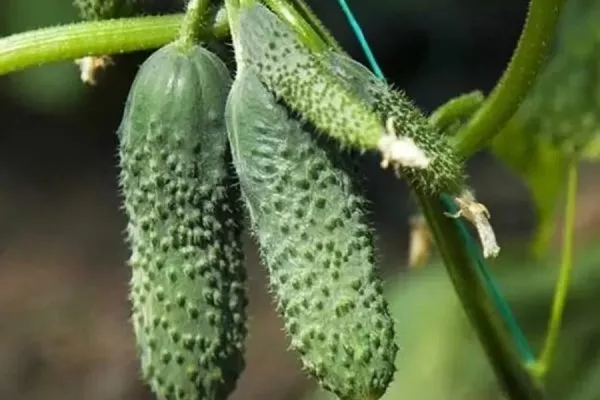
Introduction to the variety
Progress is a parthenocarpic cucumber. It has exceptional weather resistance—it easily tolerates sudden cold snaps and maintains the quality of its harvest even on the hottest summer days.
Other characteristic qualities:
- It is especially worth noting that Progress is resistant to cucumber mosaic virus, cladosporiosis (brown olive spot) and downy mildew.
- This variety has an indeterminate growth habit, meaning it continues to grow and bear fruit throughout the growing season. Its branching is weak, but the foliage is massive, giving the bush a beautiful appearance.
- The average yield in unheated film greenhouses is 14-16 kg/m2, which is quite a strong indicator for a salad cucumber.
- Vegetables ripen quickly and are ready for consumption 40-48 days after the primary shoots appear.
Originators
A hybrid cucumber variety was developed by specialists from the agricultural company OOO Agrofirma Poisk. The authors are V. V. Korchagina, N. N. Klimenko, S. V. Maksimov, and L. A. Chistyakova. This variety was approved for use in 2020.
External characteristics of the plant and cucumbers
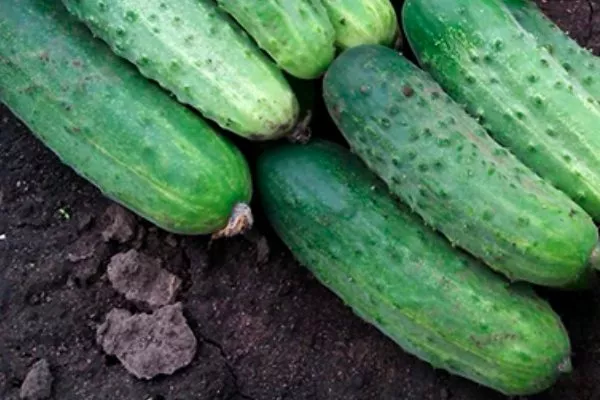
The plant is indeterminate and has weak branching. Other varietal characteristics:
- The maximum length of the lashes reaches 140-150 cm.
- The leaves are large, dark green, with a smooth or slightly wrinkled surface.
- The fruits are cylindrical in shape and 12 to 15 cm long.
- They are colored dark green and covered with fairly large tubercles, which are present in small numbers.
- The spines on the fruits are white.
- The plant is vigorous, with a female type of flowering.
- In each node, 3 to 5 or a little more ovaries are formed.
Taste and application
These cucumbers are characterized by an excellent flavor without bitterness. This variety is intended for fresh consumption, as it is a true salad variety, but many home cooks also use the harvest for light pickling and canning.
Planting and care
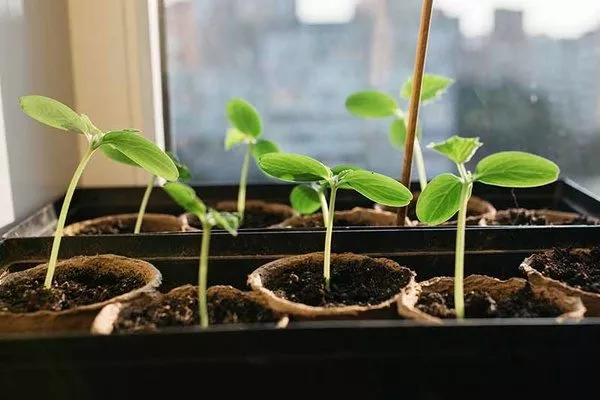
For growing the Progress variety, it is recommended to use greenhouses. Film-coated. Please note the key aspects regarding this variety:
- planting/sowing period in open ground – May;
- landing site – sunny;
- seeding rate: 15–20 g of seeds per 1 sq. m;
- sowing depth (cm) – 1, maximum 1.5;
- the distance between plants is 20-25 cm;
- optimal temperature range is 16-25°C;
- watering frequency – two to three times a week;
- feeding frequency – once a month;
- the type of fertilizer used is absolutely any;
- harvest time – from the end of July to the end of August.
- ✓ The optimal soil temperature for sowing should not be below 15°C.
- ✓ To prevent fungal diseases, pre-sowing treatment of seeds with biofungicides is recommended.
Basic care requirements for this variety include regular watering and removing excess foliage to ensure good air circulation and light access to all parts of the plant.
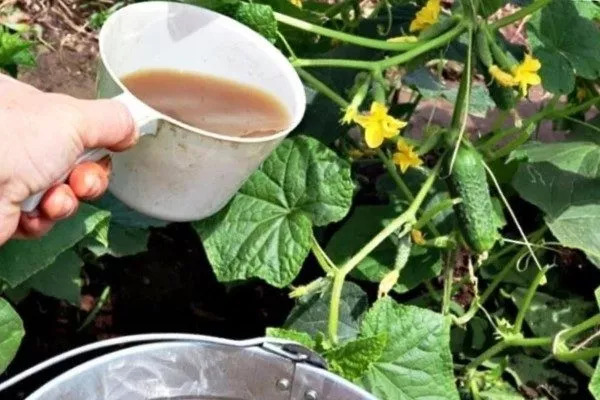
It is important to monitor the condition of the trunk area and apply fertilizer in a timely manner so that plants receive all the necessary nutrients.
Reviews
With proper care, the Progress variety will delight you with a bountiful, high-quality harvest that can be used for a variety of purposes. This new variety has gained popularity among gardeners and farmers because it doesn't require special conditions for successful growth and is easy to care for. It is also easy to transport and keeps well.