
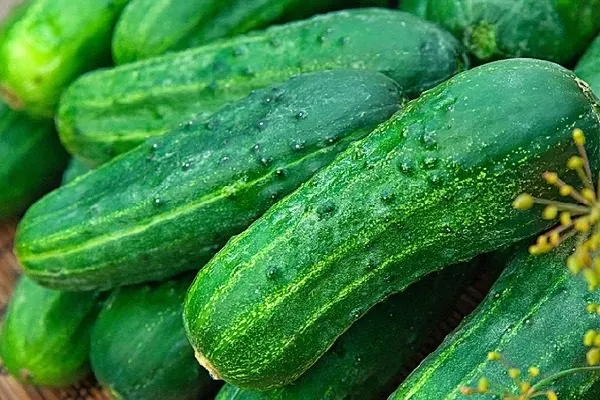
The Porthos cucumber is a delicious, self-pollinating, all-purpose hybrid. These crisp, flavorful cucumbers are a favorite among gardeners and are also suitable for commercial cultivation.
The history of the Portos variety
The Portos F1 hybrid was developed by Russian breeders. The authors of this hybrid variety are N.N. Klimenko and S.V. Maksimov. The originator is Agrofirma Poisk LLC. The variety was added to the State Register in 2007.
Description of the plant and fruits
The plant has long vines and is characterized by an indeterminate growth habit. The stem can grow up to 2 m, with long vines branching off from it. The leaves are large and dark green.
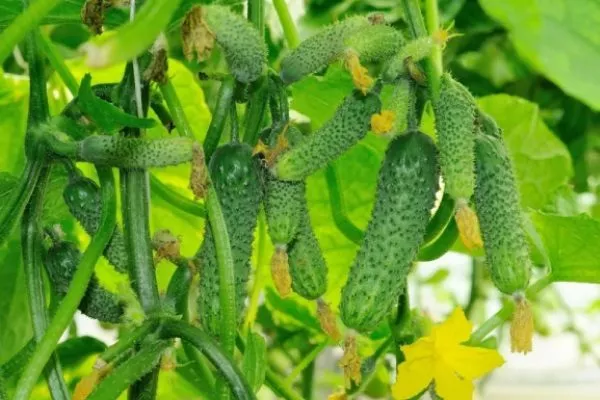
The fruits are cylindrical and grow up to 8-9 cm in length. The average weight of one fruit is 90 g. They have a bumpy surface, are green in color, and have white spines.
Taste and application
The fruits have crisp, air-tight flesh, a pleasant flavor, and a fresh cucumber aroma. There's no bitterness in the taste. The Portos cucumber is suitable for all purposes—it's delicious fresh, good in salads, pickles, and marinades.
Characteristics
The Portos F1 cucumber is a parthenocarpic, early-ripening first-generation hybrid. It takes approximately 42-47 days from germination to fruiting.
Pros and cons
The Portos cucumber has many advantages that real gardeners who know a thing or two about vegetables can't ignore:
No particular disadvantages were found in the Portos hybrid.
Features of landing
Proper planting of Portos significantly increases the chances of a good harvest. Conversely, improper planting can not only reduce the number of fruits harvested but also result in no fruit at all. The Portos hybrid can be grown both outdoors and under cover.
- ✓ Soil pH should be between 6.0-6.8 for optimal nutrient absorption.
- ✓ The soil should contain a high percentage of organic matter (at least 4%) to ensure good water holding capacity.
What to look for when planting Porthos cucumber:
- The hybrid prefers well-lit areas, so choose open, level, shade-free spots for planting. Swampy lowlands are also unsuitable. When growing seedlings, use phytolamps to extend daylight hours.
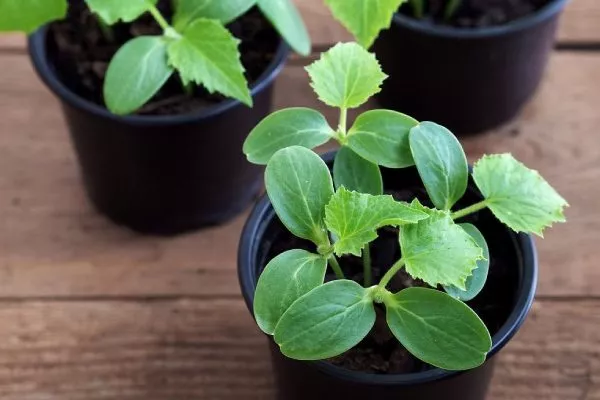
- In temperate climates, seedlings are planted in early May. The crop is sown for seedlings approximately one month before planting. Seeds are sown outdoors starting in mid-May, once the threat of frost has passed. It is recommended to cover the crops and planted seedlings with plastic film for the initial period.
- Loose, light, well-drained soils are considered ideal for growing the Porthos cucumber. These are first enriched with organic matter—peat, well-rotted manure, and compost.
- Before sowing in the ground or for seedlings, seeds are soaked and germinated, wrapped in a wet cloth.
- Legumes, parsley, and onions are considered the best predecessors for cucumbers. Cucumbers should not be planted after eggplant, zucchini, carrots, squash, peppers, and tomatoes.
- Sowing of seeds, as well as planting of seedlings, is carried out in holes dug according to the 30x60 cm pattern (between adjacent plants - 3 cm, between rows - 60 cm).
Caring for the beds
There's nothing special about caring for the Portos variety. Like all cucumbers, it requires regular watering and fertilizing. It also requires loosening and weeding, and to make harvesting easier, the plants need to be tied up.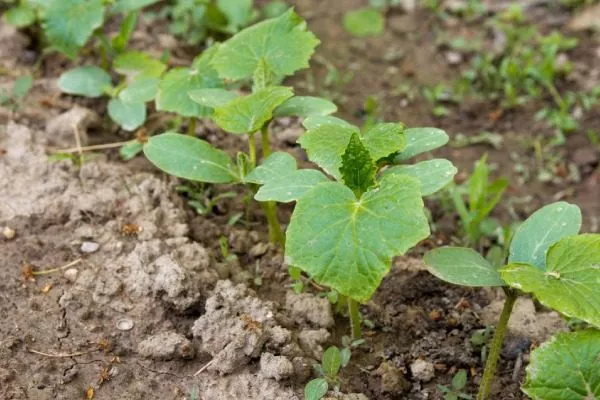 Please note:
- Watering frequency depends not only on the weather and soil conditions, but also on the growing season. Before flowering, plants should be watered every 6-7 days, and during the fruiting stage, every 3-4 days. The best time to water is in the evening; in greenhouses, in the morning.
- Cucumbers can be fed every 7-10 days. A total of 5-6 applications are sufficient during the growing season. The first application is made after the second true leaf appears (when sowing seeds directly into the ground), the second at the beginning of flowering, and then successively during the ovary formation stage and during fruiting. The frequency is once every two weeks.
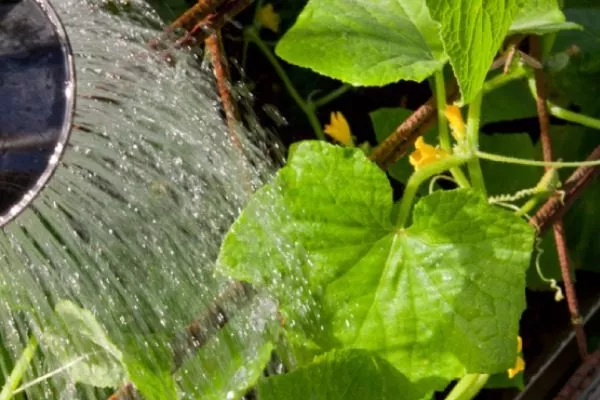
- After watering and rain, as soon as the topsoil has dried slightly, loosen the soil. This should be done carefully, taking care not to dig the hoe too deep to avoid damaging the surface roots. At the same time, weeds are removed, as they absorb nutrients and attract harmful insects.
- The shoots are regularly tied up as they grow. Trellis are used for this purpose. Corn and/or sunflowers planted near the cucumber beds can also serve as support.
Diseases and pests
As befits a hybrid, the Portos cucumber is highly resistant to all types of infections, from powdery mildew to root rot. This hybrid variety is also resistant to insects.
However, there are risks of damage to the Portos cucumber, especially under unfavorable growing conditions and poor agricultural practices, so preventative spraying with Bordeaux mixture, various fungicides, and insecticides is used.
Harvesting
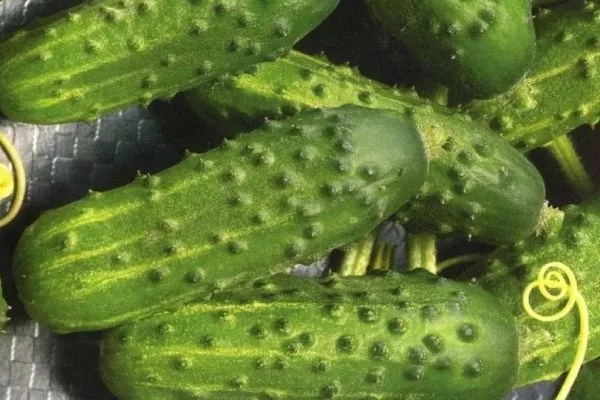
Experienced gardeners advise picking small fruits at the beginning of fruiting to relieve the roots; later, the frequency of fruit picking should be once every 3–4 days.
Cover harvested cucumbers with a cloth to prevent them from wilting prematurely. If the cucumbers are not planned for consumption that day, it's best to refrigerate them. The optimal storage temperature is 6 to 8°C, with high humidity.
Reviews
The Portos cucumber is a tasty and highly promising hybrid, delighting gardeners with bountiful harvests with minimal care. This hybrid variety is easy to grow, delicious, and suitable for any task.