
The Pogrebok cucumber is an excellent variety with excellent flavor and high yields. Its ease of care, tolerance to adverse conditions, and affordability make it an ideal choice for gardeners seeking a good harvest without much effort. By following proper cultivation techniques, you can ensure high-quality vegetables.
Introduction to the variety
The Pogrebok variety is distinguished by its excellent taste and ease of care.
History of origin
It belongs to the hybrids of Russian selection and was bred in 2005. Its authors are Gavrish S. F., Portyankin A. E., Shamshina A. V., Shevkunov V. N.
It passed all laboratory tests and was added to the State Register in 2006. It is suitable for cultivation in virtually any region of the Russian Federation.
Characteristics of the plant's appearance
It is characterized by moderate branching and reaches up to 2 m in height. The leaves are large, dark green, heart-shaped, with wavy edges and slight pubescence.
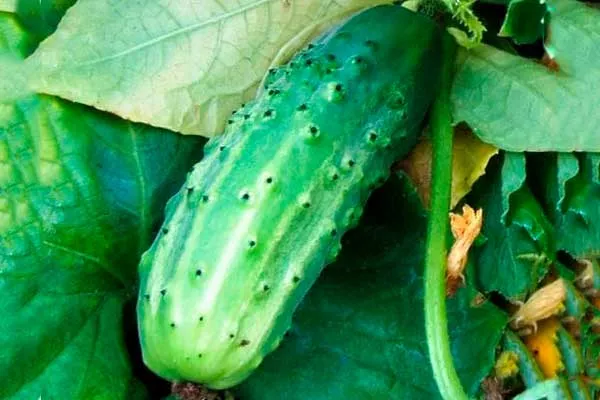
During the flowering period, numerous flowers of a rich yellow color appear on the shoots, among which there are both female and male inflorescences.
Description of cucumbers
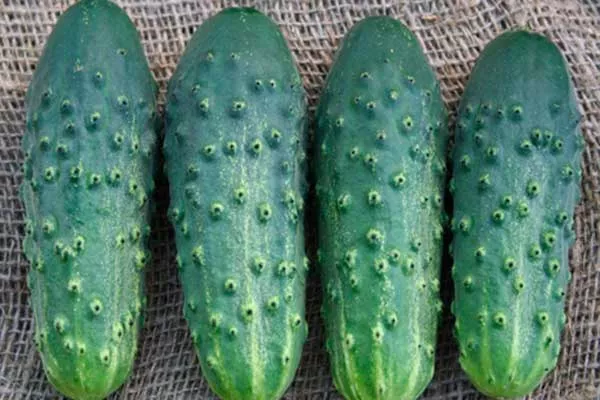
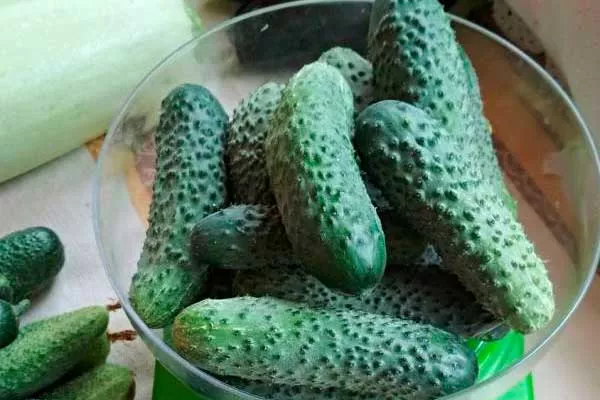
A healthy bush produces ripening fruits weighing 100-120 g and up to 11 cm long. They have a classic cylindrical shape, slightly tapering at the base. The skin is medium-thick, with occasional large bumps. The fruit is a standard color—green with diffuse light stripes.
Taste and purpose
The flesh is dense, tender, crisp, and juicy, without any air or wateriness. The flavor is balanced, with a summery sweetness, a bright, refreshing aroma, and a pleasant crunch, without any bitterness. The flesh contains a few small seeds, practically imperceptible when eaten.
Composition and properties
Green cucumbers are 95% structured water, which helps remove toxins and heavy metal salts through the kidneys. They also contain minerals such as potassium, zinc, magnesium, copper, manganese, chromium, iron, iodine, phosphorus, sodium, chlorine, vitamins B1, B2, PP, A, C, and beta-carotene.
Regular consumption of fresh cucumbers promotes gentle bowel cleansing thanks to dietary fiber. Digestion is improved, and toxins and excess cholesterol are eliminated.
Fresh vegetables are recommended for:
- therapeutic nutrition for diseases of the liver, kidneys and gastrointestinal tract;
- dietary nutrition for obesity;
- prevention of cardiovascular diseases;
- elimination of cholesterol plaques on the walls of blood vessels;
- supporting the body during high physical exertion and chronic fatigue.
Vegetables are beneficial for those trying to lose weight because they're low in calories and delicious. For prevention, cucumber fasting days are recommended, which normalize metabolism and eliminate excess fluid and salts. The calorie content is only 15 kcal per 100 g.
Cucumbers of this variety are also used externally as a remedy for acne and freckles. They are also used to make facial masks, lotions, and cosmetic waters.
Ripening times and yield volumes
Pogrebok is an early-ripening variety: the first cucumbers appear 40 days after planting in open ground or a greenhouse.
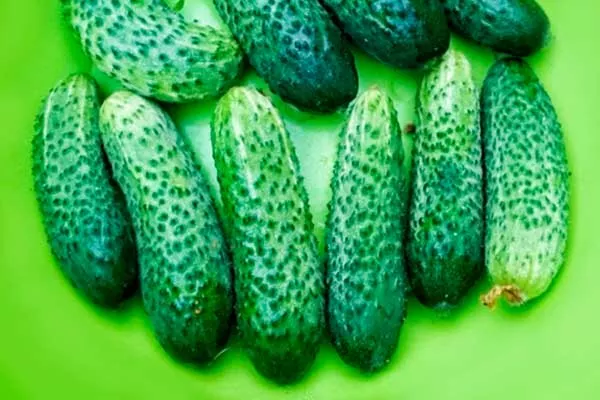
Peak ripening occurs in July and the first half of August, and the harvest is collected before the first frost. The yield is high, about 15 kg per bush.
Cultivation regions
The crop is cultivated in many regions of Russia. In the southern regions, seedlings are planted in open ground. In temperate and temperate climates, they are grown under plastic covers. In the northern regions, the hybrid grows only in heated greenhouses.
Planting cucumbers in Pogrebok
The crop can be planted directly into the soil or as seedlings. Seeds can be dry or pre-sprouted, depending on the agronomist's preference.
Growing seedlings
Begin sowing by preparing the seeds, soil, and seedling containers if you want to speed up the time it takes to get your first fruits. Seed preparation includes:
- Calibration. Soak the seeds in a warm solution of table salt. Discard any that float to the surface, as they will not germinate. Rinse the remaining seeds to remove the salt.
- Disinfection. Place the seeds in a pale pink solution of potassium permanganate for 30 minutes to kill pathogenic bacteria.
- Treatment with Fitosporin. This strengthens the plants' immune system. Use the product according to the instructions.
- Germination. Place the seeds on a damp cheesecloth in a tray, cover with another layer and keep moist for 3-4 days.
- ✓ The optimal soil temperature for planting seeds should not be below +15°C, which is not mentioned in the article.
- ✓ To prevent diseases, it is necessary to use only disinfected tools and containers, which is critical for plant health.
If the weather is consistently warm with nighttime temperatures of at least 15°C, sow the seeds directly into the soil. If the soil is poor, dig the area, remove weeds, and apply fertilizer (organic or inorganic). The recommended rate of manure application is 5 kg per square meter.
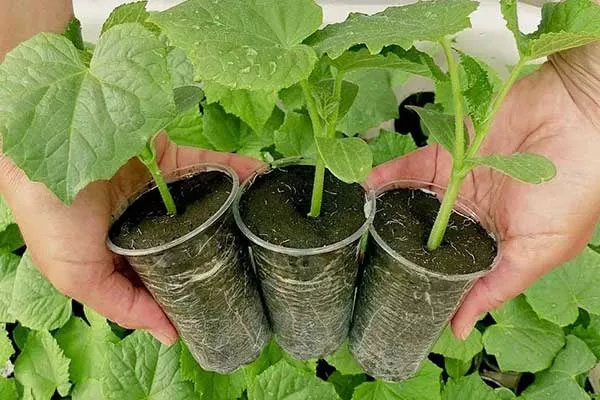
Form furrows running north to south to provide better light for the plants. A great option is "warm" beds 25 cm high, made up of several layers, including rotted manure with added ash, which creates a heat cushion for accelerated growth and fruiting.
Seed sowing technique:
- In the prepared bed, dig holes at intervals of 50-60 cm and a depth of 1-2 cm.
- Moisten each hole with warm water and place 3 seeds.
- Cover the holes with a 3-centimeter layer of soil.
To smooth out the difference between day and night temperatures, cover the seedlings with plastic film, creating a greenhouse effect that promotes germination and growth. Cover the emerging seedlings with plastic film to prevent leaf coarsening and moisture loss.
Selecting a site
The crop thrives in elevated locations, well-protected from wind and stagnant moisture. It's best grown in areas previously occupied by cabbage, peppers, onions, potatoes, or tomatoes. Avoid planting it after pumpkins, squash, and cucumbers.
In the fall, dig the soil to a depth of 15-20 cm with manure. To prevent the soil from freezing in winter, plant mustard and mow it down after it ripens. Then cover the soil with tops and leave it to overwinter. In the spring, loosen the beds.
Planting seeds in the ground
Carefully dig and loosen the soil, then fertilize with a mixture of peat, sand, manure, and mineral supplements. Afterward, thoroughly mix water into this mixture and water.
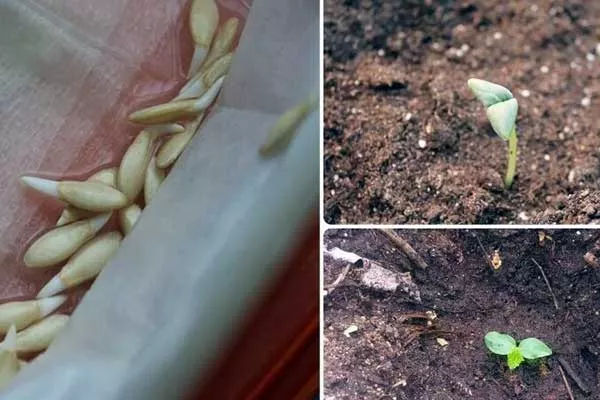
Caring for cucumbers in Pogrebok
The hybrid requires little maintenance. Standard agricultural practices are sufficient to obtain a bountiful and delicious harvest.
Watering
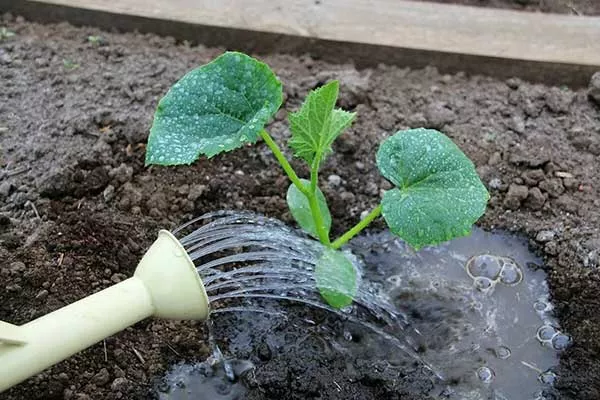
To prevent disease, irrigate plants with warm water pre-warmed in the sun. Avoid watering plants at midday to avoid burns from steam rising from evaporating water.
Top dressing
Fertilizing plays an important role in growing this hybrid. Apply both organic and mineral fertilizers at various stages of the growing season. Before planting, use well-rotted manure. After the first shoots emerge, feed the bushes with saltpeter to accelerate growth.
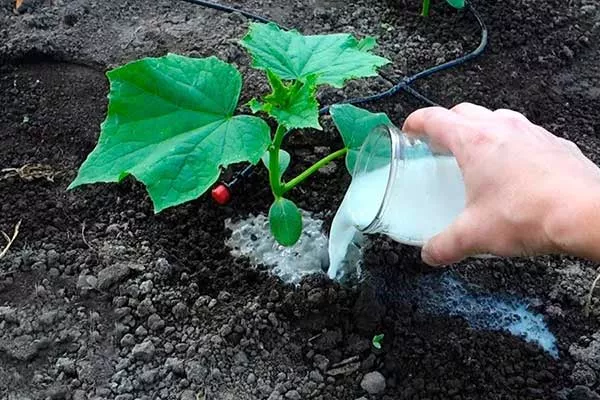
During flowering and ripening of cucumbers, fertilize the bushes with ash, diluting it in water or sprinkling it under the roots before watering. Feeding with a weed infusion is also effective. Two weeks before fertilizing, soak the above-ground parts of the weeds in water and leave them in the sun. Do not use plants that have begun flowering or have produced seeds.
Formation
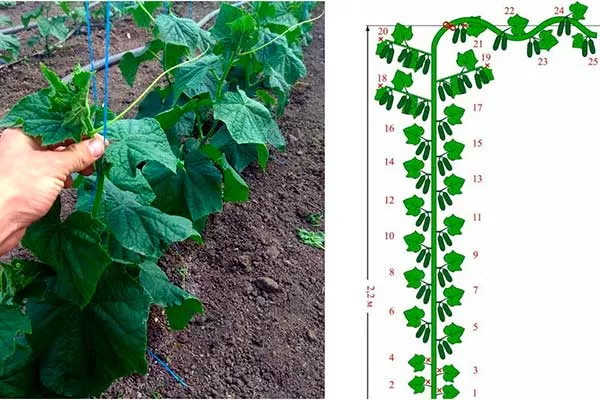
Before the fourth or fifth leaf appears, remove all side branches. Pinch the central shoot at a height of 1.5 m, and tie the side shoots to a trellis under the greenhouse ridge. Remove spent male flowers and trim off any leaves whose axils no longer contain female flowers or ovaries.
Pests and diseases
Improper soil or planting material preparation can leave bacteria and infections behind. While the soil may appear clean and healthy, there's a risk of problems developing over time when regular watering begins.
Diseases and their manifestations:
- Powdery mildew. A bluish bloom appears on the underside of the leaf, gradually spreading and spreading to other shoots. The disease is often associated with contaminated seeds or soil, improper care, or unstable weather.
- White rot. Leaves lose color, shoots become withered and waterlogged, and the root area rots, changing color and texture. Black spots may appear on the stems. The infection develops with overwatering and insufficient ventilation.
- Root rot. Roots turn brown, rot, and die, causing the plant to wither. In greenhouses or indoor settings, it's important to control humidity to prevent disease.
- Cucumber mosaic. The apical shoots die off, plant growth stops, and the number of leaves, shoots, and vegetables decreases.
The infection can be carried by insect vectors such as aphids, and the disease is activated by high air temperatures and the lack of soil, planting material, and tools treatment.
Common pests and how to control them:
- Slugs. Sprinkle the soil with wood ash. To repel them from shoots, sprinkle the leaves and stems with dry ash.
- Spider mite. An unusual webbing pattern appears on the underside of the leaves. Use specialized products such as Aktara or Etisso according to the manufacturer's instructions.
- Aphid. These small green insects quickly eat away the green parts of cucumbers. To get rid of the pests, generously sprinkle the beds and bushes with ash.
Although the hybrid is known for its resistance to many diseases, it can suffer from other infections. The sooner treatment begins, the greater the chance of recovery.
Harvesting and storage
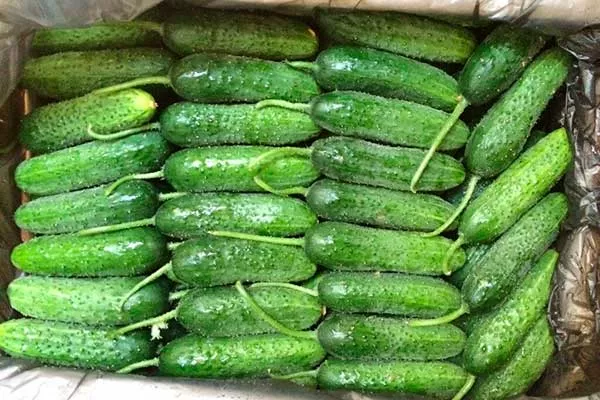
Ripe cucumbers have bumps and barely noticeable white stripes. Although fruiting continues until frost sets in, don't delay harvesting. Carefully pull cucumbers from the branches to avoid damaging the shoots. Avoid overripening to preserve the vegetables' culinary qualities.
Recommendations:
- Active harvesting promotes the formation of new ovaries.
- Fruits picked on time have a pleasant taste.
- Place vegetables in a single row for storage in the drawer.
- Do not wet cucumbers immediately after picking them from the bush.
- For transportation or long-term storage, choose the strongest specimens.
The average shelf life of cucumbers is three weeks to three months. During this time, check the condition of the fruit regularly.
Positive and negative qualities
The main characteristic of this variety is its ability to be pollinated by bees. Plant the bushes near bee habitats, otherwise pollination may not occur.
- ✓ The variety requires pollination by bees, which is critical for the formation of ovaries.
- ✓ The high branching of the plant requires additional space and care to prevent intertwining.
Advantages:
The hybrid has only one drawback: due to the fact that the plant is quite branched, it can intertwine with each other and with other vegetables.
Reviews of the Pogrebok cucumber variety
The Pogrebok cucumber is one of the most popular and sought-after varieties, earning recognition among gardeners thanks to its excellent qualities. This bee-pollinated hybrid not only delights with delicious and crisp fruits but is also easy to grow, making it an ideal choice for gardeners of all experience levels. The key is timely care.