
Cucumbers are very demanding of soil quality, so they react instantly to the presence or absence of essential micro and macronutrients. At different growth stages, the crop requires different fertilizer formulations. We'll discuss which fertilizers to use and in what quantities in the article below.
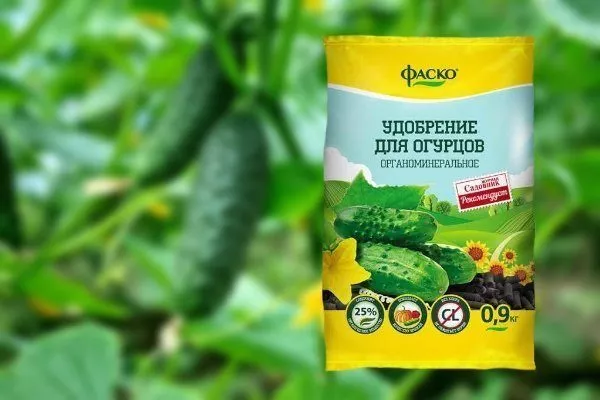
What fertilizers should I use to feed cucumbers?
To be able to choose from a variety of sources containing components of varying types and compositions, you need to know what types of fertilizers there are, their composition and advantages, and the appropriateness of applying them during different stages of cucumber growth.
- ✓ The optimal soil pH level for cucumbers should be in the range of 6.0-6.5.
- ✓ The soil must have good drainage to avoid water stagnation.
Fertilizers are divided into groups based on differences in production methods, chemical composition and form, and the specific action of the substances they contain. Fertilizers are classified as:
- organic;
- mineral;
- complex.
Organic
| Name | Fertilizer type | Nitrogen content | Phosphorus content | Potassium content |
|---|---|---|---|---|
| Compost | Organic | High | Average | Low |
| Manure | Organic | Very high | Average | Low |
| Bird droppings | Organic | Very high | High | Average |
| Green manure (green manure) | Organic | Average | Low | Low |
| Bone meal | Organic | Absent | High | Low |
| Wood ash | Organic | Absent | Average | High |
| Peat | Organic | Low | Low | Low |
Organic fertilizers are naturally occurring, making them safe for humans and animals. They are produced by the vital processes of animals and plants, making them inexpensive or even free.
Once applied to the soil, organic matter requires time to decompose, releasing micronutrients and macronutrients. However, this type of fertilizer also lasts longer and doesn't require additional nutrients. Furthermore, the decomposition process is associated with the activity of bacteria, which have a beneficial effect on the absorption of nutrients by the cucumber root system.
The use of organic matter makes the soil more structured: loose, light, and able to efficiently pass air and water through.
The most common organics include:
- Compost -These are rotted plant remains from crops and food scraps. The components are laid out in layers in a compost pit, sprinkled with peat, manure, and soil. It's advisable to water the pit to activate the process. The minimum time required for compost to "mature" is 6-7 months.
This type of fertilizer contains large amounts of nitrogen, calcium, and phosphorus. In a semi-rotted state, it can be used forsoil mulching.
Keep in mind that compost in this state contains excess nitrogen but insufficient magnesium and calcium. Therefore, it's best used in beds with cucumbers, zucchini, and cabbage, rather than radishes, beets, and other nitrate-accumulating plants.The main disadvantage of using compost is that it contains weed seeds, pathogens, and the possible presence of pests, such as mole crickets.
- Manure -The most common type of organic matter. It can only be used if it's well-rotted. This condition is important because fresh manure contains infections, pests, and weed seeds. As it decomposes, it releases a large amount of heat, gas, and nitrogen. This is detrimental to plants, although these conditions are necessary in optimal doses.
Fertilize the soil with manure no more than once every 5 years, during the fall tillage. Apply 4-5 kg per 1 square meter of the plot. Cow manure acidifies the soil, so choose organic horse manure or apply lime.When using manure as a fertilizer for planting holes, ensure that the roots do not come into contact with it to avoid burning.
- Bird droppingsSimilar in composition to complex chemical fertilizers, it contains nitrogen, potassium, magnesium, phosphorus, and bacteriophages that destroy harmful bacteria in the soil. Due to its high uric acid content, bird droppings should be diluted 1:2 with peat, sawdust, or compost. Otherwise, it can cause burns to plants.
This type of organic matter is applied as a primary fertilizer during tillage. The application rate is 5 kg per square meter, every 3-4 years. Dry or liquid application is also possible as a supplementary fertilizer in spring and summer. Dissolve 1 part manure in 20 parts water and water the furrows between rows, covering them with soil afterward, or distribute it during weeding and loosening at a rate of 0.2-0.4 kg per square meter of the bed. - Green manure (green manure) — the most accessible form of organic fertilizer. This type of organic matter not only replenishes soil micronutrients but also loosens the soil, prevents erosion and wind-blown topsoil, reduces weed growth, and increases worm populations.
The optimal use of green manure is not to dig the soil along with it, but to cut the green manure plants at the bud stage and use them as mulch on the soil surface. This way, the remaining root system will provide nutrition as it decomposes, and the mulched stems will retain moisture in the soil, enriching it with micronutrients as they gradually decompose.Plants in this group include cereals, mustard, clover, lupine, and legumes. Growing oats as a green manure is discussed. here.
- Bone mealBone meal is obtained by processing cattle skeletons. It contains large amounts of calcium and phosphorus, but lacks nitrogen, which explains its use to reduce soil acidity. Excellent nutrition is achieved by mixing bone meal and compost. The release of nutrients lasts quite a long time, so a single application of 200-300 g per square meter is sufficient for the entire season.
- Wood ash Rich in potassium, phosphorus, magnesium, iron, boron, molybdenum, manganese, and other elements, it's used to reduce soil acidity. It's best to add wood ash to heavy soil in the fall and to light soil in the spring.
The composition of wood ash is not identical, but varies depending on the source. Burning sunflower seeds, deciduous and coniferous tree stems, peat, straw, and manure produces ash rich in various microelements. Although this type of organic matter clearly contains calcium, it is considered a potassium fertilizer.
Wood ash does not contain harmful chemical compounds. It also does not contain nitrogen. When mixed with water, the minerals dissolve readily, which has a positive effect on plant health when applied. However, this quality is detrimental when storing ash—containers must be airtight to prevent moisture from rendering the fertilizer useless.
It is preferable to use ash not during digging of the soil, but by spraying it on the surface between rows with subsequent loosening (200 g per 1 sq. m), or in the form of an ash solution (100 g per 10 l of water, with a consumption of 0.5 l for each bush). - PeatIt contains virtually no nutrients, but when mixed with other organic matter, it is an excellent means of making the soil loose, breathable, and able to retain moisture.
Peat should be used when its moisture level is at least 60%, otherwise it will take all the moisture from the soil.Before adding this type of organic matter, leave it in an open area with plenty of air for a month. This will help the aluminum and other metals in it convert into a safe form.
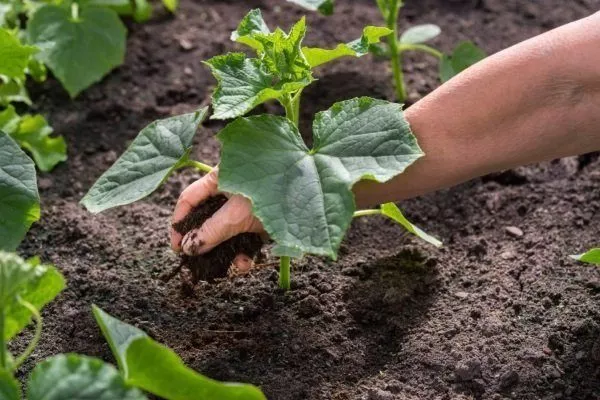
Minerals
Mineral fertilizers are produced through chemical compounds and reactions. Most are highly water-soluble and have a rapid but short-lasting effect on plants. Based on the predominance of a particular element, they are classified as:
- Nitrogen. Nitrogen is the dominant component; for example, urea contains up to 45% nitrogen, while ammonium nitrate contains 34.5%. Application of such fertilizers begins in the spring to stimulate plant growth. When the snow melts, the fertilizer can be spread over the soil surface. The moisture will dissolve it and transport it to the plant-accessible soil layers.
Using nitrogen fertilizers in the fall is not advisable due to the rapid evaporation of the element; they will not bring any benefit, only additional costs.Which is better: urea or ammonium nitrate? Read about it on our website.
Keep in mind that nitrogen fertilizers are the most dangerous of all fertilizers. If applied in excess, plants will accumulate nitrates within themselves and their fruits. This is dangerous for both humans and animals when used as food.
- Potassium Mineral fertilizers include potassium chloride, potassium sulfate, and potassium salt. They can be used both during autumn plowing and in the spring and summer to correct potassium deficiency in the soil. Potassium sulfate is optimal for cucumbers, as it does not contain chlorine, sodium, or magnesium.
- PhosphorusMineral fertilizers affect the taste of developing cucumber fruits, help the plant cope with various diseases, and strengthen the immune system. The most common fertilizers of this type are superphosphate and phosphate rock.
Complex
| Name | Fertilizer type | Nitrogen content | Phosphorus content | Potassium content |
|---|---|---|---|---|
| Nitroammophoska | Complex | High | High | Average |
| Nitrophoska | Complex | Average | Average | Average |
| Ammophos | Complex | Average | High | Low |
Complex mineral fertilizers contain the main components (nitrogen, potassium, phosphorus) in varying proportions, enriched with additional elements. These fertilizers are produced by mixing single-component fertilizers together or through complex chemical reactions. These mixtures strengthen plants, helping them grow and develop efficiently.
- Before planting: apply phosphorus fertilizers to develop the root system.
- During the growing season: Use nitrogen fertilizers to stimulate leaf growth.
- During flowering and fruiting: apply potassium fertilizers to improve the quality of the fruit.
The most widely used complex fertilizers include:
- NitroammophoskaContains equal amounts of nitrogen and phosphorus. Suitable for autumn application to heavy soils and spring application to light soils.
- Nitrophoska Contains all three essential elements. Suitable for all crops and soil types. It can be used from spring until fruiting. After this feeding, cucumbers become more resistant to diseases and pests.
- Ammophos It is often used not only in open ground but also in shelters. It contains all the essential elements along with sulfur. Its advantage is the absence of chlorine and sodium.
When and how to apply fertilizers correctly?
The timing and amount of fertilizer application determine not only their effectiveness but also the potential damage they may cause. Therefore, the application of primary or supplementary nutrients should be done in accordance with agricultural practices, the time of year, and application rates. Otherwise, an excess of minerals in the soil, as well as a deficiency, will lead to a negative, opposing effect.
Autumn site preparation
When tilling the soil in the fall, it's advisable to use organic fertilizers, as optimal release and accumulation of beneficial micronutrients requires time, moisture, and soil. Therefore, using manure, humus, and chicken manure can maximize the fertilization effect when planting cucumbers in the spring. Ash and bone meal are used at this time to reduce soil acidity.
Potassium mineral fertilizers are applied in dry form in the fall at a rate of 30 g per 1 sq. m, and phosphorus fertilizers at a rate of 50 g per sq. m.
When landing
At planting cucumber seedlings They use a method of fertilizing the planting holes. A mixture of straw and rotted manure or humus is placed at the bottom. A layer of soil is poured on top to prevent the root system from having direct contact with the organic matter.
You can apply liquid fertilizer based on wood ash or mineral fertilizers 10-15 days before planting cucumbers. To do this, dilute a cup of ash in 10 liters of water, or dissolve 20 g of urea, 30 g of superphosphate, and 10 g of potassium chloride in 10 liters of water. Pour the solution 0.5 liters into prepared holes or distribute it evenly throughout the bed.
After emergence
After planting cucumbers, stop using organic fertilizers if they were used during soil preparation. After the first 2-3 leaves appear, or after the seedlings have taken root and adapted, feed the plants with a mineral nutrient solution. To do this, dissolve the following ingredients in 10 liters of water and water the seedlings at a rate of 0.5 liters per plant:
- superphosphate - 20 g;
- urea - 10 g;
- potassium sulfate - 10 g.
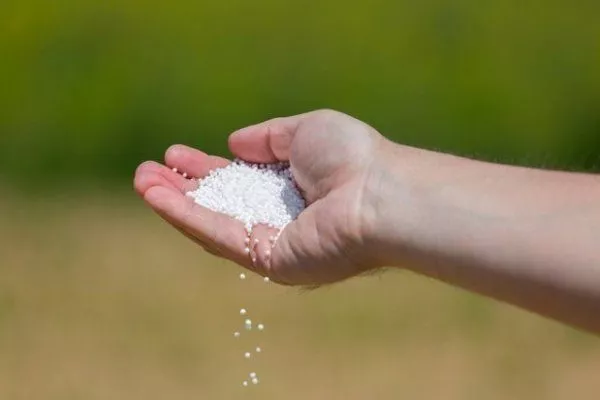
Root feeding during flowering and fruiting
Ten days after the first feeding, before or during flowering, apply the next fertilizer application. You can use ready-made complex mixtures and solutions or prepare your own. For example, mix:
- ammonium nitrate - 10 g;
- superphosphate - 10-15 g;
- potassium salt - 15 g;
- water - 10 l.
After 10 days, at the beginning of fruiting, feed the cucumbers again with a similar composition.
It's best to stop adding organic and mineral fertilizers two weeks before harvesting cucumbers. This will ensure their eco-friendliness and nitrate-free composition.
Foliar feeding
Foliar feeding of cucumbers involves spraying the crop with weak solutions of mineral fertilizers or organic matter. This is most often necessary during cold, damp weather, when the root system is not fully functional. Absorption of mineral compounds through the leaves and stems produces a very rapid effect.
This type of feeding should be done early in the morning or after sunset to prevent sun rays from burning the greenery. It's best to choose a day without precipitation. The nutrient solution is distributed over the surface of the cucumbers using a spray bottle.
Folk remedies
In addition to mineral fertilizers and organic matter, there are traditional methods of feeding cucumbers, which provide additional nutrition and prevent disease and pests.
Top dressing with ash solution
During the flowering and fruiting periods, cucumbers experience a deficiency of potassium and phosphorus. Ash fertilizer can help. Take 3 tablespoons of wood ash per liter, mix thoroughly, and let it sit for 2 days. This solution can be applied either to the roots (0.5 liters per plant) or foliarly. Strain the solution for spraying.
Ash treatment can be applied every 10 days. This fertilizer boosts cucumber immunity, improves their growth, increases the number of ovaries, and enhances the taste of the fruit.
Yeast feeding
Yeast feeding has a beneficial effect on cucumbers thanks to the fungi it contains. These kill pathogenic microorganisms and increase the number of beneficial bacteria. This makes the soil looser, and the root system absorbs nutrients more easily.
Take 100 g of fresh yeast and dissolve it in 1 liter of warm water. Then bring the volume up to 10 liters and water the cucumbers. The fertilizer application rate is 1 liter per plant. This yeast solution cannot be stored. However, if you add a few tablespoons of sugar to the mixture before diluting, you can let the solution ferment for a couple of days, then dilute it and feed the plants. You can use not only water but also whey or sour milk as a base for dilution.
To prepare a granulated yeast fertilizer, add 10 grams of granulated yeast to 5 liters of water, add 2-3 tablespoons of sugar, mix well, and apply the fertilizer. You can apply this fertilizer 3-4 times per season, spaced 3-4 weeks apart.
Honey feeding
To boost cucumbers' resistance to disease and attract pollinating insects, you can spray the plants with a honey solution. Add 1 tablespoon of honey to every liter of warm water. After the solution has cooled, spray the green foliage of the cucumbers with a spray bottle.
It's best to choose early morning for the procedure when there's no forecast for precipitation. If it rains, it's best to reschedule the procedure, as it will be of little use.
Use of iodine
Iodine affects cucumbers, protecting them from diseases and repelling pests. It creates and maintains healthy growing conditions and boosts plant immunity. This remedy can be used in several ways:
- Dilute a few drops of antiseptic in a bucket of water and water each cucumber bush.
- If root rot is present, dilute iodine with water in a 1:1 ratio and apply it to the 15 cm above-ground portion of the plant stem. Repeat the procedure twice a day for 2-3 days.
- For foliar feeding, add 2 liters of milk and 10 drops of iodine to 8 liters of water. Spray the mixture onto the cucumber foliage.
Onion peel infusion
An infusion made from onion peels not only fertilizes cucumber crops, but also boosts plant immunity and reduces the risk of infection and pest attacks.
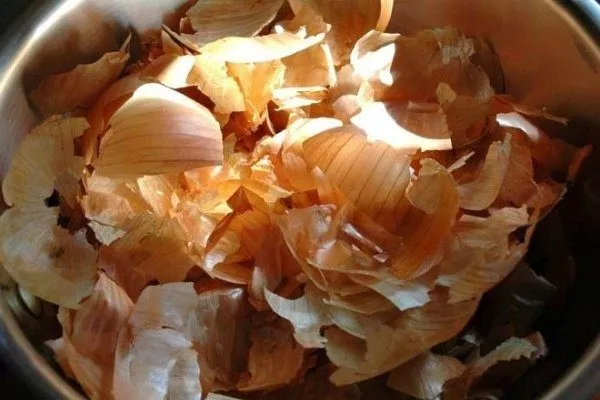
Add a handful of peels to 1.5 liters of water, bring to a boil, and let it cool and steep. Then dilute the infusion with water to bring the total volume to about 5 liters. Pour this mixture over the cucumbers, repeating the process every 2-3 weeks.
How to feed cucumbers in special cases?
It sometimes happens that all agricultural practices are followed correctly, yet cucumbers fail to grow, the foliage fades, and the plants wilt. This is often due to a deficiency or excess of micronutrients in the soil. It's worth analyzing the total amount of nutrients applied and, based on this, drawing conclusions and taking the necessary measures.
They grow poorly
To accelerate cucumber growth, it is recommended to apply nitrogen-containing fertilizers and boron. This can be either a single-component fertilizer or a complex one. An ash or yeast solution is also an excellent solution.
If the leaves turn yellow
Yellowing leaves can be caused by too much sun and sunburn, or by a lack of nutrients in the soil. To address this issue, water the cucumbers with a baking soda solution: add 1 heaping tablespoon of baking soda to a bucket of water.
A solution of 1 liter of kefir in 10 liters of water will also help. Spray the plants with this mixture using a spray bottle. You can also dilute 1 tablespoon of complex fertilizer in 7 liters of water and water the plants.
Pale cucumbers
This defect is most often caused by overcrowding, insufficient light, and nitrogen deficiency. If the fruit is pale, it is recommended to feed the cucumbers with Novalon Foliar at a rate of 1 g per plant or urea at a rate of 1 tablespoon per 10 liters of water.
Right after the cold weather
Sudden temperature fluctuations negatively impact the growth and fruiting of cucumbers. To prevent disease, stop watering the plants and apply foliar treatment with whey—dilute 3 liters of the product in 7 liters of water, adding 5 g of copper sulfate.
How to avoid mistakes when applying fertilizers?
Mistakes in applying fertilizers can lead to serious problems instead of positive results. Therefore, when applying fertilizers, keep the following rules in mind:
- Avoid using wood ash and nitrogen fertilizers at the same time. This can kill cucumbers from the release of large amounts of ammonia.
- Apply all fertilizers after watering to protect the root system from burns and other negative effects.
- Carry out root fertilization work in the evening, and foliar fertilization work before or after sunset.
- Avoid severe nutrient deficiencies or excesses in the soil.
- Do not use mineral compositions after the expiration date or if they have been stored improperly.
To achieve a bountiful cucumber harvest, it's important to apply various types of fertilizers correctly and in a timely manner. Their variety, availability, and price range offer gardeners a wide range of options. Following certain guidelines during the process will ensure positive and rapid results, including healthy cucumbers and a large number of fruit sets.