
Podarok cucumbers are a reliable choice for those seeking a bountiful harvest with minimal effort. Their versatility, high yield, and excellent flavor make them popular among both novice and experienced growers. To boost immunity, ensure good fruit production, and improve the quality of the cucumbers, ensure proper care.
Introduction to the variety
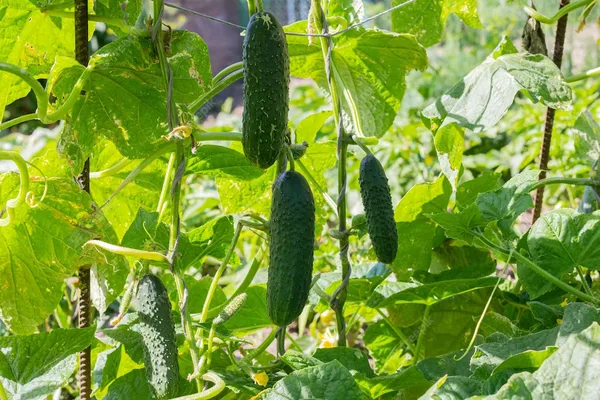
The crop deserves its symbolic name. The variety boasts numerous advantages, particularly its ease of care and the excellent quality of its cucumbers. For successful cultivation throughout the season, it's important to follow the recommended growing practices.
History of origin
The hybrid was bred relatively recently, in 2007, thanks to the efforts of breeders Klimenko N. N., Chistyakova L. A., Maksimov S. V. and Baklanova O. V. It was included in the State Register and approved for mass use in 2015.
Characteristics of the appearance of the plant and cucumbers
The growth habit is determinate. The bushes are characterized by a medium height, short stems reaching approximately 150 cm in length, and weak branching. The shoots are covered with small emerald-colored leaves.
Taste and purpose
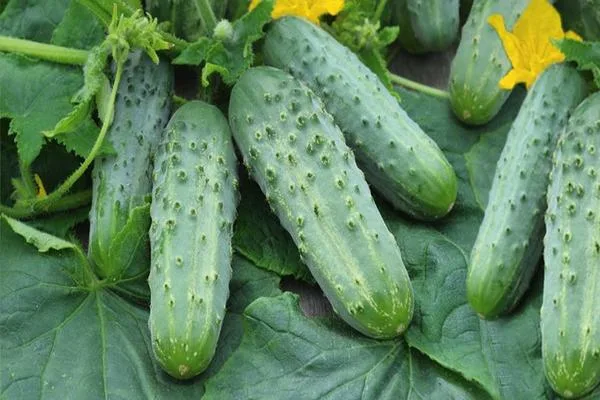
Cucumbers are eaten fresh and used in salads. They have a pleasant flavor with subtle sweetness and crisp flesh.

Ripening times and yield volumes
This early-ripening variety begins bearing fruit in just 38-39 days after germination. The yield is high: up to 5.5 kg can be harvested per square meter of planting.
Soil requirements
When planning your planting, choose fertile soil with a neutral pH. Light sandy loam or loamy soils are ideal.
Necessary climatic conditions
Gift is a heat-loving hybrid: the air temperature for growing should be at least 14°C. Protect the plantings from drafts. If all agricultural practices and recommendations are followed, the crop will produce an excellent harvest throughout the season.
Advantages and disadvantages
This hybrid cucumber variety grows equally well both outdoors and in greenhouses. It can also be grown in pots on balconies, producing a bountiful harvest.
Advantages:
The variety has one drawback - susceptibility to certain diseases;
Landing features
The crop prefers sunny locations and mineral soil. Choose well-lit areas for cultivation. Plant in areas previously occupied by corn, cabbage, beets, or peas.
- ✓ The soil temperature for planting seeds must be at least +14°C, which is critical for preventing stress in plants.
- ✓ The concentration of copper sulfate solution for soil treatment should be 5 ml per 10 liters of water to avoid chemical burns to plants.
Planting dates
Planting should take place in the spring, in April. In southern regions, plan the process a few weeks earlier, closer to mid-March.
Site preparation
Podarok is a heat-loving variety, so in colder areas, create heated beds. Follow these recommendations:
- In the fall, dig up the area, remove all weeds, then add minerals, plant residues, and manure to the soil. This is essential for enriching it.
- After applying fertilizer, cover the soil with a layer of earth and leave it like that for the winter.
Before planting, loosen the top layer of soil and treat it with boiling water and copper sulfate (90°C). For a solution, use 5 ml of copper sulfate per 10 liters of water. This treatment will create optimal conditions for cucumber growth.
Planting seeds
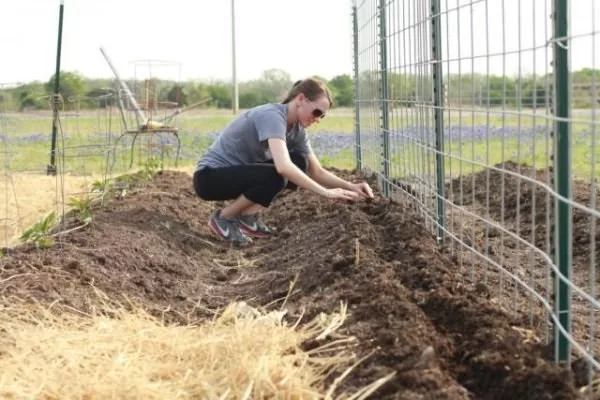
Before planting, disinfect the seeds by soaking them in a potassium permanganate solution for 30 minutes. Plant the seeds after the last frost. If the beds are covered with plastic, plant the seeds when the soil temperature reaches 14°C.
Planting seedlings
To speed up harvesting, grow seedlings first. Keep the seeds near a radiator for a month. Soak them in water for 2 hours before planting.
Place the seedlings in cloth bags and soak them in the ash solution for 12 hours. Then rinse them with water and place them on a damp cloth for 48 hours to allow them to swell and begin to germinate. Once the seeds have sprouted, refrigerate them for 24 hours.

Planting diagram
Plant up to 4 bushes per square meter. Plant at a depth of 5 cm, space 50 cm between plants, and 100 cm between rows.
Care
Although Podarok cucumbers are easy to grow, they require simple cultivation techniques. This determines their yield.
Watering
Watering is a key component of cucumber care. Cucumbers have a shallow root system, making them particularly sensitive to moisture stress. Follow these recommendations:
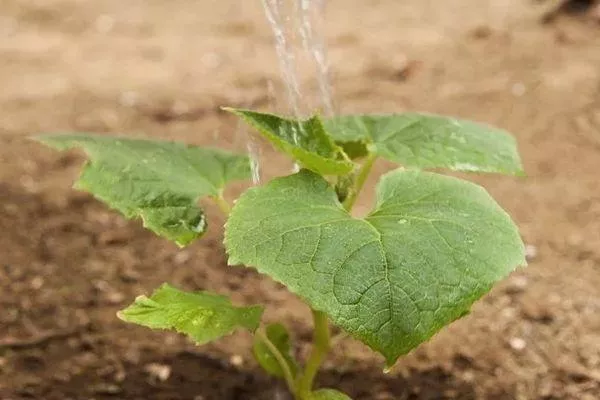
- Water the plant 2-3 times a week. Keep the soil consistently moist, but not overwatered, to prevent root rot. In hot weather and strong sunlight, increase the frequency to prevent drying out.
- Use warm water, as cold water can stress plants, slowing their growth and development. Warm the water in the sun when planting outdoors, and use room temperature water indoors.
- Use a drip irrigation system for even water distribution. Water the bushes directly at the roots to avoid splashing onto the leaves, which can lead to fungal diseases.
After watering, gently loosen the soil around the bushes to ensure oxygen reaches the roots and improve water permeability. This will help prevent crusting on the surface.
Garter and shaping of bushes
Because the Podarok vines grow quickly, they require timely staking. To do this, string a wire or strong rope at a height of about 170 cm. Then lower it down to the seedling and wrap the stem around it several times, securing the plant securely.
Top dressing
Fertilize seedlings twice per season. Apply the first feeding two weeks after germination, and the second one a week later. To prepare a nutrient solution, dissolve 20 g of urea in 6 liters of water. Use 200 ml of the resulting solution for each seedling.
Hilling
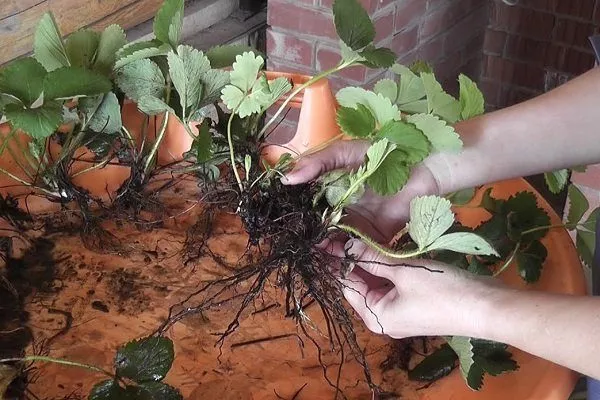
Experienced gardeners do not recommend hilling cucumbers, as their roots are located close to the surface and spread along the ground, which increases the risk of damage.
Diseases and parasites
The crop is resistant to pests, but it can be susceptible to certain diseases. It's important to address them promptly:
- Alternaria. Reduces crop yields. Leaves become covered with small, dry spots, and the fungus thrives in high humidity and warm climates. To combat the disease, use Bravo, Poliram, and copper oxychloride solutions.
- Root rot. The plant is affected in patches. Symptoms appear immediately after replanting: cracks appear on the stem, the roots darken and become soft, and the leaves turn yellow. For treatment, use chalk, ash, charcoal powder, and chemicals such as Previkur and Gamair.
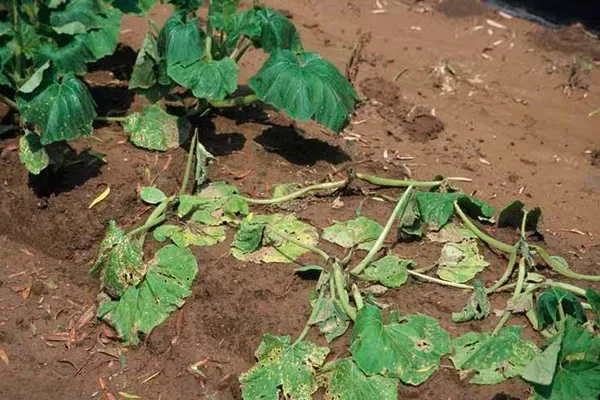
- Bacteriosis. Angular brown spots appear on the leaves, which can appear oily in high humidity. The underside of the leaf becomes covered with a yellow slime, and the green leaves develop ulcers filled with a cloudy fluid. For treatment, use Cuproxat and Champion.
Regularly inspect the plant for diseases so that treatment can begin immediately and prevent death.
Harvesting and storage
Choose a cool place to store cucumbers. They will keep for several days in the refrigerator. For longer storage, use a dark, well-ventilated area, such as a cellar or basement.
Reviews
Podarok cucumbers have gained popularity among gardeners due to their excellent characteristics and ease of cultivation. This hybrid variety combines good productivity, excellent flavor, and adaptability to a variety of growing conditions. With proper care, it can strengthen the plant's immunity and increase yields.