
The Platosha cucumber is the result of domestic breeding efforts. It exhibits virtually all the best qualities of an ideal variety—early ripening, good yields, and delighting gardeners with its excellent taste.
Who bred the Platosha variety?
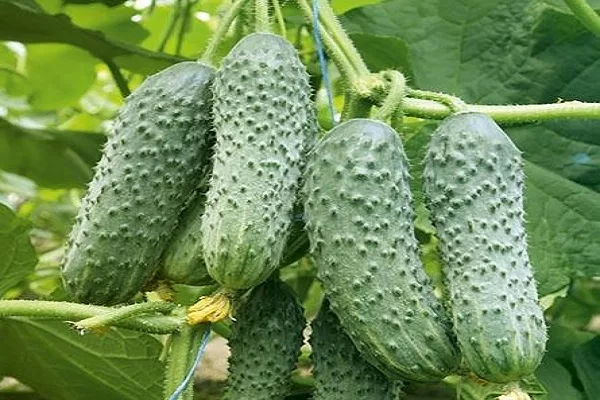
The Platosha F1 cucumber is a hybrid variety and a new addition to Russian breeding. It was developed by a Russian breeder and approved for cultivation in 2022. Author: V. I. Blokin-Mechtalin
Description of the plant and fruits
The Platosha hybrid plant is medium-sized, indeterminate, and grows throughout the entire growing season.
The bushes are well-branched, with medium-sized, standard green leaves. The flowering type is female, with 4-5 flowers per cluster.
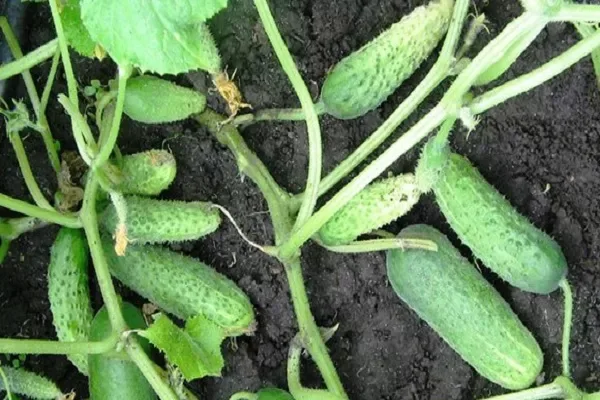
The fruits are cylindrical, reaching 2.5-3 cm in diameter. The maximum length of ripe fruits is 9-12 cm. One cucumber weighs 80-100 g. The skin is green with medium-length stripes. The surface is bumpy, with white spines.
Taste and purpose
The hybrid is intended for salad use; it has excellent taste qualities, no bitterness, crunchy flesh and a rich cucumber aroma.
Platosha cucumbers are delicious fresh, in salads, and in other dishes. This variety is also suitable for pickling, salting, and canning.
Main characteristics
Platosha is a parthenocarpic variety, meaning it doesn't require pollinating insects to produce fruit. It's early maturing, with the first fruits ripening in about 40 days from germination.
The hybrid is versatile in every way; it's not only suitable for any purpose but can also be grown in a wide range of conditions. It thrives both outdoors and in greenhouses, whether made of film, glass, or polycarbonate.
Pros and cons of the Platosha variety
The Platosha F1 hybrid cucumber has many advantages that gardeners appreciate. Before planting this hybrid in your garden, it's worth familiarizing yourself with all its advantages and disadvantages.
Main advantages:
No particular disadvantages were found in the Platosha variety.
Landing features
The Platosha variety thrives in both full sun and partial shade. It performs best in plastic or polycarbonate greenhouses. It can be grown either by direct seeding or from seedlings.
- ✓ The soil pH level should be between 6.0-7.0 for optimal cucumber growth.
- ✓ The depth of the fertile layer should be at least 30 cm to ensure sufficient nutrition of the root system.
Landing features:
- To ensure the soil is loose and fertile, preparation begins in the fall. First, all plant debris is removed from the area, then fertilizers—organic and mineral—are spread, and then the soil is dug to a depth of 30 cm.
- The soil should be permeable and loose. To achieve this, add sand in addition to compost if the soil is heavy and clayey. The optimal pH is neutral or slightly acidic. If the soil is excessively acidic, add wood ash, slaked lime, or dolomite flour.
- It is recommended to germinate seeds before sowing them in the ground or for seedlings. They usually don't require any other treatment—hybrid seeds are sold pre-treated and disinfected. Sowing in the ground occurs from mid-April to June, depending on the regional climate.
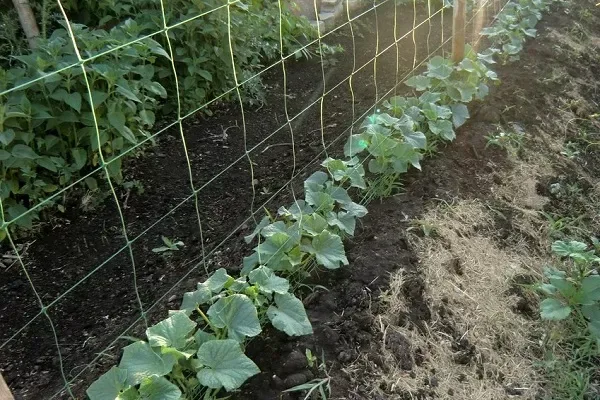
- For seedlings, sow seeds a month before planting. It's recommended to sow them in individual cups, or even better, in peat pots, which are then planted in the ground along with the seedlings. The optimal planting pattern is 70 x 30 cm.
Care instructions
The quantity and quality of the harvest largely depends on the quality of care, which must be proper and regular. Missing a couple of waterings can cause irreparable damage to the plants.
How to properly care for cucumbers:
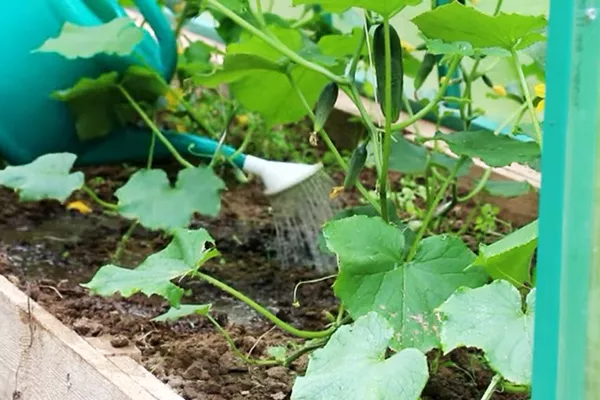
- It is recommended to water the beds with settled water, heated in the sun to 24–27°C. This is done to avoid the risk of disease—cold water promotes the development of fungal infections and various types of rot.
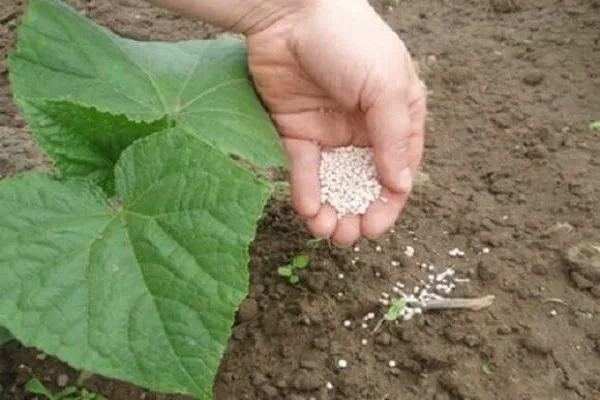
The best time to water outdoors is morning; in greenhouses, evening. Watering frequency depends on weather conditions and the growing season. It increases during fruiting, hot weather, and drought. Under normal conditions, watering frequency is once every 2-3 days. - Fertilizers are applied several times per season, either root or foliar. It is recommended to alternate organic fertilizers (diluted cow manure or chicken manure) with mineral fertilizers (urea, ammophoska, etc.). Wood ash, herbal decoctions, and infusions are also recommended.
Fertilize cucumbers every 12-14 days, always before watering. However, if spotting appears at the base of the shoots, temporarily stop fertilizing. - Every 3-4 days, the cucumber beds are loosened and weeded. It's important to prevent the formation of a hard crust that prevents oxygen from reaching the roots. Removing weeds is also essential—they not only absorb the nutrients applied to the cucumbers but also attract insect pests.
- The hybrid is parthenocarpic, so it grows rapidly and is heavily branched. To form bushes, it is recommended to remove all shoots at the base of the stem, from the first to the fourth node. Any yellowed leaves that appear here are subsequently removed.
From the 5th to the 7th leaf, runners and side shoots are removed. This is where the first fruits form. From the 8th to the 10th leaf, only the runners are trimmed, and the side shoots are pinched off, leaving one leaf and ovary. From the 11th to the 13th leaf, two leaves and two ovaries are left on the side shoots. And so on in ascending order—three, four ovaries and leaves—all the way to the top layer.
Pest and disease control
The Platosha hybrid is resistant to most common cucumber diseases, particularly cucumber mosaic virus, brown olive spot (cladosporiosis), and powdery mildew (common and downy). This hybrid variety is also resistant to pests.
- ✓ Resistance to cucumber mosaic virus and brown olive spot.
- ✓ Parthenocarpic flowering type, does not require pollination.
Under unfavorable circumstances (bad weather, violation of agricultural practices, etc.), the risks of damage by diseases or insect pests increase many times over.
The greatest danger for the Platosha variety is:
- White rot. It occurs due to excessive moisture, as well as when using cold water for irrigation. The disease is accompanied by the appearance of white growths on young shoots. For treatment, I use Gamair, Thanos, or similar products.
- Root-knot nematode. These small parasites thrive in poorly cultivated soils. They settle on roots, forming growths called galls. As a result, plants wilt, losing leaves and fruit buds. To kill nematodes, use Nebakat, and thoroughly disinfect the soil.
- May beetle. The insect feeds on cucumbers both as a larva and as an adult. Its spread is enhanced in warm and humid weather. Bazudin or similar products are used to control this pest. As a preventative measure, lupine, mustard, and clover are planted near cucumber beds. The beetles are collected by hand at midday, when they are inactive.
Harvesting and storage of crops
Harvesting begins as soon as the first fruits reach maturity. Fruits should not be allowed to ripen too much. Firstly, they lose their marketability and flavor, and secondly, they inhibit the development of new ovaries and fruits.
In the temperate zone, the first cucumbers ripen in the third ten days of June. The Platosha hybrid is characterized by mass and uniform ripening, making it ideal for preserves and commercial cultivation. At peak fruiting, cucumbers are harvested virtually daily.
It's recommended to harvest cucumbers in the morning or evening, after watering. Fruiting continues until mid-September. Cucumbers are best stored in perforated wooden boxes. The optimal storage temperature is +4°C. Under these conditions, the fruits can remain fresh for up to 5 days.
Reviews
The Platosha hybrid is the perfect choice for lovers of versatile cucumbers. This promising salad variety is suitable for all occasions, and can be used for canning, growing for home use, and selling. It possesses all the qualities that gardeners and farmers value in this crop—Platosha is productive, tasty, and easy to grow.