
The Picnic cucumber is considered one of the most popular parthenocarpic varieties. This hybrid is prized for its high yield and excellent flavor. Despite its demanding care, the Picnic variety is firmly among the top five most popular varieties among our gardeners.
The history of the Picnic variety
The hybrid variety "Piknik" was developed by Russian breeders. It was registered in the State Register in 2003. The cultivar's originators are Gavrish Breeding Firm LLC and the Research Institute of Vegetable Crops.
Description of the plant and fruits
The plant is vigorous, indeterminate, and medium-branched. The leaves are medium-sized, green, smooth-surfaced, and have irregularly serrated edges.

The shoots are quite foliated. The flowers are female. The fruits are short, gherkin-shaped, and gathered in bunches. Each bunch contains 3-5 cucumbers.
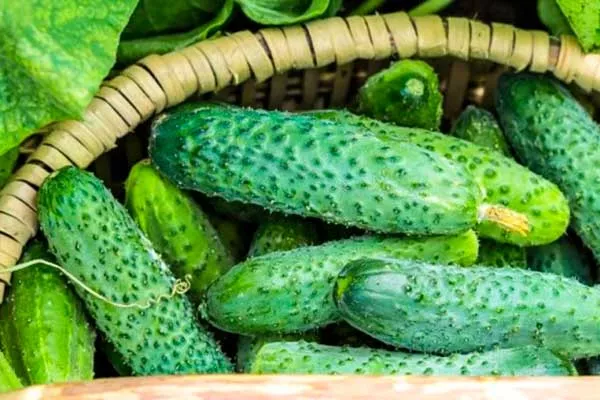
Description of fruits:
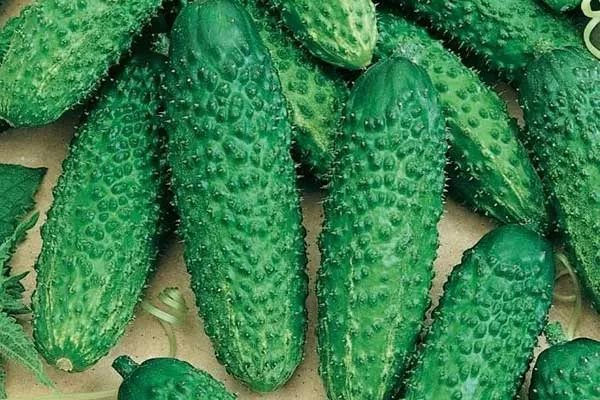
- length - 10-12 cm;
- weight - 90-100 g;
- shape - cylindrical;
- color - dark green with stripes up to 1/3 of the fruit;
- the skin is thin and tender;
- The surface is slightly bumpy, the spines are white.
- ✓ The fruits have a genetically determined absence of bitterness, which is not typical for many other varieties.
- ✓ Plants demonstrate increased resistance to sudden temperature changes during the day.
Taste and use of fruits
The fruit has excellent flavor, with a rich, cucumber-like aroma. There's no bitterness at all. The flesh is crunchy, with a pleasant, refreshing taste.
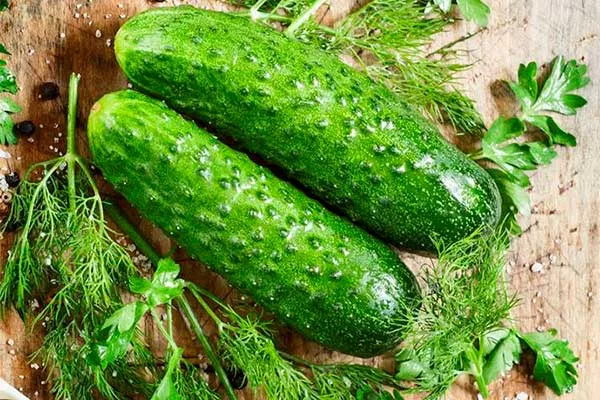
The fruits have versatile culinary uses and can be used in a variety of dishes. Small cucumbers are easy to pickle and preserve.
Main characteristics
Cucumber Picnic is a parthenocarpic hybrid with female flowers that are capable of forming fruits without pollen.
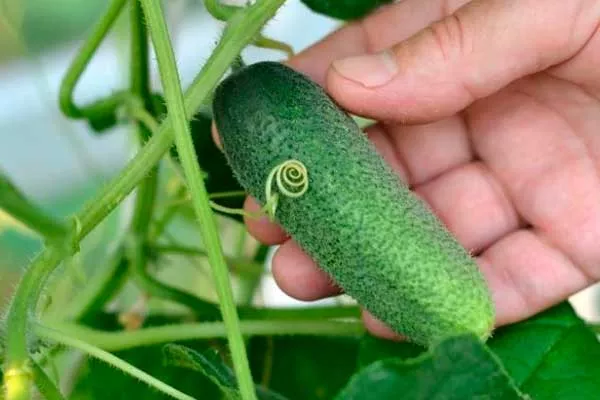
It belongs to the early-ripening group, with 42 to 45 days from germination to fruiting. On average, 11-12 kg of cucumbers are harvested per square meter.
Pros and cons
The Picnic hybrid is popular with gardeners and summer residents for good reason. It has so many advantages that vegetable lovers are willing to put up with all of this variety's shortcomings. However, these are very few, and they are rather relative.
How to plant correctly?
Cucumber Picnic can be grown from seeds or seedlings; sowing or planting is done directly into the ground or under a film cover.
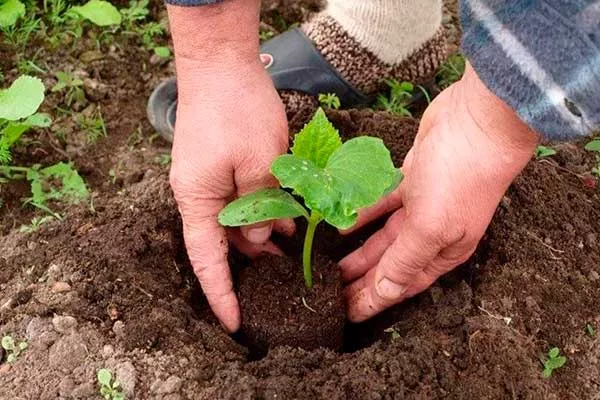
Landing features:
- Choose a warm, sunny site for planting, free from drafts and strong winds. Low-lying areas where water accumulates are not recommended for cucumbers.
- Seeds for seedlings are sown approximately one month before they are expected to be planted in the ground. In temperate climates, sowing occurs in April, and the seedlings are transplanted into the garden beds in May or early June. Planting time depends on the climate, based on soil temperature, which should reach 14 to 15°C.
- Before sowing, seeds are soaked in a growth stimulant (Zircon, Epin, etc.). Seeds coated with a colored coating do not require treatment.
- The seeds are planted in peat pots or pellets, 2-3 seeds per pot. They are planted 1.5-2 cm deep. The optimal temperature before germination is 25°C, and after germination is 23°C. The seedlings are watered in the evenings using a spray bottle. Water should only fall on the substrate, not on the leaves.
- The soil should be loose, nutritious, neutral or slightly acidic. In the fall, it is dug deeply and mullein is added. In the spring, three days before planting, the soil is deeply loosened and humus, sawdust, or wood ash is added.
- When the seedlings have three leaves, they are ready for transplanting. First, harden them off for several days by regularly taking them outside. Choose a windless, cloudy day for this. Carefully transfer the plants to the prepared holes.
- No more than three cucumber bushes can be planted per square meter. The optimal planting pattern is 50x50 cm. After planting, water the cucumbers with warm, settled water.
- ✓ The soil pH level should be strictly within 6.0-6.5 for optimal nutrient absorption.
- ✓ The organic matter content in the soil should be at least 4% to ensure the necessary looseness and moisture capacity.
Care instructions
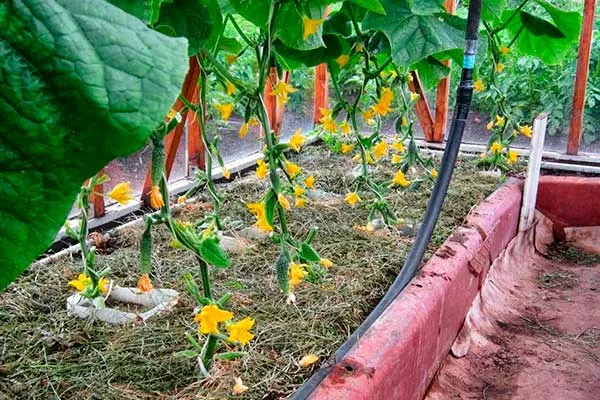
The main drawback of the Picnic variety is its high care requirements. If you want to grow a good harvest of gherkins, you'll have to put in some work.
Care features:
- The crop requires watering every 2-3 days. In hot weather, cucumbers should be watered daily. The best times for watering are morning and evening. Use only warm, settled water. Avoid overwatering, as this promotes fungal diseases. Avoid allowing the soil to dry out completely.
- Organic and mineral fertilizers are used for top dressing. Three applications are made per season. Nitrogen is added in the spring, and potassium and phosphorus are added during flowering and fruiting. Suitable fertilizers include superphosphate, potassium sulfate, potassium nitrate, ammophoska, and nitrophoska.
- After watering, when the soil has dried out slightly, loosen and weed the soil. To avoid having to loosen the beds each time, simply puncture the resulting crust with a pitchfork to allow oxygen to reach the plant roots.
- When the bushes reach a height of 15-20 cm, they are tied to a trellis. The crown of the central shoot is pinched. The side shoots are removed, leaving only 2-3 branches.
Diseases and pests
This variety has high immunity to most common diseases and is virtually immune to powdery mildew and cladosporiosis, but can be susceptible to rot due to frequent watering. A solution of urea, zinc sulfate, and copper sulfate is used to combat this.
The following insect pests pose the greatest threat to the hybrid: aphids, whiteflies, spider mites, and slugs. To combat them, use garlic infusion, a solution of wood ash and soap, and other folk remedies.
For severe infestations, use Fitoverm and other popular insecticides. To repel insects, it is recommended to plant garlic, marigolds, calendula, and lupine near cucumbers.
Harvesting and storage
Cucumbers begin to ripen around mid-June; in greenhouses, the harvest is even earlier, in the second half of May. The fruits are picked in the evenings, once every two days. They are cut with pruning shears, leaving small stems on the fruit.
Store harvested cucumbers, loosely wrapped in cellophane, at a temperature of +8…+10°C. Under these conditions, the fruits remain fresh for about a week.
Reviews
The Picnic cucumber is a high-yielding hybrid that is rightfully one of the most popular varieties in our country and meets all the basic requirements for this crop. However, when choosing this hybrid for planting, it's important to remember that it will require careful and regular care to produce abundant fruit and a high yield.