
The Peking Gourmet cucumber is an excellent choice for those seeking a productive and tasty variety for growing in the garden or greenhouse. Its disease resistance, good yield, and marketable fruit make it suitable for both novice and experienced gardeners. Proper care and attention to specific characteristics will ensure bountiful harvests.
Introduction to the variety
Oriental-style cucumbers have been appearing on the Russian market for quite some time now. They have proven themselves so successful that they are now frequently grown by gardeners across the country. One such interesting variety is the Beijing Gourmet.
Originators
The invention was developed by a group of Russian breeders: S. V. Maksimov, N. N. Klimenko, O. V. Baklanova, and L. A. Chistyakova. These scientists had previously created numerous standard cucumber varieties, but in this case, they decided to develop an Eastern variation of the vegetable.
Modern breeding methods have made the Beijing Gourmet a superior variety to similar ones. The hybrid was approved for use in 2015 after extensive variety testing aimed at improving quality and eliminating deficiencies.
External characteristics of the plant and cucumbers
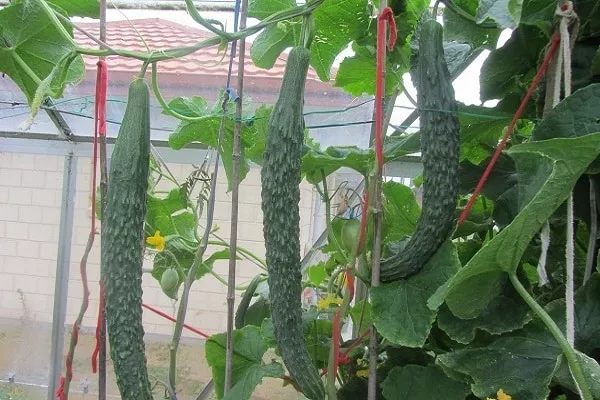
The main stem reaches 150-200 cm in length. Branching is moderate, and the bush is spreading and takes up a lot of space. The leaves are medium to large, velvety to the touch, and dark green in color. The stem is vine-like and rough. This cultivar has a female flowering type, with 1-2 flowers per node.
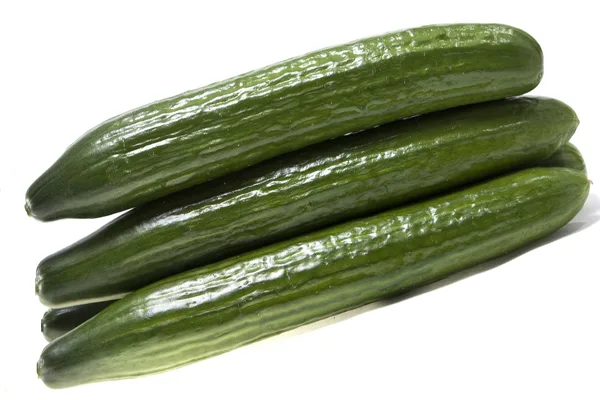
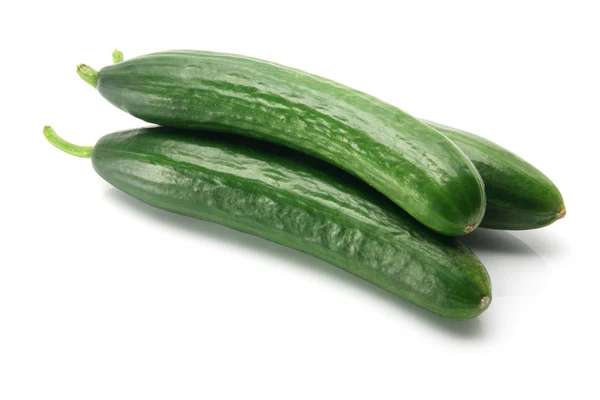
The fruits are the most attractive part of the variety, both in appearance and quality. They are elongated and cylindrical, measuring 33-35 cm in length and weighing between 300 and 350 g.
Taste and purpose
These vegetables have a juicy and vibrant flavor that tasters highly appreciate. They are ideal for eating fresh, as well as for use in salads, pickles, and marinades.
When ripe, the yield
Beijing Gourmet is an early variety, ripening in 44-47 days from germination to full fruit formation. It is highly productive, yielding approximately 12.1 kg of high-quality cucumbers per square meter.
- ✓ The pH level should be between 6.0-6.8 for optimal nutrient absorption.
- ✓ The soil should contain at least 4% organic matter to ensure good structure and water retention.
What kind of soil do you need?
The plant grows well in sandy loam, clay loam, or black soil. The soil should be moderately moist, as the plant loves moisture. Regular loosening of the soil is essential.
How to plant correctly?
Growing large vegetables isn't particularly difficult. The care and planting techniques are similar to those used for regular cucumbers. To get early, tasty green fruits, it's important to follow certain recommendations.
Preparing the soil and planting site
This hybrid is successfully cultivated in various regions of the country. It thrives quickly and produces high yields when planted in a greenhouse. Prepare the soil in advance:
- Choose elevated, well-lit areas without drafts.
- The groundwater level must be optimal to avoid rotting and provide the plant with sufficient moisture.
- Before planting, add fertilizer, preferably organic, to the soil. This will reduce acidity and add essential nutrients.
Begin preparation in the fall, but early spring is also possible. Don't forget to remove any old leaves and plant debris. Use manure, chicken manure, or other organic matter for fertilizer. To help the soil warm up faster, cover the planting area with non-woven fabric a couple of weeks before planting.
How to properly germinate long-fruited cucumber seeds?
Germinating seeds is a key step in growing them. You'll need a saline solution, potassium permanganate or aloe vera juice, a cotton cloth, a plate, and a jar. Follow this procedure:
- Soak the seeds in a salt solution. Those that sink to the bottom are germinating; discard the rest.
- Place the seeds in a solution of potassium permanganate or aloe juice for 15 minutes to disinfect.
- Fold a cloth, place the seeds in it, moisten it and place it on a plate.
Place the plate in a warm place, covering it with a glass jar if necessary. Wait 2-3 days.
Growing seedlings
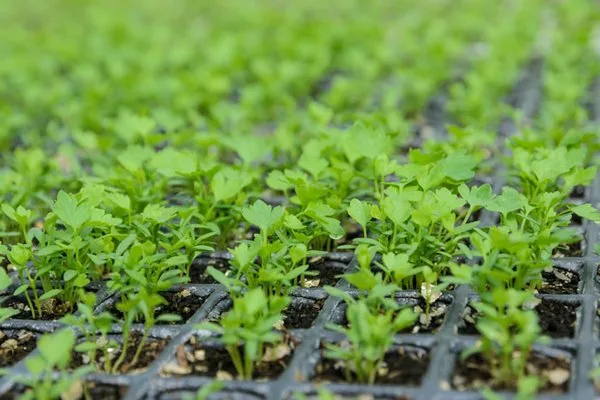
Sow seeds in late March or early April. Use peat or plastic cups for seedlings. Purchase the planting mix from a specialty store or purchase it yourself:
- Mix humus and soil in equal proportions in a bucket, adding 2 kg of washed sand, 500 g of ash and 20 g of superphosphate.
- Mix and fill the pots.
Dry the seeds before planting and plant them 2-3 cm deep. Water regularly and fertilize after the first leaf appears. The room temperature should be 22-25°C, and humidify the air, especially during the heating season.
Care tips
To ensure a good and tasty harvest, it's important to follow proper care. Follow these simple agricultural practices:
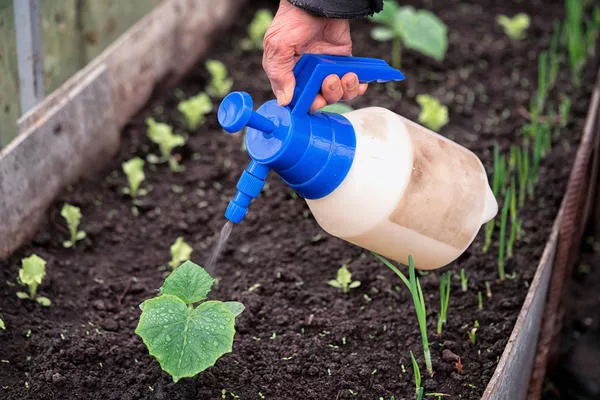
- Watering. The bushes have a fragile root system, so water them carefully to avoid damaging the roots. Perform this procedure early in the morning, using warm (18-20°C), but not hot, water.
If you have access to water from a natural reservoir, this is ideal, as it contains fewer salts and is at the ideal temperature. Otherwise, let the water settle. Provide water under each bush. - Top dressing. Fertilize at the beginning of the growing season, using nitrogen-rich fertilizers for the growth of small and fragile plants. Don't apply any fertilizer during flowering, but two weeks after the first flowers appear, feed the bushes with a potassium-rich fertilizer, such as wood ash.
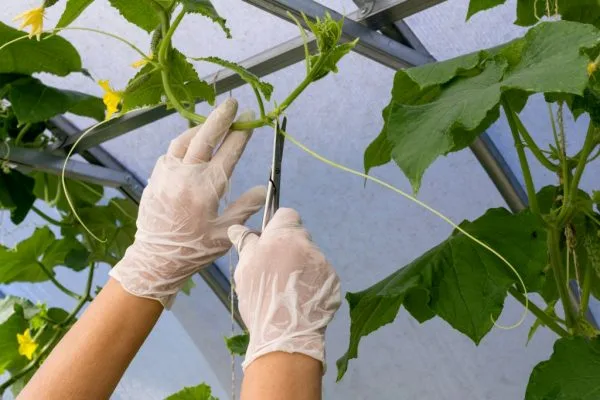
Subsequently, use organic and mineral fertilizers in combination, feeding the crop every 10-15 days. - Formation of the whip. Install trellises and stretch netting or rope in the open ground; in the greenhouse, use a vertical support to tie up the central shoot. As the plant grows, remove lateral shoots, starting at the root, leaving five branches. Tear or cut them carefully to avoid damaging the stem and root.
- Loosening and mulching. Loosen the soil to a depth of no more than 5 cm. After watering, if the roots become exposed, carefully hill them up.
Mulching helps retain moisture and prevents soil cracking. Use peat moss, shredded grass, sawdust, dry manure, or straw. Mulch improves oxygen access to the roots and prevents soil compaction.
- After 2 weeks from planting, apply nitrogen fertilizer to stimulate growth.
- During the flowering period, use potassium fertilizers to improve fruit set.
- During fruiting, apply complex fertilizers every 10-15 days.
Dangerous diseases and pests
The Beijing Gourmet is resistant to various diseases, including powdery mildew, cladosporiosis, downy mildew, and cucumber mosaic virus. Regular care is essential to maintain health.
Common diseases and methods of combating them:
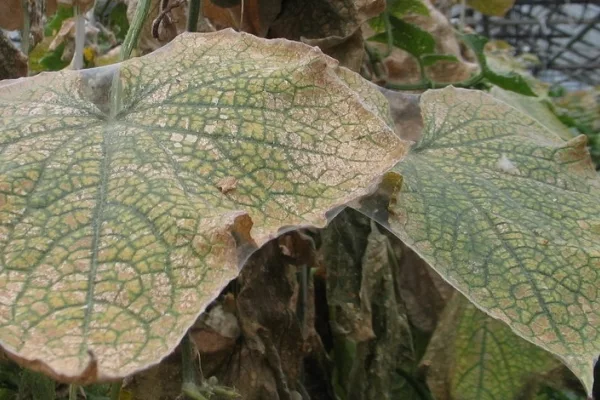
- Late blight (phytophthora). The fungus penetrates the roots. Causes include uncollected organic matter, excessively humid air, and watering with cold water. It manifests as webbing on the leaves, which leads to stunted plant growth.
Treat shoots and leaves with Bordeaux mixture or copper sulfate at the first signs of disease. - Sclerotinia (white rot). It manifests as a white coating on the leaves and stems, mainly due to improper watering. If left untreated, the white slime covers the entire plant. To combat the disease, use HOM, Topaz, and Ordan solutions.
- Ascochyta blight (black rot). It's seed-borne or can be present in the soil. It appears as brown spots on the leaves, which then darken. Treat with Bordeaux mixture and copper sulfate, then with a solution of chalk and copper sulfate.
Preventive measures:
- Maintain distance between plants in the garden bed.
- Monitor the condition of the soil, avoiding excess water.
- Use mulch to reduce the likelihood of weeds and harmful insects.
- If affected, use herbicides or insecticides.
- Regularly inspect the bushes and remove any affected shoots, disposing of them outside the area.
- Use folk remedies such as infusions of garlic and onion peels.
This crop requires care and attention. If you follow these recommendations, diseases and pests will not pose a threat.
How to collect and store correctly?
The first greens appear 35 days after planting in the ground and 45 days after the first sprouts appear. Pick them early in the morning or late in the evening. At this time, they are less susceptible to wilting.
Harvest the vegetables regularly, every 1-2 days, to encourage the plant to continue fruiting. Overripe plants may delay the development of new ovaries. Pick carefully, being careful not to damage the stem or adjacent ovaries. Use scissors or a sharp knife to cut them off with a short stalk.
Positive and negative qualities
The Peking Gourmet hybrid has advantages and disadvantages that are important to consider before planting. Advantages:
Among the negative qualities, gardeners note:
Reviews
Peking Gourmet cucumbers have gained popularity among gardeners thanks to their excellent characteristics and high yields. This hybrid combines the best of traditional varieties and Eastern varieties, offering juicy, large cucumbers with excellent flavor. It's important to take care of the seedlings and provide them with timely care.