
Pasamonte cucumbers are one of the most popular hybrid varieties on the market, winning acclaim from both professional growers and gardeners. They combine the best qualities, including early ripening, abundant yields, and excellent flavor. With proper and timely care, they can strengthen the plant's immune system and increase productivity.
Introduction to the variety
Pasamonte is an early-ripening hybrid that promises bountiful harvests. Its popularity stems from its widespread use among both home gardeners and farmers.
Originators
Developed by the renowned agricultural company Syngenta Seeds BV (Netherlands), it quickly gained popularity in Europe. In 1996, the originators applied for approval for cultivation in Russia.
External characteristics of the plant and cucumbers
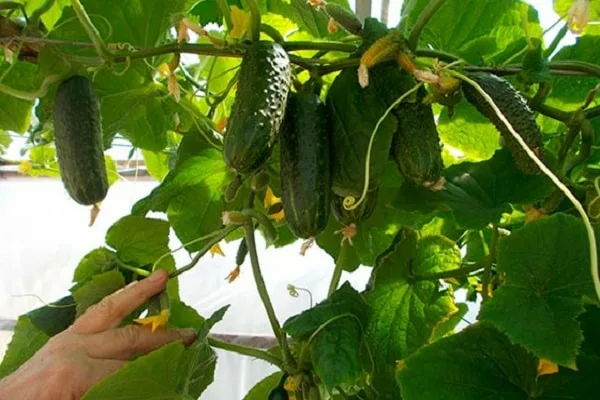
The bush is medium-height, with a medium-vine habit, and light-green or green leaves that can be medium or large in size and slightly corrugated. This hybrid produces clusters of 2-3 fruits per cluster.
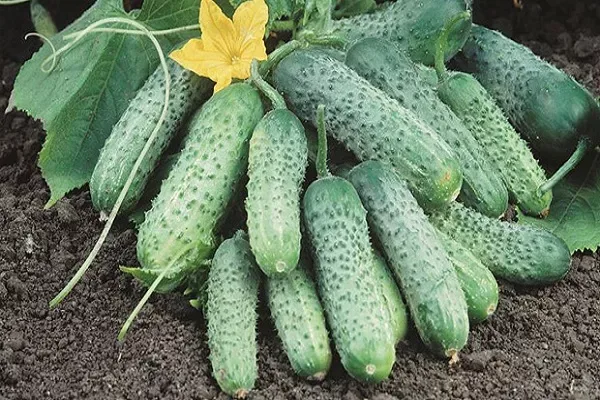
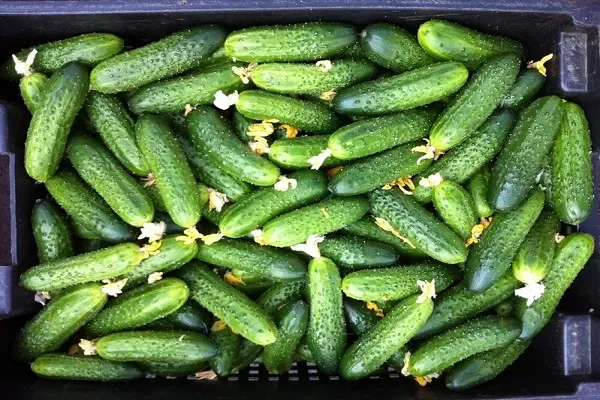
The cucumbers are short, cylindrical, gherkin-type, about 6-9 cm long and weighing 67-120 g. The surface is dark green, coarsely tuberculate, with slight ribbing, longitudinal stripes, medium spotting and white spines.
Taste and purpose
The flesh has an excellent flavor, without bitterness. These vegetables are versatile and suitable for a variety of purposes. They are used for appetizers, pickling, and canning. They are also excellent for slicing and summer salads.
Benefits, properties
Cucumbers are rich in vitamins and minerals. Nutritional value of cucumbers (per 100 g):
- Caloric content: 14 kcal.
- Proteins: 0.8 g.
- Fat: 0.1 g.
- Carbohydrates: 2.5 g.
- Water: 95 g.
- Fiber: 1 g.
Composition of cucumbers:
- Vitamins: A, beta-carotene, B1, B2, B4, B5, B6, B9, C, E, H, K, PP.
- Minerals: potassium, calcium, silicon, magnesium, sodium, sulfur, phosphorus, chlorine, iron, iodine, manganese, copper, selenium, fluorine, chromium, zinc.
Vegetables help remove salts from the body, improve metabolism, and dilate blood vessels and capillaries. They lower "bad cholesterol" levels, dissolve kidney stones and sand, and eliminate free radicals.
The fruits normalize blood pressure and stimulate insulin production. Eating cucumbers improves blood quality and composition, and eliminates bad breath.
When ripe, the yield
This early hybrid from Holland ripens in just 40-42 days from germination to the first cucumber. The average yield is 269-329 centners per hectare.
Positive and negative qualities
Planting cucumbers doesn't take much time, but before doing so, it's important to understand the positive and negative aspects to avoid potential complications. Advantages:
Cons:
How to grow a hybrid yourself?
The crop is grown both from seedlings and by sowing in open ground. Plant care includes standard procedures: watering, fertilizing, loosening the soil, and weeding.
Planting using seedlings
Growing from seedlings significantly reduces the time to harvest. Even in open ground, the first fruits can be harvested two weeks earlier than with direct seeding in a greenhouse.
Follow these recommendations:
- Hybrid seeds do not require pre-sowing disinfection or soaking in growth stimulants, as the treatment is carried out at the production facility.
- To grow strong and healthy seedlings, use a nutritious soil mixture: 1 part sawdust, 2 parts peat moss, and 2 parts humus. Add 40 g of ash and 60 g of nitrophoska to 10 liters of water. Mix the mixture thoroughly and distribute it among plastic or peat containers, filling them to the top.
- Place the seeds at a depth of 1-2 cm, one in each container, and water.
- When the seedlings reach the 2-3 true leaf stage, feed them with a nutrient solution: 15 g of nitrophoska (nitroammophoska) per 3 liters of warm water. Water the seedlings thoroughly, once a week.
- ✓ The optimal soil pH for Pasamonte cucumber seedlings should be within 6.0-6.8.
- ✓ The soil must be well-drained to avoid water stagnation and root rot.
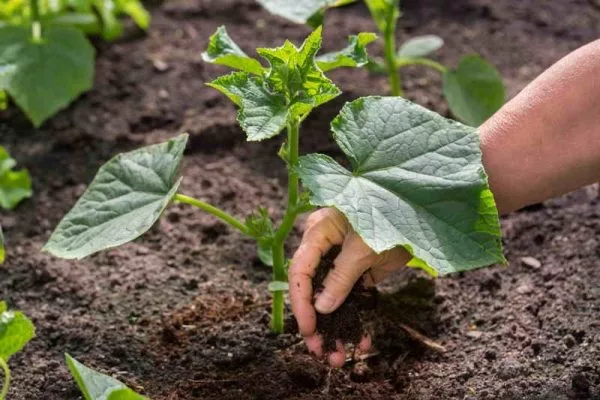
After 27-32 days, the seedlings will be ready for transplanting to their permanent location. Dig 10-15 cm deep holes in the soil, water them with boiling water, and plant the seedlings 50-60 cm apart.
Direct sowing into soil
The crop is extremely sensitive to cold, so for rapid germination, the soil must warm to at least 14°C and the air to 22°C. The optimal time for sowing is the last ten days of May. The crop prefers light, nutritious soil consisting of turf, sawdust, humus, and peat in equal proportions.
Cover the area with polyethylene or agrofibre to protect it from night frosts. The seeds will germinate in 6-8 days. When planting, follow the key principle of crop rotation – don't grow vegetables in the same spot year after year.
Caring for bushes
Pasamonte doesn't require much care, but to produce high-quality vegetables and the most abundant harvests, standard care is necessary. This includes irrigation, fertilizing, and bush training.
Watering
The crop's watering regime is adjusted depending on the growing season. Before flowering, apply 5 liters of water per square meter during drought and 2 liters during rainfall. During the formation of cucumbers, plants require more water: 8 liters during dry weather and 6 liters after rain.
To avoid problems, loosen the soil after watering, being careful, as the root system is located close to the surface. Water the soil in the morning, as the variety does not tolerate cold well.

Fertilizer
Use organic fertilizers. Some mineral supplements can be prepared at home:
- serum solution with added iodine;
- onion infusion;
- fresh mullein or diluted chicken manure.
The optimal method for applying fertilizer is to dilute the nutrients in irrigation water. For crop feeding, use urea at a ratio of 10 g per 10 liters of water.
Trimming
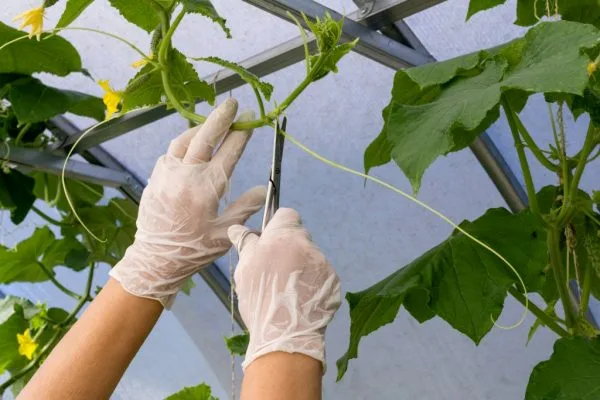
The bushes require regular pruning due to their rapid growth. Excessive lateral shoots can lead to deformed fruit due to insufficient sunlight. Prune the vines during the active growing season, preserving the main stem and early shoots.
Diseases and pests
The hybrid is immune to brown spot and cucumber mosaic, and is not susceptible to bacterial wilt, powdery mildew, or gray root rot. However, with improper care, there is a risk of diseases:
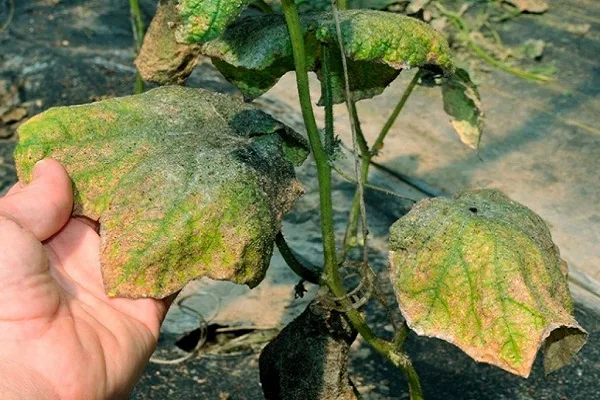
- Powdery mildew. It manifests itself as a white-yellow coating on the stems and leaves. Small brown spores appear, the leaves curl and dry out, and rot develops on the green fruits.
Treatment involves using a solution: dissolve 1 liter of sour milk or kefir in 10 liters of water. Apply as needed. Spraying with a soda solution (1/3 teaspoon of washing soda and 25 ml of liquid soap per 1 liter of liquid) is also effective. Spray every 7 days.
Experienced gardeners recommend another effective remedy: dissolve 1 liter of wood ash in 5 liters of boiling water and let it steep for 24 hours. Repeat this treatment once a week. - Gray rot. It is accompanied by gray-brown spots on the stems, leaves, and fruits. A watery gray coating is visible on the cucumbers.
Use Trichodermin suspension (100 ml per 10 liters of water). Apply up to 5 times a week for severe infestations. As a preventative measure, soak the roots in a mixture of water, soil, compost, and suspension before planting. After two leaves emerge, apply the suspension every two weeks. - Bacteriosis. When infected, yellow-brown spots appear on the cotyledon leaves, and slime appears on the underside. Use an onion peel infusion: pour 100 g of onion peel into 1 liter of boiling water, dilute with water at a ratio of 1:5. Apply every 10 days after sunset.
- Spider mite. To combat the pest, use various infusions: 1 kg of aloe vera, minced through a meat grinder, per 10 liters of liquid with 50 g of laundry soap; 300 g of horse sorrel per 10 liters of liquid, steep for 3-5 hours; 50 g of dandelion greens and flowers per 2 liters of water, steep for 3-4 hours. Repeat treatments every two weeks.
- Slugs. Sprinkle the beds with a mixture of ground black pepper, wood ash, and rock salt. Make furrows around the perimeter of the bed and sprinkle with ash and tobacco dust. Mulch the area with crushed eggshells, pine needles, or sand. At night, spray the bushes with a solution of 1 liter of water and 40 ml of ammonia.
- ✓ The first signs of powdery mildew on Pasamonte cucumbers are white spots on the upper side of the leaves, which spread quickly.
- ✓ Affected leaves become brittle and break easily.
As a preventative measure, periodically treat plants with Trichopolum (2 tablets per 1 liter of water). Monitor moisture levels, maintain crop rotation, and apply fertilizers promptly. Loosen the soil, remove wilted leaves, and thin out the plantings.
Harvesting and storage
Pick Pasamonte cucumbers regularly, approximately every 1-2 days. This promotes new fruit formation and maintains a high yield. Pick the cucumbers before they are fully ripe, when they reach 6-9 cm in length.
Carry out this process in the morning, when temperatures are cooler. This reduces the risk of damage to the vegetables and helps preserve their freshness. Use sharp scissors or pruning shears to carefully cut them to avoid damaging the stems and leaves. You can also carefully pick the cucumbers by hand.
Follow these recommendations:
- After harvesting, rinse the vegetables gently under cool water to remove any dirt or debris. Then dry them with a soft cloth.
- Store the cucumbers in the refrigerator at 7-10°C. Under these conditions, they will stay fresh for up to 1-2 weeks.
- Place vegetables in plastic or paper bags to avoid excess moisture, which can promote rotting. Make sure the packaging allows for ventilation.
- To extend shelf life, avoid storing them near fruit, especially apples, as they emit ethylene and can accelerate spoilage.
- For longer storage, cucumbers can be frozen: select fresh, ripe cucumbers, blanch them in boiling water for 2-3 minutes, then chill them in ice water. Slice the cucumbers as desired and place them in airtight containers or freezer bags. Store in the freezer for up to 6-8 months.
Frozen vegetables lose their texture and crunch, so it's best to use them in soups, sauces, or salads rather than in fresh dishes.
Reviews
Pasamonte cucumbers are an excellent choice for any gardener, whether beginner or experienced. Early ripening, low maintenance, and excellent flavor make this variety versatile and suitable for a variety of culinary purposes. Following simple care guidelines will ensure bountiful harvests.