
The Parisian gherkin has gained popularity among gardeners due to the hybrid's numerous advantages. It resists diseases and pests, thrives, and grows well even in variable climates. This is due to its excellent characteristics, which are fully realized with regular care.
Breeding history
Developed by domestic breeders and approved for use in 2006, it is intended for open-ground cultivation, but some gardeners recommend using plastic greenhouses during cool summers. This variety is a bunch variety.

Recommended regions for its cultivation: the Central and Central Black Earth regions. It is successfully cultivated in the Urals and Siberia.
Introduction to the variety
Cucumbers that grow less than 12 cm in length are commonly called gherkins. They are known for their crunch, wonderful flavor, and convenient size for pickling. The Parisian gherkin is one of the most popular hybrids in this category.
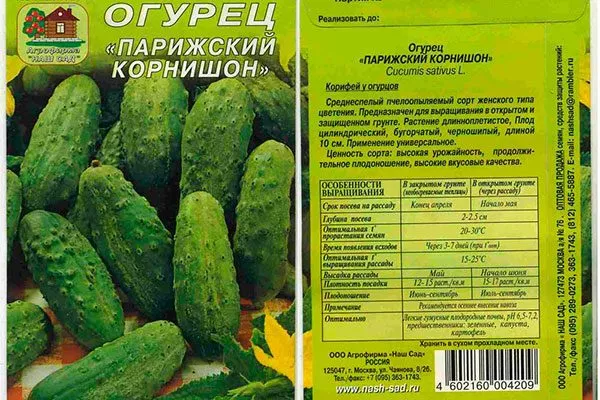
Characteristic features of the appearance of the plant and fruits
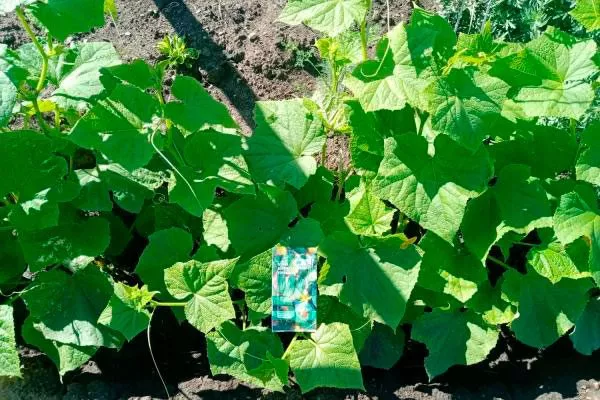
It's an indeterminate variety. The bushes have long stems and moderate branching, and are abundantly covered with large, green leaves.
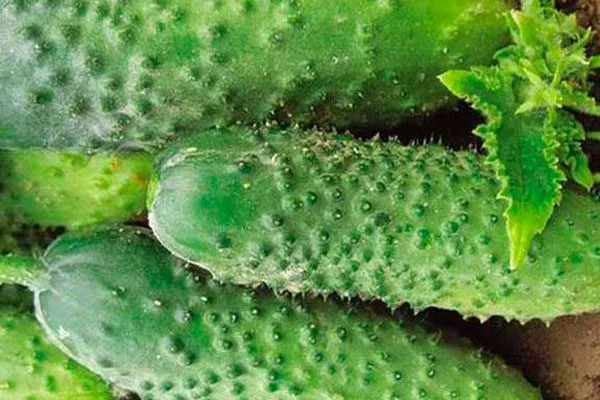
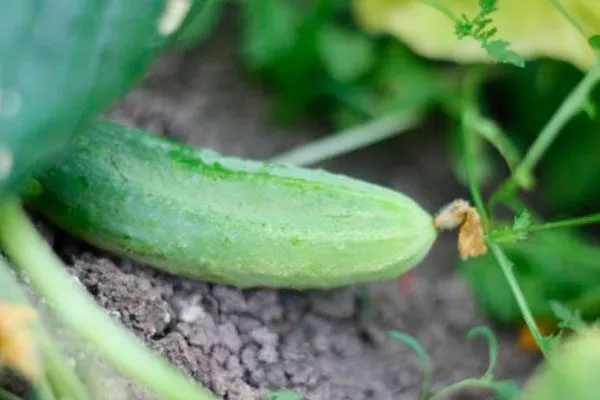
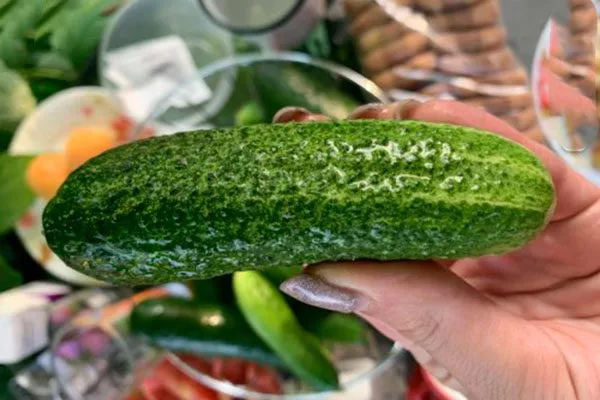
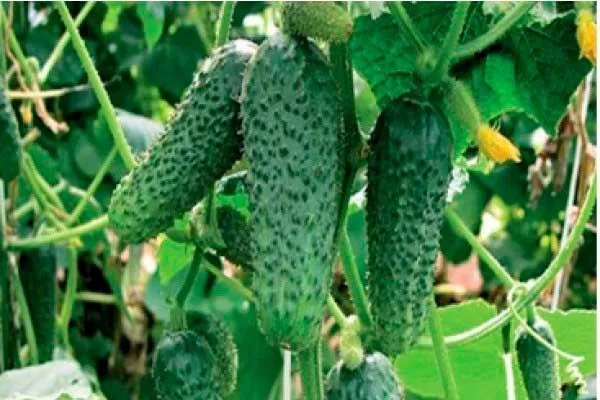
The vegetables are short, reaching 7-9 cm in length and weighing approximately 60-80 g. They are characterized by a spindle-shaped shape and green skin with small stripes on the surface. Large pimples and small black spines are present. The flesh is crisp and moderately juicy.
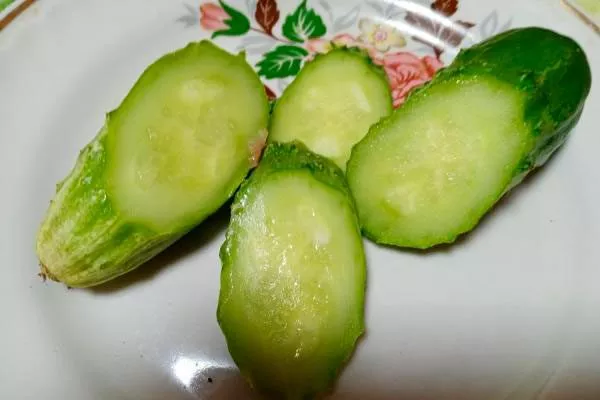
Thanks to these qualities, the fruits can be stored in a cool place for up to 3-4 weeks and withstand long-distance transportation well. A characteristic feature is that overgrown specimens do not elongate, but simply expand in size and fill with water, leading to the formation of large voids in the pulp.
Purpose and taste of fruits
Gardeners remark on the pleasant taste and rich aroma of these cucumbers. They are free of bitterness. They are eaten fresh and in salads. They are also excellent for pickling and canning. A special feature is that they do not form voids during prolonged heat treatment.
Ripening and yield
This early-ripening hybrid fully matures in 45-50 days. 2-4 kg of cucumbers are harvested per square meter per season. Under commercial conditions, the average yield is 101-303 centners per hectare.
Soil requirements
The plant prefers neutral soil with a small amount of humus and moderate porosity. If these conditions aren't available, add some black soil and sand when digging. Enrich the soil with peat or sawdust to help retain moisture and prevent a dry crust from forming on the surface.
- ✓ The soil pH level should be strictly within 6.0-7.0 for optimal nutrient absorption.
- ✓ Humus content of at least 3% to ensure the necessary nutritional value and soil structure.
Composition, properties, benefits, caloric content
Gherkins, like other cucumbers, are over 90% water. Per 100 g, they contain 12-14 kcal, 0.8 g protein, 0.1 g fat, and 2.4 g carbohydrates. They also contain a large number of beneficial substances, including vitamins (C, K, B, A), minerals (copper, chlorine, magnesium, calcium, potassium, sodium), and choline.
How to grow this variety yourself?
The crop is grown both in open ground and in greenhouses. In both cases, the soil in the beds is prepared in the fall.
Landing
Gardeners choose the most optimal planting option for themselves. They grow crops using both seedlings and direct-seeding methods. The former method yields an earlier harvest.
Seed method
Sow seeds in open ground when the soil temperature at a depth of 15 cm reaches +15°C. Sowing time depends on the growing method:
- in the greenhouse - at the beginning of May;
- in open ground under film - in the second half of May;
- into the soil without cover – at the end of June.
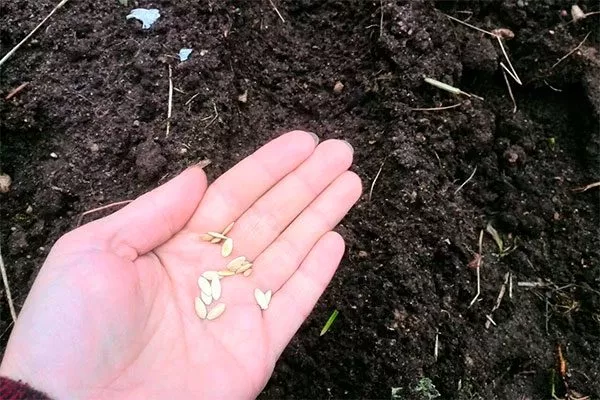
Cover the beds with plastic film after sowing the seeds. In warm weather, open the film for 1-2 hours to allow air to circulate. Remove the film after the seedlings emerge.
Seedling
Sow the seedlings in the second half of April. For seedlings, use store-bought soil or prepare your own. A simple soil mixture consists of equal parts peat and black soil, with the addition of half a portion of sawdust.
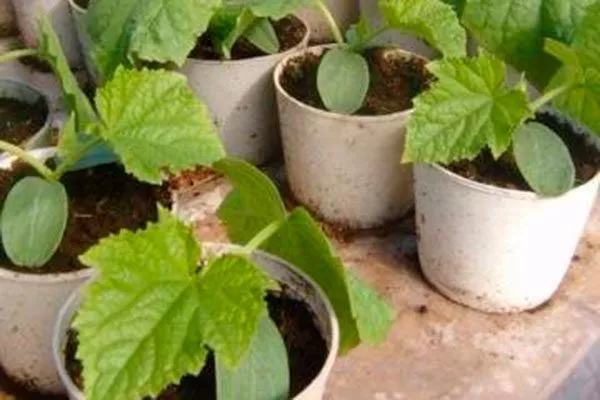
Helpful tips:
- Add a cup of ash and 1.5 tablespoons of nitrophoska to 10 kg of soil, then mix thoroughly. Use drainage, such as coarse sand. Disinfect the soil and drainage with a dark pink solution of potassium permanganate, boiling water, or in the oven.
- Sow seeds directly into individual containers at least 15 cm deep. Peat pots are ideal, as they won't need to be removed when transplanting the seedlings to their permanent location. The containers should have drainage holes in the bottom.
- Place 2 cm of drainage material at the bottom of the pots, then fill with soil and water it with warm water before sowing.
- Place 1 seed in each cup, burying them 2 cm deep. Cover the containers with film and place them in a warm place at a temperature of +25-27°C.
- After the seedlings appear, remove the film and place the plants in a well-lit place, using a fluorescent lamp if necessary.
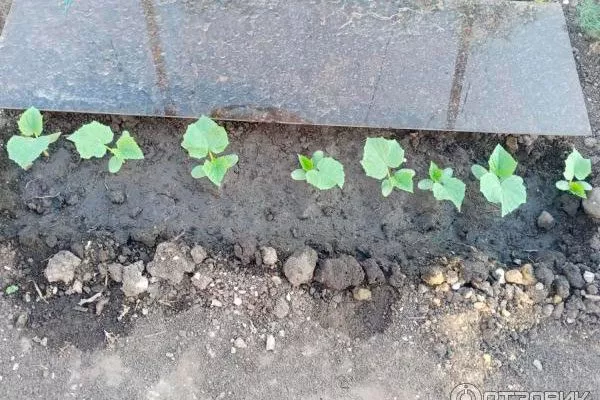
When 2-3 true leaves appear, transplant the seedlings into pre-prepared holes in a permanent location, without deepening the root collar.
Growing and care
Caring for your plants is quite simple, so even a novice gardener can handle it. Useful care tips:
- Water cucumbers whenever the top layer of soil dries out. Use 7 liters of room-temperature water per square meter. After each watering, loosen the soil and remove weeds.
- Mulch cucumber beds with rotted straw, hay, or compost. Mulch protects the root system from cold and pests and slows weed growth.
- Fertilize the plant every two weeks until fruiting begins. To do this, prepare a solution of 30 g of superphosphate, 30 g of urea, and 30 g of potassium sulfate per 10 liters of water. Use 5 liters of the resulting solution per square meter.
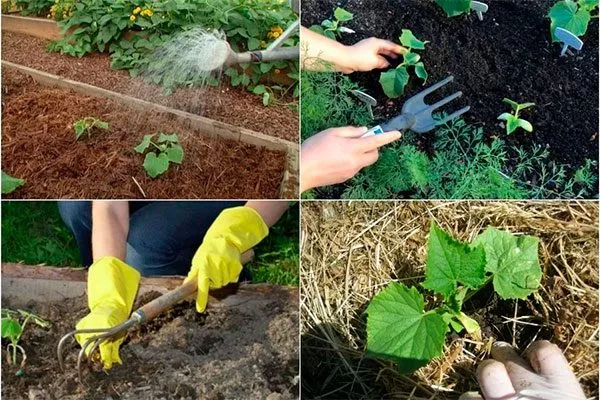
Tie Parisian gherkins to a support after the fifth leaf appears. A trellis is suitable for this purpose; attach the plants to it with synthetic thread as they grow. This will protect the bushes from damage and improve ventilation.
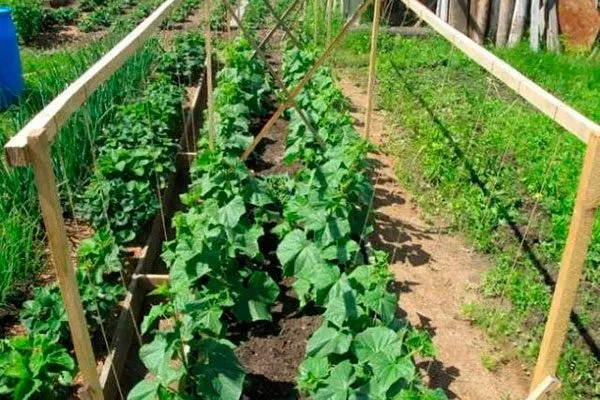
Features of cultivation
To ensure a bountiful harvest and avoid many problems, gardeners use a few techniques. Follow these recommendations:
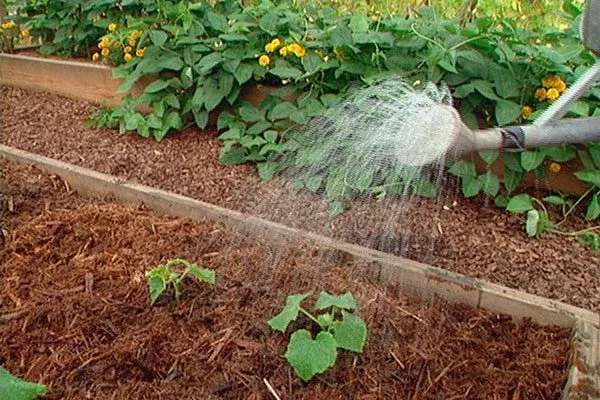
- Before flowering, water the bushes with a sprinkler every 5 days. After flowering begins, water daily, applying water only at the roots. The optimal time for watering is early morning or evening.

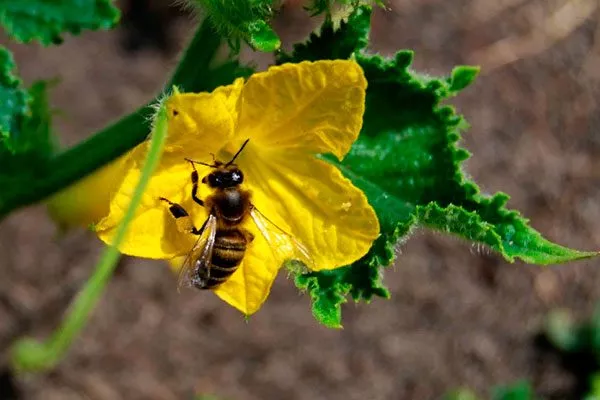
- In open ground, pollination of vegetables is achieved by insects. To attract them, spray the plants with sweet water or plant fragrant flowers, such as calendula, between the beds.
In the greenhouse, pollinate the fruits artificially. To do this, learn to distinguish between male and female flowers (a small bud is visible at the base of the former). Transfer pollen from the male plants to the female ones using a soft brush.
Diseases and pests
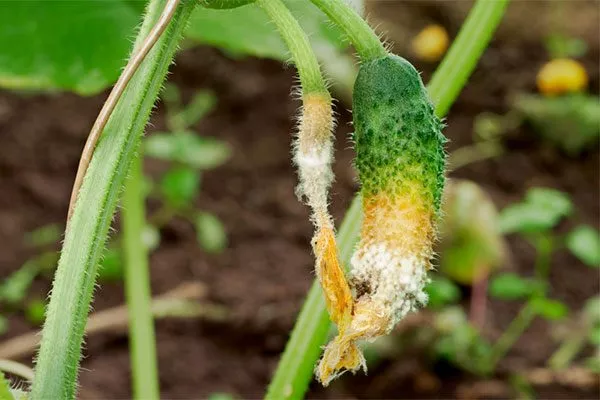
The crop is highly resistant to downy and powdery mildew, so with proper care, these diseases shouldn't be a problem. Among the most common ailments are cucumber mosaic and bacterial wilt.
Inspect your bushes regularly and take the following measures:
- When affected by cucumber mosaic, white and yellow spots appear on the leaves, and the leaves themselves become thin. As a result, growth is stunted, and the vines, fruits, and leaves become deformed and unattractive.
The disease is not treatable, so dig up and burn infected plants, and treat the soil with a bleach solution to disinfect it. - Bacterial wilt manifests itself as brown spots on the leaves. To combat this disease, spray Bordeaux mixture on the foliage.
- The most common pests are sprout flies and aphids. Special infusions (garlic, red pepper, mustard, etc.) are effective against aphids. If these remedies don't work, use insecticides such as Fitoverm or Inta-Vir. Fufanon insecticide is effective against sprout flies.
Harvesting
The characteristics indicate that this is an early-ripening hybrid. Harvest should begin in early June. Pick the fruits, once they have reached the desired size, every two days. Otherwise, they will overripe, turn yellow, and become watery.
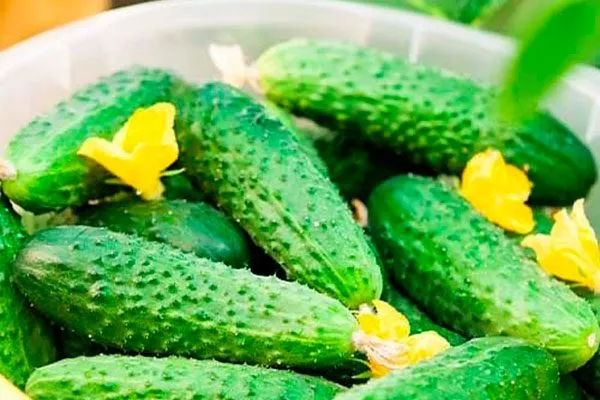
- ✓ Fruits reach an optimal size of 7-9 cm in length and a weight of 60-80 g.
- ✓ The skin acquires a rich green color with small stripes and large pimples.
Advantages and disadvantages of a hybrid
Before planting a crop, carefully examine its positive and negative qualities. The hybrid has many advantages:
Reviews
The Parisian gherkin attracts the attention of both novice and experienced growers. With minimal attention, this crop delivers abundant yields, excellent flavor, and high-quality fruit that retain their marketability during long-distance transport. With proper care, it's possible to fully appreciate the varietal characteristics.