
The Paratunka cucumber is a hybrid crop, as evidenced by its name (F1). This cucumber does not require insect pollination because it is parthenocarpic, making it ideal for growing in closed environments such as greenhouses and hothouses.
Introduction to the variety
This hybrid is ideal for both private garden plots and large-scale production on farms' cucumber plots. The variety promises a bountiful harvest, whether grown in hanging baskets or directly in the ground.
History of origin
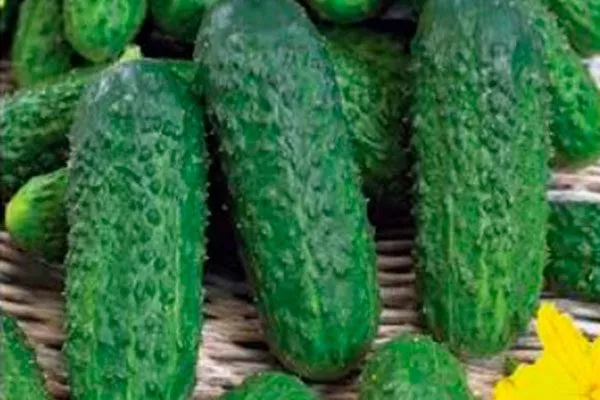
The Paratunka variety, introduced in Russia in 2006 and included in the state register, became available for cultivation under protective structures. It is the fruit of the work of renowned breeder Yuri Borisovich Alekseev of the Semko-Junior agricultural firm and immediately gained popularity due to its excellent characteristics.
Characteristics of the appearance of the plant and cucumbers
All flowers on this plant are female, meaning they produce an ovary and will eventually develop into fruit. The plant has an indeterminate growth habit, meaning there are no natural limits to the central branch, and if left unchecked, it can grow to over 200 cm in length.
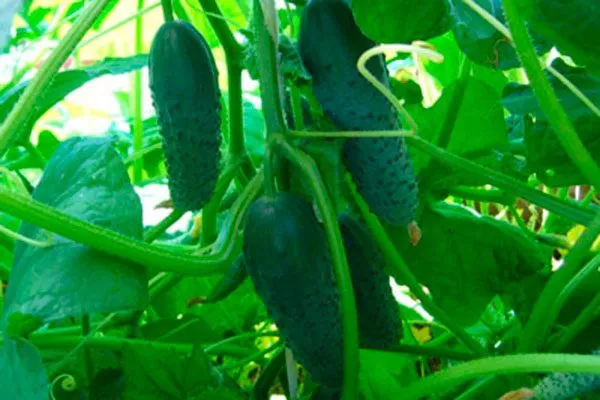
The description of the appearance and leaves of the Paratunka cucumber includes the following aspects:
- The bush with medium climbing habit produces fruits in bunch-shaped groups, reaching a height of 180-200 cm.
- The plant's leaves are small, rough, and dark green, with medium coverage. Internodes are visible at the base of the foliage, from which new branches may later develop.
- Cucumber stems are elongated, prone to branching, and covered with small thorns, which serve as natural protection against insect pests.
- Cucumber flowers are small, uniformly yellow, and consist of five petals. They are arranged in groups of 3-5 in the leaf axils.
- The base of the plant requires reinforcement, since the roots take root mainly in the upper layer of soil, up to 16-20 cm deep.
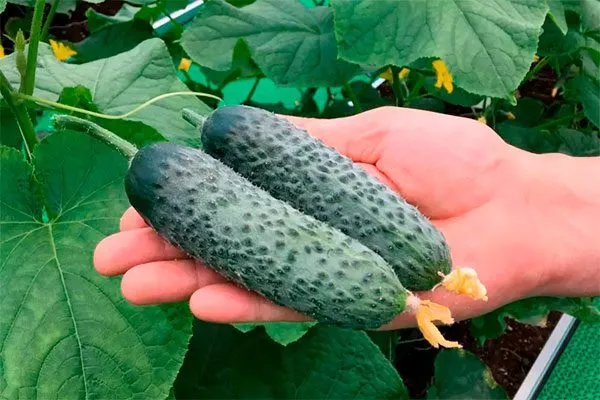
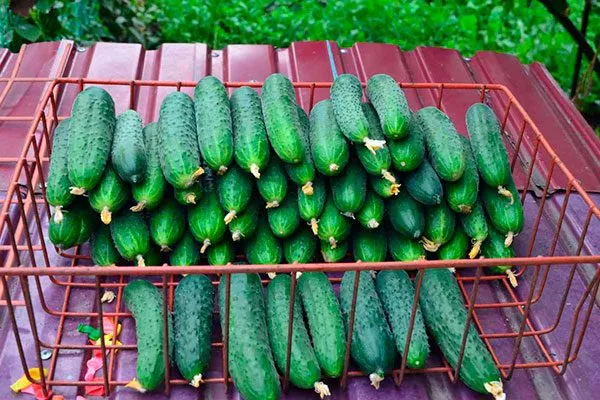
- The fruits are regular cylinders, reaching a weight of 80-100 g, a length of 10 cm and a diameter of 2-2.5 cm when fully ripe.
- The cucumbers are deep green in colour with linear patterns in lighter shades.
- The peel is dotted with rare bubbles equipped with sharp spines, the ribbed structure is not very pronounced.
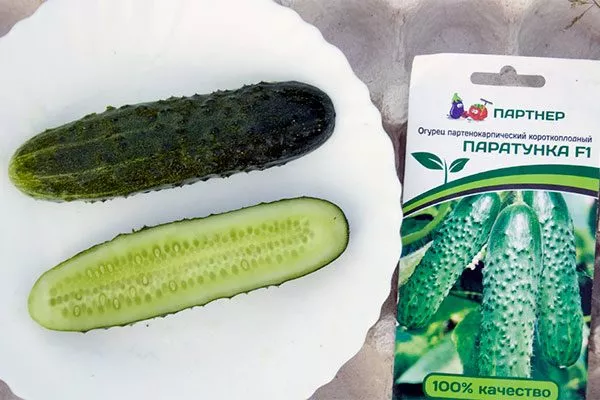
- The vegetable flesh is crisp and juicy, yet not overloaded with liquid.
- The seeds are small and barely noticeable; the cucumbers have no internal cavity.
Taste and purpose
The variety's main advantage is its crisp, sweet, and delicious flesh, free from bitterness. Paratunka cucumbers are eaten fresh, added to salads, sliced, and canned for winter consumption. Small rings of gherkins can be used to garnish side dishes and cold dishes.
Composition and properties
The Paratunka cucumber, like most vegetable varieties, contains 95% water and is distinguished by the absence of voids, as well as a small number of seeds.
Nutritional values of cucumber per 100g include:
- 14 kilocalories;
- 0.8 g protein;
- 0.1 g of fat and organic acids;
- 2.5 g carbohydrates;
- 1 g fiber;
- glycemic index is 25.
In addition, cucumbers are rich in vitamins C and K, as well as A and B vitamins. They also contain beneficial minerals, including iron, copper, manganese, and others. Iodine, also present in cucumbers, helps prevent thyroid disease.
Daily consumption of these vegetables accelerates the elimination of fluid from the body, which can reduce blood pressure. Therefore, people with hypotension should exercise caution when consuming this product.
Ripening and yield
Paratunka is a cucumber variety known for its early fruiting. Just a month after the seeds have sprouted, you can begin harvesting the first young gherkins. The fruiting season continues until the onset of cold weather, making it one of the longest-growing varieties.
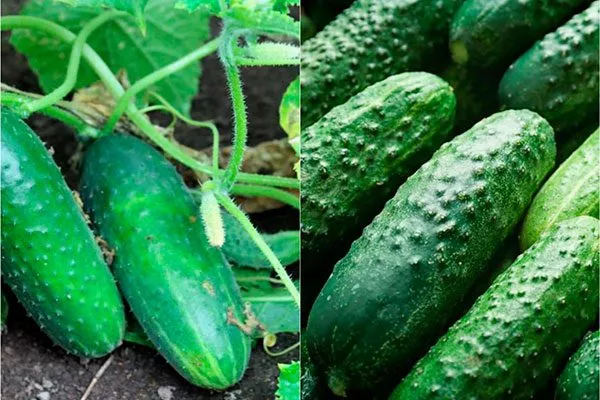
A full, bountiful harvest is achieved in just 40-42 days. The average yield is 12-13 kg per square meter, although experienced gardeners claim that under favorable conditions, yields as high as 15-16 kg can be achieved.
How to grow it yourself?
Despite its early maturity, the Paratunka hybrid is easy to grow, even for novice gardeners. You can use either seeds or seedlings. To plant cucumbers, you'll need plots that meet the following criteria:
- well lit by the sun, but protected from direct sunlight during the hottest hours of the day;
- sheltered from wind and drafts;
- with loose soil, rich in nutrients and not waterlogged with neutral pH.
The best predecessors for Paratunka cucumbers are crops such as potatoes, legumes, cabbage, and garden herbs. It is not recommended to plant cucumbers in areas previously planted with zucchini or squash, and replanting cucumbers in the same area is contraindicated.
Sowing seeds
For this, two main methods are used: deepening the planting material into the beds and sowing seeds in containers and further growing seedlings.
Seedless method
This technique avoids damaging the root system during transplantation and produces stronger, disease-resistant cucumber plants. However, harvesting takes longer, and the risk of seedling loss increases. The direct-seeding method involves sowing dry seeds. A soil temperature of 15 degrees Celsius is essential.
- ✓ The optimal soil temperature for sowing seeds should not be below +15°C, which is critical for their germination.
- ✓ To prevent the formation of barren flowers, it is necessary to control the nitrogen level in the soil using nitrophoska.
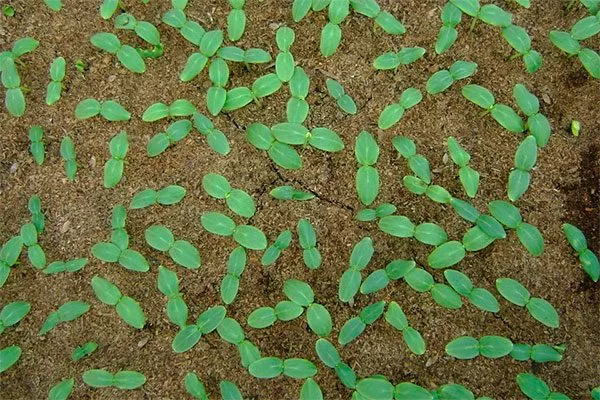
Recommended:
- Dig holes, observing the calculated planting interval: the width between rows is 50-55 cm, the distance between holes is 40-45 cm.
- Fill the holes with warm water.
- Place one seed in each hole.
- Cover it with soil.
- Cover until seedlings appear, using a transparent material to let in light: PET film, glass, glass jars, plastic bottles with the neck cut off.
Seedling method
This process occurs in late May or early April, considering that the seeds will need approximately 25-28 days to establish. The process involves the following steps:
- To speed up germination, soak the seeds in water at a temperature of +30 degrees for 20-40 minutes.
- Germinate the planting material by placing it in a damp cloth for 2-4 days.
- Prepare suitable containers. To ensure that transplanting the seedlings into the ground isn't too challenging for the cucumbers, we recommend using 400 ml peat cups. You can also choose a communal container that's wide and not too deep.
- Make a hole in each pot for drainage.
- Fill the pots with potting soil, leaving about 2-3 cm of headspace. You can use a store-bought potting soil or make your own by mixing equal parts of leaf mold, peat moss, sand, and vermiculite.
- Use warm water to water the substrate.
- Make a hole 1.5-2 cm deep in the center of each pot. If you're planting seeds in a shared pot, leave 3-4 cm between the holes.
- Place the seeds and carefully cover with potting soil.
- Re-moisten with a spray bottle.
- Cover with film and maintain the temperature within +23-25 degrees.
Important factors for successful seed germination are regular watering and providing a flow of fresh air (remember to open the film for a few minutes every day).
Growing seedlings
When the first sprouts begin to appear in the seed cups, remove the film and expose the seedlings to light. At the beginning of the growing season, reduce the temperature to 18-22 degrees Celsius.
During the entire period of growing seedlings, add soil to the containers twice and fertilize:
- the first time - when the first true leaf appears (if a pick was carried out - two days after it), using a solution of mullein or ammonium nitrate;
- the second time - 3-4 days before transplanting seedlings into the garden, using complex mineral mixtures.
Harden off the plant a few days before transplanting. To do this, acclimate the plant by gradually increasing the time it spends outdoors, starting with 5-7 minutes and gradually increasing to longer periods.
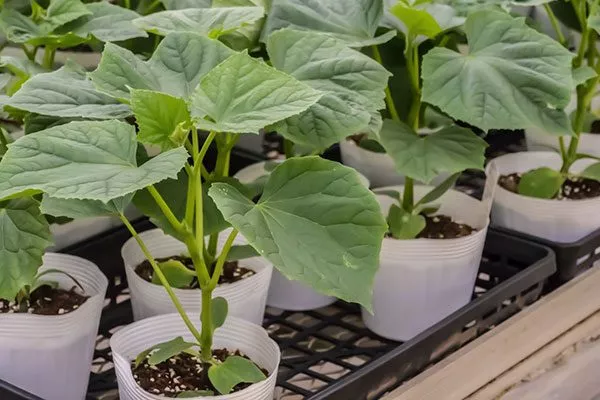
Seedlings ready for planting must meet certain criteria:
- height – from 20 to 25 cm;
- stem thickness – about 0.8 cm;
- number of true leaves – at least 5 pcs.;
- the root system should fill the entire container;
- one antenna may be present.
Picking
This process is only necessary when sowing seeds in a single container. Given Paratunka's sensitivity to transplanting and the high cost of its seeds, it is recommended to avoid transplanting, using separate containers for each plant from the very beginning.
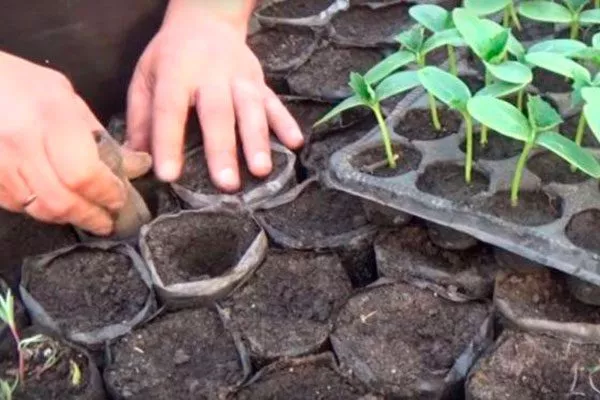
But if picking becomes inevitable, you can minimize stress on the seedlings by following these recommendations:
- Before starting the procedure, the seedlings are carefully moistened: this will help soften the soil and avoid damage to the roots.
- Each seedling is carefully removed from the ground with a spatula or teaspoon.
- The seedling is carefully moved into a new container, avoiding touching its stem with your hands, although you can lightly hold it by the leaves.
- Then the seedlings are carefully covered with soil and watered so that the water penetrates deeply.
Planting in the ground
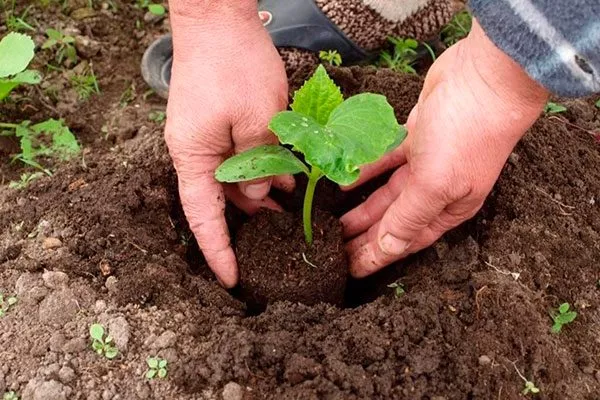
Typically, three weeks after the first green leaves appear, the seedlings are ready for transplanting outdoors. By this time, the soil should be well warmed, at least 18-20 degrees Celsius.
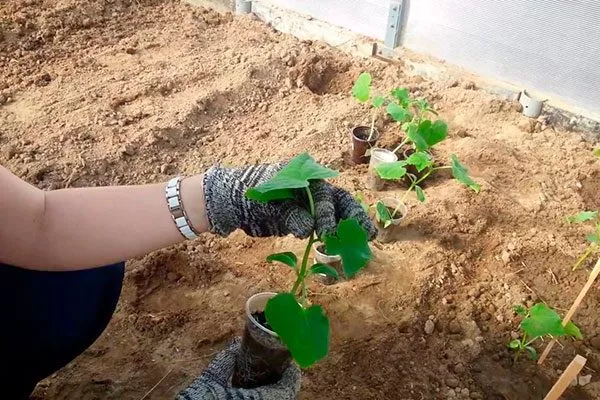
The seedlings are carefully removed from the old containers and gently placed into the holes. If peat cups were used for growing, they are simply placed into the holes, after which the spaces between them are filled with substrate and the plants are moistened.
Possible difficulties
The Paratunka hybrid, an early-ripening variety, is characterized by vigorous stem growth, requiring periodic pruning. When grown without trellises, the plant's stem is covered with a layer of soil in certain areas, which promotes more effective rooting and provides additional nutrients.
Beginners in gardening often make mistakes that lead to reduced yields:
- ignore the need for fertilization;
- incorrectly select a landing site;
- planting seeds too early;
- do not follow watering rules;
- Do not treat plants if lesions are detected.
Care instructions
Paratunka is easy to care for, but don't ignore the basic rules of operation:
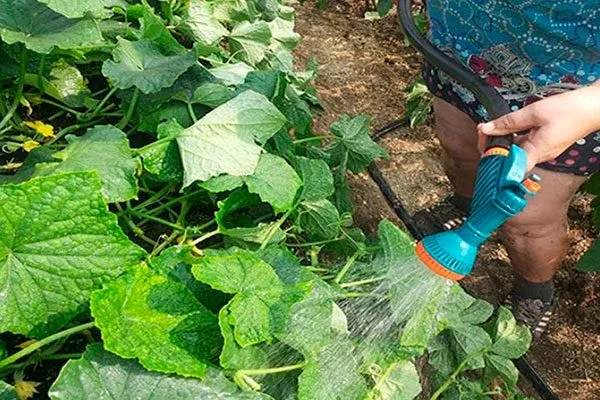
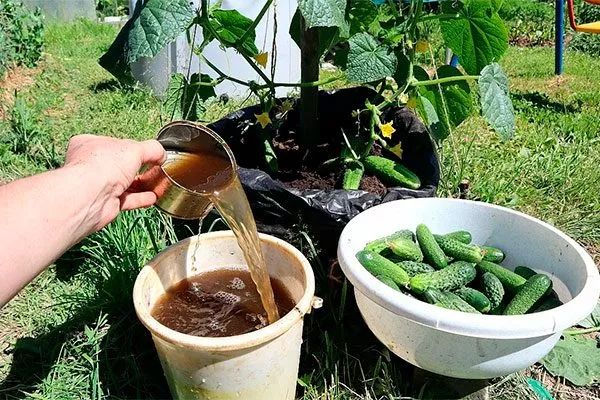
- Moisturizing. To prevent plants from becoming dehydrated, water them every 3-5 days using only warm water. During periods of extreme heat, increase watering to daily. It's important to ensure the water penetrates to a depth of 22-24 cm, while avoiding stagnant water.
To prevent this, it is recommended to use a sprinkler or drip irrigation system.

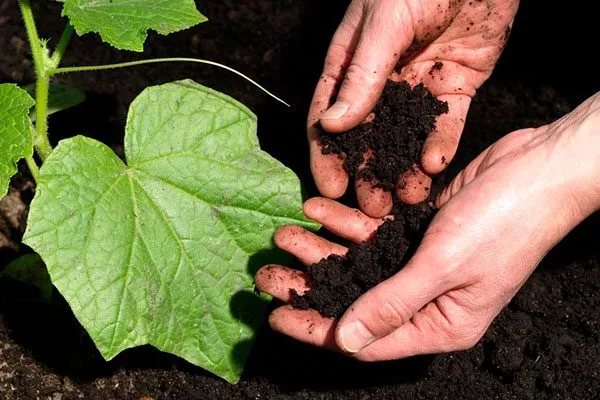
- Plowing. To ensure the cucumber root system receives sufficient oxygen, the soil must be loosened periodically. This should be done in conjunction with weed removal, as their presence can lead to root rot and pest infestation.
During the growing season, about 5 such treatments should be carried out.
Fertilizing cucumbers
Cucumbers intensively consume nutrients from the soil, so from the moment of planting until the end of the fruiting period, apply at least 3 types of fertilizers:
- The first one Fertilize after 2-3 leaves appear on the plants. The most common mineral fertilizer is a mixture of urea, potassium sulfate, and superphosphate. You can also add a mullein solution or diluted bird droppings.
- Second once - at the initial stage of fruit ripening, for which a fertilizer with a high content of potassium and other minerals in combination is used.
- Third Fertilizing should be done in mid-summer (phosphorus and potassium are needed).
- The first feeding should be carried out after 2-3 leaves appear, using a solution of mullein or ammonium nitrate.
- The second feeding should be carried out at the beginning of fruiting, using complex mineral fertilizers with a high potassium content.
- The third feeding should be done in mid-summer, using fertilizers containing phosphorus and potassium.
Plant support
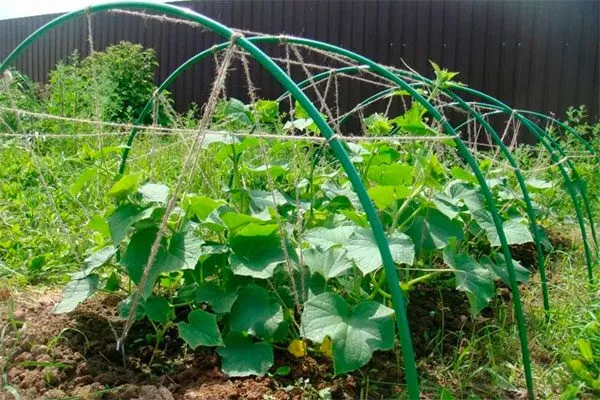
The Paratunka cucumber variety requires support, which can be created by installing wooden or metal poles approximately 220-250 cm long, as well as using twine:
- To install the support posts, drive them into the ground along the line of the cucumber bushes, and if necessary, in the middle if the bed is particularly long. The distance between the posts should be approximately 100-130 cm.
- Connect the tops of the posts with a horizontal bar, and install separate supports next to each cucumber bush.
- Then attach the rope to the posts and secure it to the stand.
How to form correctly?
Since Paratunka is an indeterminate variety, pinching is necessary for optimal development. This increases the number of fruit-bearing flowers, increases yield, and prevents the development of a bitter taste in the fruit.
The process of bush formation occurs according to an established sequence:
- When the bush reaches 50-55 cm in height, cut off all its side branches completely.
- Do not touch the branches for the next 50-60 cm in height.
- At a height above 100 cm, shorten the stems by 30-40 cm.
- Branches growing at a distance of more than 100 cm from the ground should be cut back to 45-55 cm from the main trunk.
- Shorten the stem of the bush by 60-65 cm from the top support point.
Diseases and pests
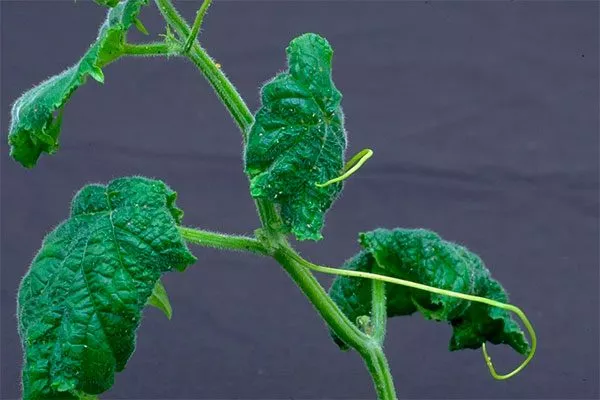
Regarding diseases and pests, the hybrid has good resistance to the main diseases and insects common to cucumbers. However, if agricultural practices are not followed or under unfavorable weather conditions, the following problems may arise:
- powdery mildew can develop when the area is not provided with sufficient ventilation;
- peronosporosis, cladosporiosis, anthracnose – appear on bushes during periods of prolonged rain;
- spider mite may appear during periods of drought;
- thrips and whiteflies – damage the leaves.
Specialized insecticides are used to control pests. Fungicides are used against diseases. Organic farmers prefer traditional methods: using ash powder, onion peel and garlic infusions, as well as iodine and iron permanganate.
To prevent diseases and pest infestations, follow these tips:
- do not forget to regularly ventilate protective structures;
- create an influx of fresh air to the plants, while protecting them from cold air currents;
- inspect bushes frequently for signs of disease;
- Plant according to crop rotation principles.
- Avoid exposing plants to direct sunlight for long periods of time, as this can cause them to burn and wilt;
- Disinfect tools, planting material and substrate.
Collection and storage
To prevent premature over-ripening of the fruit, it is recommended to harvest it every two days. Store the harvested vegetables for at least ten days, placing them in boxes and storing them in a basement at a temperature no higher than 6-8 degrees Celsius. At temperatures above 9-10 degrees Celsius, the shelf life is reduced to four days.
Pros and cons
These hybrid cucumbers are distinguished not only by their aesthetically pleasing appearance, but also by their excellent taste, high nutritional value, and beneficial properties. But these are only a few of their benefits.
Gardeners' reviews of Paratunka cucumbers
The Paratunka hybrid is characterized by generous yields, long fruiting, and early ripening, which facilitates its rapid distribution. The small size of the cucumbers makes them ideal for pickling in jars of various sizes. Caring for this variety is not difficult—simply follow simple gardening recommendations.