
The Palchik cucumber is an early-ripening variety from Russian breeders, attracting gardeners with its high resistance to various diseases, increased frost resistance, and the versatility of its dark green fruits. Notably, this variety boasts a long fruiting period, yielding approximately 6.8-7 kg per square meter.
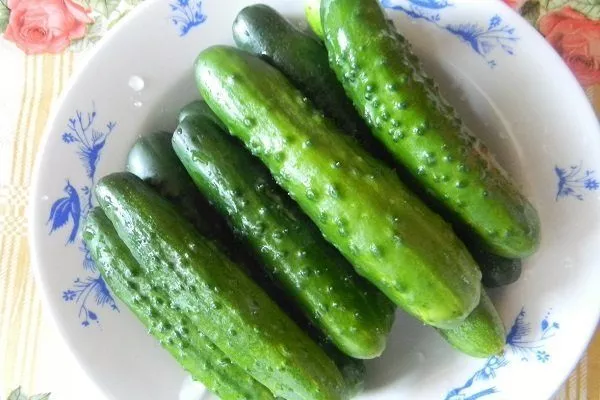
The Finger cucumber has a pleasant crunch and is not bitter.
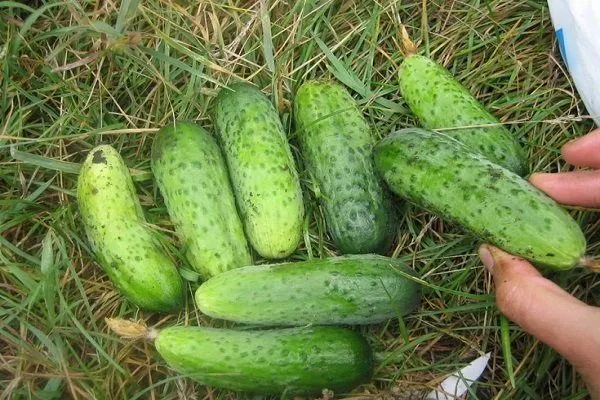
Cucumber Finger
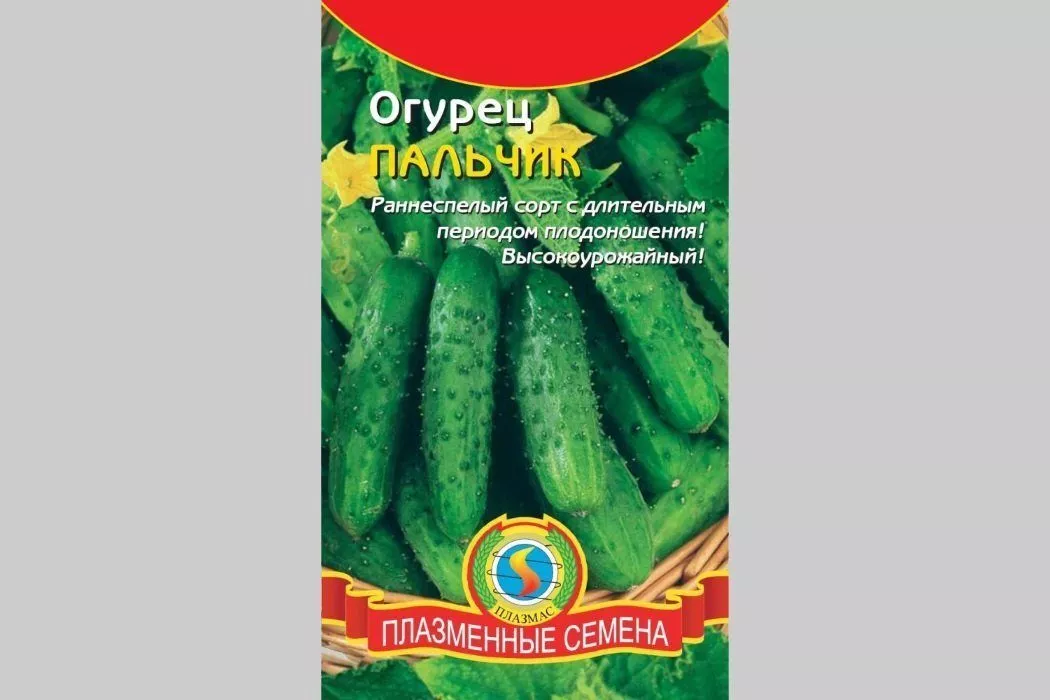
Cucumber seeds Palchik
Description of the variety
The Palchik variety was developed in the Volgograd region by V. A. Shefatov at the N. I. Vavilov All-Russian Research Institute of Vegetable Growing (VNIIR) experimental station. It was added to the State Register of Breeding Achievements in 2001 for cultivation in the Central, Central Black Earth, and Lower Volga regions.
- ✓ The optimal soil pH should be between 6.0-6.8 to ensure maximum nutrient availability.
- ✓ Soil should contain high levels of organic matter (at least 4%) to maintain moisture and structure.
The characteristics of this cucumber are presented in the table:
| Parameter | Description |
| Ripening period | The variety is early maturing, so the cucumbers quickly reach technical maturity – 42-48 days after emergence. |
| Plant characteristics | The Palchik cucumber belongs to the group of bee-pollinated varieties, so the flowers require pollination by bees or other insects. The flowering itself is predominantly female.
This vigorous, medium-branched plant is indeterminate, reaching a height of 2-2.5 meters. The vines are numerous and long, strong, and thick. The plant is covered with large, dark green leaves, typical of cucumbers. The ovaries are set in clusters. |
| Fruit characteristics | The cucumbers are elongated and cylindrical, 9-12 cm long, 3-4 cm in diameter, and weigh 114-120 g. The dark green skin has longitudinal stripes and faint spots. Large, sparse bumps are present on the surface. If you look closely, you'll also notice a white pubescence. The flesh of ripe cucumbers is firm, giving a pleasant crunch when bitten. It's juicy, aromatic, and without bitterness. Thanks to their firm texture, the cucumbers are excellent for long-distance transport. |
| Purpose | Finger cucumbers have a pleasant flavor and excellent commercial quality. They can be eaten fresh or used for pickling or canning. Even after cooking, they retain their characteristic crunch. |
| Productivity | A 1 square meter cucumber bed yields approximately 6.8-7 kg of fresh, crisp cucumbers. The yield is 76-95%. This variety is distinguished by its uniform fruiting, lasting for two months. |
| Features of cultivation | This variety is frost-hardy and can withstand temperatures as low as 4°C for 5 days. However, if the microclimate is not normalized, the plant will die. However, it tolerates minor temperature fluctuations in spring and early autumn frosts. Therefore, this vegetable crop is primarily grown outdoors. It can be grown in a greenhouse, provided a fan or beehive is installed. |
| Disease resistance | The plant has good immunity and tolerates downy mildew, which poses a mortal danger to other vegetables. |
Cucumber Palchik is an original variety with hybrid properties, which accounts for its disease resistance and cold tolerance.
Agricultural technology
When cultivating the Palchik variety, the following agricultural practices must be taken into account:
- There are two ways to grow cucumbers: using seedlings or by directly sowing seeds into open ground. In the first case seeds for seedlings need to be sown In early May, so that 20-25-day-old seedlings can be planted in the ground by the end of the month. When sowing seeds directly into the ground, work should only begin after the soil warms up to 15–20°C during the day and 8°C at night. By this time, the threat of cold weather should have completely passed.
- Bee-pollinated cucumbers should be planted in windless areas to prevent gusts of wind from blowing away the pollen, which attracts insects. If the plants grow in a drafty area, bees will visit them much less frequently, which will negatively impact yield. The area should be protected from direct sunlight. Recent studies have shown that cucumbers grow more rapidly during the darker hours of the day.
- Choose loose, airy, and moderately moist soil for Palchiki. Avoid planting beds in areas where groundwater accumulates, as this increases the risk of root rot and loss of the entire harvest. Excessively moist conditions significantly increase the risk of fungal diseases. Light sandy loams and loamy soils are the best soils for this vegetable crop.

- Follow crop rotation guidelines and avoid planting cucumbers after other members of the cucurbitaceae family. Growing the same crop in the same area leads to "soil fatigue." The soil may contain pathogens that overwintered along with weeds and plant debris from the previous season. To ensure proper crop rotation, consult the following table:
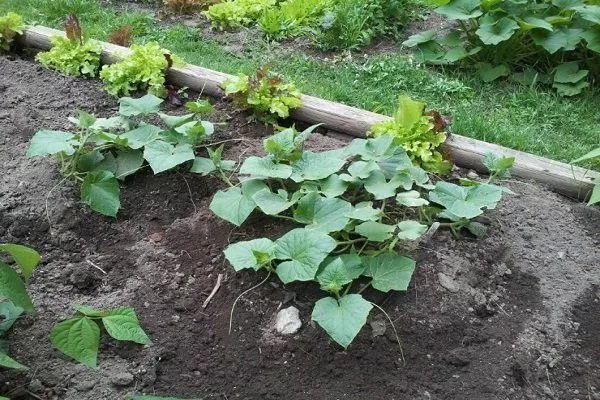
| Predecessors of cucumber | Cucumber's neighbors | ||
| good | bad | good | bad |
| tomato, cabbage, spinach, carrot, beetroot, legumes, eggplant, greens | cucumbers, zucchini, squash, pumpkin, melon, watermelon | cabbage, peas, beans, basil, dill, onions, garlic, beets, celery, fennel, spinach, coriander, sunflower | tomato, carrot, potato, sage, zucchini, rhubarb, turnip, radish, leek, strawberry, berry bushes |
- Prepare the cucumber bed in the fall. Clear it of plant debris and dig it over, adding a mixture of 200 g of wood ash, 40 g of superphosphate, and 25 g of potassium nitrate. You'll need one bucket of this mixture per square meter of plot. The soil can also be fertilized with manure at a rate of 25 liters per square meter. To make it more fertile and aerated, add compost or sawdust. In the spring, there's no need to dig the soil; just loosen it with a rake and water it thoroughly.
The composition of the soil must be treated with special attention, since the formation of lateral roots and the further development of sprouts depend on it.
- Avoid overcrowding. The optimal planting frequency is 3-4 plants per square meter. Planting depth is 1.5-2 cm.
- Provide proper care for cucumbers, including regular watering, fertilizing, weeding, and loosening the soil between rows to remove crust. Pinch the plants back above the 3rd or 4th leaf, otherwise their branching and yield will suffer.
Direct planting into the ground
When growing cucumbers without seedlings, planting can begin in mid-May, as by this time the average daily outside temperature reaches 15°C. Sow the seeds in pre-prepared soil according to the following instructions:
- Before planting, warm slightly convex cucumber seeds of nearly uniform size and size, then soak them in a damp cloth for 2-3 days. After this treatment, they will germinate a few days earlier than if planted dry.
- Place the seeds in pre-prepared holes at a depth of 2-3 cm, with the seed tips facing up and at a 45° angle rather than vertically. This placement allows the sprouts to quickly shed their seed coats and grow upward without bending in the soil. This allows the root system to develop parallel to the topsoil and extend deeply. The optimal planting pattern is 30x50 cm.
If you place the seeds horizontally in the holes, the sprouts will have to bend to reach the light faster. If the tips are facing downward, they will have even more difficulty germinating. Having expended all their energy on this, the sprouts will be weak and diseased, which will negatively impact the health and vigor of the plant, significantly reducing the chances of a bountiful harvest.
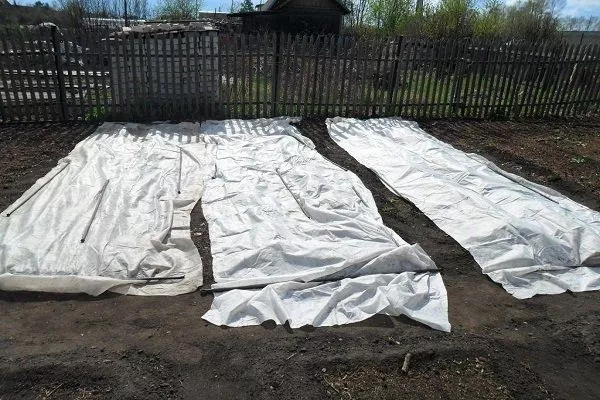
- Cover the cucumber bed with plastic to protect the crops from frost. This will need to be removed in about a week, when the first shoots appear. Some gardeners insulate the bed with newspapers, laying them in several layers. To retain soil moisture, water the area regularly over the newspaper. Some of the newspaper will disintegrate and remain in the soil. The remaining dense pieces of paper should be placed in the manure, as they will enrich the soil with micronutrients as they decompose.
Planting cucumbers from seedlings
The seedling method is often used for year-round growing cucumbers in a greenhouseIn this case, to obtain a bountiful harvest, you need to grow strong seedlings. These should be prepared 20-25 days before transplanting the seedlings to their permanent location, following these instructions:
- To grow seedlings, prepare a substrate of turf, lowland peat, manure, and sawdust in a ratio of 4:4:1:1. For every 10 liters of this mixture, add 6 g of urea, 14 g of superphosphate, 8 g of potassium sulfate, and 2 g of magnesium sulfate. To avoid having to prepare the substrate yourself, you can purchase it at a gardening store.
- Pour the soil mixture into the containers, moisten, and sow the seeds to a depth of 1-2 cm (but no deeper), otherwise germination will be delayed, as the plants will emerge from the soil only after lateral roots have formed. As with direct sowing in open ground, place the seeds tip-up and at a 45° angle so that the emerging seedlings can easily crack the seed coat and develop unimpeded.
- Cover the seedling containers with plastic or 2-3 layers of newspaper and keep them in a well-lit room at a temperature of around 25°C. Mist the newspaper occasionally to keep it moist and allow oxygen to reach the seeds. Without adequate moisture and air, the plants may die. When the first shoots appear, remove the covering and gradually lower the air temperature by 5°C. During this period, there is no need to water the seedlings any further, as they already contain sufficient moisture.
Once the weather becomes consistently warm and the soil warms to 15–20°C, the seedlings can be transplanted to their permanent location. The optimal time for planting is typically late May. By this time, the seedlings should reach 25–30 cm and have 4–5 true leaves. When transplanting, consider the following recommendations:
- the optimal planting pattern is 30x50 cm;
- Before planting, you can add a little manure or compost to the prepared trenches, and then sprinkle the fertilizer with a layer of soil;
- the roots of the seedlings should be planted 30 mm deep, but if the height of the bushes exceeds 25 cm, it is better to make the holes deeper - 40 mm;
- After the seedlings are placed in the hole, carefully guide them, sprinkle them with soil and press them down with your hands.
After planting outdoors, the plants can be covered with plastic. Once nighttime temperatures return to normal and the threat of frost has passed, the secondary cover can be removed and the cucumbers can be grown on a trellis.
Caring for seedlings
After planting the Palchik cucumber in open ground, it is necessary to organize proper care for it, which consists of carrying out a number of agricultural measures.
Organization of an optimal microclimate
If the vegetable is grown in a greenhouse, the air temperature should be maintained between 21 and 23°C, as this is optimal for cucumber growth, development, and abundant fruiting. Regular ventilation is essential to ensure a supply of fresh air.
Watering and loosening
Cucumbers thrive on moisture, but watering should be done sparingly, as excess moisture will lead to root rot and fungal diseases. Insufficient moisture should also be avoided, as this will cause bitterness in ripe cucumbers.
When watering a plant, you should follow these rules:
- Water the bushes every evening or early morning, before sunrise. Adjust the watering frequency depending on weather conditions. For example, on dry days, water the bushes twice a day, and on cloudy days, once every few days.
- Pour at least a bucket of water under each bush. However, avoid overwatering the roots, as stagnant moisture around the plant will lead to the development of fungal infections. To completely avoid such consequences, it's worth installing a drip irrigation system, if possible. On hot days, it's advisable to mist the plant's leaves to protect them from premature leaf drop and prolong the fruiting period.
- Use only warm, settled water for watering. Cold water will cause temperature shock to the plant, leading to massive fruit drop and a poor harvest.
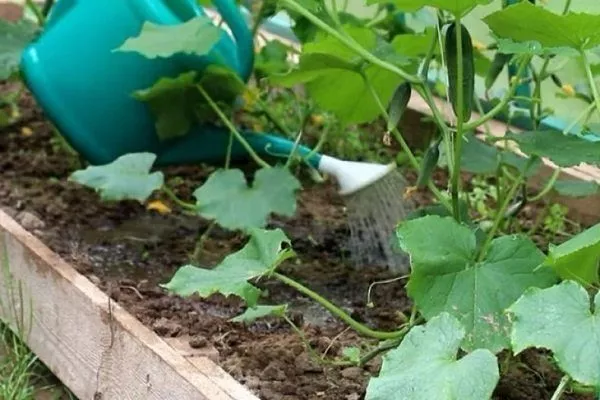
After watering, loosen the soil between the rows to remove any crusts, which is essential for vigorous plant growth. Weeding should also be done. After these steps, it's recommended to mulch the bed with dry grass or straw to prevent excessive moisture evaporation on hot days.
An overview of the rules and methods for watering cucumbers in open ground and greenhouses can be read in this article.
Top dressing
For the entire growing season the cucumber needs to be fed Several times in clear, sunny weather. Here's a rough fertilizing schedule:
- On the 14th day after emergence or after transplanting the seedlings into the soil, apply nitrogen-potassium fertilizers under the bush, which will help the plant to increase green mass and become stronger;
- at the stage of mass flowering, fertilize the plant with phosphorus;
- If the temperature regime is disturbed, carry out foliar feeding of the plant with potassium, phosphorus and iron to stabilize the shaken balance in its body;
- If the green fruits are filling slowly or if weak and small fruits are developing, add diluted liquid mullein (1:10) to the soil and also periodically feed the plant with urea or humus.
- Before planting, add compost or rotted manure at a rate of 5 kg per 1 sq. m to enrich the soil.
- After 2 weeks from germination, feed the plants with a mullein solution (1:10) to stimulate growth.
- During the flowering period, use phosphorus-potassium fertilizers to improve fruit set.
Bush formation
The Palchik cucumber variety is tall, so it's best to grow it on a vertical trellis, which the seedlings will climb. This will make spraying and harvesting easier.
If the vegetable crop is grown in a greenhouse or hothouse with a high ceiling, when 3-4 true leaves appear, the main shoot of the bush should be pinched above the trellis.
Protection from diseases and pests
To protect the plant from fungal diseases, follow all watering guidelines and avoid overwatering. Preventative treatment of cucumber bushes with chemicals and toxicants will help protect against diseases and pests.
Plant-friendly folk remedies have shown good results in controlling mites, various beetles, caterpillars, and aphids. Among these, decoctions of potato and tomato tops are the most effective for the bee-pollinated Palchik variety. Spraying the leaves and stems with copper sulfate also helps. If copper sulfate is unavailable, a soap solution can be used.
To repel slugs and parasites that settle on the roots of bushes, the bed should be sprinkled with wood ash or ash flour.
Harvesting
You can begin harvesting the ripe cucumbers 42-48 days after germination. They should be carefully picked or cut with sharp scissors. Once ripe, cucumbers should not be left on the vines for long, as they quickly overripen, turning yellow, watery, and tasteless.
It is important to remember that this variety has a long fruiting period, so the more cucumbers you collect, the more of them will appear.
Pros and cons of the variety
The Finger cucumber has the following undeniable advantages:
- long fruiting period (about 60 days);
- excellent taste and attractive appearance of universal-purpose cucumbers;
- cluster formation of cucumber ovaries;
- good transportability;
- high immunity to many fungal diseases, including tolerance to downy mildew;
- resistance to spring and autumn frosts;
- wide area of zoning;
- high yield (up to 7 kg per 1 sq. m).
The following can be identified as disadvantages of the variety:
- the need for timely pinching;
- pollination by bees;
- loss of taste and commercial qualities of cucumbers in case of overgrowth.
The Palchik cucumber is a hybrid variety that is resistant to downy mildew and produces fruit for 60 days. It can be grown both outdoors and under plastic cover. Ripe fruits can be eaten fresh or used for winter preserves.