
Othello F1 is an early hybrid that is pollinated by bees. Thanks to its uniform and long-lasting fruiting, you can enjoy delicious cucumbers until mid-September. The fruits are uniform in size, and thanks to the cluster-shaped flowering pattern, the yield will be high.
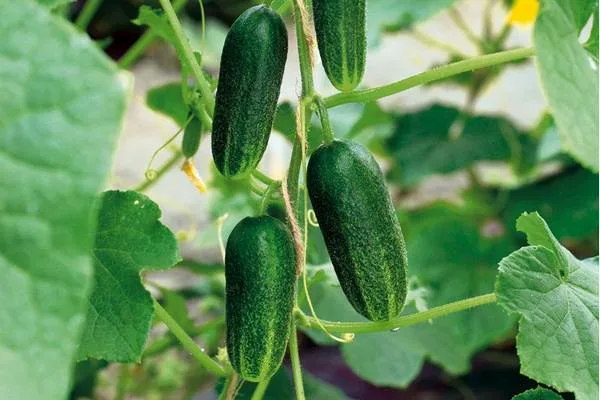
Introduction to the variety
This cucumber variety is prized for its low maintenance and abundant yield with minimal labor. When grown outdoors, it requires no artificial pollination, and in greenhouses, spraying the bushes with a boric acid-sugar solution attracts bees. It is resistant to various diseases.
Originators
The creators were Czech breeders who, in the 1980s, set out to enrich the range of local fruit crops, including cucumbers. They conducted extensive research and experiments, using all the methods and tools available at the time, to create varieties with superior quality characteristics.
The Othello hybrid first gained popularity in the Czech Republic and quickly found fans among gardeners across Europe. In 1996, it arrived in Russia, where it also attracted the attention of local agronomists and gardening enthusiasts.
External characteristics of the plant
This variety is known for its ability to climb and branch abundantly. The stem reaches an impressive height of 180-200 cm. The plant, which produces female flowers, is adorned with inflorescences resembling yellow bells. Each axil can produce up to 3-6 ovaries.
Detailed botanical description of the Othello cucumber variety:
- The root system consists of a main root that goes deep into the soil and branched lateral root shoots that provide the plant with moisture and nutrients from the soil.
- The leaves have a characteristic heart shape with five lobes and are colored a deep green.
- Budding begins in June – at this time the bushes need pollinating insects.
Description of cucumbers
Othello cucumbers are renowned for their attractive appearance and wide range of uses, making them popular among farmers looking to grow them commercially.
Key characteristics of these vegetables:
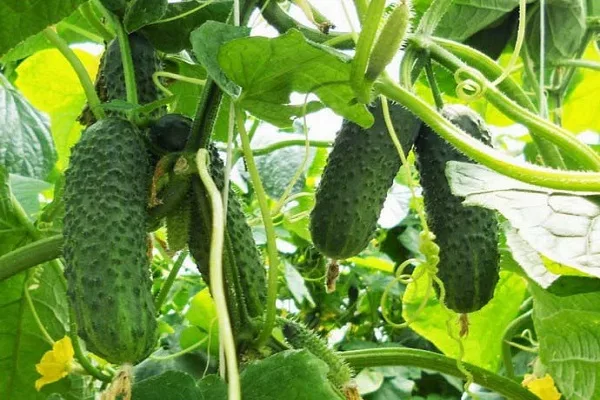
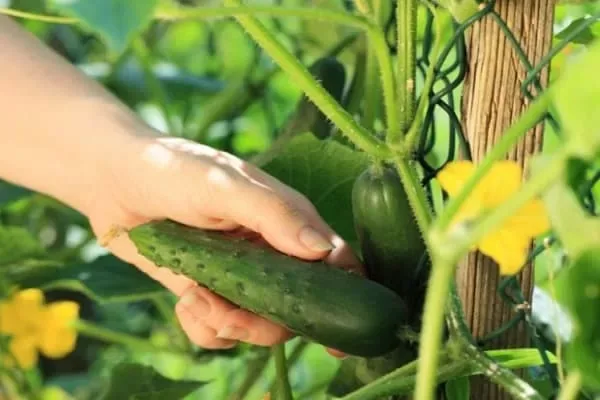
- The shape of the fruit is cylindrical, the length varies from 8 to 12 cm with a diameter of about 3 cm.
- The weight of one cucumber ranges from 70-90 g.
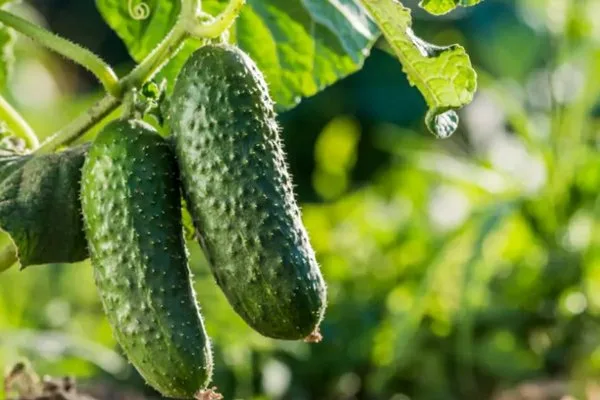
- The skin is thick, colored a rich green with fuzzy white stripes that run along the cucumber.
- The surface is covered with small tubercles and light spines, as well as a thick fleecy layer.
- Inside, the cucumber has juicy, crunchy flesh that is free of voids – it remains dense and tasty even after heat treatment.
- ✓ Female flowering type with the formation of up to 3-6 ovaries in each axil.
- ✓ High preservation of fruits during transportation.
Taste and purpose
Some gourmets prefer the Othello cucumber when it reaches the size of a gherkin—no more than 6 cm in length. It is renowned for its excellent flavor: its flesh is crisp, firm, and free of bitterness. Its slight sweetness combined with its subtle aroma gives the Othello a special sophistication when eaten.
Othello is a versatile hybrid vegetable that can be used in a variety of culinary applications. It's perfect for salads, adding freshness and crunch, and its compact size makes it an excellent choice for canning, pickling, and winter snacks.

Composition, benefits
The calorie content of cucumbers is only 14 kcal per 100 g. The vitamin and mineral composition of this variety:
- vitamins: A, B1, B2, B4, B5, B6, B9, C, E, H, K, PP;
- minerals: potassium, calcium, silicon, magnesium, sodium, phosphorus, iron, iodine, copper, selenium, fluorine, zinc.
Regular inclusion of cucumbers in your diet helps improve your health:
- they help maintain water and salt balance;
- stimulate metabolism;
- promote vasodilation;
- regulate blood pressure;
- promote the breakdown and removal of cholesterol deposits;
- help dissolve stones/sand in the kidneys and bladder;
- normalize the functioning of the pancreas;
- improve blood composition.
When it ripens and the yield
It grows rapidly thanks to bee pollination. While its cultivation will require more effort, the gardener will ultimately be rewarded with a bountiful and delicious cucumber harvest.
Peculiarities:
- The period from the appearance of the first shoots to the moment of cutting young cucumbers is from 40 to 45 days, which allows us to talk about early ripening.
- For winter storage, it is recommended to pick the fruits slightly unripe.
- Cucumbers don't ripen all at once, so it's important to check and harvest regularly. Left on the plant longer, cucumbers can grow into large fruits, retaining their sweet flavor but becoming unsightly.
This variety's productivity is stable, yielding 8 to 10 kg of cucumbers per square meter. With ideal conditions and proper care, even higher yields are possible. This is especially true when planted in a plastic greenhouse.
Soil requirements
Cucumbers don't have strict soil requirements, but soil with a neutral pH is preferable. Ideally, it should be light, airy, and well-drained.
If the soil is high in clay, add rotted leaves, wood shavings, or sand to improve the structure. It's recommended to prepare the soil before the cold weather sets in so that a simple tilling is sufficient in the spring.
Sandy or loamy soil with added organic matter creates ideal conditions for growing cucumbers. Good predecessor crops for cucumbers include potatoes, eggplants, carrots, peppers, cabbage, and tomatoes.

Climate conditions
Cucumbers can be successfully grown in various regions, regardless of climate. However, it's important to keep in mind that a lack of warmth, sunlight, and excess moisture can negatively impact yield.
If agronomic recommendations are followed, Othello bushes grow well in the Urals, southern regions, central Russia, and the Northwest region.
Agricultural technology for cucumbers
Crop production can be accomplished either through seedlings or by directly sowing seeds in the garden. Plant care includes regular tillage, weed removal, ample watering, and fertilization.
Hybrids have good resistance to the main cucumber diseases, which simplifies agronomic processes.
Direct sowing into the ground
Before winter, the area is cultivated and sown with green manure, which grows actively, accumulates green mass, and decomposes in winter, enriching the soil with essential nutrients.
Oilseed radish, phacelia, and white mustard stand out among the best green manure crops. They not only improve soil fertility but also reduce the risk of fungal diseases.
Features of sowing work:
- Green manure can either be mown and buried in the ground, or left on the surface to decompose, and the plant remains can be collected in the spring.
- Sowing of seeds in garden beds is carried out from May 20 to June 10, when the air temperature reaches at least +20-22°C, and the soil temperature is +16-18°C.
- Seeds with colored coatings do not require additional treatment, as they have already been disinfected at the factory. Untreated seeds should be soaked in a 1% permanganate solution (1 g of crystals per 100 g of water) for 15-20 minutes, then rinsed and dried.
- For farming, choose a site that faces south and is well protected from winds and drafts. It's important to practice crop rotation.
It is not recommended to plant cucumbers in the same place for several years in a row, or after crops such as zucchini, squash, and pumpkin. - Preparing the beds involves digging them to a depth of 20-25 cm using a spade. The area is fertilized with a mixture of peat, sawdust, and chicken manure (5-6 kg per square meter). The beds are then leveled with a rake and lightly compacted.
- In the center, make furrows 2-3 cm deep, pour boiling water or a hot solution of potassium permanganate over them, as well as liquid growth stimulator Energin (1 capsule per 5 liters of water).
- Place the seeds 40-45 cm apart, pressing them lightly into the soil mixture. Then sprinkle with moist soil and ground red pepper to repel ants, slugs, and mice. Finally, cover with agrofibre or plastic film to protect against possible night frosts.
- ✓ Optimum soil temperature for sowing seeds: +16-18°С.
- ✓ Distance between plants when planting: 40-45 cm.
- ✓ Seeding depth: 2-3 cm.
Planting using seedlings
To speed up cucumber growth and start harvesting earlier, it's recommended to use the seedling method. Important points:
- Seeds are planted around April 15th, and the planting depth should not exceed 1.5-2 cm.
- Before sowing, treat with growth stimulants - Epin, Ivin or Zircon, place the planting material in a moistened substrate consisting of two parts peat and humus and one part sawdust.
- Before sowing, disinfect the soil with a solution of potassium permanganate or Fitosporin-M.
- To grow seedlings, use 500 ml peat pots or large plastic cups, which can be easily cut open for transplanting, eliminating the need for picking. Cover the seed containers with plastic wrap and move them to a warm, dark place.
- After the primary shoots appear, move the seedlings to a south-facing windowsill, remove the cover and, if necessary, provide additional lighting using phytolamps.
- Water the seedlings with warm, settled water 1-2 times a week.
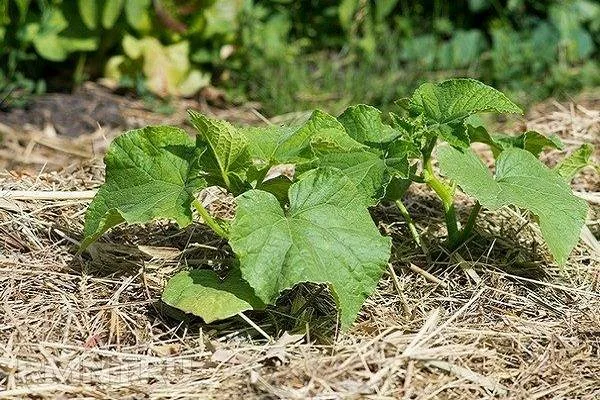
- When the shoots develop 4-5 true leaves, transplant them to a permanent location. To do this, dig holes 18-20 cm deep and 65-75 cm apart.
- Transplant the seedlings with a lump of soil or directly in peat pots. Cover the roots with soil, compact it lightly, and moisten well.

Stages of cucumber care
The plants don't require much care, but the beds need adequate water and fertilizer. Once the seedlings are planted, it's important to monitor the soil moisture around them and provide reliable support for the stems, which will twine and grow rapidly.
Processing the garden bed
For active root development, the soil must be nutritious and well-aerated. To improve soil permeability and even moisture distribution, the following steps should be taken:
- regularly remove weeds that compete with crops for water and nutrients and shade them;
- Perform surface loosening of the bed during weeding and after watering, which will help break up the dense crust on the surface and improve the access of air and moisture to the roots;
- To stimulate root growth and retain moisture in the soil, it is useful to hill the bushes 2–3 times per season to a maximum height of 8 cm;
- To reduce the frequency of weeding and watering and maintain the looseness of the soil around the bushes, it is useful to mulch the beds using dry straw or sawdust.
Watering and fertilizing
Othello bushes require careful care, especially when it comes to watering and fertilizing. It's important not to overwater the soil to prevent disease. Regular fertilization promotes abundant fruit set and uniform ripening.
Key points for Othello procedures:
- In the first days after transplanting, plants should not be watered.
- Water the soil when the top layer of soil has dried out, but a dense, dry crust has not yet formed.
- For watering, use settled water, the temperature of which is not lower than +18-22°C.
- Direct water to the roots, avoiding drips on the foliage.
- The best time for water treatment is in the evening, when water is better absorbed.
- Fertilizers are applied 4-6 times per season, with intervals of at least 10-12 days.
- During active growth of greenery, use solutions of mullein and bird droppings.
- During the period of budding, activation of flowering and formation of fruits, water the bushes with liquid mineral complexes containing potassium and phosphorus.

Features of formation
Under optimal gardening conditions, this variety produces impressive yields, with each shoot producing numerous fruits. To improve and accelerate ripening, the plant's shoots should be carefully tied to vertical supports.
This approach promotes proper bush development and allows for efficient use of space, especially in confined areas or greenhouses, as cucumber climbing shoots require a significant amount of space.
To ensure that fruits ripen simultaneously on a single plant, the number of ovaries should not exceed 18. To achieve this, it is recommended to prune the side shoots when they have reached this number, leaving 2-3 leaves above the last ovary.
Diseases, pests
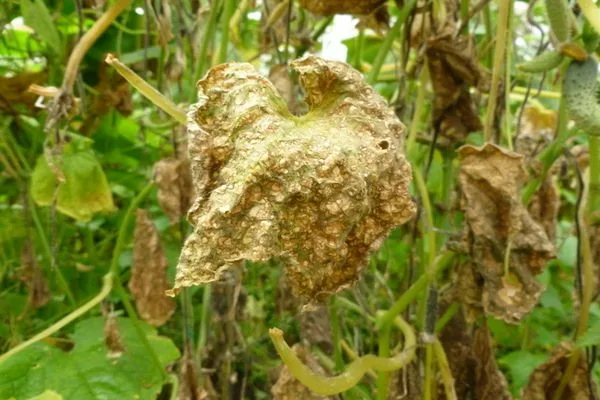
Maintaining the recommended microclimate conditions in a greenhouse and following the recommended cultivation practices for open ground provides Othello cucumbers with reliable immune protection against diseases and pests. However, if the air temperature drops, the humidity rises, or the watering schedule is disrupted, the plants can fall prey to insects or pathogens.
Specific problems that gardeners may encounter when growing Othello cucumbers:
- Root rot. This disease manifests itself through wilting leaves, darkening of the root collar, root decay, and a reddish tint. The disease most often affects cucumbers grown in greenhouses, but can also occur in open gardens.
Remove infected plants from the area, and hill up partially infected bushes and water them (at least 22-25°C). Use Trichodermin or Previkur as a pest control. - Greenhouse whitefly. These are small white insects. They actively reproduce in warm, humid environments. Whitefly infestations on cucumbers result in the formation of a whitish, powdery coating on the foliage, stunted growth, and wilting.
To control pests in cucumber beds, wipe the leaves with a damp cotton pad. The scent of tobacco planted nearby helps repel butterflies. In case of a severe infestation, purchase insecticides such as Karbofos or Iskra. - Aphid. Insects that settle on plant leaves, feeding on their sap. Signs of aphid infestation include drying and curling of leaf blades, the appearance of a sticky coating on stems, and the dropping of flowers and ovaries.
To control aphids during the fruiting period, spray with garlic or wormwood infusion. For extensive infestations, use Fitoverm or Intavir. - Spider mite. This pest wraps a fine white mesh around the undersides of plant leaves and sucks their sap. Small spots appear on the affected parts, which eventually lead to yellowing and leaf drop.
At the beginning of an infestation, you can control the mites by wiping the leaves with a cotton pad soaked in soapy water. If the pest infestation is severe, spray the bushes with Fitoverm.
To prevent such problems from occurring, it is enough to follow simple preventative measures:
- maintain optimal microclimate conditions in the greenhouse;
- follow instructions for adequate watering of plants;
- avoid excessive planting density;
- observe crop rotation rules;
- Regularly weed the beds and remove plant debris.
Harvesting and storage
The cucumber harvest begins one and a half months after the seeds have sprouted and continues throughout the entire fruiting period.
Follow these guidelines for effective harvesting and storage of Othello cucumbers:
- Cut the fruits every 2-3 days to promote the development of new cucumbers;
- Give preference to vegetables that are 6-8 cm long and not yet fully ripe;
- Use a knife to carefully separate the fruit from the stem to avoid damaging the plant;
- Harvest in the morning or evening hours when the fruits are at their most elastic;
- store fresh cucumbers in a dark room at a temperature of +5…+8°C and humidity of 85-95%;
- Avoid adding damaged and overripe fruits to the general mass, as they quickly lose their properties;
- Store in boxes or plastic containers, allowing air to circulate to preserve their flavor;
- If you follow all these recommendations, fresh cucumbers can be stored in perfect condition for 10 to 15 days.
During storage, cucumbers must be periodically turned over and checked for rot in order to promptly remove spoiled fruits.
Positive and negative qualities
Farmers often choose this type of vegetable for planting on both large and small farm plots due to its many benefits.
The key advantages of the Othello variety include:
Compared to the numerous advantages, the disadvantages of this cucumber variety seem minor. The disadvantages of Othello cucumbers include:
Reviews of the Othello cucumber variety
The Othello variety has two key advantages that make it popular for commercial cultivation: excellent transportability and an attractive appearance. Gardeners also love these cucumbers for their ease of planting and cultivation, as well as their generous yields.