
The Okoshko cucumber is one of the most popular hybrids, chosen by both novice and experienced growers. It boasts good yields, excellent taste, and easy care. Comprehensive care is essential for strengthening the plant's immune system, producing high-quality cucumbers, and high yields.
Introduction to the variety
This hybrid plant grows successfully both outdoors and on balconies or windowsills. Thanks to its comprehensive disease resistance, it's becoming increasingly popular among gardeners and fresh vegetable lovers.
Originators
Created by Russian breeders Vladimir Georgievich Kachainik, Mikhail Nikolaevich Gulkin, and Galina Vladimirovna Golovko, it was approved for use in 2019. It is a self-pollinating parthenocarpic variety, capable of producing fruit without pollination.
External characteristics of the plant and cucumbers
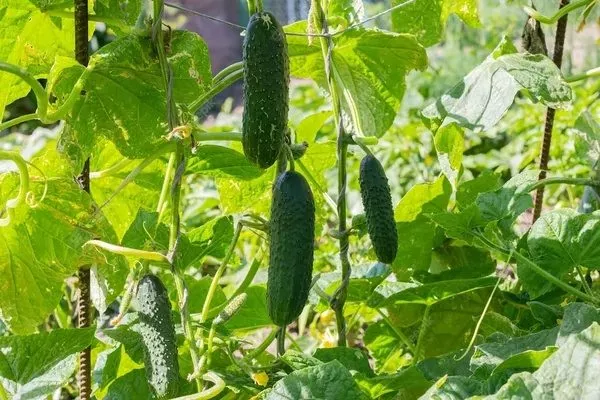
The bush is characterized by an indeterminate growth habit and weak branching. The shoots are covered with medium-sized leaves, tinged with green. The plants are medium-vine, producing numerous female flowers—about 4-5 per node.
| Parameter | Meaning |
|---|---|
| Length of fruits | 10-14 cm |
| Fruit weight | 80-90 g |
| Fruit shape | Cylindrical |
| Coloring | Green with short stripes |
| Surface | Medium tuberculate |
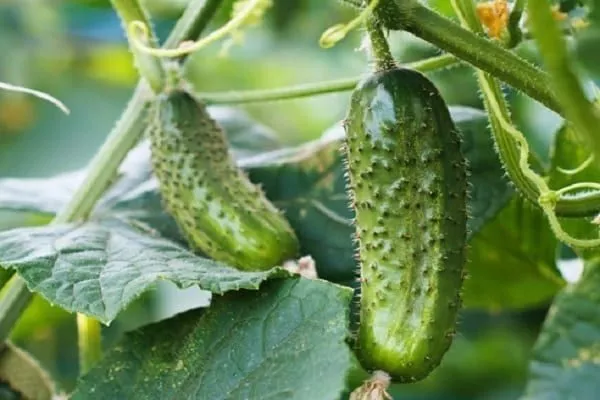
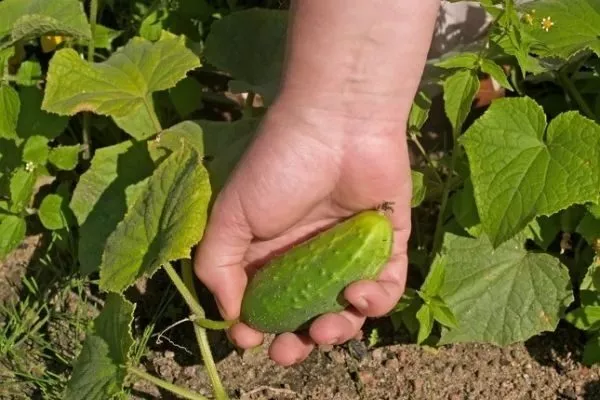
The fruit length varies from 10 to 14 cm. Each cucumber weighs 80-90 g. The fruit is cylindrical, green with short stripes. The surface is moderately tuberculate with densely spaced tubercles.
Taste and purpose
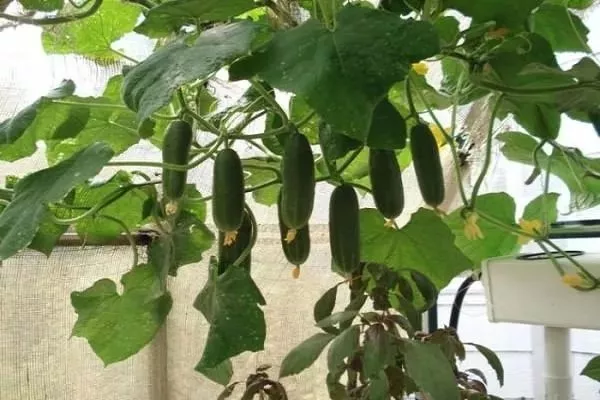
The vegetables are used both fresh and for pickling and preserving. They have an excellent flavor without bitterness, making them attractive to consumers.
Okoshko cucumbers are rich in vitamins A, C, and B, as well as minerals (potassium, magnesium, and calcium). They are low in calories and rich in fiber, which helps improve digestion and maintain normal blood sugar levels.
When ripe, the yield
The fruits reach full maturity 41-43 days after germination. The average yield of this variety is 10-11 kg per square meter when grown under plastic covers.
Positive and negative qualities
Many gardeners research an unfamiliar variety's pros and cons before growing it. Okoshok has many advantages:
Gardeners note the only drawback of the hybrid: the impossibility of obtaining one’s own seeds.
Landing features
The crop can thrive and produce yields even in small containers. However, it is sensitive to cold temperatures, so its outdoor cultivation is limited to the Lower Volga and North Caucasus regions.
Soil preparation
Begin the first stage of soil preparation for seedlings in the first days of autumn, immediately after harvesting. Clear the soil of debris, dig to a depth of 50-55 cm, treat with a solution of Fitosporin, and enrich with humus.
- First stage: cleaning from debris and digging to a depth of 50-55 cm, treatment with Fitosporin, enrichment with humus.
- The second stage: weeding, loosening to a depth of 20 cm, fertilizing with a mixture of cow dung and compost with straw.
Start the second stage in early April: weed the area, loosen it to a depth of 20 cm and fertilize it with a mixture of cow dung and compost with straw.

Germination of seeds
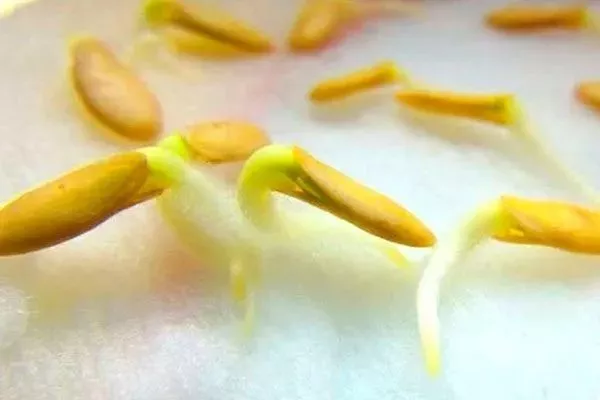
Begin germinating the seeds around mid-April. Plant the seeds 1.5-2 cm deep in shallow (25 cm) pots, placing 1-2 seeds in each. Maintain the temperature at 26°C until sprouts appear, then reduce it to 24°C.
Transplanting
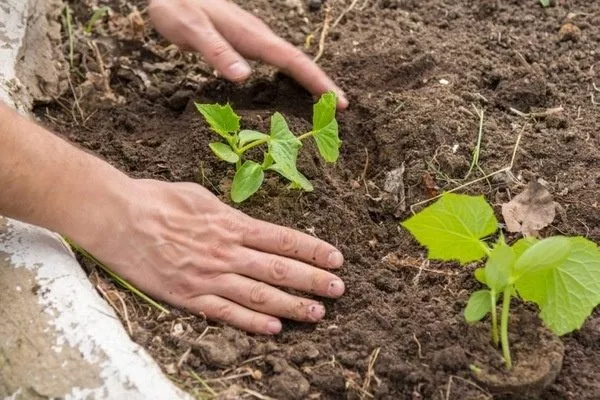
Transfer the plants to the garden bed around May 10th, when they are 27-28 days old. By this time, the seedlings will have about 4 full-fledged leaves. The soil should warm to 15°-16°C.
Nuances of cultivation
Caring for the Okoshko hybrid is fairly simple. It primarily requires protection from frost, infrequent but nutritious feeding, regular watering, and timely weeding. During particularly cold seasons, it's helpful to mound the plants to a height of up to 25 cm.
Irrigation
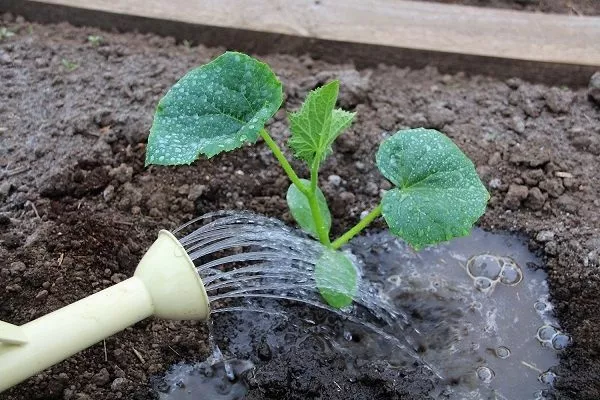
This is a moisture-loving plant. In an apartment, water the plants every other day or daily, depending on the temperature. In open ground or in a greenhouse, water every 2-3 days.
- ✓ Water volume: 4 liters per bush
- ✓ Watering frequency: in open ground - once every 2-3 days, in an apartment - daily or every other day
- ✓ Water temperature: +25°С
- ✓ Watering time: late evening
The optimal watering volume is 4 liters per bush. The best time to water is late evening. The ideal water temperature for irrigation is 25°C, and allow the water to sit in the sun for at least half an hour before use.
Top dressing
The Okoshko hybrid responds well to organic and mineral fertilizers. Apply fertilizers in the following order:
- When the 4th leaf opens. Feed with nitroammophoska or ammonium nitrate.
- At the beginning of flowering. Use ash powder or urea solution.
- Immediately after the inflorescences fall. Use chicken manure or compost.
- At the moment of formation of ovaries. Apply potassium salt or monophosphate.
To enhance the effect of fertilizers and prevent the soil from drying out, mulch the plantings with a 10-15 cm layer of peat or straw.
Diseases and pests
The Okoshko cucumber is considered fairly resistant to most common diseases. This variety is almost immune to root rot and powdery mildew. However, it may be susceptible to certain diseases and pests:
- Olive spot (toLadosporiosis). The plant is susceptible to severe temperature fluctuations and frequent heavy rainfall. The main symptom is waterlogged, grayish-olive lesions on the leaves.
You can cure plantings from cladosporiosis by spraying them twice with Oxyhom or Bordeaux mixture before flowering, with a 10-day break in between. - Whitefly. This parasite most often infests plants in protected soil. A sticky, sweetish coating on young shoots is a sign of whitefly presence.
To combat pests, spray the beds with Admiral or Aktara insecticides. Planting marigolds around the area will help protect the bushes—their scent repels insects. - Spider mite. Pests settle on bushes during the dry season and elevated temperatures. A grayish-transparent, sticky web on the leaves indicates the presence of mites.
Contact acaricides like Etisso or Alatar will help get rid of the insect. For prevention, spray the bushes with dandelion infusion before flowering.
To successfully grow cucumbers on your windowsill, follow the recommendations of plant breeders. For indoor garden beds, everything is important: soil composition, growing conditions, and regular inspection for signs of disease or pests.
Harvesting and storage
The first gherkins begin to ripen in mid-June. They ripen very quickly, so harvest them daily to avoid overgrowing them. Harvest them late in the evening, 5-10 minutes after watering.
Reviews
Okoshko cucumbers are an excellent choice for those looking for a reliable and productive variety with excellent flavor. Thanks to its resilience, strong immunity, and ability to produce consistent yields even in limited space, this hybrid is deservedly popular among gardeners. The key is timely agricultural practices.