
Like any other plant, cucumbers can suffer from various diseases or be attacked by insects. This most often occurs if they are grown in unfavorable conditions or if they were cultivated with gross violations of soil requirements and agricultural practices.
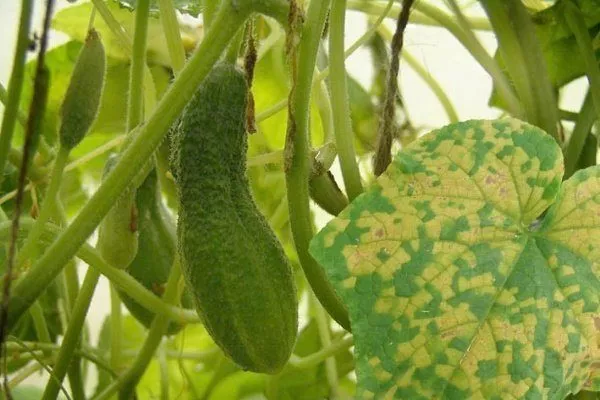
Cucumber pests
In most cases, cucumbers are attacked by insect pests. They are easy to spot; regular inspection of the plants is required, and control should be initiated at the first sign of an infestation. Failure to take action promptly can result in crop loss and the destruction of all plants.
| Name | Size | Color | Habitat |
|---|---|---|---|
| Cucumber mosquito | 4 mm | Dark gray with red and brown hues | Greenhouses |
| Spider mite | 0.5 cm | Red or green | The lower part of the leaves |
| Greenhouse whitefly | Small, no bigger than a seed | White | Greenhouses |
| Root nematode | 2 mm | Brown | Plant roots |
| Mole cricket | 5 cm | Brown | Humid areas and greenhouse zone |
| Thrips | 2 mm | Black or brown | Leaves |
| Sprout fly | 5 mm | Grey | Soil |
| Melon aphid | 2 mm | Green | Leaves |
| Slugs | Long | Gray or brown | Dark and damp places |
| Wireworm | 5 cm | Yellow or brown | Soil |
| The cutworm | Up to 5 cm | Brown | Leaves |
| Cucumber beetle | Up to 1 cm | Yellow with black stripes | Soil and plants |
- ✓ The soil cultivation depth before planting should be at least 25 cm to ensure good aeration and water permeability.
- ✓ The optimal soil pH for cucumbers is 6.0-6.8. If the pH deviates, it is necessary to adjust the acidity.
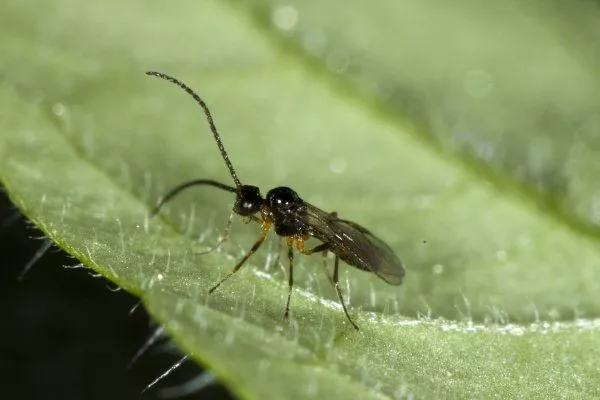
Cucumber mosquito
This small insect, about 4 mm in length, is dark gray with reddish and brown hues, and has translucent wings. Females lay eggs on the soil surface; after a week, the larvae hatch and migrate to the plant, where they continue to grow. They can also penetrate the stem itself, where they pupate.
The midge attacks plants grown in greenhouses, with weakened plants suffering from root disease being the most vulnerable. The white larvae cause the most damage. They bore tunnels into the roots and attack the stem from within. Affected parts of the cucumber begin to rapidly wilt and dry out. The plant is no longer able to develop fully and properly.
Mosquitoes can infect cucumbers with other diseases.
Pest control:
- disinfect the surface layer of soil using chemicals;
- spray adult individuals with Thiophos or Chlorophos;
- If a mass pest infestation occurs, use Fufanon – spray the soil with this insecticide after the seeds have been sown or the cucumber seedlings have been planted.
Prevention:
- Conduct heat treatment of the soil before you start planting cucumbers;
- use only strong and completely healthy seedlings;
- add a special insect repellent to the soil, for example, granulated Bazudin;
- Disinfect the greenhouse walls between seasons.
Spider mite
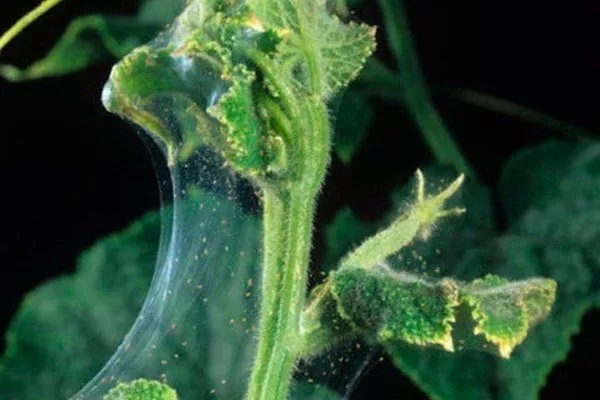
This insect is about 0.5 cm long. Adults live in the soil, where they lay their eggs. In the spring, the hatched larvae attack cucumbers. The tick's lifespan is no more than 30 days, but it reproduces rapidly, especially in arid climates.
The pest settles on the underside of the leaf and then begins actively sucking out plant juices. Initially, white spots appear on the leaf surface, gradually developing a marbled appearance. Cucumbers lose chlorophyll.
The main sign of spider mite infestation on cucumbers is the appearance of white webbing covering the entire plant. The pest can also transmit gray mold, which is very difficult to eliminate.
Pest control:
- destroy all affected parts of the cucumber;
- Treat the bush several times using ammonia, hydrogen peroxide, tobacco dust, and turpentine – when the first signs of a tick are noticeable;
- pollinate cucumbers with an herbal infusion made from dandelions, sorrel, garlic or onions;
- Spray cucumbers with special biological preparations - for example, Akarin, Kleschevit, Vertimek;
- After the final harvest, treat the greenhouse with a Kelthane solution - dissolve 25 g of the product in 10 liters of water.
Before starting treatment, remove all spider mite webs from the plants, as they can collect particles of the product and significantly reduce its effectiveness.
Prevention:
- Before planting seedlings, thoroughly cultivate the soil;
- remove weeds in a timely manner - pests may live on them;
- When growing cucumbers in a greenhouse, monitor the temperature and humidity levels (no more than 70%);
- enrich the earth with phosphorus;
- Disinfect the greenhouse frame during the off-season.
Greenhouse whitefly
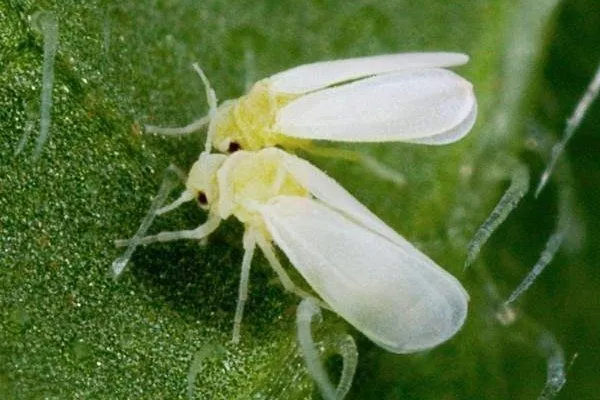
This tiny insect, no larger than a seed, is native to South America. It can produce 15 generations in a single year. Whiteflies are voracious. They most often attack plants grown in greenhouses. In just a couple of days, they can easily destroy an entire bed of cucumbers. They are most active at high temperatures. They survive cold weather in the ground and can also live in plant debris. Yellowish larvae emerge on the underside of leaves.
Signs of pest presence include blackening of the leaves. They curl and dry out quickly. There is a risk of losing a large portion of the harvest, as adult insects feed on the foliage.
Pest control:
- destroy all affected plants;
- Hand-pick up pests;
- Use ladybugs or lacewings - these are natural antagonists of whiteflies that hunt for the pest larvae;
- to treat plantings, use herbal infusions prepared from dandelions, yarrow, and garlic;
- If the pest is rapidly multiplying, use special chemicals, such as Musson or Aktara.
Prevention:
- carry out disinfection treatment of the greenhouse;
- don't forget to sterilize the soil before planting seedlings;
- remove all plant debris from the area, as pests may survive the winter in them;
- Treat the greenhouse with bleach.
Root nematode
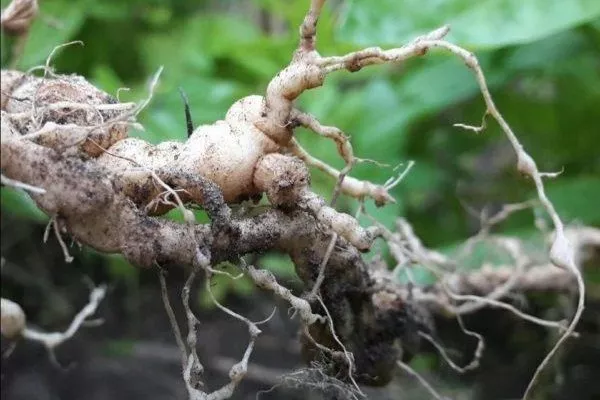
This is a small worm, no more than 2 mm in size. A single female can produce approximately 15 generations per year. More than 60 species of this pest are currently known. The most dangerous is the plant-feeding insect. A growth or swelling appears on the affected area.
Pest control:
- thoroughly steam the soil in the greenhouse at a temperature of at least 100 degrees - the procedure should last at least 3 hours;
- treat the soil and roots with a solution of Carbation;
- use Actofit or Fitoverm.
It is impossible to get rid of the insect completely, but there is a chance to significantly reduce the pest population.
Prevention:
- grow seedlings separately;
- Before planting, carefully inspect the roots of cucumbers;
- Minimize visits to the greenhouse, which will help prevent insects from being introduced inside;
- Plant cabbage and garlic next to cucumber beds.
Mole cricket
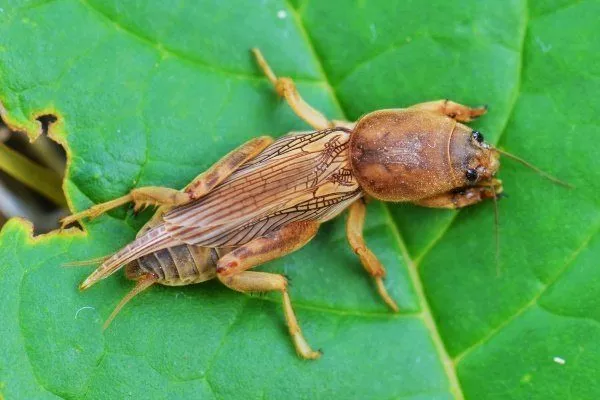
A large brown insect, its body can reach about 5 cm in length; females have wings. It inhabits humid areas and greenhouses, emerging above the soil surface only at night.
It's easy to spot a mole cricket in your yard because it leaves distinctive holes in the soil. The mole cricket can damage plant roots it encounters as it digs a new tunnel.
The insect can be both harmful and beneficial, as it creates tunnels in the soil, saturating it with oxygen and stimulating the growth of beneficial fungi and bacteria. This significantly improves soil quality.
Pest control:
- use chemicals - for example, Grizzly, Thunder;
- use biological preparations as bait (Antimerdka);
- If you find holes left by a mole cricket, pour soapy water over them.
Prevention:
- in spring, dig the soil deeply;
- Pour boiling water over any eggs you find;
- Plant plants that the mole cricket does not tolerate near the cucumbers, such as bird cherry, alder, marigolds, and marigolds;
- treat the seedlings with Prestige, Aktara;
- Attract insect-eating birds and animals to your property.
Thrips
The pest is small, no more than 2 mm in diameter. It's difficult to spot. Larvae can be seen on the underside of foliage. Adults constantly jump from leaf to leaf. The female lays eggs on the leaves, and the hatched larvae immediately inhabit the plant.
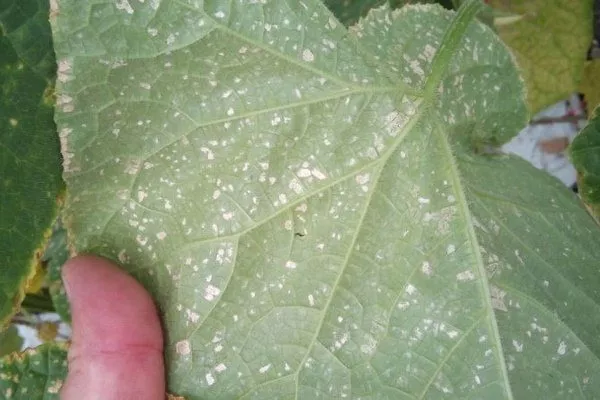
By settling on leaves, the pest quickly sucks all the juices from the foliage. If cucumbers are infected, small white streaks appear on the bushes, quickly merging into a large spot. Holes form, after which the leaves die. Plant growth stops, development begins to lag, and fruiting declines.
Pest control:
- use chemicals regularly - Actellik, Fitoverm, Intavir (treat both the plant and the soil);
- After treatment, cover all bushes with film and leave for 24 hours;
- You can also use a predatory insect such as the Amblyseius mite.
Prevention:
- remove weeds in time;
- dig the soil regularly;
- disinfect the soil;
- Use special sticky traps.
Sprout fly
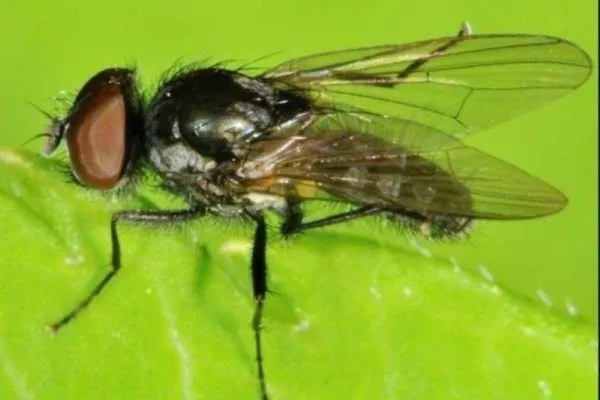
The fly is no more than 5 mm long. The female lays eggs in the upper soil layer. After 18-19 days, the larvae develop into pupae, which overwinter in the soil. The pest becomes active in late April.
Eggs remain viable only if they are kept in a moist environment.
Only hatched larvae can cause damage to plants. They feed on seeds or young shoots and can partially or completely damage seedlings. On larger leaves, they penetrate the stems, then weaken the plant by sucking out all its sap. Young plants suffer the most.
Pest control:
- Treat seeds with a growth stimulant before planting;
- use insecticides;
- Use predatory beetles such as ground beetles and aleochara.
Prevention:
- promptly remove not only weeds, but also plants after harvesting;
- Dig the soil deeply, add organic fertilizers;
- plant seedlings or seeds before the larvae become active;
- Do not sow cucumber seeds in the ground, use already grown and strengthened seedlings.
Melon aphid
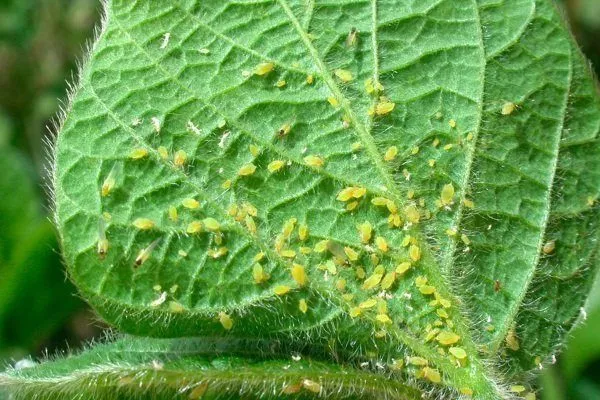
This oblong insect, no more than 2 mm long, is polyphagous and voracious. Females are wingless, but produce offspring that do. At temperatures above 12 degrees Celsius, melon aphids begin to actively reproduce. Green larvae inhabit weeds. They then settle on garden crops, which they feed on.
The main sign of the pest's presence is curled leaves and dryness in the affected areas. If damage is severe, sooty mold begins to proliferate.
Pest control:
- treat the soil and greenhouse with Karbofos;
- reduce the amount of watering;
- a ladybug that hunts aphids can help;
- Spray the plant with a solution of onion peel or vinegar.
Prevention:
- remove weeds in a timely manner;
- do not allow plantings to become too dense;
- apply various types of fertilizers;
- to spray the bushes, use an infusion of hot pepper;
- dust cucumbers with tobacco dust and soap solution, use ash;
- In the fall, remove weeds and cucumber remains.
Slugs
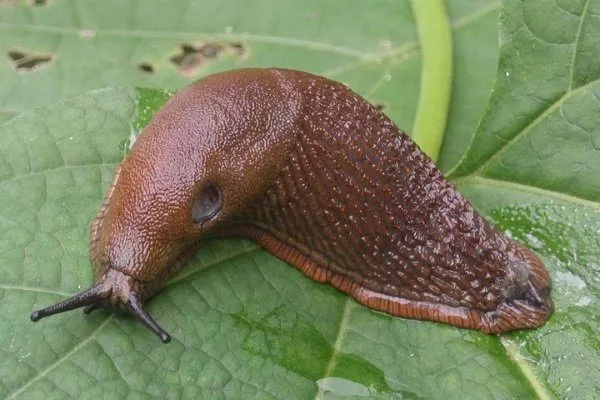
These long, slippery mollusks move slowly and inhabit dark, damp places. The larvae hatch in the spring and, after reaching two months of age, begin to damage garden plants. Slugs can feed on both leaves and fruits.
Pest control:
- collect adult slugs by hand;
- treat the beds with copper or iron sulfate;
- use chemical poisons - for example, Slime Eater or Meta;
- around the beds, pour a layer of eggshells (can be replaced with sand, soda or spruce needles), which will become a barrier for slugs;
- Powder the places where slugs accumulate.
Prevention:
- Plant cucumber seedlings as late as possible and only in a permanent location;
- fertilize with ammonia and superphosphate;
- treat the beds with metaldehyde;
- When digging, add ash and lime to the soil.
Wireworm
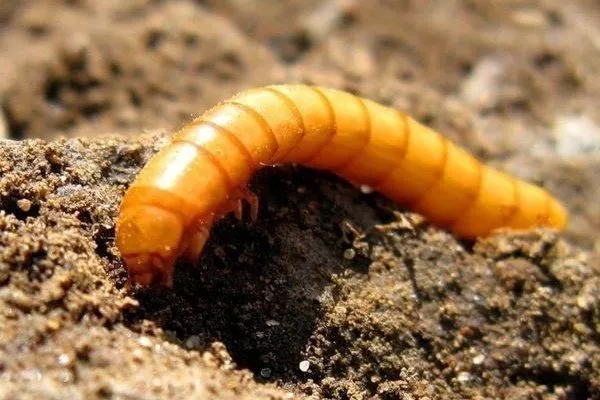
This insect resembles a worm, about 5 cm long. The two-year-old click beetle larva is a soil-dwelling pest that feeds on a variety of plants. It takes a long time – about two years – for the offspring to mature. An infestation of this pest can destroy an entire crop.
Pest control:
- collect it by hand;
- use Calypso;
- Loosen the soil.
Prevention:
- Before winter, be sure to dig up the soil;
- control soil acidity;
- remove weeds in a timely manner;
- plant legumes around the cucumber beds;
- When planting seedlings in a hole, use potassium permanganate.
The cutworm
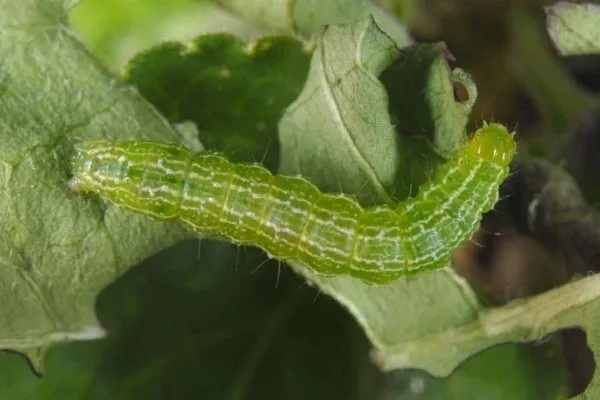
This is one of the most dangerous pests, affecting many vegetable crops. It can produce up to two generations in a single season. Cutworm moths are active at night. They overwinter in deep soil, pupating with the onset of warm weather and emerging towards the end of June. The female lays eggs on the leaves of various plants.
Butterfly larvae (caterpillars) cause significant damage to plants. Young caterpillars begin feeding on the underside of foliage. Older caterpillars inhabit leaf blades and completely destroy them. They can also feed on fruit, chewing holes in them.
Pest control:
- To catch butterflies, use bait - for example, fermented kvass with yeast added to it;
- Hand-pick up all pests;
- Treat cucumber plantings thoroughly with wormwood infusion;
- Use biological preparations such as Agravertin or Fitoverm.
Prevention:
- dig the soil deeply;
- Treat the soil additionally – steam it, disinfect it, and remove weeds in a timely manner;
- Treat cucumbers with targeted products.
Cucumber beetle
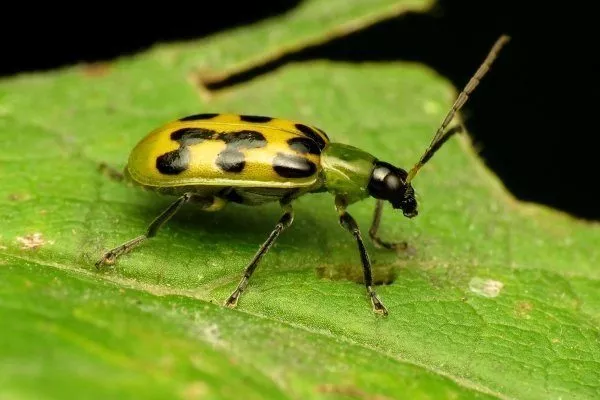
This is not only a very dangerous but also a rare pest. It resembles a common Colorado potato beetle in appearance, with the same yellow stripes on its shell. It reproduces in the soil, after which the larvae migrate to the plant where they feed.
The greatest damage to cucumbers comes from larvae, which burrow into stem and leaf tissue, disrupting their life cycles. The affected plant turns yellow and wilts. These beetles can carry a wide variety of diseases. If action is not taken promptly, the entire crop will be destroyed.
Pest control:
- carry out manual collection of all beetles;
- use yellow sticky tapes.
Prevention:
- Using a manganese solution, disinfect the soil before planting cucumbers;
- Cover the beds with film to prevent bugs from getting onto the cucumbers.
Cucumber diseases
Cucumbers often suffer from various diseases. Without timely control measures, there is a risk of losing the entire harvest. Cucumbers can be affected by bacteria, viruses, and fungi. Diseases spread rapidly, affecting both cucumbers and other nearby plants.
| Name | Type of disease | Symptoms | Methods of control |
|---|---|---|---|
| Anthracnose (scarden) | Fungal | Brown spots on leaves and stems | Fungicide treatment |
| Alternaria | Fungal | Brown spots on leaves | Fungicide treatment |
| Ascochytosis | Fungal | Gray spots on stems and leaves | Removal of affected parts |
| Bacteriosis | Bacterial | Angular spots on leaves | Treatment with bactericides |
| White mosaic | Viral | White spots on leaves | Removing affected plants |
| Ordinary mosaic | Viral | Mosaic patterns on leaves | Removing affected plants |
| Green speckled mosaic | Viral | Green spots on leaves | Removing affected plants |
| Powdery mildew | Fungal | White coating on leaves | Fungicide treatment |
| Peronosporosis | Fungal | Yellow spots on leaves | Fungicide treatment |
| Rhizoctonia | Fungal | Black spots on the roots | Fungicide treatment |
| Tracheomycosis (fusarium and verticillium) | Fungal | Wilting of leaves | Fungicide treatment |
| Gray mold | Bacterial | Gray coating on fruits | Removal of affected fruits |
| Root rot | Fungal | Root rot | Fungicide treatment |
| Cladosporiosis (olive spot) | Fungal | Olive spots on leaves | Fungicide treatment |
| Sclerotinia (white rot) | Fungal | White bloom on stems | Removal of affected parts |
Anthracnose (scarden)
This is a fungal disease caused by microscopic spores of the Colletotrichum family. It affects most garden crops, with cucumbers grown in greenhouses being most frequently affected.
The fungus can be transmitted by weeds that weren't removed from the area in the fall. It becomes active at high temperatures and humidity levels of approximately 90%.
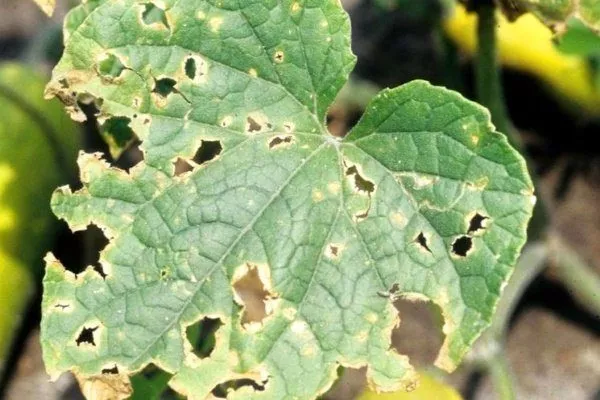
The fungus can infest various parts of the plant. If a young plant is affected, a brown spot forms on the root collar, which thickens slightly inward. The affected area rapidly develops, thinning the stem until it breaks, and the plant dies completely.
It's difficult to detect the disease in its early stages, as the fungus initially appears on only a few leaves. Over time, the stems and leaves of cucumbers turn a rusty-brown color. Torn areas and holes may appear. In damp weather, the affected areas begin to rot and dry out in hot weather.
Treatment of the disease:
- Throughout the growing season of cucumber bushes, spray them with antifungal agents;
- The most effective fungicides are Topaz, Fitosporin, Bordeaux mixture;
- During the seedling growing period, if anthracnose is detected, destroy the plant and additionally treat the soil with a fungicide.
Prevention:
- plant hybrid varieties of cucumbers that are resistant to the disease;
- use organic matter and biopreparations that help improve the soil;
- observe proper crop rotation;
- In autumn, remove all plant debris;
- dig the soil deeply;
- Treat the seeds with a manganese solution before planting.
Alternaria
A disease affecting greenhouse plants. It can be transmitted by seeds or plant debris not harvested in the fall. The fungus is activated by warmth and moisture.
If seedlings are affected, raised, brown spots resembling growths may appear on the leaves. These gradually grow larger and affect the entire leaf, after which it dies.
Treatment of the disease:
- if more than half of the planting is affected, all actions will be useless;
- carry out treatment at the initial stages using Quadris, Bravo;
- If you find a lesion, immediately treat the cucumbers twice with Poliram.
Prevention:
- adhere to crop rotation rules;
- In autumn, destroy all remaining vegetation;
- Use only completely healthy seeds.
Ascochytosis
A fungal disease (also known as black rot of cucumber), the spores of the fungus are transmitted by infected seeds. Cucumbers grown in greenhouses are particularly vulnerable. The fungus becomes active in the spring, affecting the weakened part of the plant first.
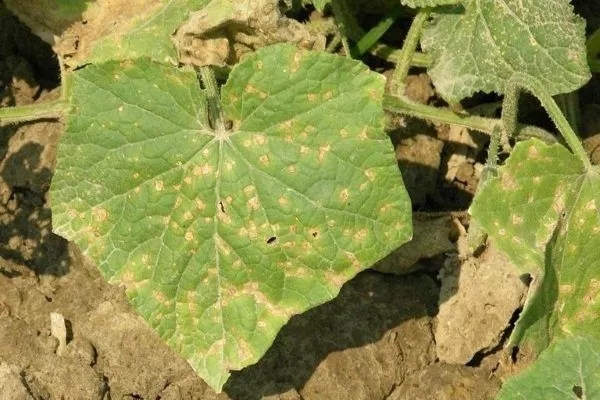
As the disease spreads rapidly, water-soaked, grayish spots appear on the surface of the stems, gradually turning white. The spots quickly spread to other parts, and over time, the leaves turn brown. Eventually, the fruits are affected—they wilt, wither, and begin to decay. Cucumbers become coated with a film and slime, turning completely white.
Treatment of the disease:
- remove affected parts;
- To disinfect the greenhouse, use formalin and steam the soil;
- during sowing, treat the seeds with fungicides - for example, Thiram, Vincit;
- If the foliage is damaged, treat the bushes with Bordeaux mixture;
- If the stems are infected, treat the bushes with a powder containing copper.
Prevention:
- water cucumbers in the evening only with warm water;
- Keep young seedlings under film until they get stronger;
- don't forget about proper crop rotation;
- choose cucumber varieties that are resistant to the disease;
- When preparing the garden bed, add chemicals to the soil;
- Grow green manure plants in advance where you plan to plant cucumbers.
Bacteriosis
Bacterial disease. The greatest danger lies in the fact that bacteria can produce dangerous toxins that damage the cucumbers and lead to their rapid death. High humidity promotes rapid fungal growth. The development of pathogenic microflora occurs in areas where simple agricultural practices are not followed.
Most often, the fungus appears in soils that have been oversaturated with nitrates.
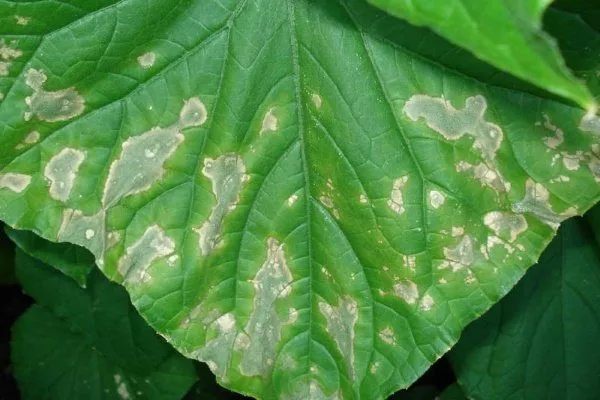
This disease, also known as angular leaf spot, causes distinct angular spots to form on the leaves, with an oily coating appearing on the surface. If the weather is dry and windy, these areas become wind-blown, then dry out and fall apart. Only the leaf blade's skeleton—the yellow veins—remains.
Treatment of the disease:
- treat or destroy infected parts of the bushes;
- use an insecticide and fungicide (for example, Bayleton and Actellic);
- Apply Style with Climate.
Prevention:
- Disinfect seeds before sowing;
- plant cucumbers in dry and sunny areas;
- In autumn, dig the soil as deeply as possible;
- loosen the soil in the garden bed after watering the cucumbers;
- control the microclimate in greenhouses;
- select varieties that are resistant to the disease;
- Treat the bushes with onion infusion.
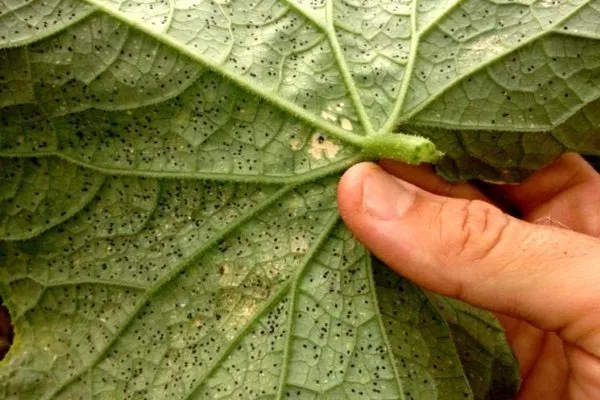
White mosaic
A viral disease transmitted by weeds and infected tools. The pathogen can live on soil or seeds.
The disease manifests itself on the leaves, which become covered with net-like white or yellow growths. Gradually, the leaf turns completely white. If left untreated, the fruit also begins to suffer.
Treatment of the disease:
- Fungicides do not help to completely destroy the disease, but they stop its spread;
- In greenhouses, lower the temperature and promptly remove weeds and damaged plant parts;
- treat the soil with boiling water;
- Use ammonia to treat the greenhouse frame;
- If the disease is detected at an early stage, treat with a milk solution (fat content no more than 10%).
Prevention:
- remove weeds;
- add small doses of minerals;
- avoid drafts;
- destroy insects, as they can be carriers of disease;
- Disinfect seeds before sowing;
- Select hybrid cucumber varieties that are resistant to the disease.
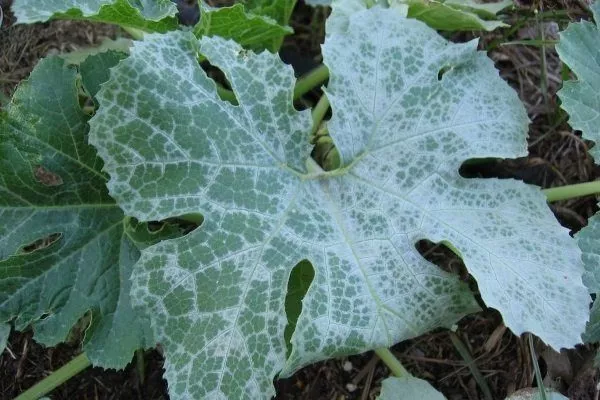
Ordinary mosaic
A dangerous virus that most often affects plants grown in greenhouses. When infected, leaves begin to wrinkle and become covered with green, mosaic-like streaks.
The edges of the diseased leaf curl downward, and normal plant development is inhibited. At low temperatures, a warty effect may occur. Multicolored spots appear on the fruit, and the cucumbers become deformed.
To treat, completely remove all infected plants. Remember to compost all plant debris.
Prevention:
- Plant cucumbers only in sterile soil;
- pre-treat seeds;
- Plant cucumbers as far away from pumpkins as possible;
- Treat the greenhouse with a solution of manganese.
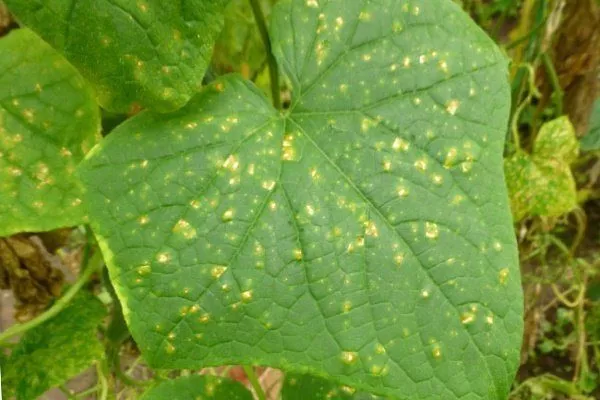
Green speckled mosaic
Also known as English mosaic, cucumbers grown in greenhouses are most often affected. Yields are reduced by almost 50%. The virus is highly resilient and has a strong immune system, making it difficult to eradicate. It can survive the winter in dried plant debris.
The disease manifests itself with a sudden change in temperature. Leaves begin to wrinkle and become deformed, and veins become lighter. Affected plants experience poor flowering, virtually no fruit set, and reduced fruiting. Fruit becomes small, mottled, and bitter in taste.
Treatment of the disease:
- spray the seedlings with a preparation such as Trichodermin;
- remove infected bushes;
- Spray cucumbers with skim milk if the first signs of disease appear;
- Treat the plantings with a 0.03% solution of Farmayod-3.
Prevention:
- Use seeds that are 2-3 years old, as the older they are, the less risk there is of infection in them;
- treat seeds with a 15% solution of trisodium phosphate;
- apply mineral fertilizers.
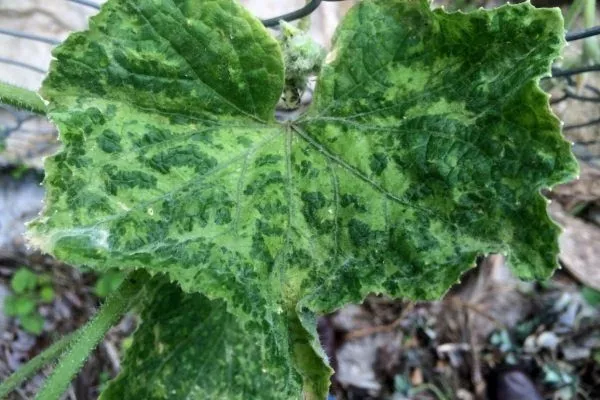
Powdery mildew
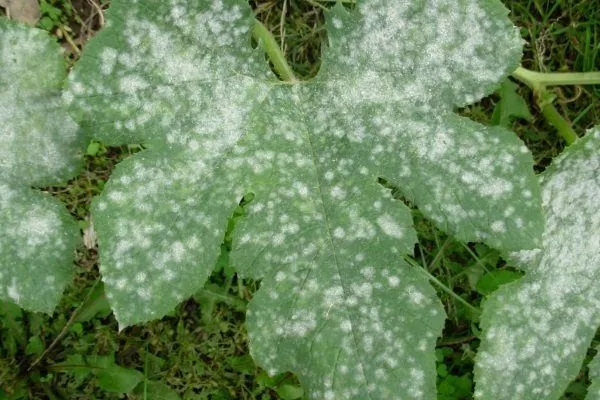
One of the most common types of fungal diseases, it can destroy almost half of a plant's crop. The fungus only affects the green parts of the plant; the fruit is unaffected. However, severe suppression prevents proper fruit development, causing it to become wilted and tasteless. The virus spreads through weeds.
A white coating is visible on the underside of the leaves. Small, round white spots form on the top of the leaf and spread rapidly, turning brown. Over time, the leaves curl and eventually die.
Treatment of the disease:
- spray the bushes with manure infusion;
- use biological drugs - Gamair is effective;
- Spray the plantings with Topaz.
Prevention:
- remove weeds and all plant debris;
- disinfect greenhouses;
- Treat seeds with growth stimulants.
Peronosporosis
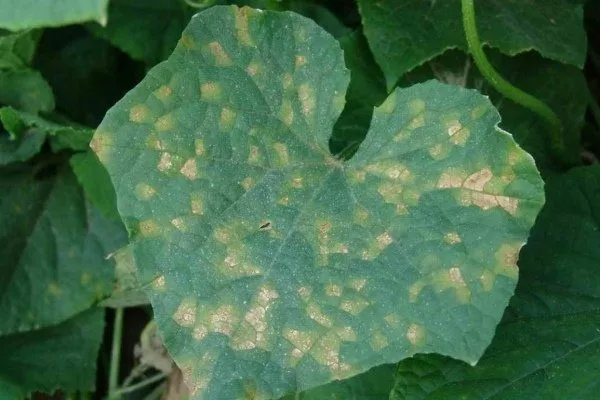
A fungal disease (also known as downy mildew) that attacks the foliage and stems of plants. This can quickly lead to the loss of the entire crop. The fungus is most active after heavy watering or rain. The infection can be carried in seeds or weeds.
The first signs of the disease are yellow spots on the leaves. The upper parts are affected first, then the lower ones. Gradually, the leaves begin to swell, and their structure becomes uneven. Once a leaf becomes a single spot, it falls off. Without foliage, no ovaries will develop, and therefore no fruiting will occur.
Treatment of the disease:
- treat cucumbers with Planrizom;
- remove all diseased areas, treat the cuts with Trichodermin paste;
- use fungicides.
Prevention:
- choose cucumber varieties that are resistant to the disease;
- In autumn, remove all remaining vegetation;
- use healthy seeds;
- treat the seed material with fungicides in combination with growth stimulants;
- do not allow humidity levels to rise;
- Make sure that the greenhouse always has the right microclimate.
Rhizoctonia
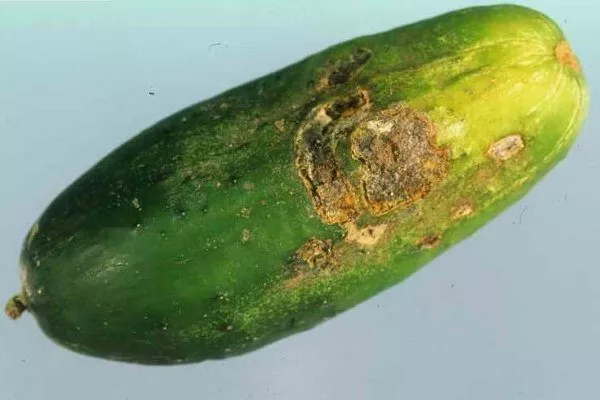
A soil-dwelling fungus. It attacks all parts of the cucumber plant except the flowers. In a short time, the fungus can completely destroy the entire plant. If the lower part of the stem is affected, there is a risk of confusing the disease with blackleg.
On young bushes, the fungus spreads rapidly along the root collar, infecting the cotyledons. The bush begins to become covered with black or yellow spots. Upon contact with soil, the fruit also becomes infected, developing brown ulcers on the surface.
Treatment of the disease:
- use antifungal medications;
- use chemicals;
- Use bacterial types of preparations.
Prevention:
- Disinfect the top layer of soil every year before forming the beds;
- remove all plant debris;
- monitor the soil moisture level;
- Before sowing, soak the seeds in a growth stimulator.
Tracheomycosis (fusarium and verticillium)
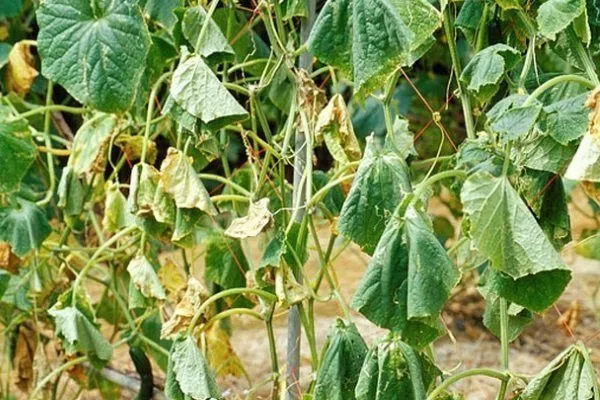
Various types of foliar wilt. Development occurs in hot and dry weather. Pathogens thrive in acidic soil. The fungus spreads through the soil or seeds, entering the plant through small cracks.
The lower leaves on one branch begin to wither and curl, while the others appear completely healthy. If you cut off the affected branch, brown spots are visible inside. Fruit growing on the diseased bush takes a very long time to ripen, and its development may stop and mummification may begin.
Treatment of the disease:
- the use of fungicidal preparations is ineffective in combating these types of fungal diseases;
- Proper agricultural practices and prevention can help prevent the onset of disease development.
Prevention:
- disinfect the soil and greenhouse;
- If a large amount of fungus has accumulated, completely renew the soil;
- use well-rotted compost;
- plant only healthy and high-quality seeds;
- Maintain the correct microclimate in the greenhouse.
Gray mold
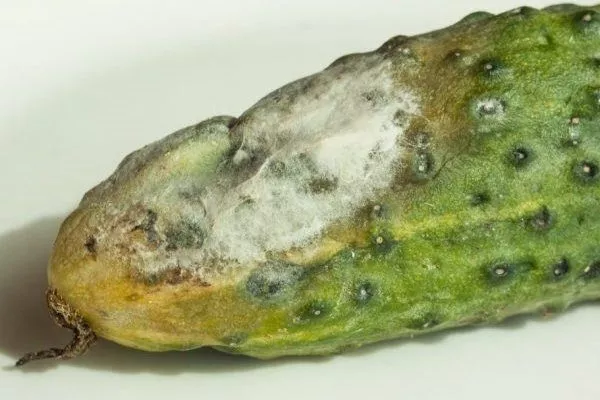
A bacterial disease that affects the entire cucumber plant. It is transmitted by weeds and is more active in high humidity. Insufficient ventilation or very dense plantings can trigger the disease.
Dirty yellow spots appear on the stems and leaves. Rotting areas also appear on the fruit, becoming water-soaked and soft. Fungal colonies begin to develop in these areas.
For treatment and prevention, follow these tips:
- change the climate conditions in the greenhouse;
- monitor temperature and humidity;
- ventilate the greenhouse regularly;
- Maintain proper crop rotation.
Root rot
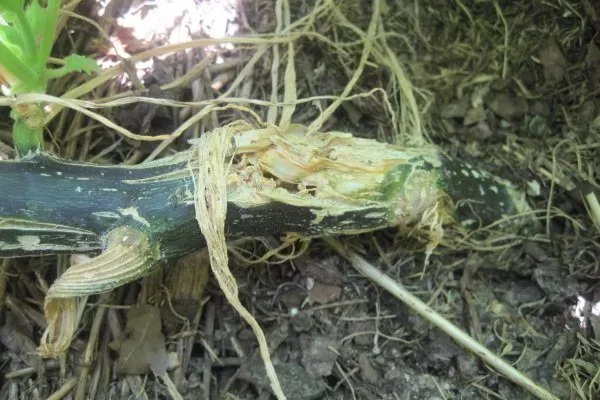
A fungal disease that attacks stems and foliage. Initially, the leaves wilt, giving the impression that the plant is starved for moisture. The disease most often affects underdeveloped and weak plants. Infection occurs through seeds and soil.
If the seeds are contaminated, seedlings may not emerge at all. Root rot begins in young plants, the stems become brittle and thin, and the leaves wilt. Root rot begins in mature plants, eventually rendering them lifeless.
Treatment of the disease:
- treat seedlings with biological preparations - for example, Gamair, Planriz;
- Spray plants with immunity-boosting agents, for example, Narcissus;
- Use an infusion of ash or compost tea, and coat the base of the plant with iodine.
Prevention:
- disinfect seeds before planting;
- water the seedlings only with warm water;
- control the soil moisture level;
- do not allow water to accumulate at the base of the stem;
- Use only well-rotted organic matter.
Cladosporiosis (olive spot)
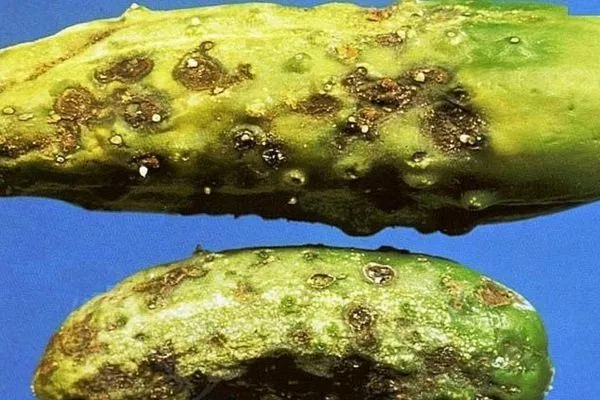
An infection that affects underdeveloped and weak bushes. The disease develops on the green portion of the bush. In cool and damp weather, it spreads to the fruit, which becomes unsightly, small, and begins to rot.
The disease manifests itself as yellow spots that gradually turn olive. A white coating forms on the underside of the leaf, and large necrotic spots rapidly develop on the outer surface. The leaf blade begins to tear and fall off. Ulcers appear on the petioles and stems.
Treatment of the disease:
- stop watering for one week;
- regularly ventilate the greenhouse, the temperature inside should always be around 20 degrees;
- Treat the bushes with Bordeaux mixture or Oxyx.
Prevention:
- constantly monitor the humidity in the greenhouses;
- disinfect the greenhouse frame;
- Treat plants with the biological product Pseudobacterin-2, which helps stop the development of the fungus.
Sclerotinia (white rot)
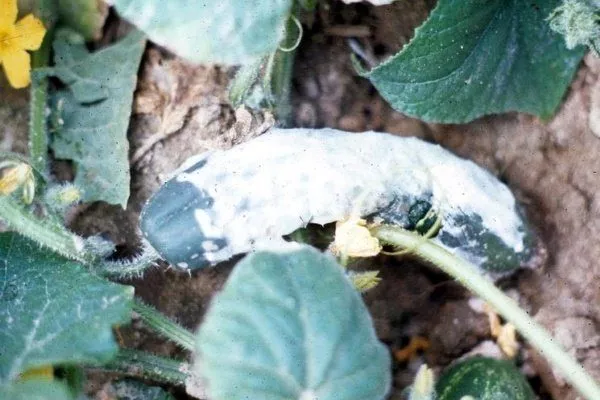
This is a contagious disease characterized by rapid progression. All parts of the plant are affected. White rot develops at low temperatures and high humidity. The disease is caused by improper plant care.
A white coating forms on the stems and fruits, completely covering the affected areas. The fungus causes the tissue to soften, becoming watery and then bursting. The plant begins to wilt and die. The affected areas become dark and dense.
When starting treatment, lubricate all diseased bushes with a preparation such as Roval or Sumilex, add chalk.
Prevention:
- remove all plant debris from the area in the fall;
- Add a biological preparation such as Trichodermin to the holes during planting;
- disinfect the soil;
- use cucumber varieties that are resistant to the disease;
- Plant seedlings at the optimal distance.
To get rid of cucumber pests or diseases, you need to closely monitor the plants. At the first sign of a problem, take immediate action to save your harvest. Don't forget the importance of preventative measures, which can help avoid many problems.