
The Obzhorka cucumber is one of the most sought-after varieties, having successfully gained popularity among agronomists. This hybrid boasts excellent productivity and a superb flavor, making it the best choice for a variety of culinary purposes. It is suitable for growing in a wide range of climates but requires careful maintenance.
Origin of the variety
It was created in 2013 by specialists Kononov and Krasnikov. The resulting parthenocarpic hybrid is highly winter-hardy, making it successfully cultivated in cold regions.
Description of the Glutton
This is a medium-sized variety with moderate branching. The plant grows vigorously and establishes quickly. Characteristic features of this cultivar include:
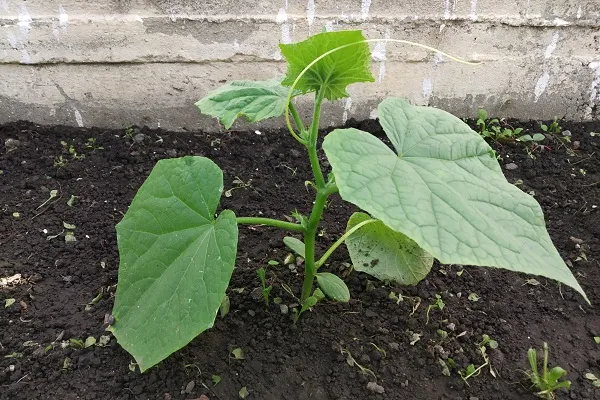
- The leaves are large, green or light green. They can sometimes fade in the sun, but this does not affect the quality of the fruit.
- The cucumbers are formed in bunches, mostly with female flowers, 2-3 per node. The dense and rigid stems provide resistance to strong winds and physical impact.
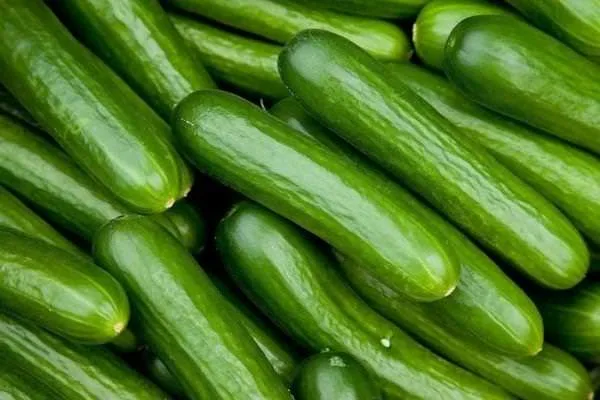
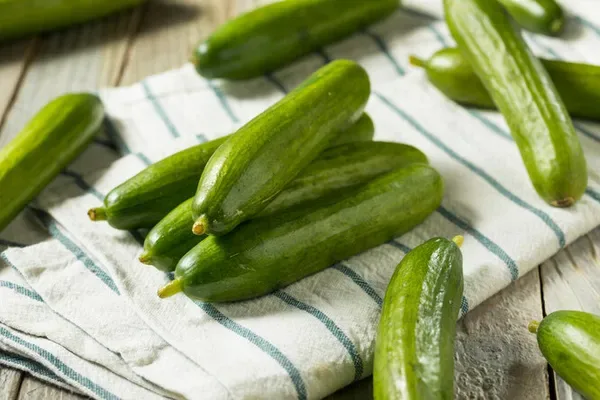
- The cucumbers are short, gherkin-type, 10-12 cm long and 3 cm in diameter, with an average weight of 50-70 g. They have a cylindrical shape, smooth dark green skin with rare tubercles and barely noticeable pubescence in the form of light-colored spines.
The vegetables are neat and attractive, and have a good marketable appearance. Due to their excellent shelf life and ease of transportation, they are popular for mass cultivation on an industrial scale.
Varietal qualities
The Obzhorka variety lives up to its amusing name, with its generous yield and excellent flavor. It's cultivated by gardeners across the country and is suitable for commercial production.
Purpose and taste
These vegetables have a fresh and delicate flavor. Their flesh is deliciously crunchy when eaten, with a rich aroma. Small gherkins are usually eaten fresh, straight from the garden. They are used in salads and vitamin cocktails, and are also suitable for canning.
Ripening and yield
Ripens in mid-season. Fresh gherkins can be enjoyed within 35-45 days of germination. In warmer growing zones, cucumbers ripen faster.
This hybrid boasts abundant yields. On average, 8.5 kg of cucumbers are harvested per square meter. With intensive cultivation, especially in greenhouses, this figure can be significantly higher.
Pros and cons
The variety has no drawbacks, but it is important not to over-water the beds or allow them to become sour to prevent the risk of disease.
Growing seedlings
Growing a hybrid begins with seedlings. This is especially important in regions with cold or unstable climates. This method allows for fruit production significantly earlier than with direct sowing.
- ✓ Optimum soil temperature for seed germination: not lower than +15°C.
- ✓ Required air humidity for seedlings: 70-80%.
Soil for sowing
The best soil for this crop is loose, light, and well-aerated, which promotes the development of a strong root system. Cultivated soils with a high organic content, such as well-rotted manure, peat, and compost, are ideal.
Sow seeds for seedlings approximately one month before planting. To speed up germination, soak and germinate the seeds first.
Planting and care
Good predecessors for Obzhorka include parsley, beans, peas, corn, and onions. It's not recommended to grow green cucumbers after eggplant, zucchini, carrots, other cucumbers, squash, peppers, tomatoes, and pumpkin, as these crops can negatively impact their growth and yield.
Soil requirements
The hybrid requires soil similar to that suitable for other varieties. Gardeners recommend loose, nutritious loamy soils and black soil. Sandy soils are not suitable for Obzhorka, as they quickly lose moisture, which the vegetable requires in large quantities.
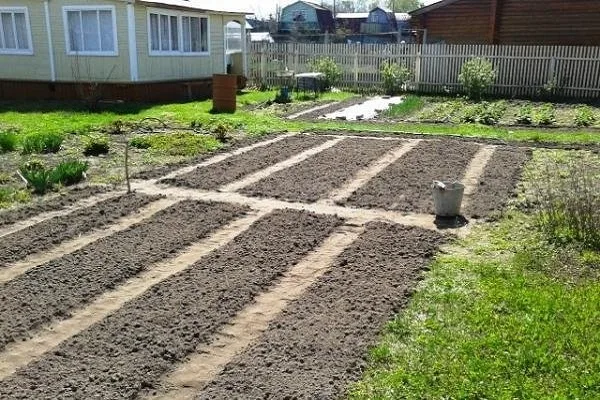
The optimal soil pH is neutral or low. Till the soil in October or November, adding minerals and organic fertilizers to improve the soil's quality. In the spring, tuck the soil again to ensure looseness, making holes or trenches depending on the planting method.
Features of planting seedlings:
- Planting density. 5-7 plants per 1 sq. m.
- Preparing the beds. On the day of planting seeds or seedlings, make holes 2-4 cm deep, spaced about 60 cm apart. Water thoroughly.
- Landing. Place the seeds at a depth of 2 cm and cover with soil. Plant the seedlings vertically.
To repel insects and pests, dust the soil with a mixture of red and black pepper.
Necessary climatic conditions
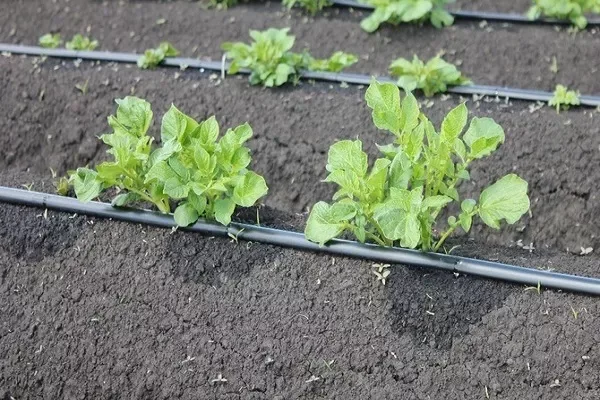
Place cucumber plants in a sunny spot. The area should be well-ventilated, but not subject to constant piercing winds or excessively cold. Cucumbers need moisture, but the groundwater level should be low, as waterlogging is undesirable.
Watering, fertilizing and garter
Moisten the bushes with warm water. The optimal time for watering is evening for plants in the open ground and morning for those in a greenhouse. Water once every 7 days before flowering, and every 3-4 days during fruiting. Direct the water at the roots to avoid splashing on the leaves and stems, which can cause sunburn.
Fertilize the green plants 5-6 times throughout the growing season. Apply the first fertilizer when the second true leaf appears, and the second at the beginning of flowering. Fertilize the plants every two weeks during the fruiting and ovary formation stages.
Reviews from gardeners
Obzhorka cucumbers are an ideal choice for those seeking high quality and consistent yields. They appeal to both novice gardeners and experienced agronomists. These plants are disease-resistant and pest-resistant. With proper and timely care, you'll get high-quality cucumbers and bountiful harvests.