
Nikolai cucumbers are an ideal choice for those who value a consistent harvest and pleasant flavor. This variety not only delights with its abundant fruit but also makes care easy thanks to its disease resistance and low maintenance. By following simple planting and care guidelines, you can harvest high-quality vegetables all season long for winter storage and fresh consumption.
Introduction to the variety
This hybrid variety boasts good productivity and excellent flavor, making it a favorite among many gardeners in our country. It is self-pollinating with parthenocarpic pollination, guaranteeing consistent fruiting.
Characteristics of Nikolai:
- The fruits ripen early—35-45 days after germination. You'll get your first green fruits by early summer.
- The crop is intended for cultivation in plastic and winter greenhouses. To achieve maximum yield, it requires specific care and maintenance. On average, gardeners harvest 10-12 kg of vegetables from a plot of 1 square meter.
- This variety is resistant to diseases and pests, so you'll get large quantities of vegetables without much hassle. It's rarely susceptible to powdery mildew, one of the most common diseases.
To successfully grow the hybrid, provide sufficient heat and light. Air temperatures should be at least 20–25°C during the day and at least 15–18°C at night. Ensure good ventilation to prevent disease.
Nikolai cucumbers are grown throughout the country, but they are particularly well suited to regions with moderate and warm climates. They are successfully cultivated in the following regions: Central, Northwestern, and Southern. The hybrid also thrives in Siberia and the Urals.
Characteristic features of the appearance of the plant and fruits
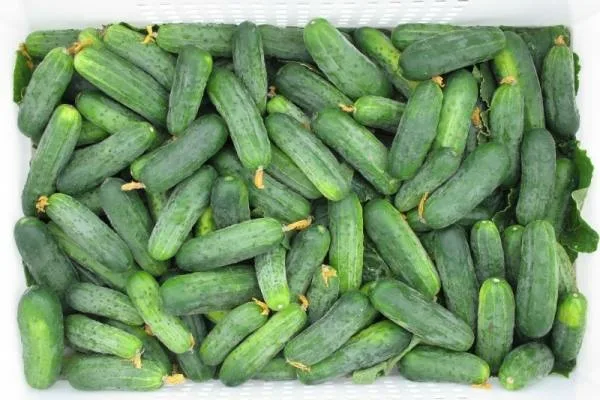
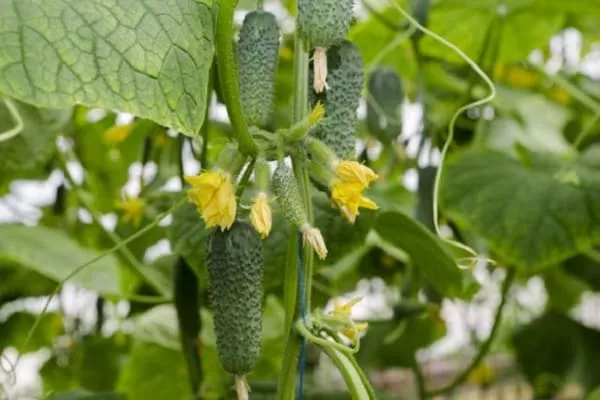
The plant has a female flowering type. Each node produces 4 to 6 female flowers. The fruits are cylindrical, ranging from 10 to 12 cm in length and no more than 3 cm in diameter. Each fruit weighs 90-100 g.
Purpose and taste
The flavor is pleasant, combining a fresh aroma with crisp, juicy flesh. This variety is versatile and suitable for both fresh consumption and canning.
Advantages and disadvantages
After weighing the advantages and disadvantages, you can decide whether it's appropriate to grow Nikolai cucumbers in your specific conditions. This hybrid has many advantages.
Growing and care
The crop prefers light, fertile, and well-drained soils, growing in soils with a neutral or slightly acidic reaction. Cultivation begins with sowing seedlings in April-May.
Planting seedlings in the ground:
- A few days before the procedure, dig over the soil and add organic fertilizer, such as compost or rotted manure. Make sure the soil is light, fertile, and well-drained.
- A week before planting, begin hardening off the seedlings, gradually acclimating them to outdoor conditions. To do this, first expose the plants to fresh air for a few hours, then increase the time.
- The distance between bushes should be 30-35 cm, and between rows – 60-70 cm. This will provide the plants with sufficient space for growth and ventilation.
- Transplant the seedlings into the ground when the danger of frost has passed and the soil has warmed to 15–18°C. Plant the seedlings in holes at a depth corresponding to the root ball size.

Provide your seedlings with comprehensive care, as their yield depends on it. Caring for your bushes includes the following:
- Watering. The bushes require regular watering. Water them with warm water, avoiding contact with the leaves to prevent disease. During the fruiting season, increase the frequency to 2-3 times a week.
- Top dressing. Apply the first fertilizer two weeks after planting the seedlings. Use organic fertilizers such as mullein or bird droppings. Two to three weeks after the first fertilizer application, apply mineral fertilizers such as nitroammophoska (10-15 g per 10 liters of water).
The third feeding should be carried out during the fruiting period, using complex fertilizers containing nitrogen, phosphorus and potassium. - Garter. Tie shoots to supports to keep them off the ground. This will improve ventilation and reduce the risk of disease. Use soft materials to avoid damaging the branches.
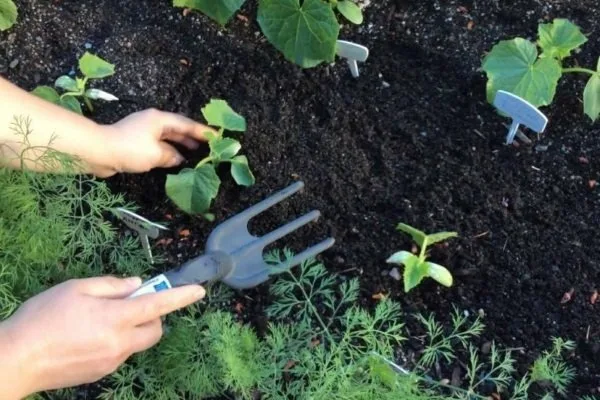
- Loosening and mulching. Regularly loosen the soil around the stems to improve root aeration. Mulch the soil with organic materials (straw, peat) to retain moisture and prevent weed growth.
- Protection from diseases and pests. Use preventative treatments with biological products or folk remedies (such as garlic or onion peel infusions) to protect against diseases and insects. Regularly inspect the bushes and remove damaged leaves and fruit.
By following these recommendations, you can get a high yield with minimal effort.
Reviews
Nikolai cucumbers deserve special attention among the numerous hybrids due to their high yield, excellent taste, and disease resistance. This variety is shade-tolerant but thrives in adequate light, producing numerous high-quality cucumbers. With proper care, you can grow a crop with a strong immune system.