
"True Colonel" cucumbers are in high demand among Russian gardeners. This is due to their excellent varietal qualities and numerous advantages. They produce generous harvests and are resistant to infections and insects. Good results can be achieved with proper agricultural practices.
Introduction to the variety
This variety will appeal to lovers of medium-sized hybrid plants. It requires little care and cultivation, yet boasts many remarkable qualities, including good yields, disease resistance, and excellent flavor.
External and taste characteristics, purpose
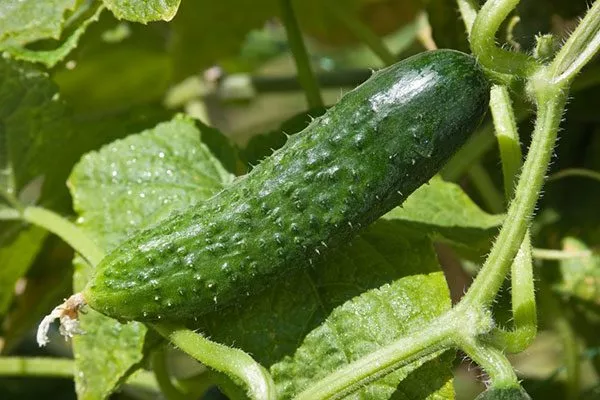
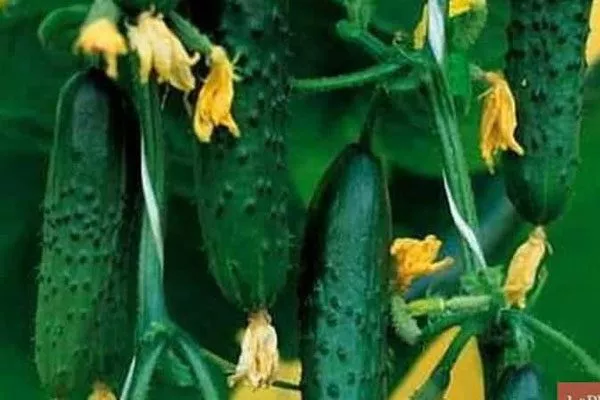
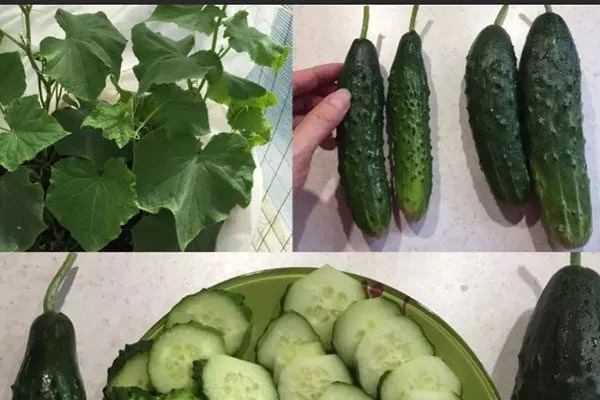
The plants are vigorous, indeterminate, and have moderate branching. The leaves are medium-sized, slightly wrinkled, green, and smooth-edged. Each node produces 1-3 female flowers, and the flowering pattern is predominantly female.
Other distinctive qualities:
- Fruits – spindle-shaped, with an average length of 12-15 cm and a diameter of 3.8-4.4 cm.
- Weight - about 120 g.
- Coloring – green with medium-length stripes.
- Surface – with rare tubercles and white spines.
- Pulp – juicy and crispy.
Origin
Bred by A. V. Borisov, O. N. Krylov, and N. M. Nasrullaev from the Manul breeding and seed company. The hybrid was approved for cultivation in 2004.
Composition, benefits, calorie content
The beneficial properties of this crop are undeniable. These vegetables are rich in microelements and vitamins essential for health, including iron, phosphorus, potassium, and iodine. They also contain vitamins C, A, B2, and B9.
Thanks to their low calorie content (12-14 kcal per 100 g), cucumbers are ideal for dietary nutrition. Scientific studies have confirmed that diets that include these vegetables not only promote weight loss but also strengthen the immune system.
They are widely used in cosmetology, both at home and in professional treatments. Lotions, masks, and creams rejuvenate facial skin, relieve fatigue, and eliminate bags under the eyes. Cosmetics based on cucumber juice deeply cleanse pores and have a mild whitening effect.
Cucumber yield Real Colonel
This variety is distinguished by its long fruiting period, and in some regions, gardeners harvest fresh cucumbers until early October. The yield is stable. With proper care, one seedling can yield up to 3 kg of fruit per harvest, and approximately 12-13 kg per square meter.
Ripening and flowering times
This is a medium-season crop. It takes 40-45 days from germination to full maturity. The bushes begin to bloom approximately 1.5 months after planting.
Resistance to diseases and pests
The crop is relatively resistant to common diseases. However, if improperly cared for, plants may encounter problems, including insect attacks.
Necessary climatic conditions
The crop tolerates only slight temperature drops, so it is not planted in areas with harsh climates. The following regions are optimal for cultivation: the Northern, Central, Northwestern, Volga-Vyatka, Central Black Earth, Middle Volga, and North Caucasus regions.
How to grow a hybrid yourself
They are grown using both seedlings and direct-seeding methods. This versatility is especially beneficial for residents of southern regions.
- ✓ The soil should be light, with good aeration and drainage to prevent water stagnation and root rot.
- ✓ Soil pH should be between 6.0-6.8 for optimal nutrient absorption.
Sowing seeds in the ground
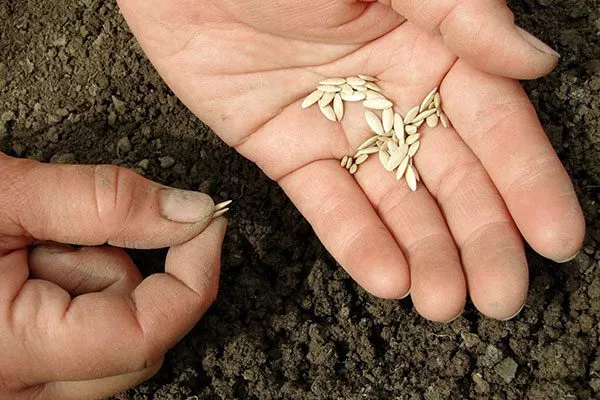
Sow the seeds in prepared soil at a temperature of at least 16°C. Choose light, non-acidic soil for sowing, as this promotes the growth and development of seedlings. Before sowing, moisten the soil and fertilize it with manure. Sow the seeds in holes 2 cm deep and cover with plastic wrap.
To lighten the soil, add peat or sand. Test the soil's acidity using litmus paper. If the pH indicator turns red, add dolomite or lime to lower the pH.
Sowing seeds for seedlings
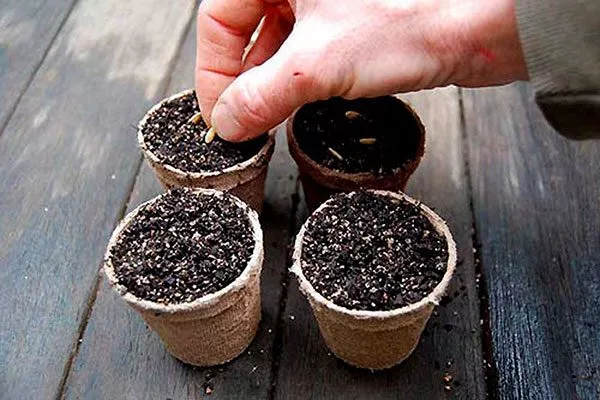
Sow True Colonel cucumber seeds for seedlings approximately 3-4 weeks before the planned outdoor planting date. This should be done in April or May, depending on your climate.
Helpful tips:
- Soak the seeds in warm water for 12-24 hours to speed up germination.
- To further improve germination, use growth stimulants or soak the seeds in a weak solution of potassium permanganate for disinfection.
- Prepare a nutritious soil mixture. A ready-made seedling mix or a homemade substrate made from equal parts peat, humus, and garden soil will do.
- Fill the prepared containers or peat cups with soil, leaving a small gap to the edge.
- Make holes in the soil to a depth of about 1.5-2 cm.
- Place one seed in each hole.
- Cover the planting material with soil and compact it lightly.
- Carefully water the sown seeds with warm water so as not to wash them out of the soil.
- Cover the containers with clear film or glass to create a greenhouse effect.
Place the containers in a place with a temperature of +22-25°C.
- ✓ The presence of 3-4 true leaves indicates that the seedlings are ready for transplantation.
- ✓ The root system should be well developed, but not intertwined, to avoid stress during transplantation.
Caring for seedlings
Once the seedlings emerge, move the pots to a windowsill to ensure they receive adequate light. Reduce the indoor temperature to 22°C to prevent the seedlings from stretching due to excess heat. The seedlings are ready for transplanting to their permanent location when they have developed 3-4 true leaves.
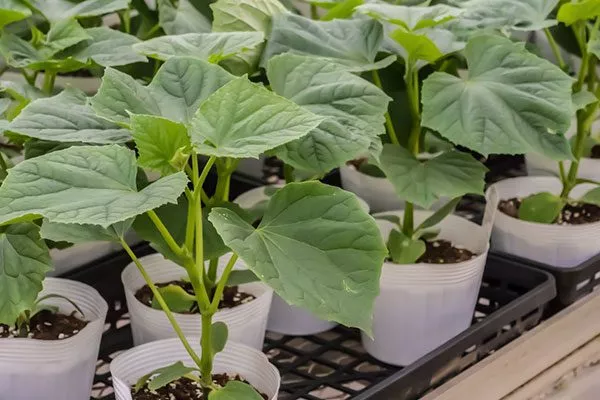
Water the seedlings only with warm, settled water whenever the top layer of soil dries out. They grow quickly and vigorously, so don't fertilize them before transplanting. Loosening the soil helps improve oxygen access to the roots, which strengthens the seedlings' immune system. Do this carefully to avoid damaging the roots.
Transplantation into the ground and further development of the hybrid
Cultivation is not particularly difficult and involves standard procedures. Follow these simple guidelines:
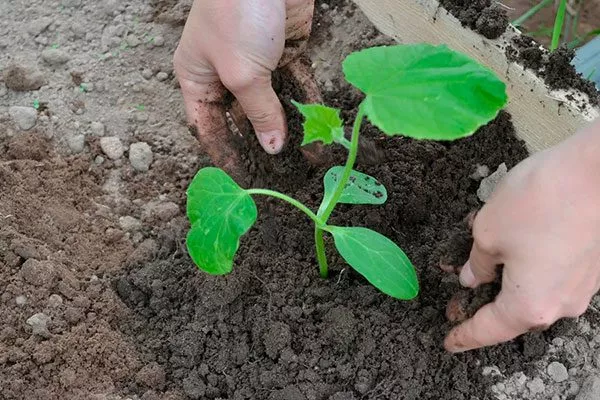
- Transplant the seedlings into pre-prepared holes in the evening.
- Fill the holes one-third full with humus and add water.
- When replanting, save the root ball, otherwise the plant will grow poorly.
- After the procedure, fill the holes with loose soil, lightly moisten with warm water and mulch.
- Water the plants moderately, at the roots. Do this in the morning or evening to avoid leaf burn during hot weather.
- Apply the first feeding two weeks after transplanting to a permanent location, using a complex mineral fertilizer.
Features of cultivation and possible difficulties
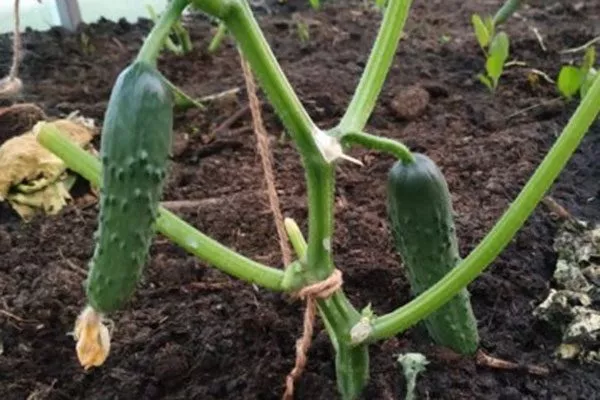
Trellising indeterminate plants is the most convenient and least traumatic method. However, the "True Colonel" hybrid can also be grown without staking. In this case, be sure to mulch the plantings.
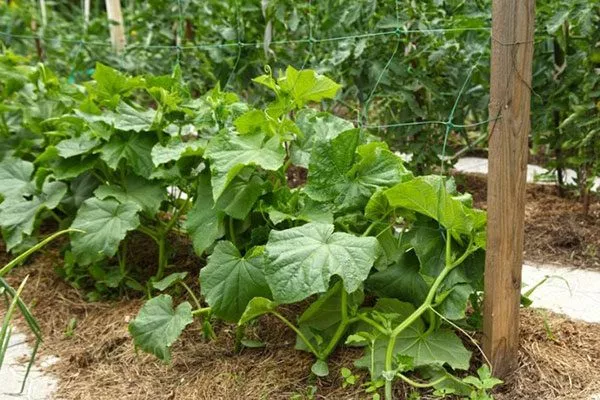
This is an easy-to-grow cucumber variety that doesn't require complex care. However, for best results, follow a few basic agronomic practices:
- Loosening. After each watering, loosen the soil to improve air circulation and eliminate weeds. This promotes healthy root development and prevents moisture problems.
- Formation of bushes. The hybrid forms slow-growing vines, so special attention to shaping the bushes is not required. Remove only excess side shoots with pruning shears. For easier harvesting, tie the vines to supports.
- Mulching. Use straw or peat. Mulch will protect the root system from temperature fluctuations and pests and help retain soil moisture.
- Disease prevention. To prevent diseases during the growth and development stage, spray the plants. Use a mixture of 1 liter of milk, 30 g of soap, and 25 drops of iodine, or a solution of 3 tablespoons of baking soda diluted in 1 liter of water. These treatments will help prevent powdery mildew and root rot.
Under unfavorable conditions, such as irregular or cold watering or frequent temperature fluctuations, there is a risk of developing hollows in the fruit. Remember that cucumbers are moisture- and heat-loving plants, requiring minimal attention to produce a high-quality harvest.
Diseases and pests
The variety is resistant to diseases such as powdery mildew, tobacco mosaic virus, cladosporiosis, and root rot. Preventive measures and crop rotation will further strengthen the plant's immunity and ensure maximum yield.
Prevention doesn't require complex measures: simply monitor the humidity level in the beds and maintain the temperature in the greenhouse between 22-25°C. Exceeding these parameters increases the risk of fungal infections.
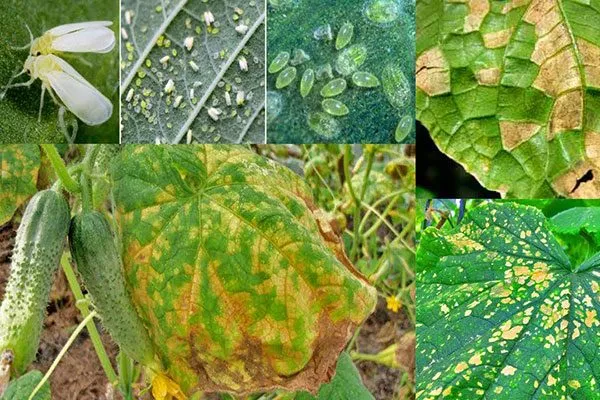
The main pest that can cause serious damage is the whitefly. This butterfly attacks both open beds and closed greenhouses. To control it, use Aktara or a soap solution. To prepare, dissolve 200 g of laundry soap in 10 liters of warm water and apply to the plants.
Harvesting
Harvesting ripe cucumbers is convenient because they ripen simultaneously on the same plant, resulting in uniform size and attractive presentation. Fruiting is spread out, so fresh cucumbers will be available until frost. The fruits typically do not overgrow and stop growing after reaching a length of 15 cm.
The Pros and Cons of Being a Real Colonel
The hybrid has many advantages over other cucumber varieties. It inherited the best qualities of its "parents" and has a number of advantages and disadvantages.
Reviews of the hybrid
The Real Colonel is the best choice for growers seeking high yields and minimal maintenance. Its excellent flavor, disease resistance, and long fruiting period make it a versatile choice for a variety of growing conditions. The results will be impressive, but only with proper farming practices.