
Snack cucumbers offer a successful combination of early maturity, abundant yield, and disease resistance. They continue to attract gardeners with their excellent characteristics. With proper care and minimal maintenance, you can grow robust plants and enjoy generous harvests throughout the season.
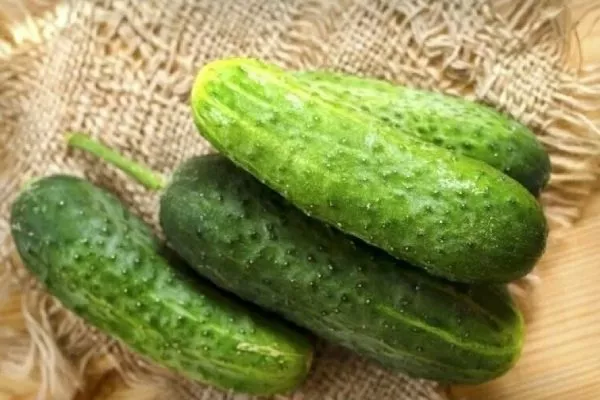
Introduction to the variety
Ripening occurs 40-45 days after germination, and the first fruits appear as early as July. Although the hybrid doesn't have a long fruiting period, it yields an average of approximately 15 kg per square meter under plastic covers. The variety boasts comprehensive disease resistance.
Before planting, it's important to examine the positive and negative qualities. The hybrid variety has many advantages:
The culture has only one drawback: it requires frequent and abundant watering.
Originators
The hybrid was created by Russian breeders V. G. Kachainik, M. N. Gulkin, G. V. Golovko, and N. V. Shishkin. This self-pollinating parthenocarpic hybrid was approved for use in 2018.
Characteristic features of the appearance of the plant and fruits
| Parameter | Characteristic |
|---|---|
| Growth type | Indeterminate |
| Stem height | Up to 100 cm |
| Leaves | Medium, dark green |
| Fruit shape | Cylindrical |
| Length of fruits | 7-10 cm |
| Fruit weight | ~85 g |
| Coloring | Green with white pubescence |
It is characterized by a medium-sized, indeterminate growth habit, with a main stem approximately 100 cm long. It is distinguished by good branching due to a significant number of lateral shoots, which are covered with medium-sized, dark green leaves.
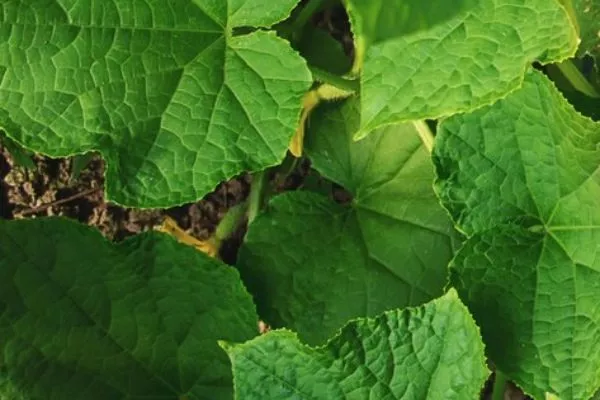
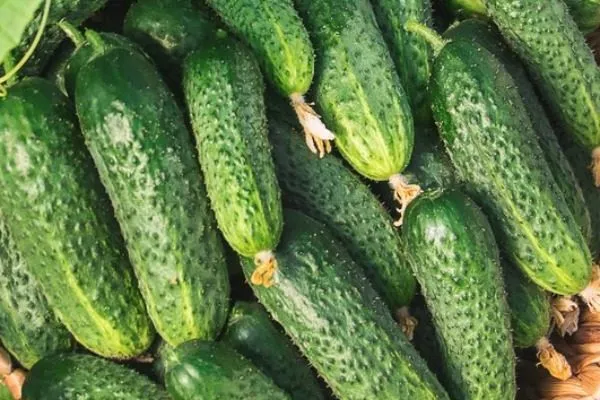
Cucumbers are cylindrical in shape, reaching 7-10 cm in length. Each cucumber weighs approximately 85 g. The skin is green, and the surface is covered with white hairs.
Purpose and taste
These vegetables have excellent flavor and crisp, juicy flesh, making them ideal for fresh salads and appetizers. The cucumbers are also used for pickling and canning.
Growing and care
The plant requires specific soil conditions—it should be fertile, moderately loose, moisture-retentive, and neutral in pH. Loose, light, and well-aerated soils that promote the development of a strong root system are most suitable. Before planting, amend the soil with well-rotted manure, peat, or compost.
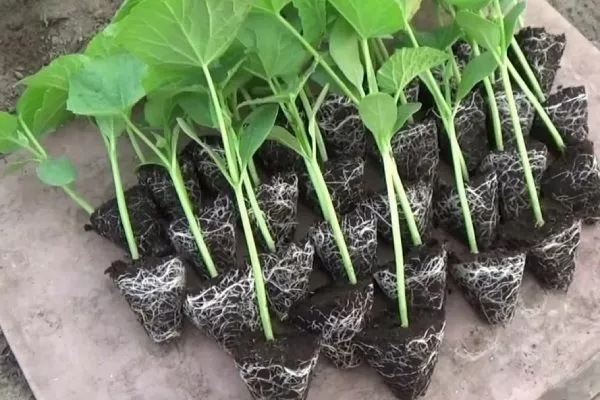
Sow seeds for seedlings approximately one month before planting. Pre-soaking and germinating the seedlings will speed up germination.
On the day of planting seedlings or sowing seeds, dig holes 2-4 cm deep, spaced about 60 cm apart, and water them thoroughly. Place the seeds at a depth of 2 cm, cover with soil, and plant the seedlings vertically. To repel insects and pests, dust the soil with a mixture of red and black pepper.
Good predecessors:
- parsley;
- beans;
- peas;
- corn;
- onion.
| The best predecessors | The worst predecessors |
|---|---|
| Legumes (peas, beans) | Cucurbitaceae (zucchini, pumpkins) |
| Greens (parsley, dill) | Nightshades (tomatoes, eggplants) |
| Onions and garlic | Root vegetables (carrots, beets) |
| Corn | Cucumbers (replanting) |
Do not plant cucumbers in areas where the following vegetables were previously grown:
- squash;
- eggplant;
- pumpkins;
- zucchini;
- peppers;
- tomatoes;
- carrot.
Provide the plant with comprehensive care. Follow these recommendations:
- Water the bushes with warm water. In open ground, the best time to water is evening, and in a greenhouse, morning.
- Before flowering, water the plants every 6-8 days, and during fruiting - every 3-4 days.
- Pour water so that it does not come into contact with the leaves and stems to avoid sunburn.
- Feed cucumbers 5-6 times during the entire growing period: when the second true leaf appears, at the beginning of flowering, then during the period of ovary formation and fruiting, with a frequency of once every 2 weeks.
- Regularly support the shoots as they grow. To do this, grow the bushes on trellises, in barrels, or use taller neighbors, such as corn and sunflowers, planted in advance.
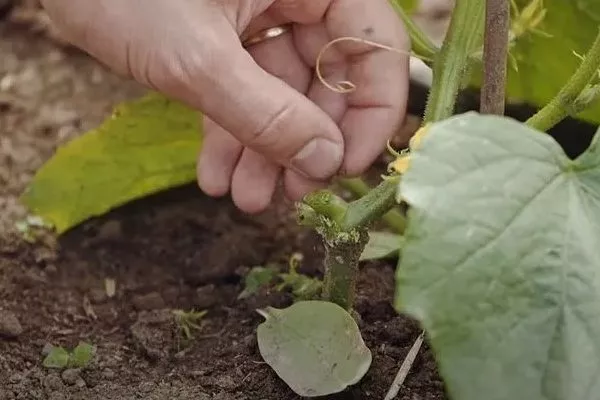
After the formation of 6-7 leaves, pinch the main stem, stimulating branching of the plant and increasing the yield.
Feeding schedule
- 1st feeding: after the appearance of 2 true leaves (nitrogen fertilizers)
- 2nd feeding: beginning of flowering (phosphorus-potassium mixtures)
- 3rd feeding: mass formation of ovaries (complex fertilizers)
- 4th feeding: beginning of fruiting (potassium fertilizers)
- 5th feeding: 2 weeks after the 4th (organic + microelements)
Reviews
The "Na Zapusku" cucumber variety was a true revelation for gardeners seeking the perfect hybrid for their plots. Developed by experienced breeders, it quickly gained popularity thanks to its unique characteristics and versatility. Proper care is essential to boost the plant's immunity and yield.