
With proper care, Musson guarantees generous yields, ensuring not only abundant harvests but also high-quality cucumbers. Disease resistance, high productivity, and versatility make this variety a reliable choice for a variety of growing conditions. It's important to follow proper agronomic practices to ensure optimal growth and development.
Introduction to the variety
Musson is a high-quality salad cucumber variety. It has many positive and pleasant characteristics that are important to consider before planting.
History of origin
The hybrid was developed by the Japanese company Sakata Seeds. It was officially approved for use in 2020.
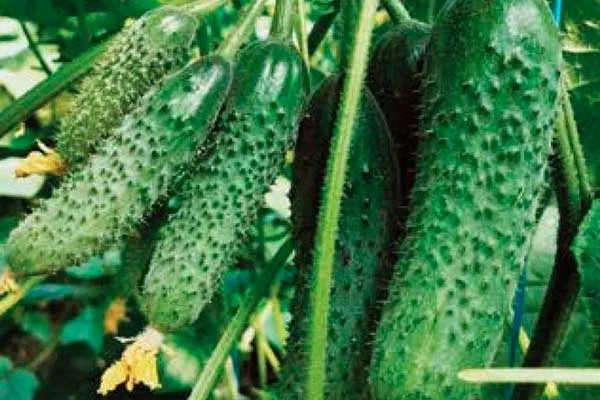
Characteristics of the appearance of the plant and cucumbers
The bush has an indeterminate growth habit and a moderate number of branches. The leaves are medium-sized, green, and slightly wrinkled. Flowering is predominantly female, with two to three female flowers forming at each node.
Taste and purpose
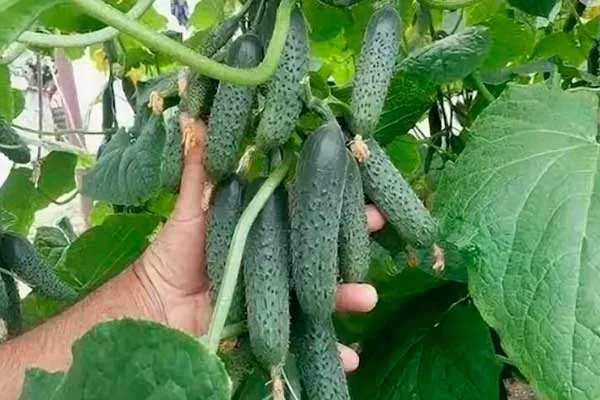
This cucumber is a salad variety. Its fruits have excellent flavor and firm flesh, making them ideal for both fresh eating and canning.
Ripening times and yield volumes
This is an early-ripening variety. The first ovaries form 36 days after germination. The average yield is approximately 14 kg per square meter when grown in heated glass greenhouses during winter.
Landing features
Musson is a greenhouse variety known for its long and abundant fruiting. To achieve high yields, the plant must grow without delay. Follow these cultivation recommendations:
- Direct sow seeds in late May to early June. If using seedlings, plant in mid- to late April.
- The crop does not require a sunny or draft-free area, as it is grown in greenhouses and is already provided with the necessary heat.
- To prepare the beds, dig them over, remove weeds, and add compost or manure. Before planting, loosen the soil and fertilize with a complete fertilizer.
- Sow the seeds in small peat containers with prepared soil consisting of garden soil, sand, peat moss, and humus. Place several seeds in each container, 3-4 cm deep. Moisten the soil with warm water and place in a warm location.
- ✓ The optimal soil temperature for sowing seeds should not be below +15°C.
- ✓ To prevent diseases, it is necessary to ensure good ventilation in the greenhouse.

Once the seedlings emerge and develop 4-5 full leaves, transplant them to their permanent location. The distance between the beds should be 70 cm, and between the bushes 40-50 cm, to a depth of 5-6 cm.
Caring for bushes
Agronomic practices affect the taste and appearance of the Musson cucumber. Vegetable growers recommend carefully studying all the necessary care measures for this variety.
Watering
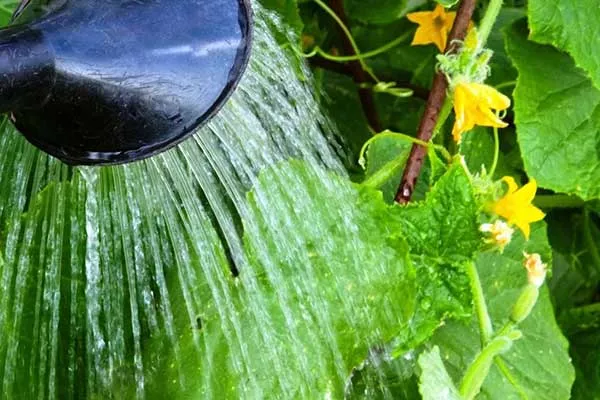
Although cucumbers are drought-tolerant, water the plants once every 3-4 days. Apply warm, settled water to the roots, avoiding contact with the tops.
Loosening
Loosening improves soil aeration, promotes better access of water and nutrients to plant roots, and helps prevent crust formation on the soil surface.

This is an important agronomic procedure that promotes healthy plant growth and development. Follow these instructions:
- Till the soil regularly, especially after watering or rain, to prevent soil compaction. Repeat this procedure every 1-2 weeks.
- Use a rake or hoe to gently loosen the top layer of soil to a depth of 5-7 cm. Be careful not to damage the roots.
- After loosening, re-moisten the soil to promote root growth.
The procedure provides optimal conditions for plant growth, improves soil structure and guarantees increased crop yields.
- First feeding: 2 weeks after planting the seedlings, use nitrogen fertilizers.
- Second feeding: at the beginning of flowering, use phosphorus-potassium fertilizers.
- Third feeding: during fruiting, use complex fertilizers with microelements.
Fertilizer
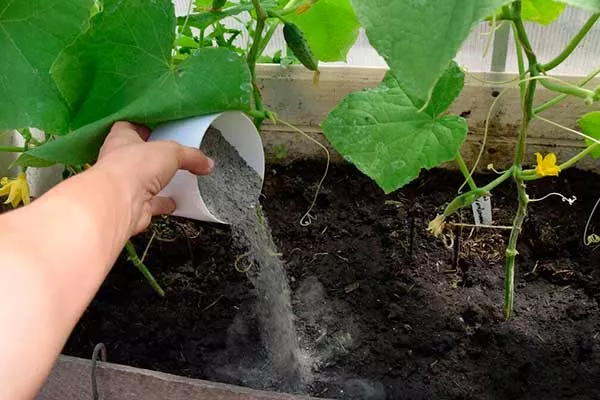
Fertilize Musson cucumbers 3-4 times throughout the season. Use mineral fertilizers in combination with organic compounds. Experienced gardeners recommend using complex fertilizers to maintain healthy soil.
Formation
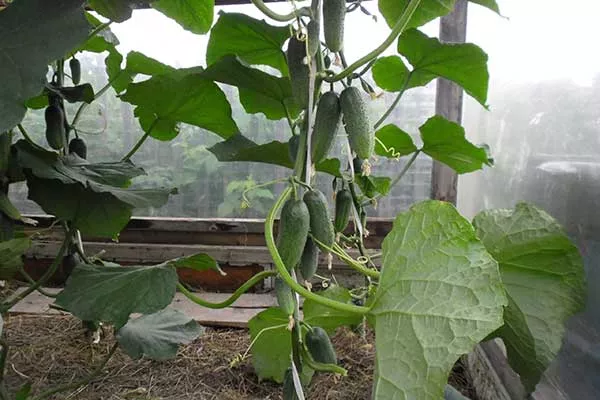
Because the bushes grow to a large size, they require staking and shaping. Tie the main stem to a vertical trellis. To shape the bush, prune the five lower side shoots on each plant.
Pests and diseases
Despite the plant's good resistance to common diseases, improper care can lead to their occurrence. The main diseases and their control methods are:
- Peronosporosis (downy mildew). It causes small yellow spots to appear on the leaves, which become oily after 2-3 days. They gradually enlarge, turn brown, and the leaves become covered with a gray-purple coating.
For prevention, use Trichodermin, Kurzat, Previkur or Abiga-Peak. - Root rot. This disease attacks the root system. When infected, the lower part of the stem darkens, the plant stops growing, and the stem becomes soft and begins to wilt. For prevention, use Previcur Energy, Gliokladin, Fundazol, or Trichocin.
- White rot. It causes wilting and death of cucumbers. Affected parts become covered with water-soaked, rotted areas and a white, flaky coating. This coating also covers the fruit. To combat the disease, use Ordan, Abiga-Peak, Alirin-B, Gamaira, and Planriz.
The hybrid is resistant to pest attacks, so it does not require treatment against them, but only with careful care.
Harvesting and storage
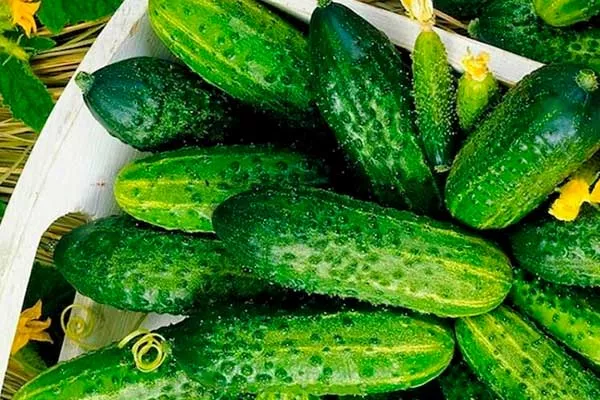
Harvest regularly when the fruits reach their optimal size—about 10-14 cm in length. Avoid overripening, as this can reduce the quality of the vegetables and delay further fruiting.
Helpful tips:
- Pick the cucumbers carefully, avoiding damage to the shoots. Use scissors or a knife to trim at the base, leaving a small tail. This helps prevent breakage of the stems and remaining cucumbers.
- To ensure long-term fruiting and high-quality cucumbers, collect them every 1-2 days.
- Before storing, inspect the cucumbers carefully, removing any damaged or overripe ones. Wash them in cold water and dry them with a soft towel.
- Store vegetables in the refrigerator at 7-10°C. Avoid sudden temperature changes and high humidity, as this can lead to rotting.
- Store cucumbers in plastic wrap or containers to prevent them from drying out. You can also use damp paper towels to maintain optimal humidity.
When stored properly, the harvest can stay fresh for up to 1-2 weeks. To extend the shelf life, consider canning or freezing, but this may affect the texture and flavor of the cucumbers.
Positive and negative qualities
Before cultivating any crop, vegetable growers often study its advantages. Here are the key positive characteristics of the Musson variety:
If improperly cared for, cucumbers can be susceptible to downy mildew, root rot, and white rot. Cucumbers should only be grown in protected beds. These are the main drawbacks for some gardeners.
Reviews
Musson cucumbers are one of the most sought-after varieties among vegetable growers. They are chosen for their generous yields and excellent taste. This hybrid combines numerous advantages, making it an ideal choice for both greenhouse and open-air cultivation. It's important to plant the plants correctly and provide them with proper care.